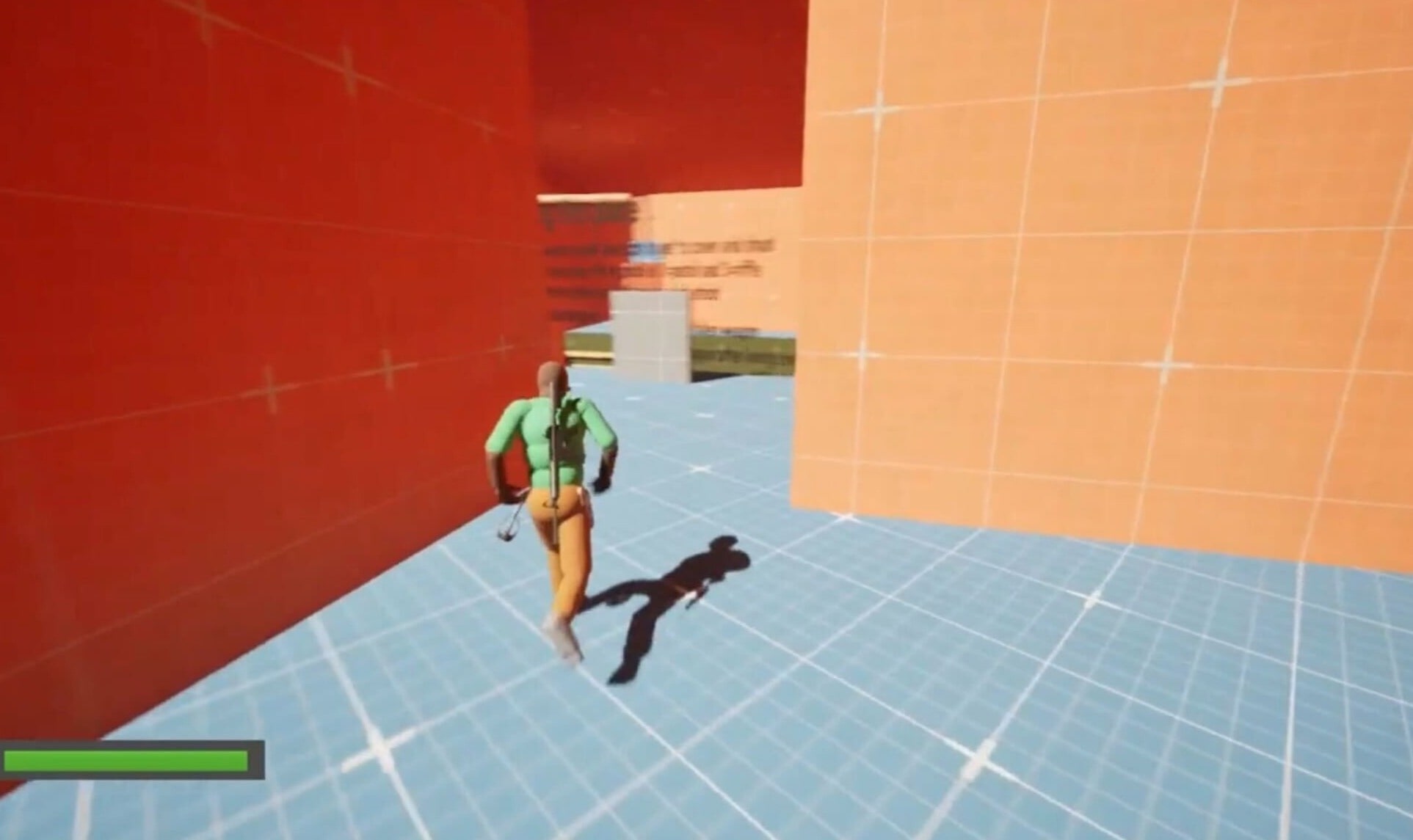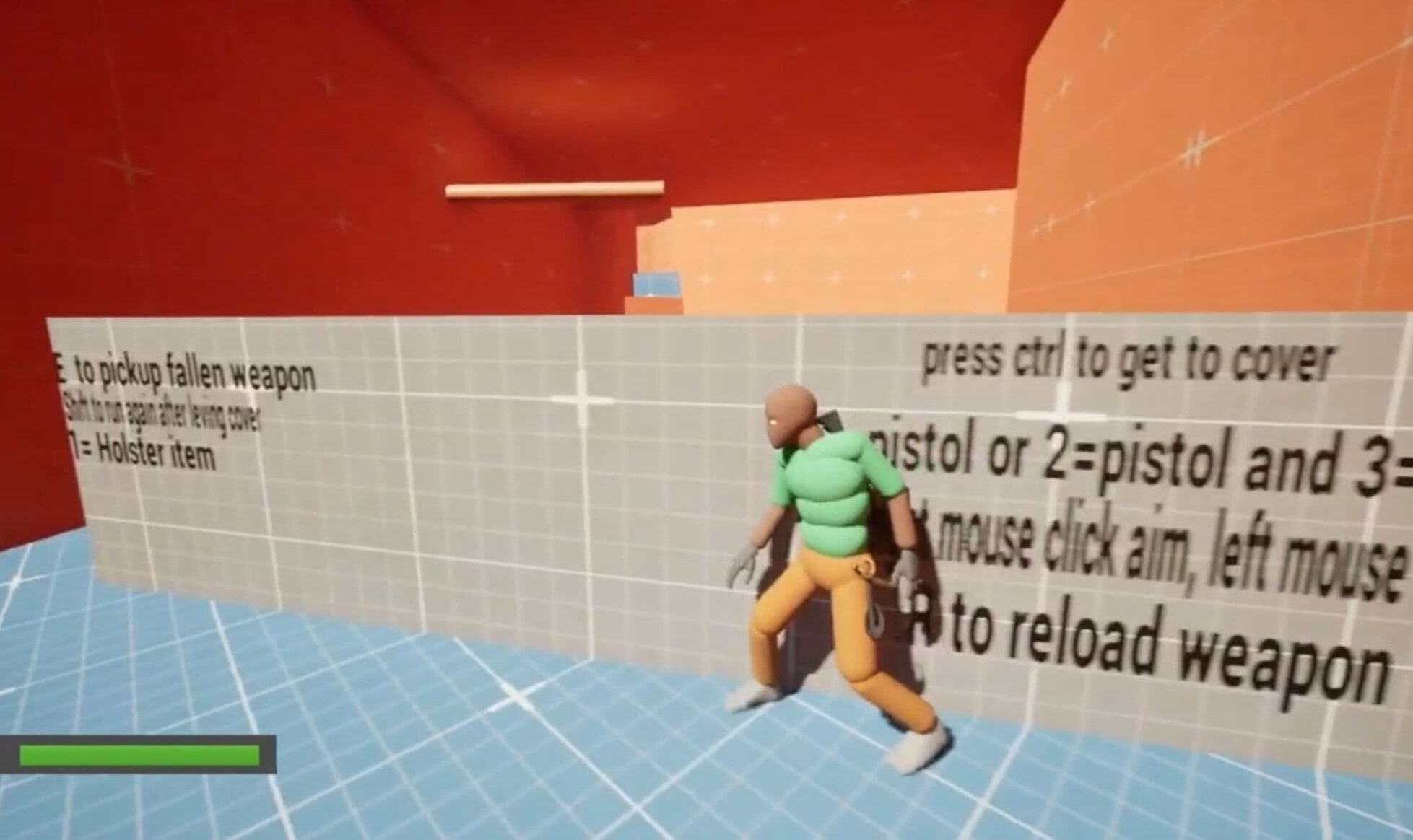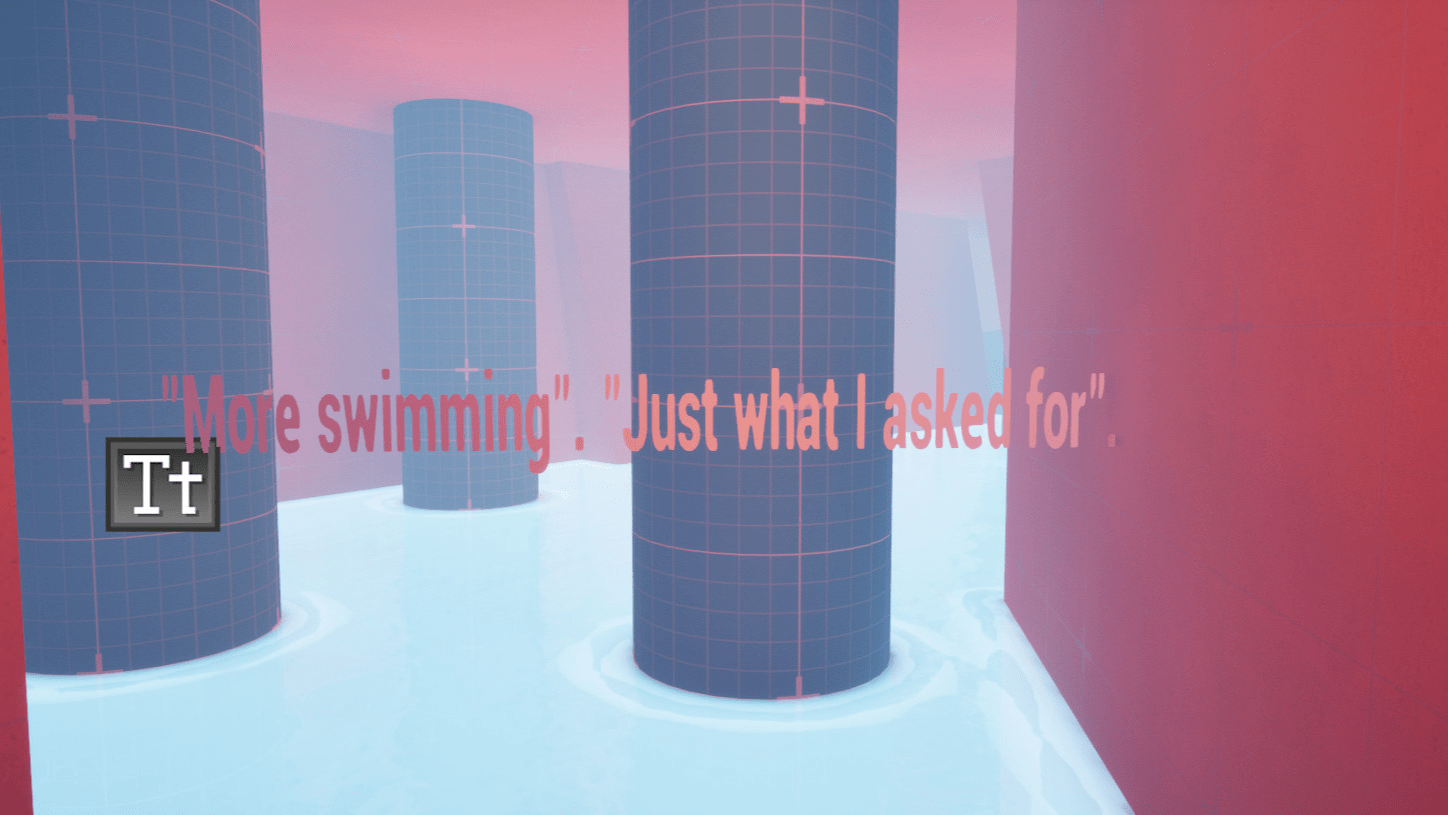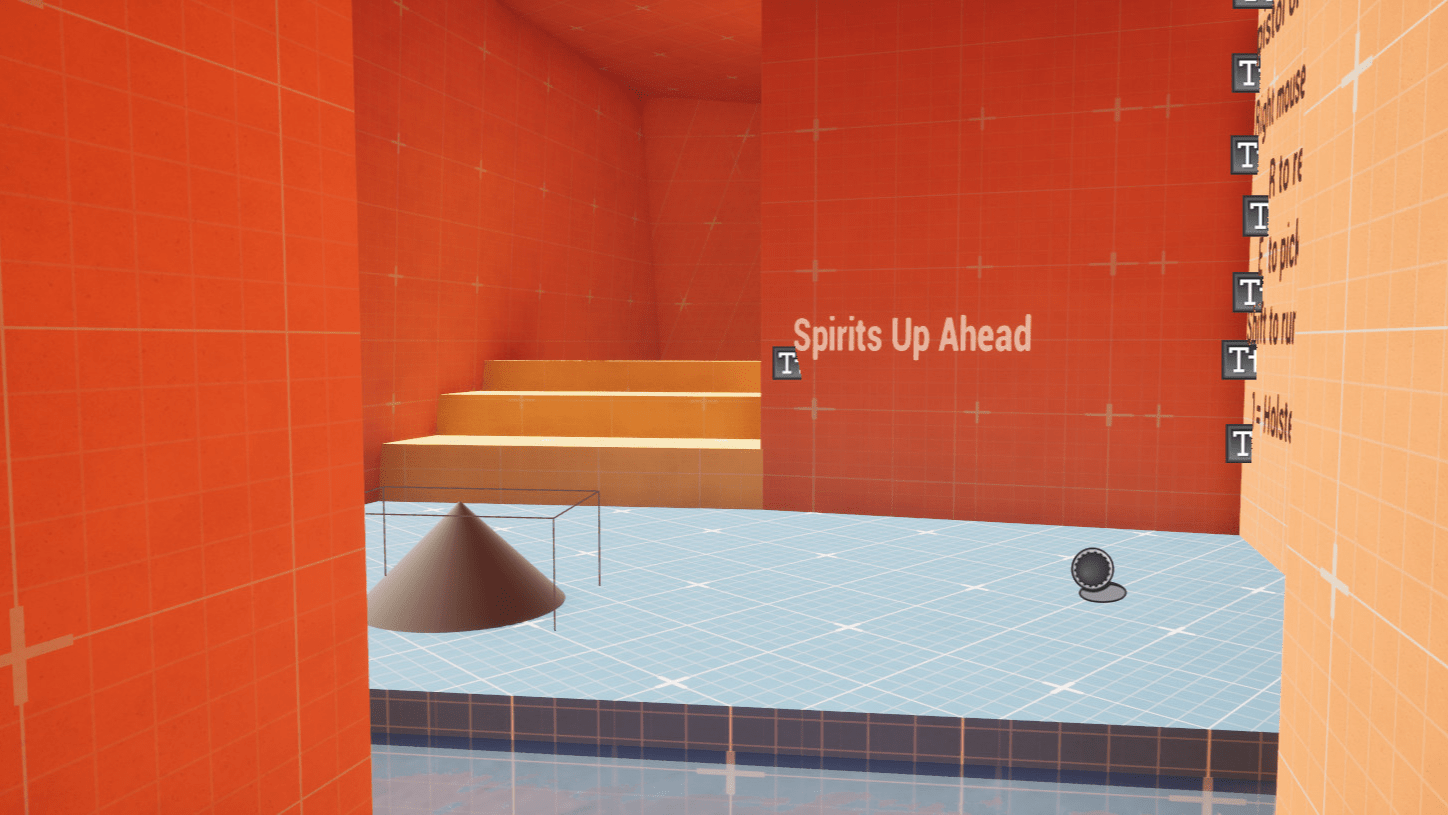
Ogbunike Temple
- Genre: 3D Action Adventure
- Type: Blockout
- Engine: Unreal Engine 5
- Tools: Level Design Kit asset pack, JakubW asset pack
- Iterations # 6
- Playtests # 6
- Role: Level Designer, Environment Artist
Overview
Goal
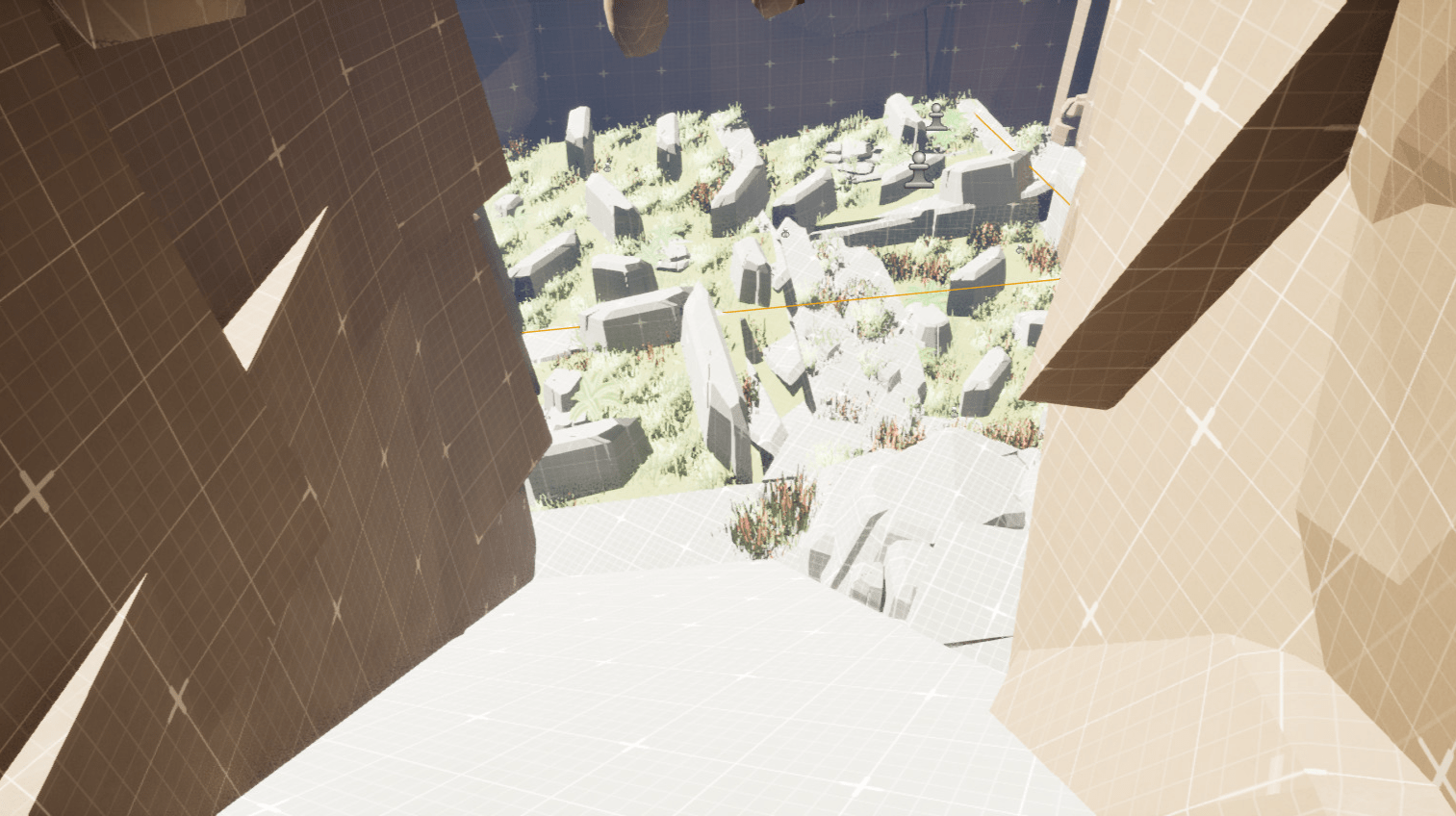
The goal of this level was to create a fictionalized interpretation of the Ogbunike Caves in Nigeria. I aimed to evoke a sense of beauty and wonder as the player explores the diverse areas of the environment. The level is designed to deliver a feeling of adventure and danger, inspired by classic stories like Uncharted and Indiana Jones.
Throughout each iteration, I focused on key level design elements to enhance the player’s experience, including:
- Combat spaces
- Encounter pacing
- Enemy placement
- Platforming/traversal
- Light Narrative elements
“Nathan Kellman, a veteran level designer who worked on Diablo 4 and Mafia: The Old Country, was a huge help in improving my level with each iteration.”
Level Overview & Technique Highlights
Setting/synopsis: Hidden deep in the heart of Nigeria, the Ogbunike Temple is steeped in legend. Within its ancient walls lie powerful secrets and treasures, sealed in a vault and guarded by spirits sworn to strike down intruders.
The player controls a skilled warrior who is on a mission to traverse through the dangerous temple and retrieve a family heirloom from the temple that will bring back hope and power to his village.
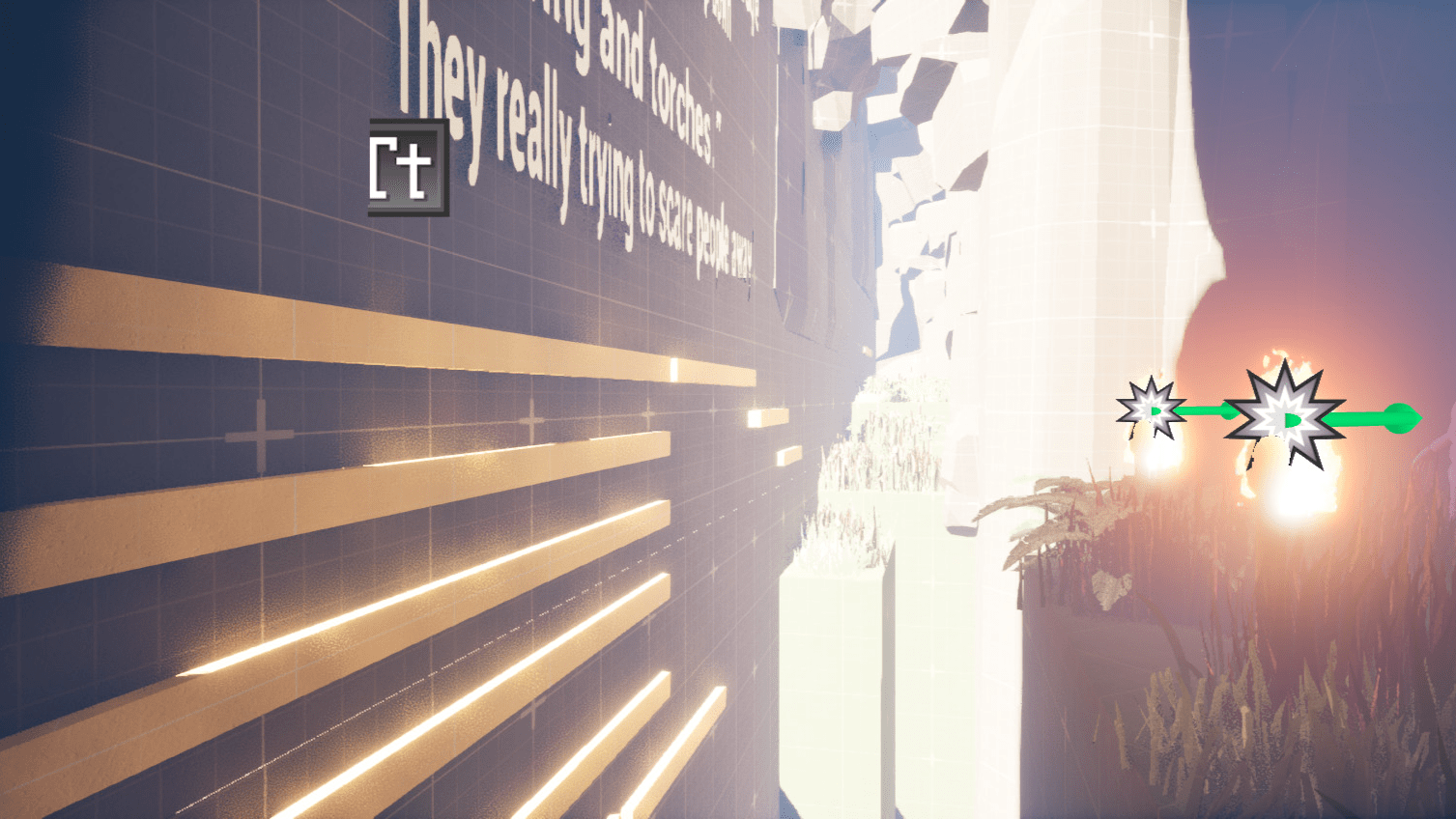
Technique Highlight: Path Markers
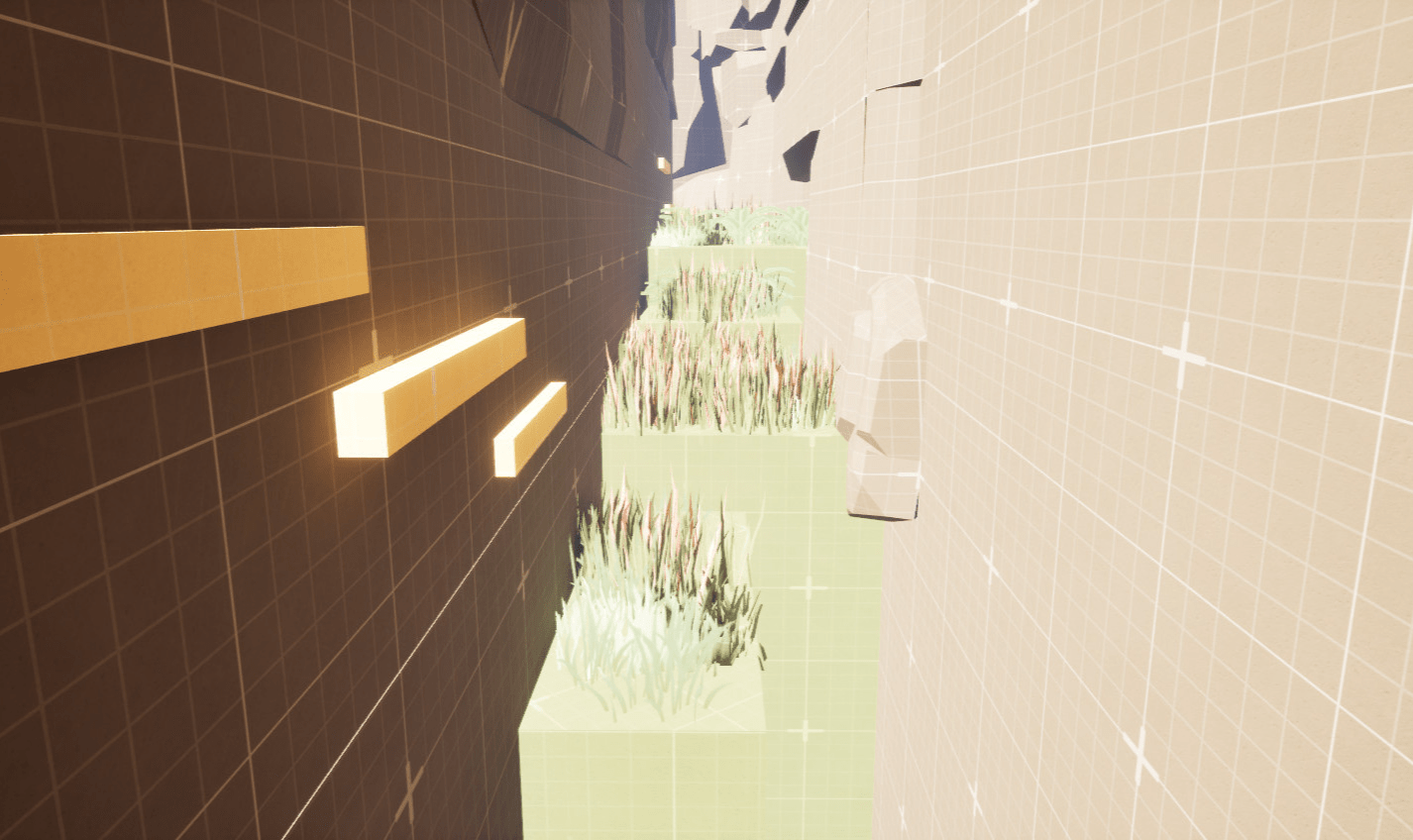
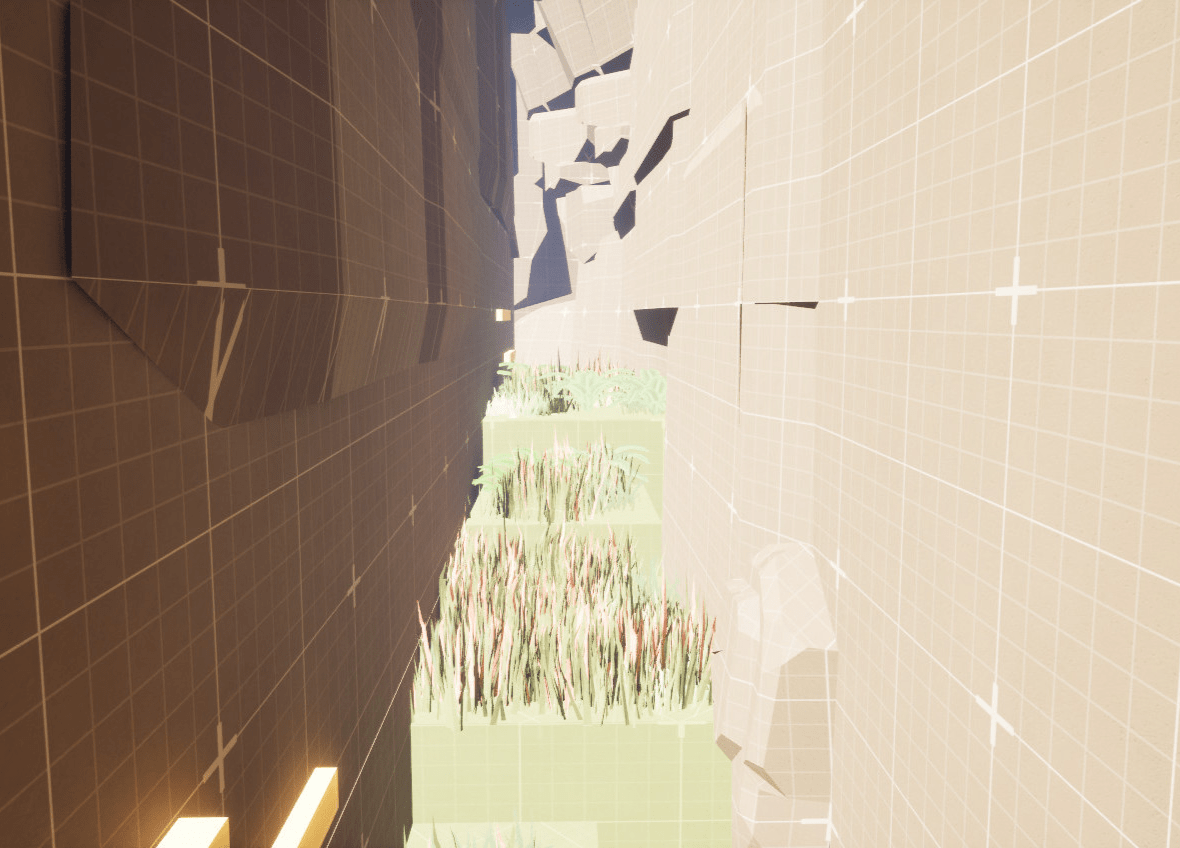
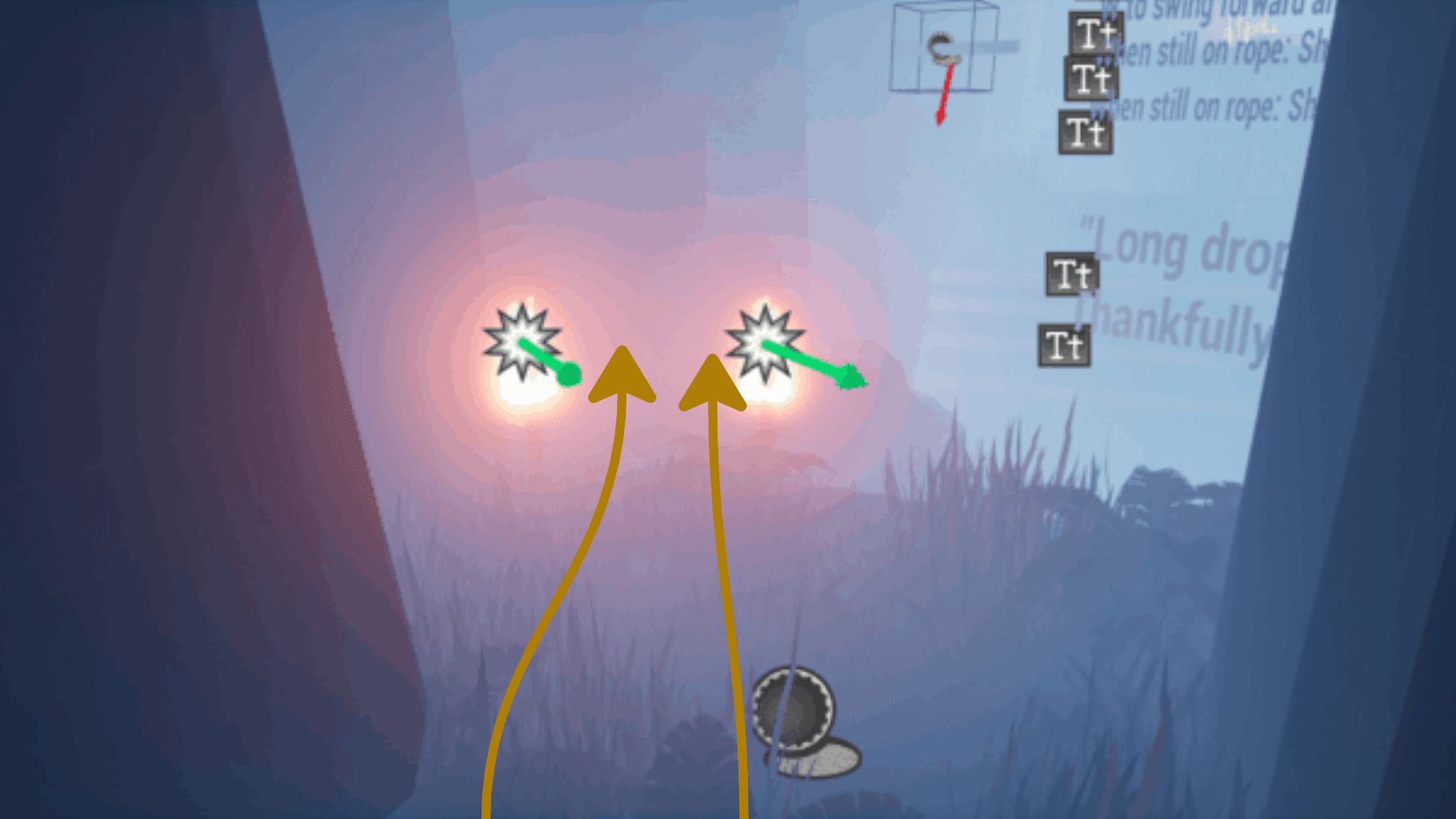
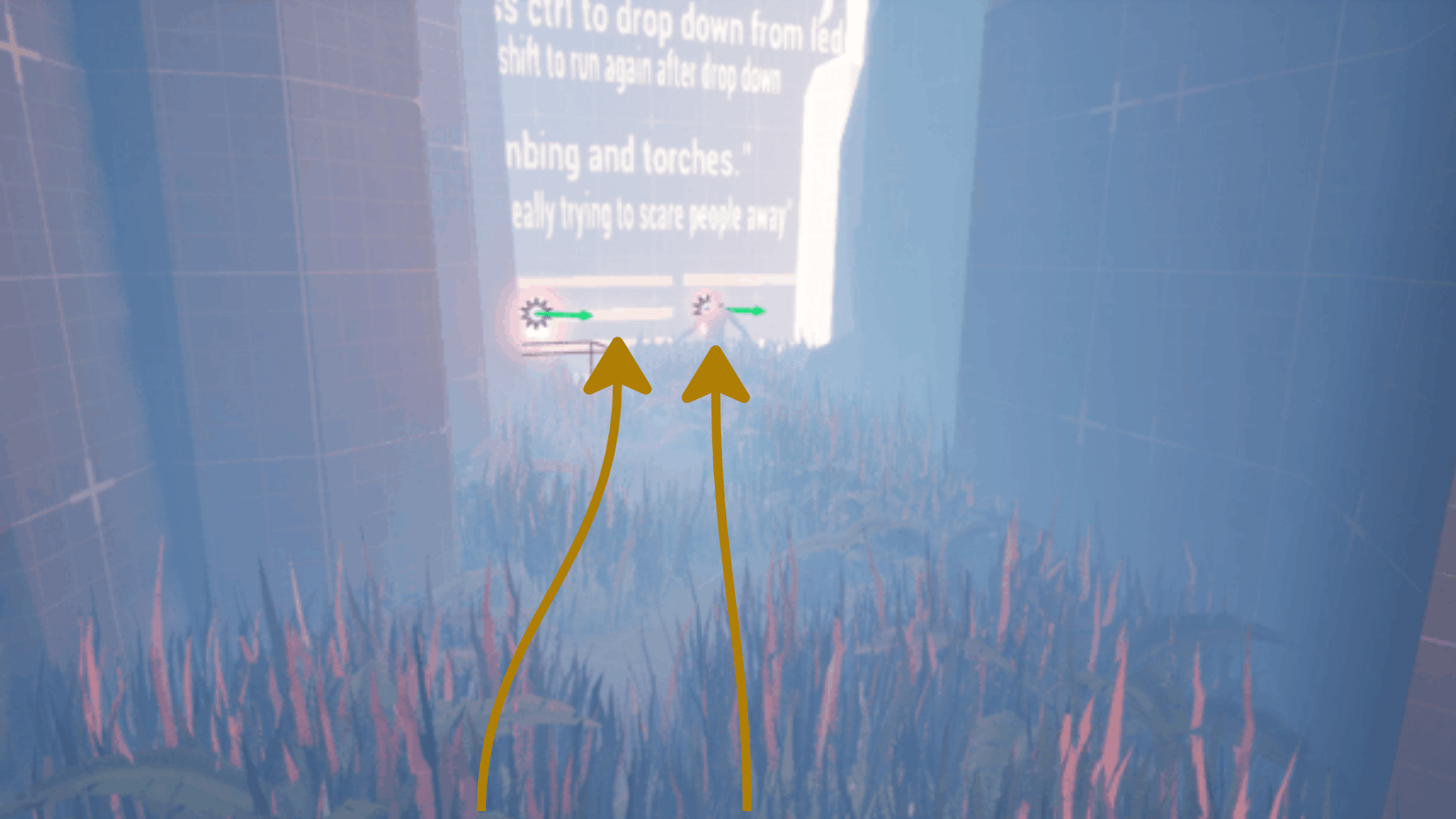
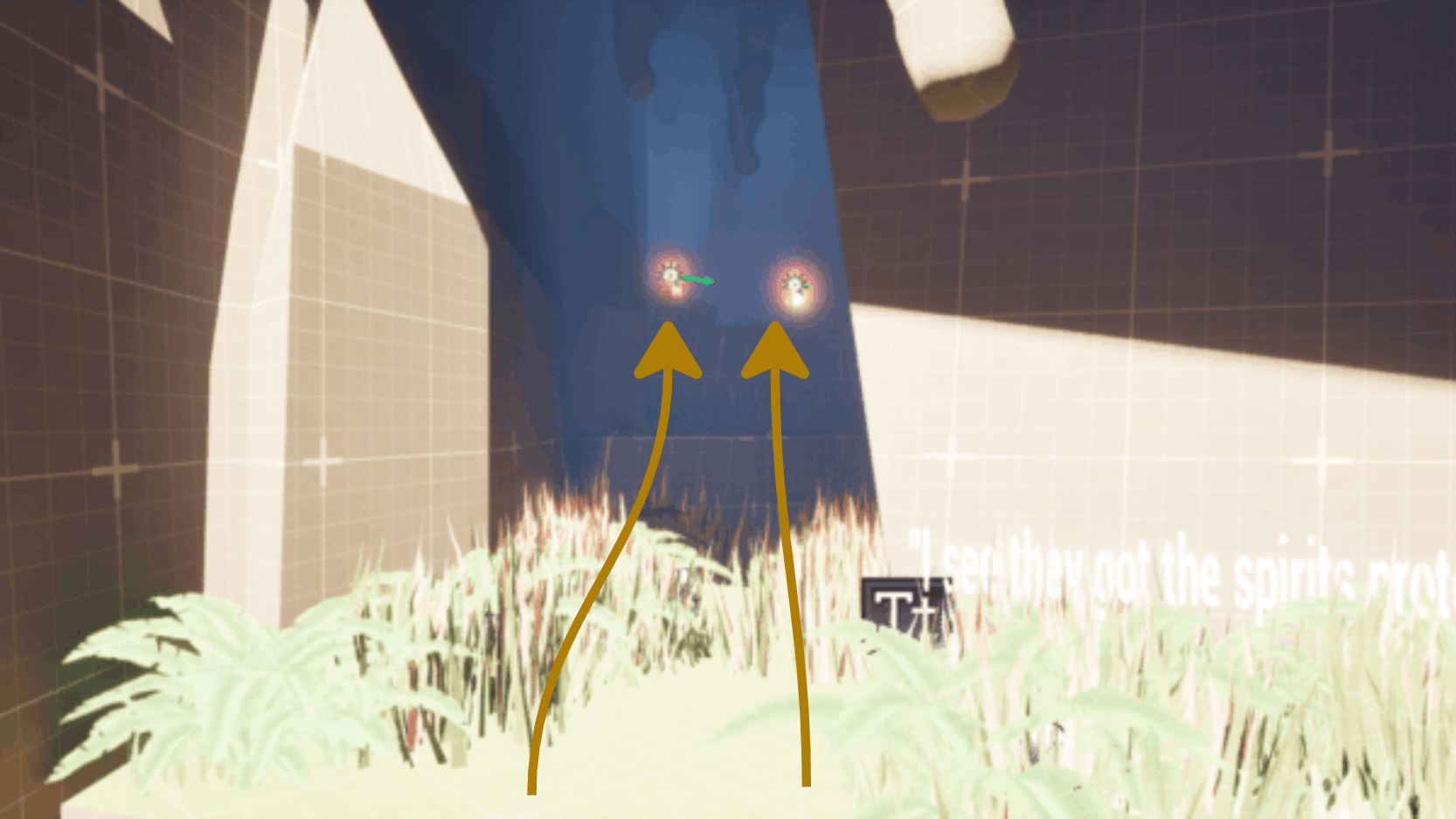
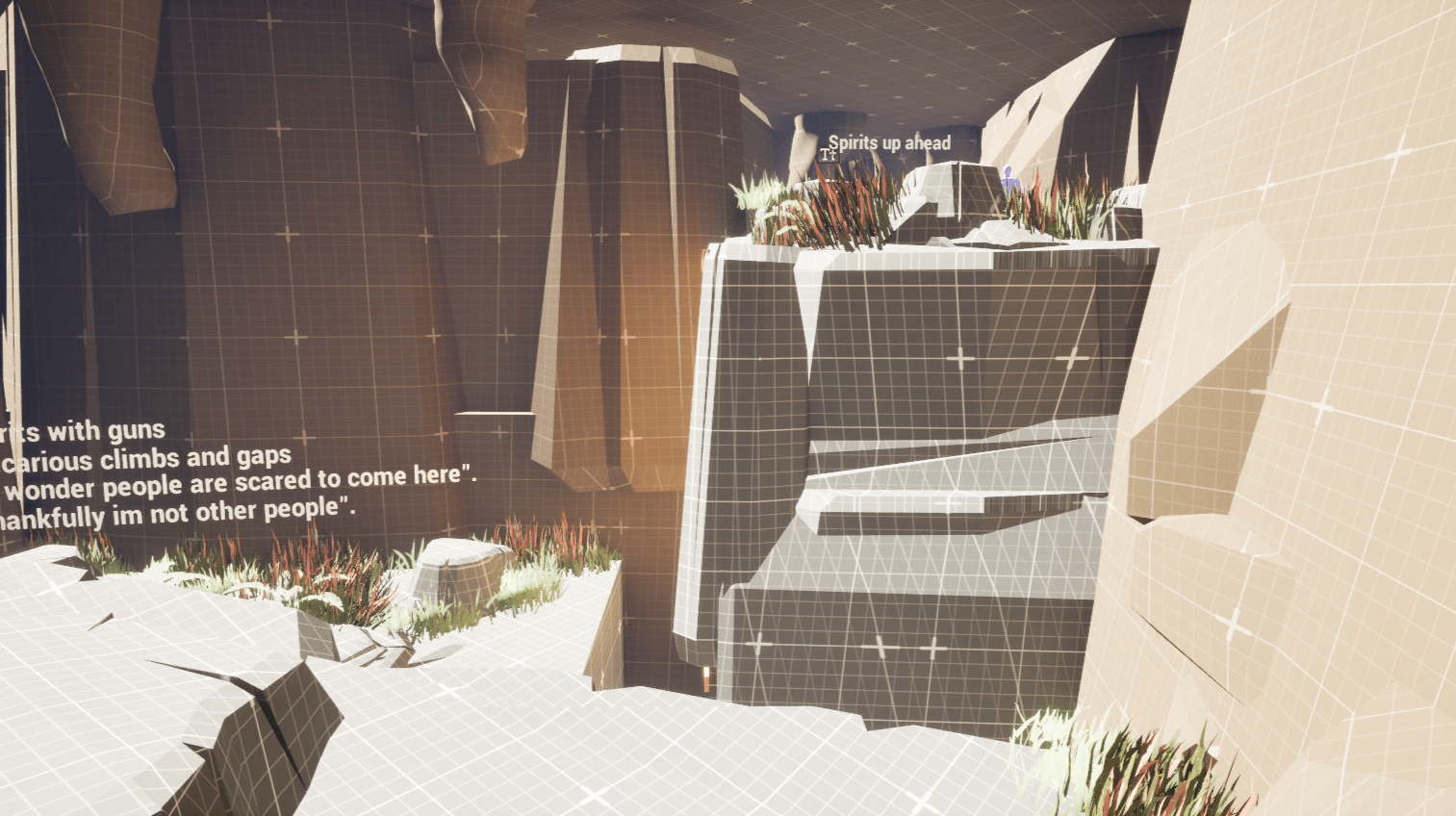
Technique & use-case: I used glowing objects, painted trails on the ground, and strategically placed environmental gaps to subtly direct the player toward their next objective.
Context of use-case:Distant torches served as beacons, drawing the player’s eye toward key locations and guiding progression. Additionally, narrow trails surrounded by taller grass helped subtly shape the intended path.
Technique Detail:
- Guiding light: Distant torches were used to subtly guide the player, drawing their attention toward key paths and objectives.
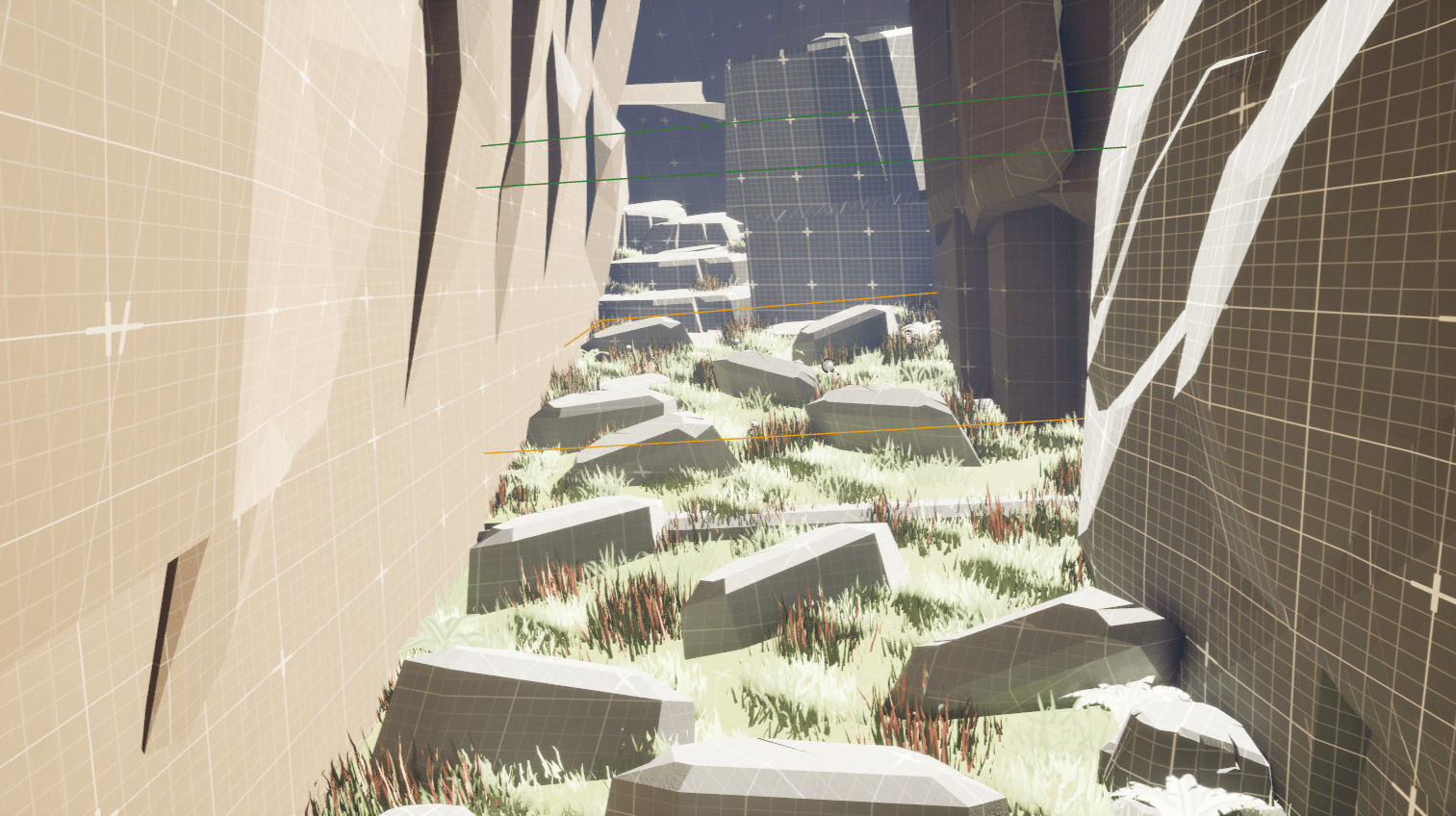
- Pathways: Trails bordered by taller grass were used to subtly guide the player, creating a visual flow that encourages movement along the intended route.
- Opening gaps: Open pathways were used to signal navigable areas, helping players intuitively understand where they could move to next.
Technique Highlight: Cover in Combat Encounters
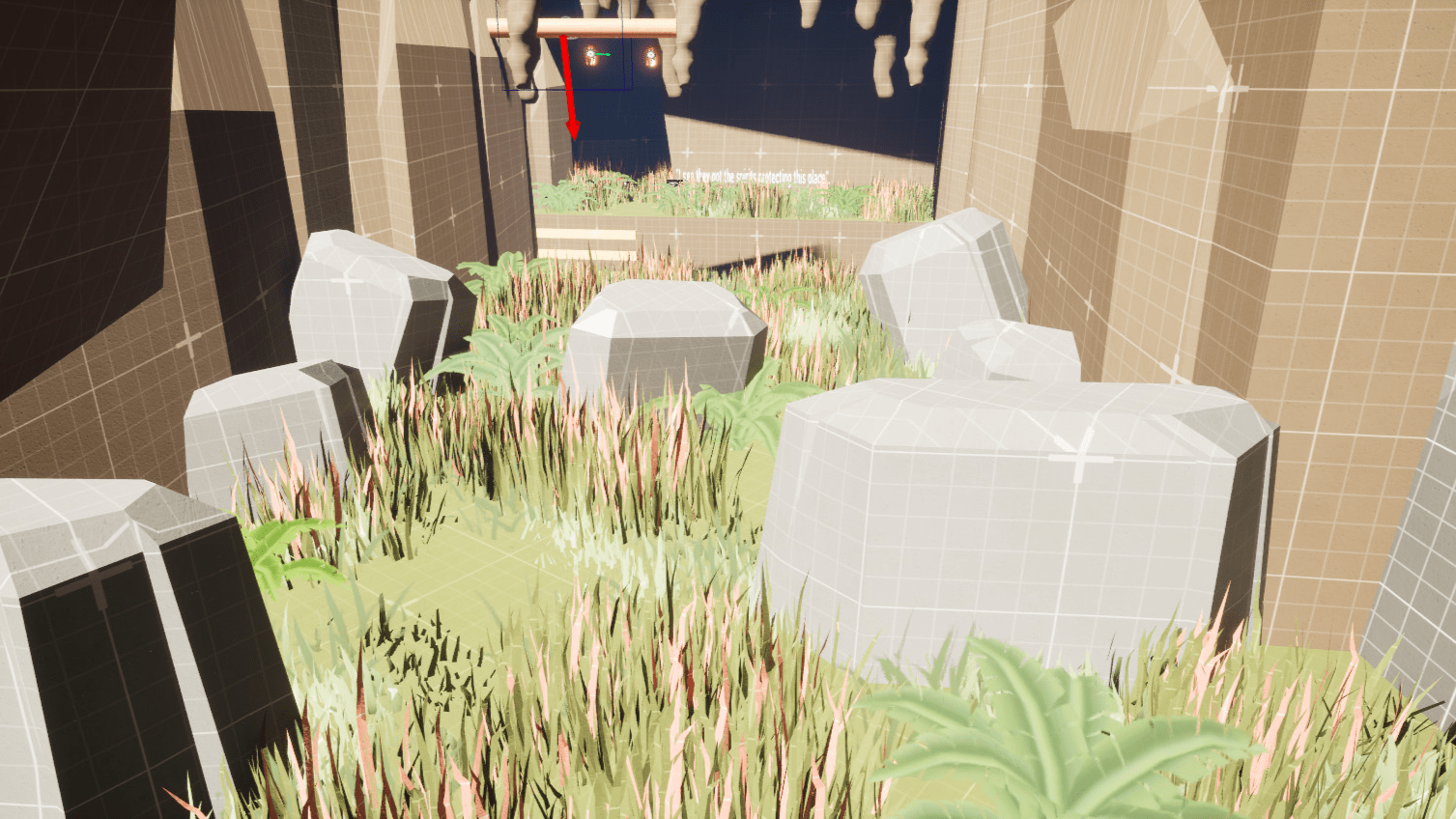
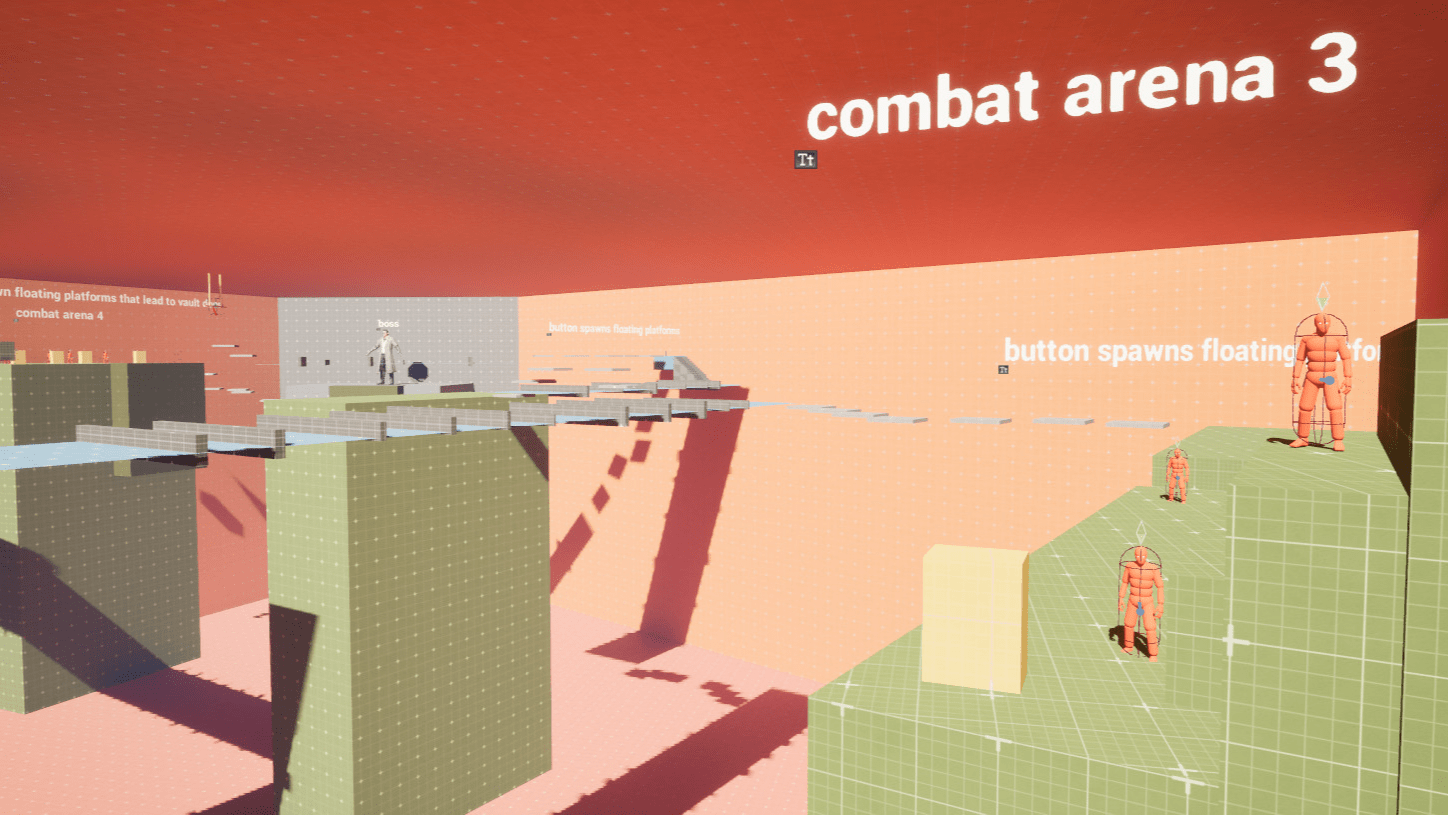
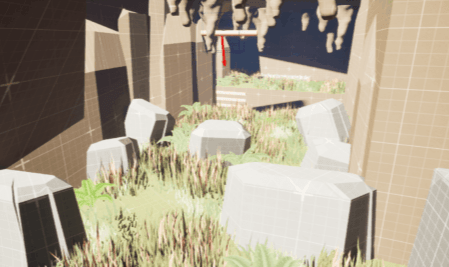
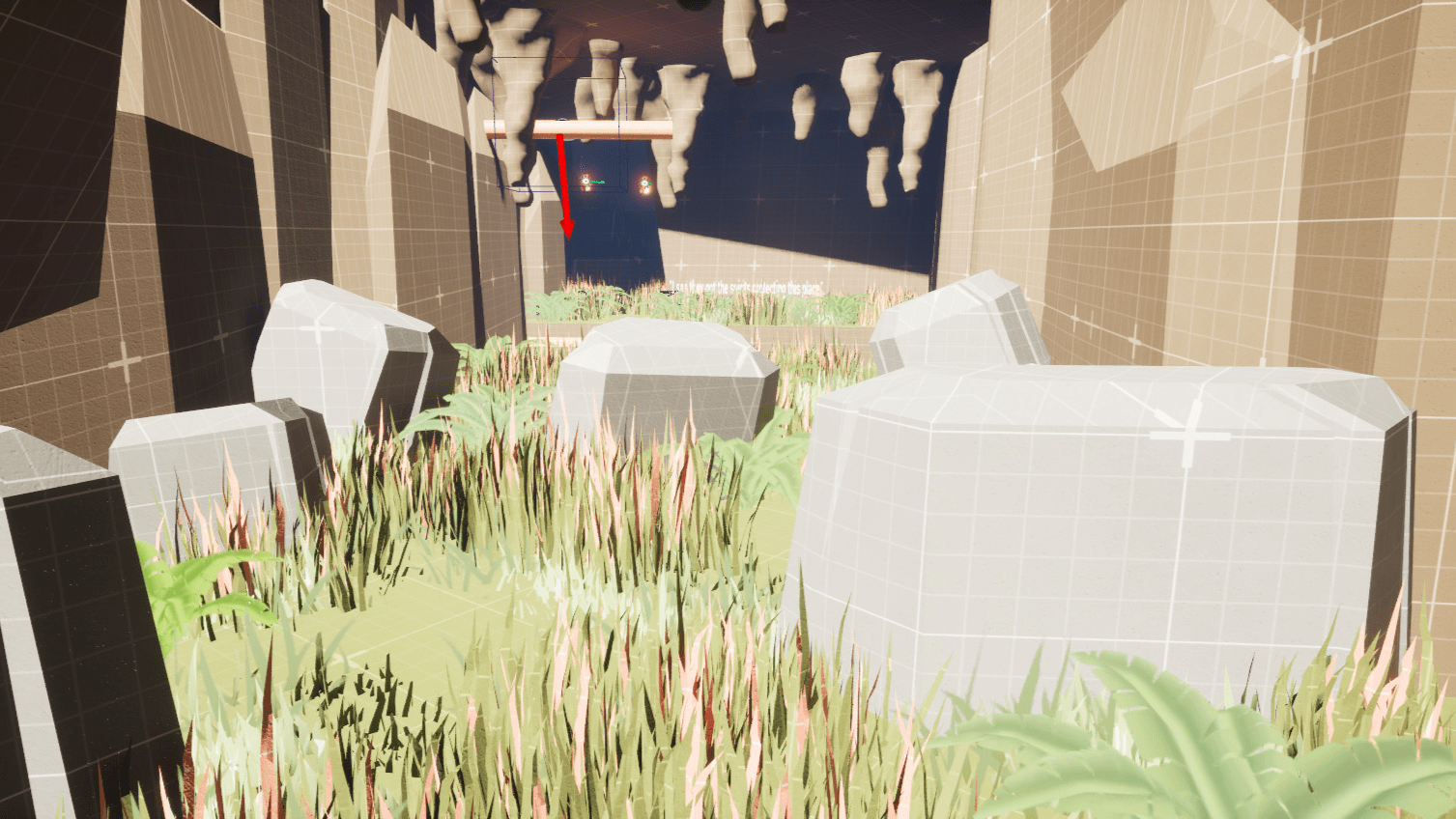
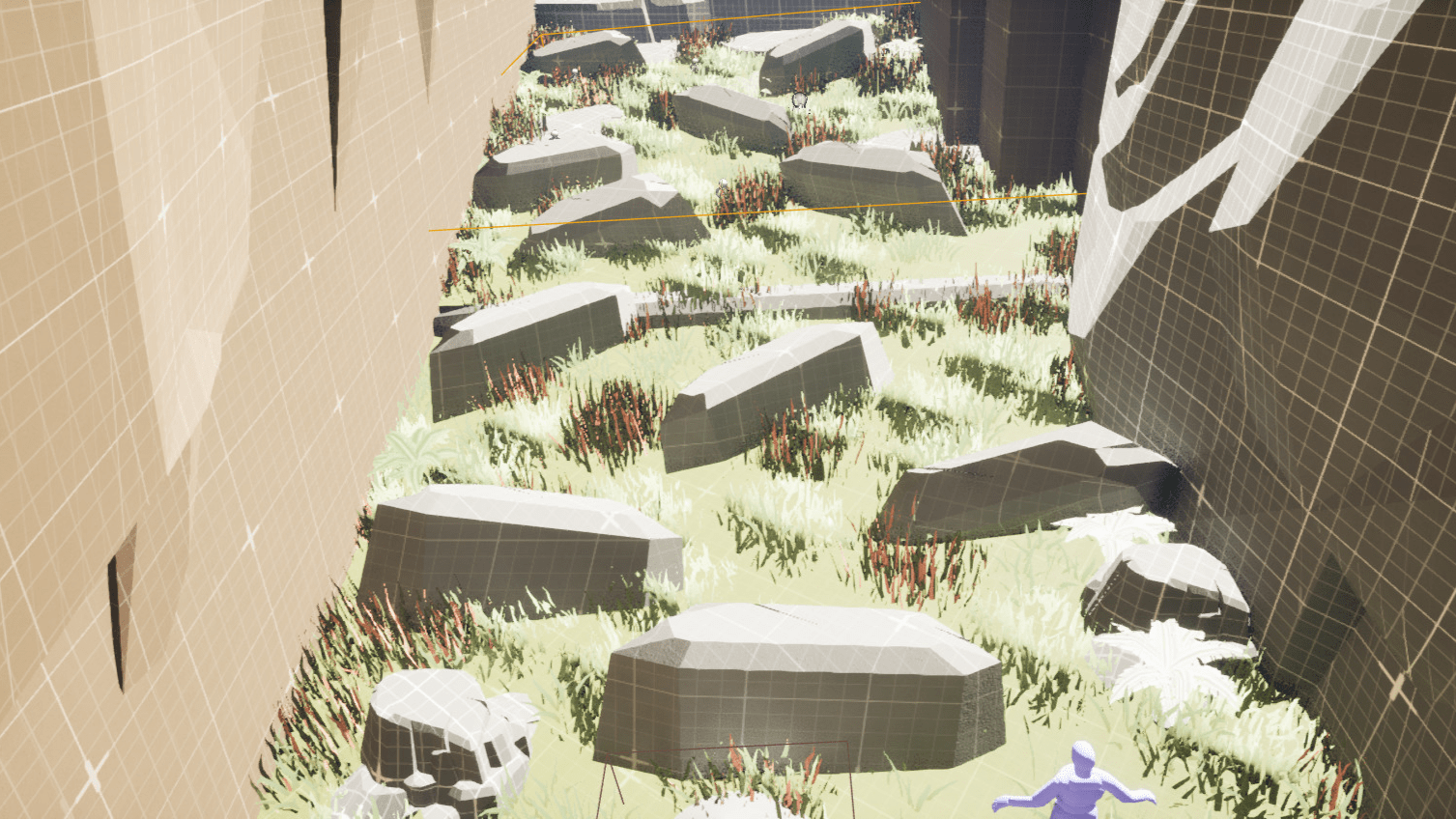
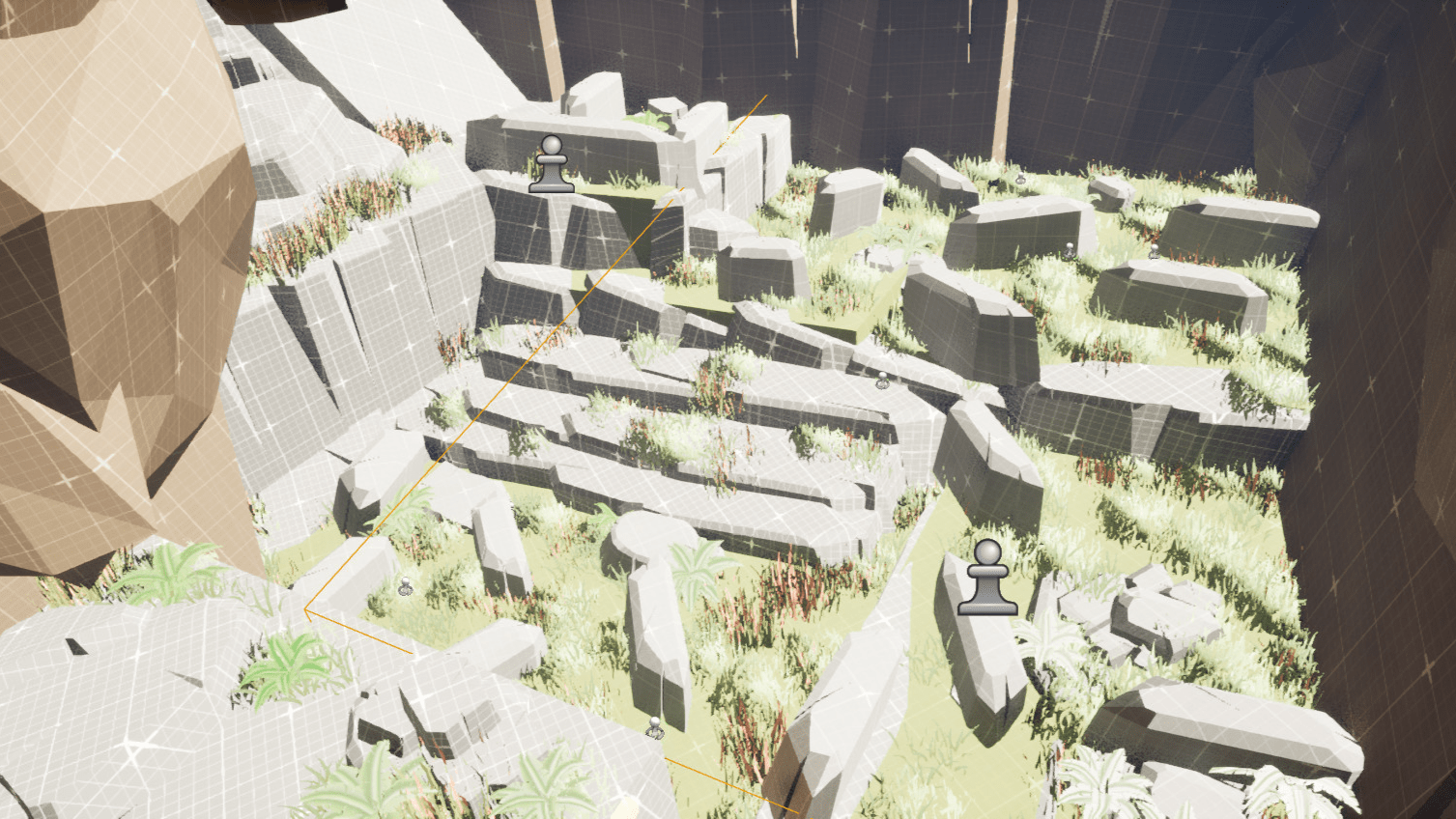
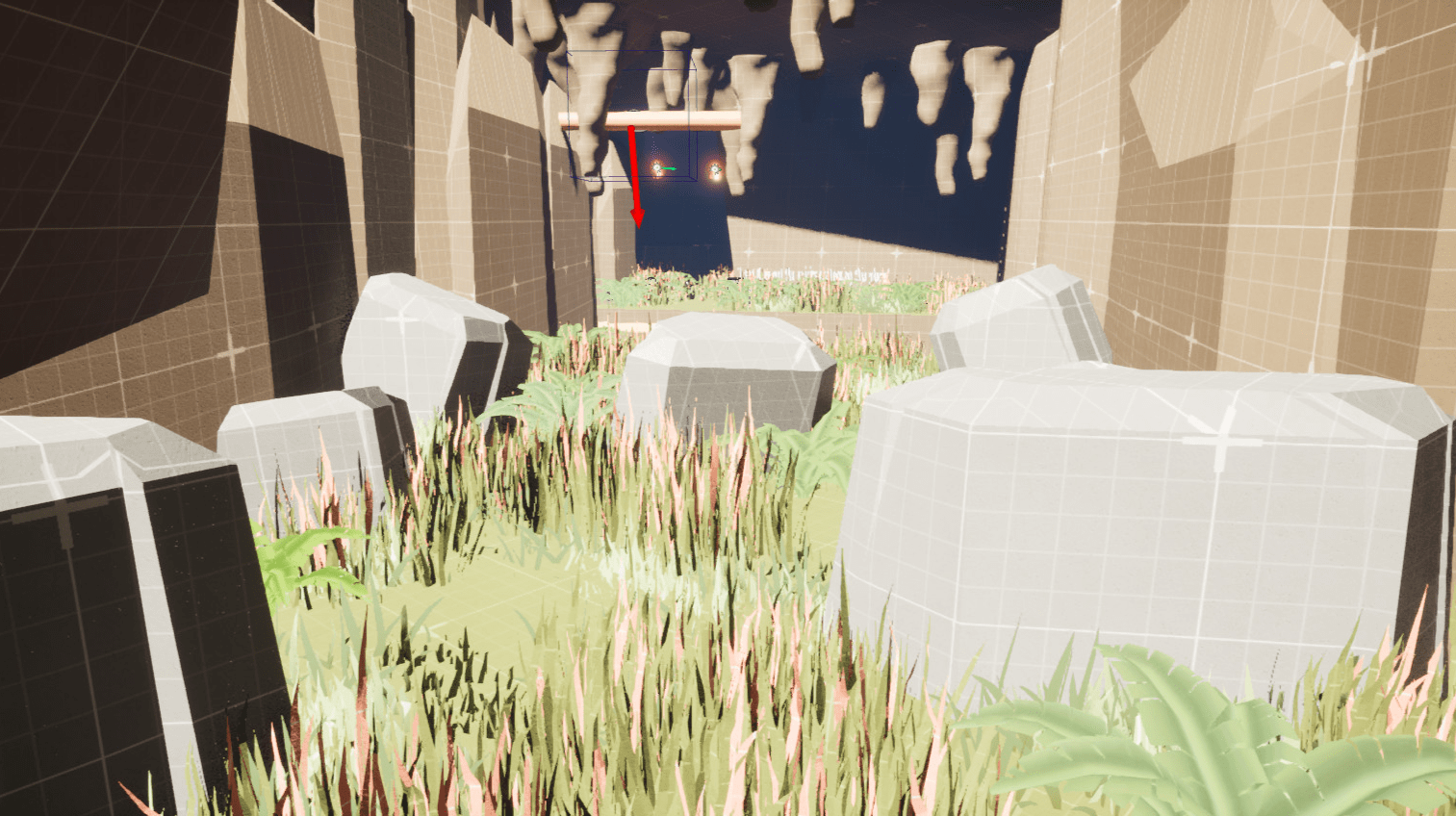
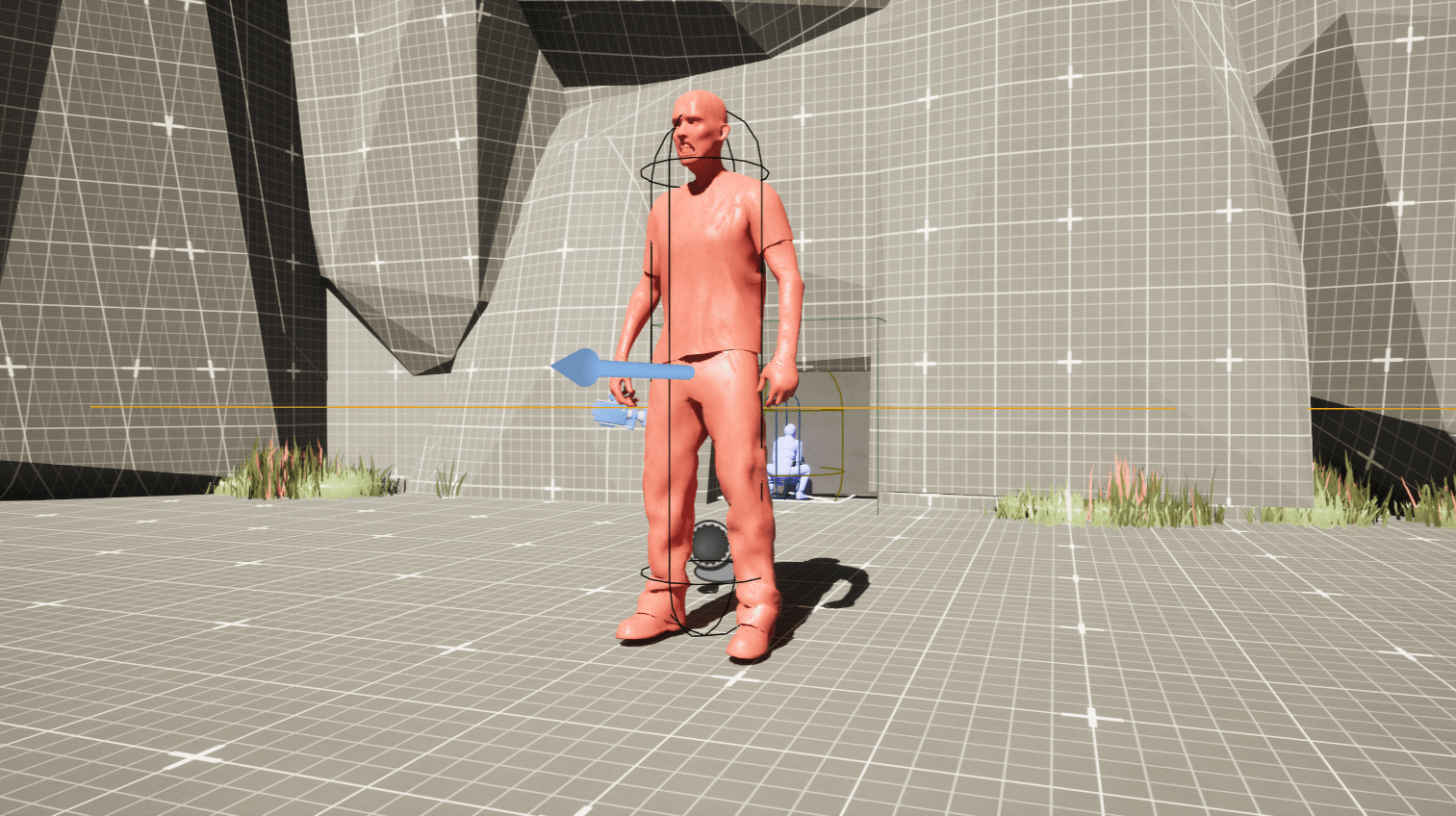
Technique & use-case: Large rock formations were placed strategically within combat zones to provide the player with natural cover from enemy gunfire, allowing for tactical movement and moment to moment decision making during encounters.
Context of use-case:Cover was intentionally placed in areas where enemy NPCs patrol, giving players tactical options and opportunities to engage enemies head on with a positional advantage.
Technique Detail:
- Protect: Large rocks placed in enemy territory provide the player with natural cover from enemy gunfire.
- Counter: Players can use the rocks to flank enemies and catch them off guard when distracted, creating opportunities for surprise attacks.
Technique Highlight: Storytelling Elements And Environmental World-Building
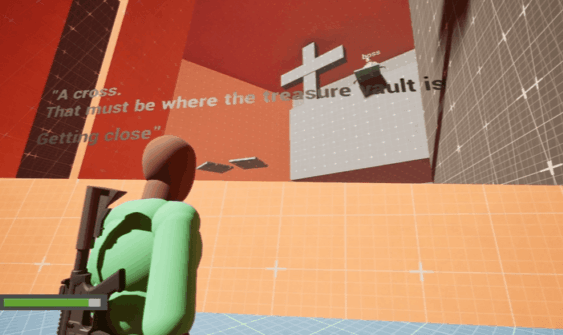
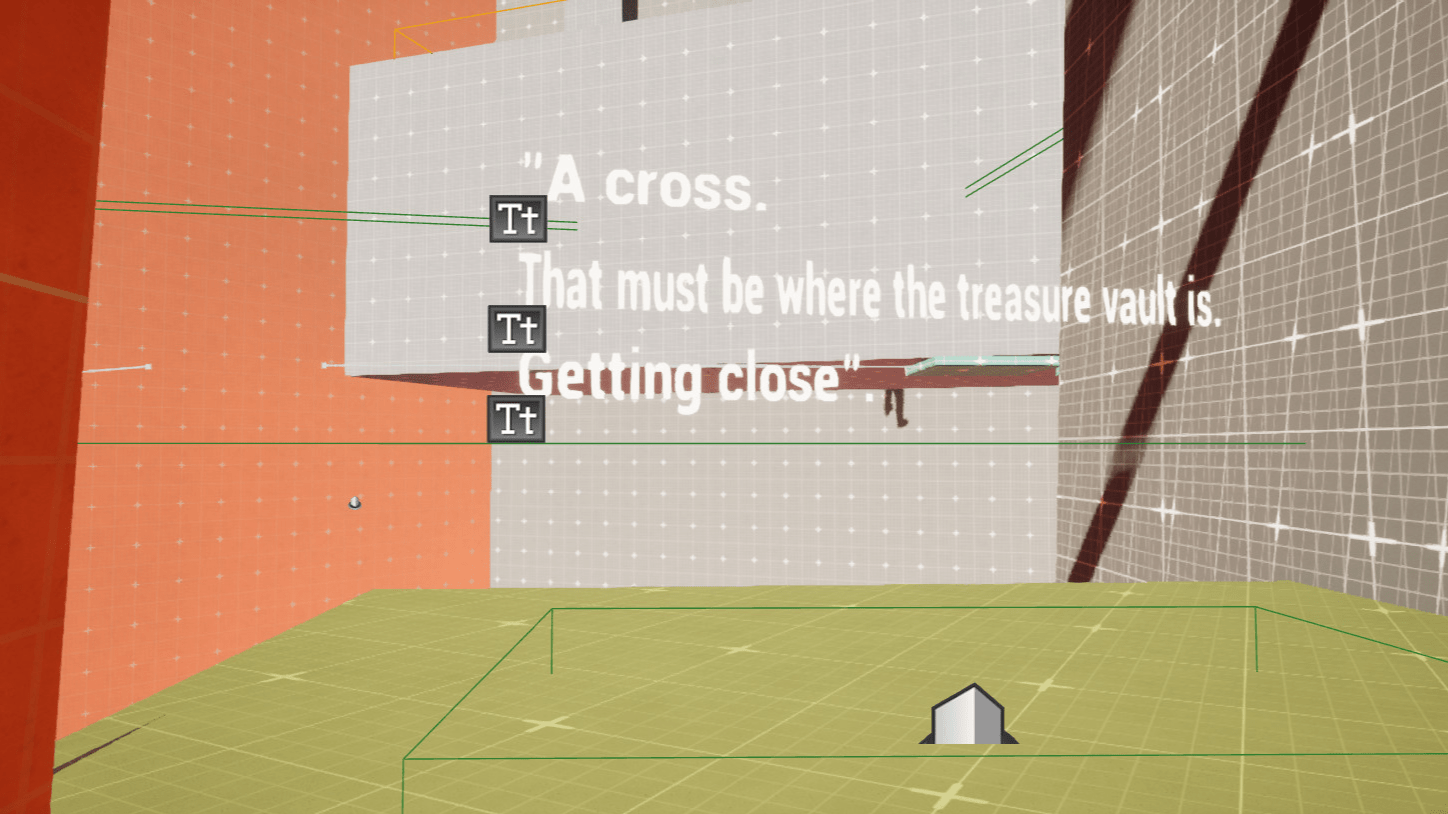
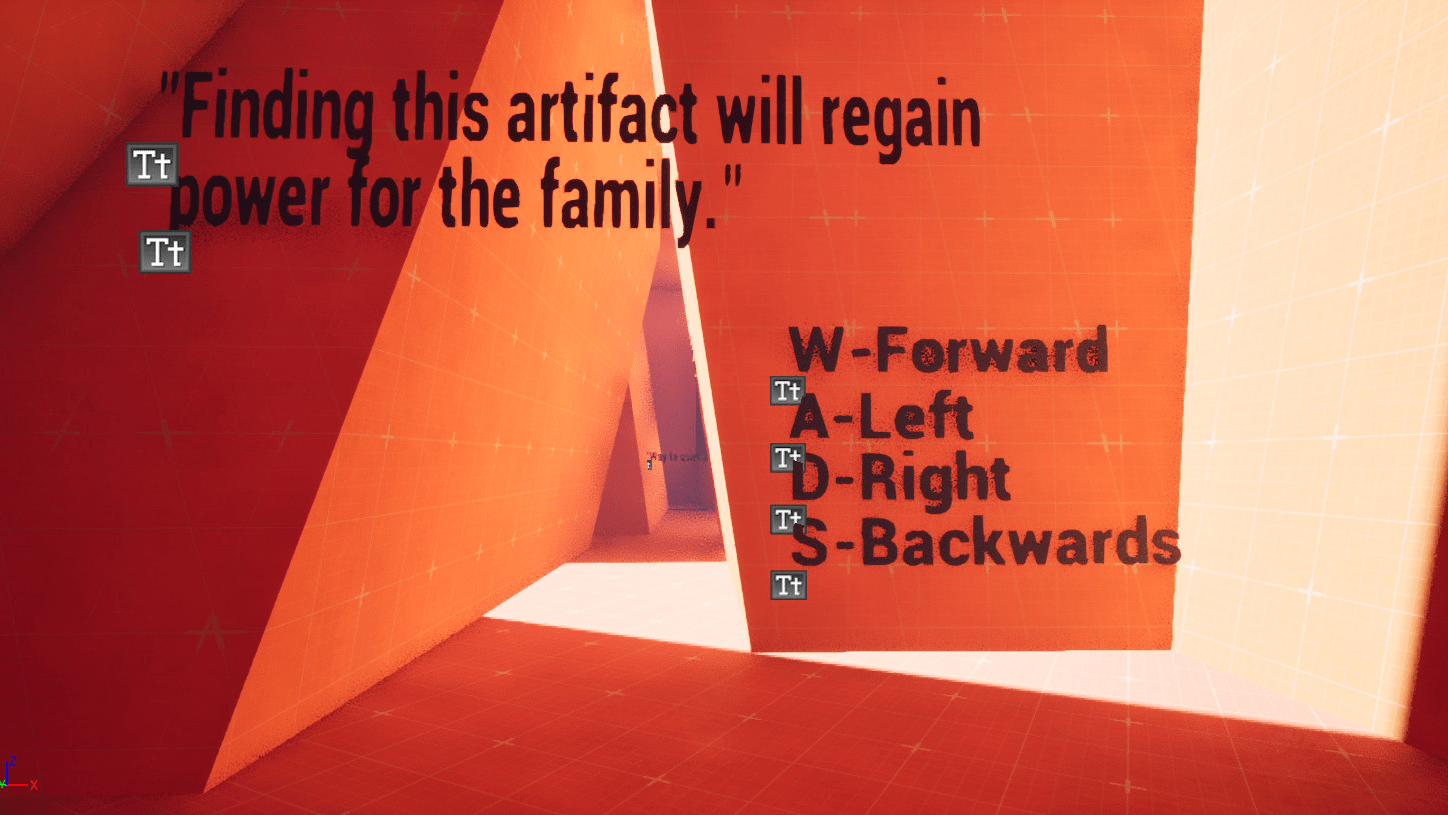
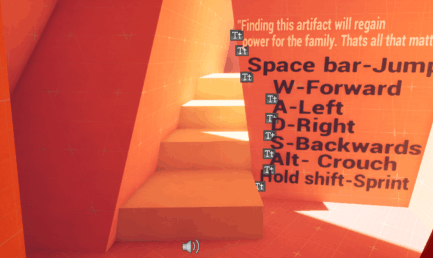
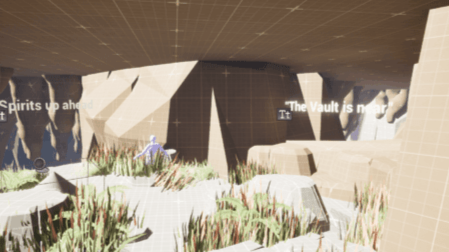
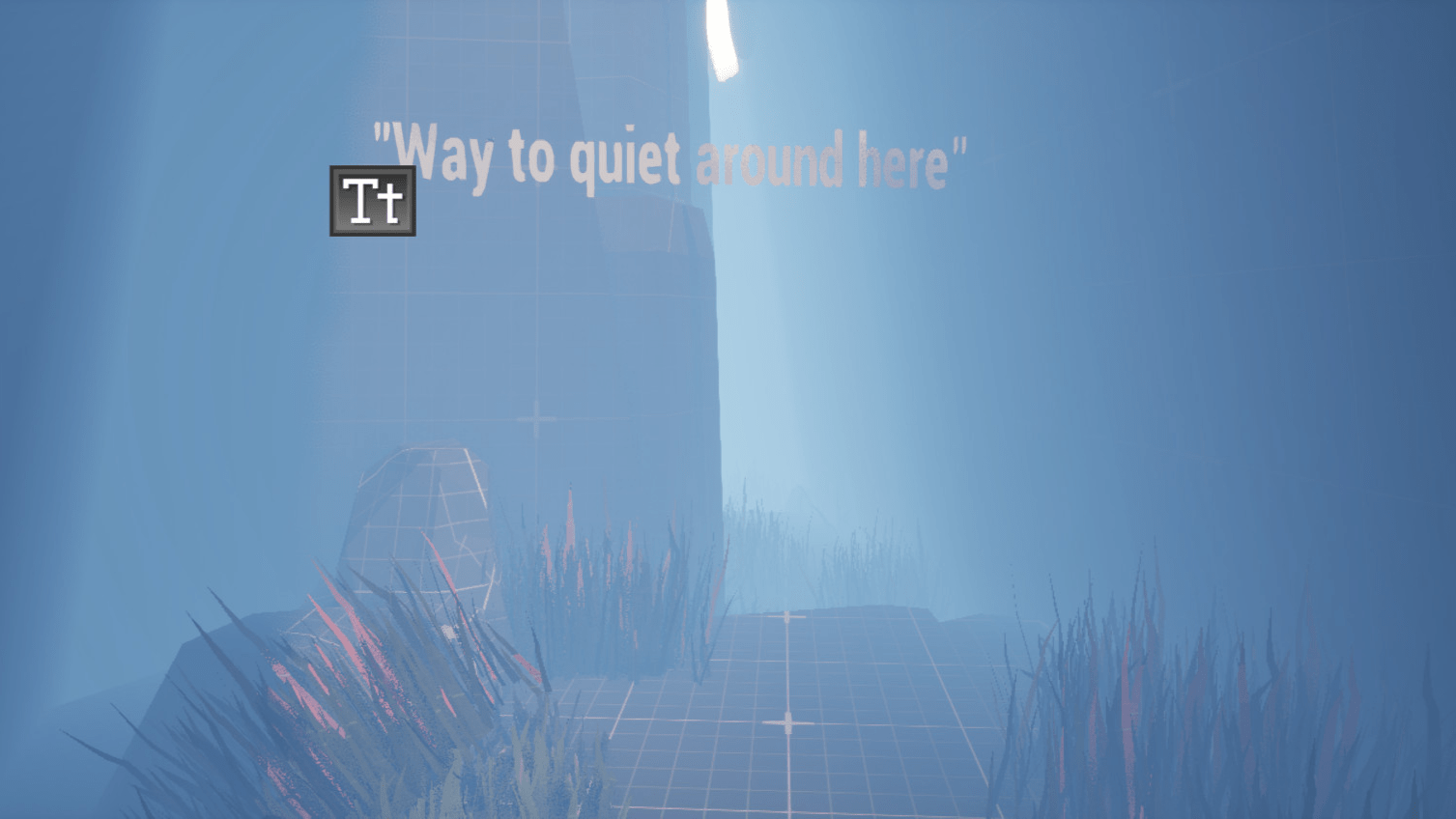
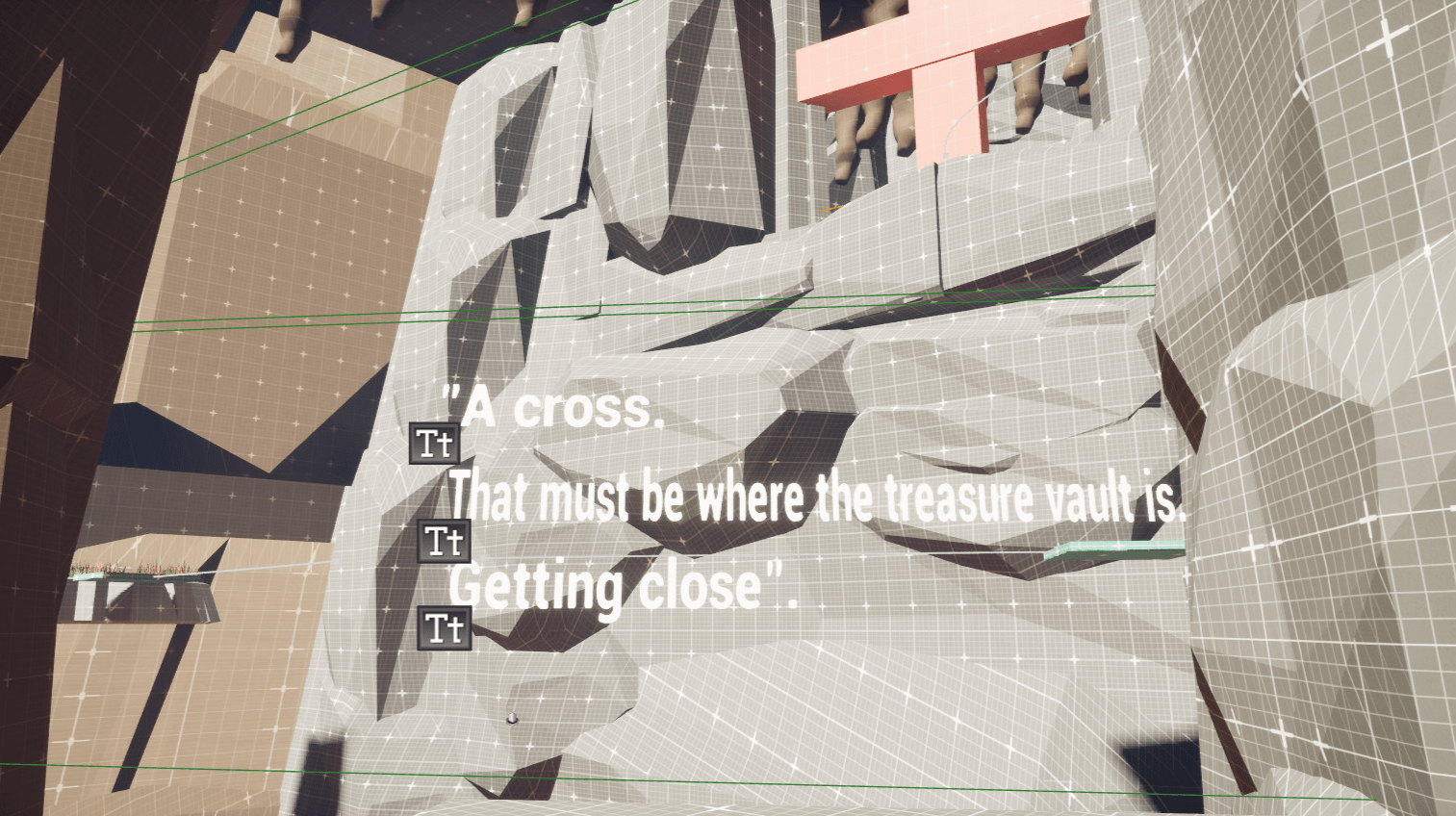
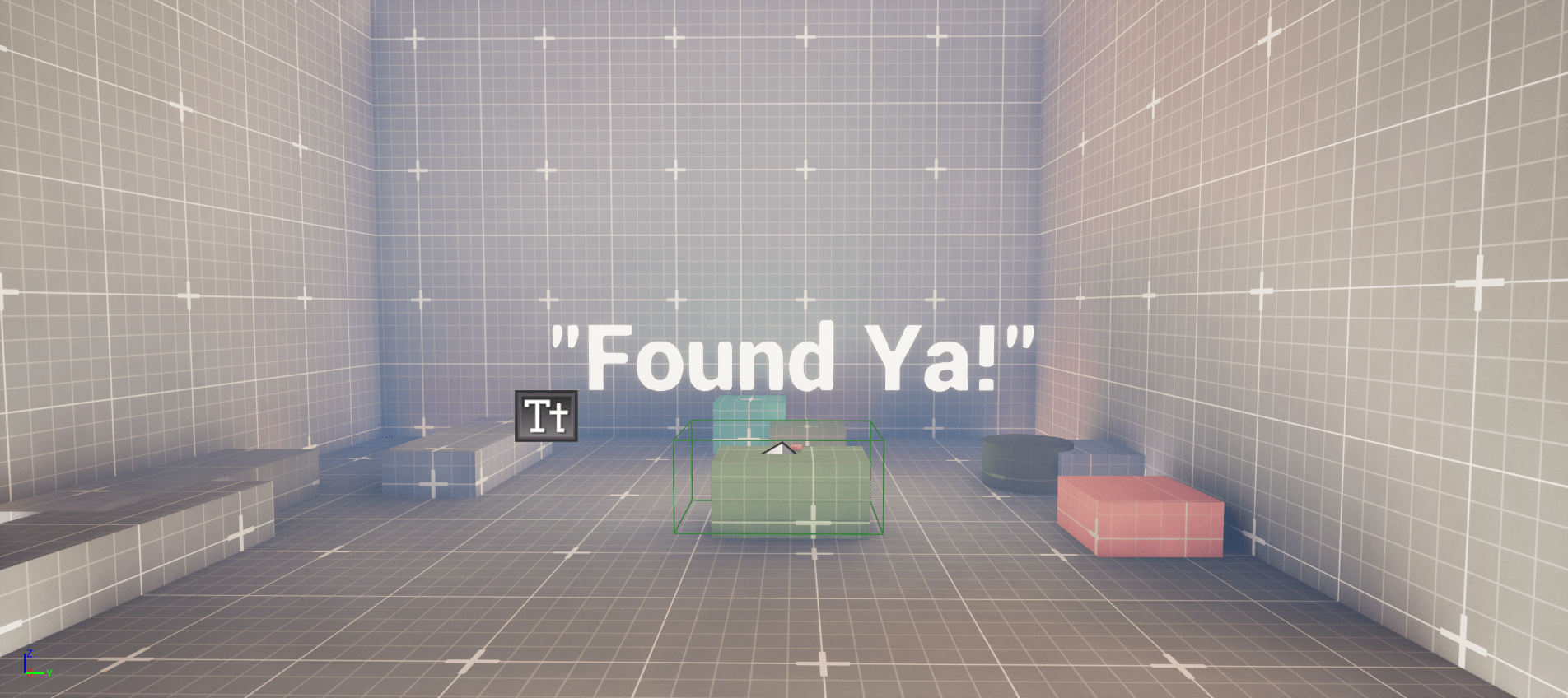
Technique & use-case: I used rocks, grass, water, and contrasting light to create striking areas of brightness and shadow, evoking awe and mystery. In-world text prompts reveal the protagonist’s thoughts, adding narrative depth and helping players connect with his journey.
Context of use-case: Consistently used rocks and grass throughout gameplay to anchor the environment and deepen the player’s connection to both the world and the protagonist.
Technique Detail:
- Opening credits and ending credits: Framed the level with story context at the beginning and resolution at the end to provide a complete narrative arc.
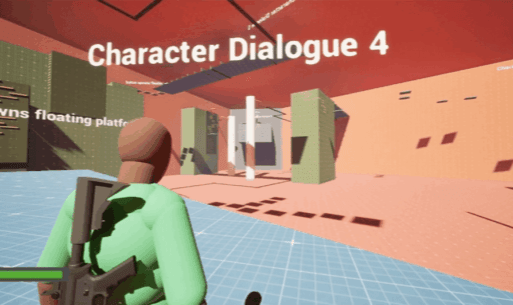
- Protagonist dialogue: Used text at key moments to reflect the protagonist’s mindset.
- Background music: Immerses the player in the world they’re navigating, highlighting moments of beauty, danger, and mystery.
- Lights and shadows for immersion: Used to create realism and mood, with intersecting light and shadow enhancing depth and atmosphere.
Walkthrough
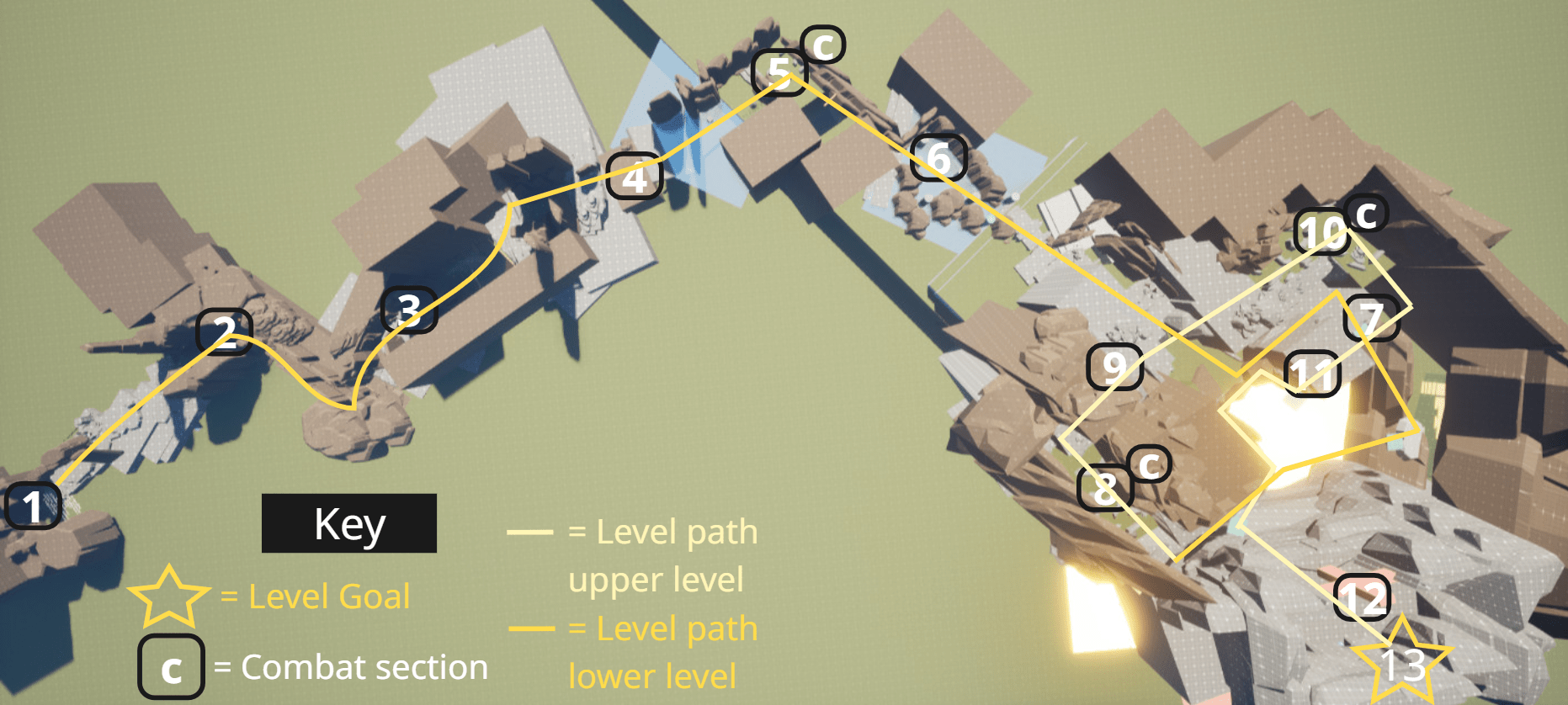
Beat 1 : The Opening
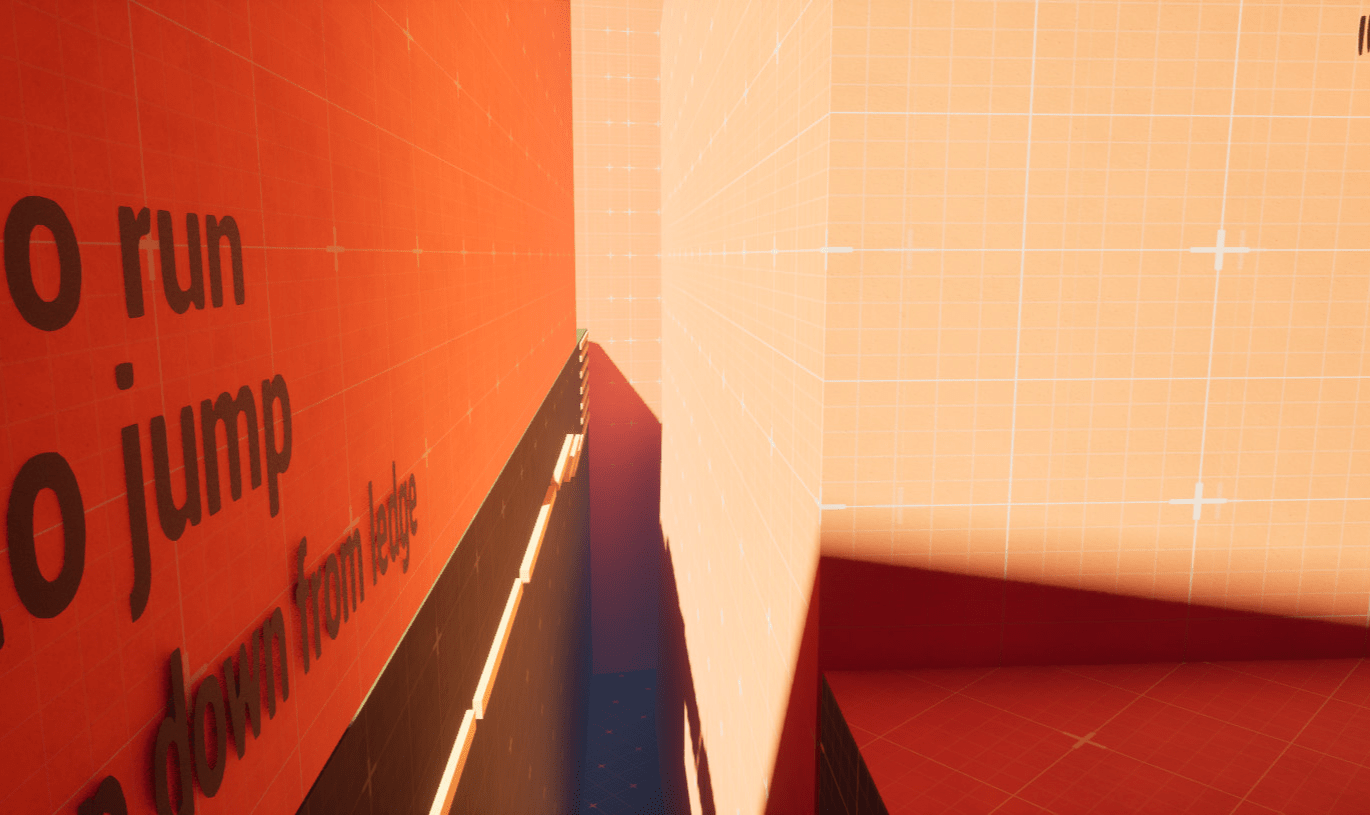
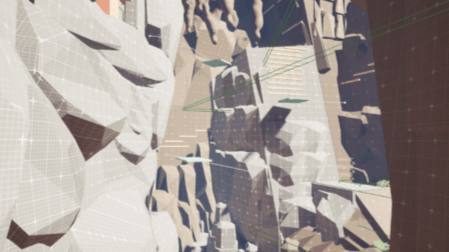
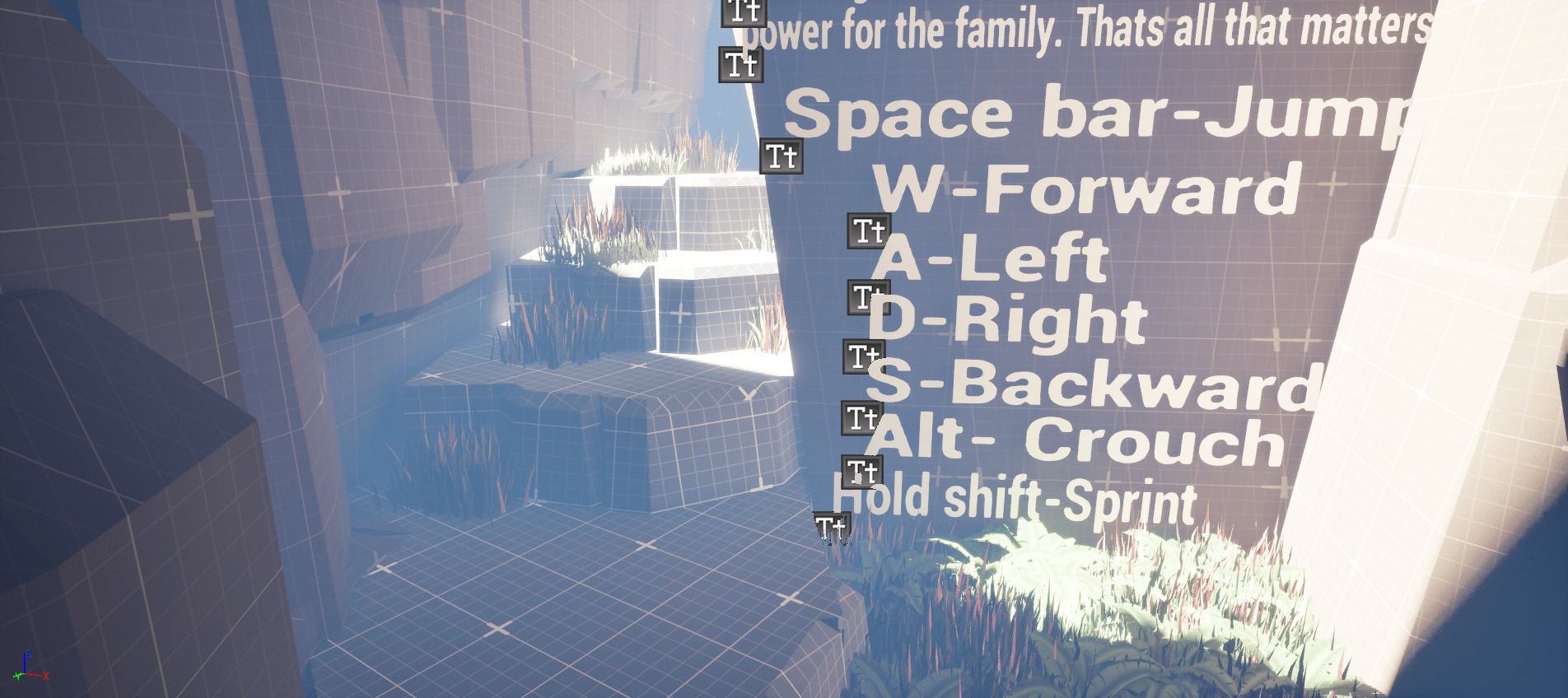
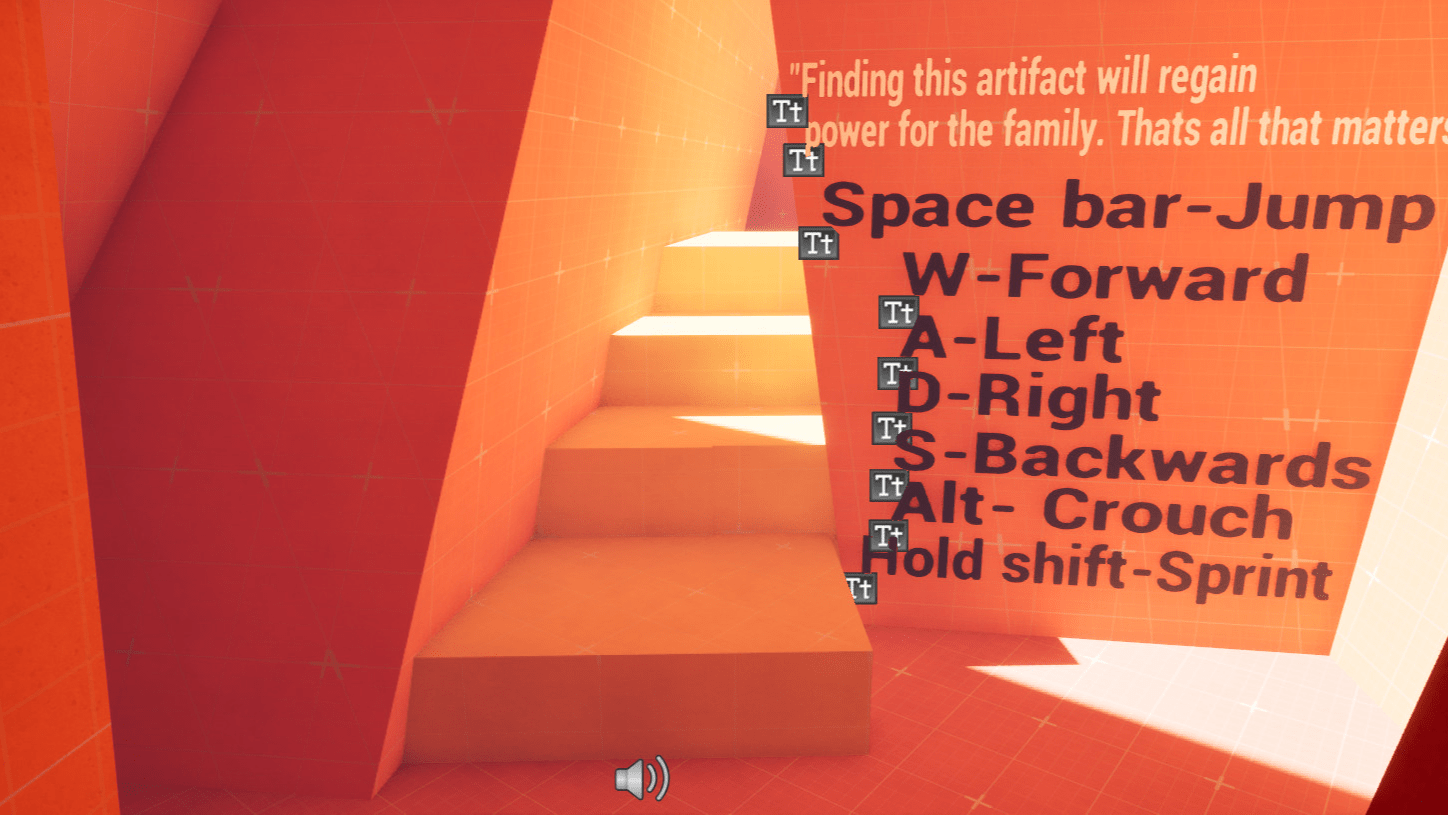
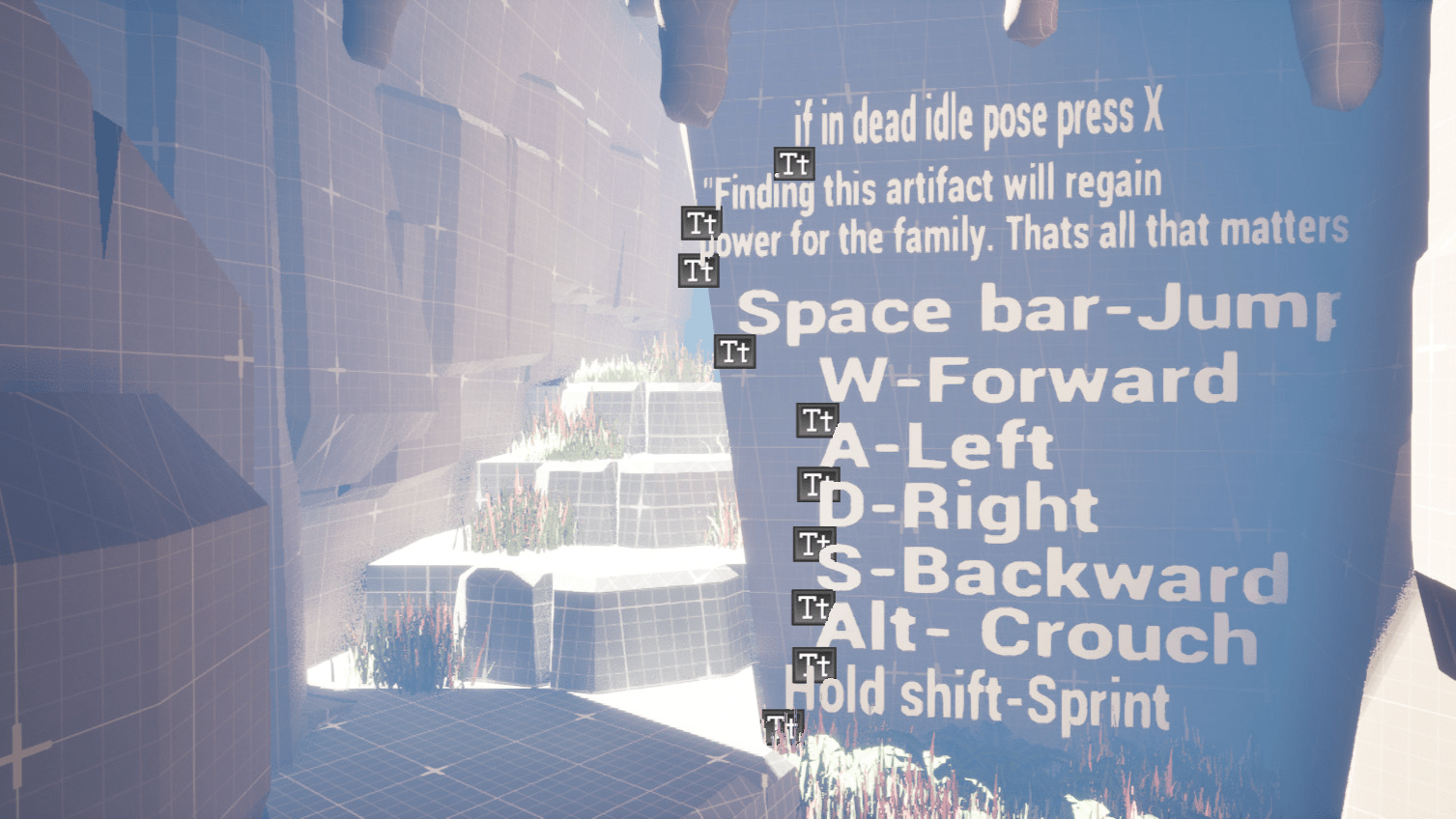
The level begins with opening credits that introduce the history of the temple and the protagonist’s mission to retrieve a family artifact from its treasure vault. The player is then immersed in the world, navigating light traversal sections through the caves that showcase the core player mechanics.
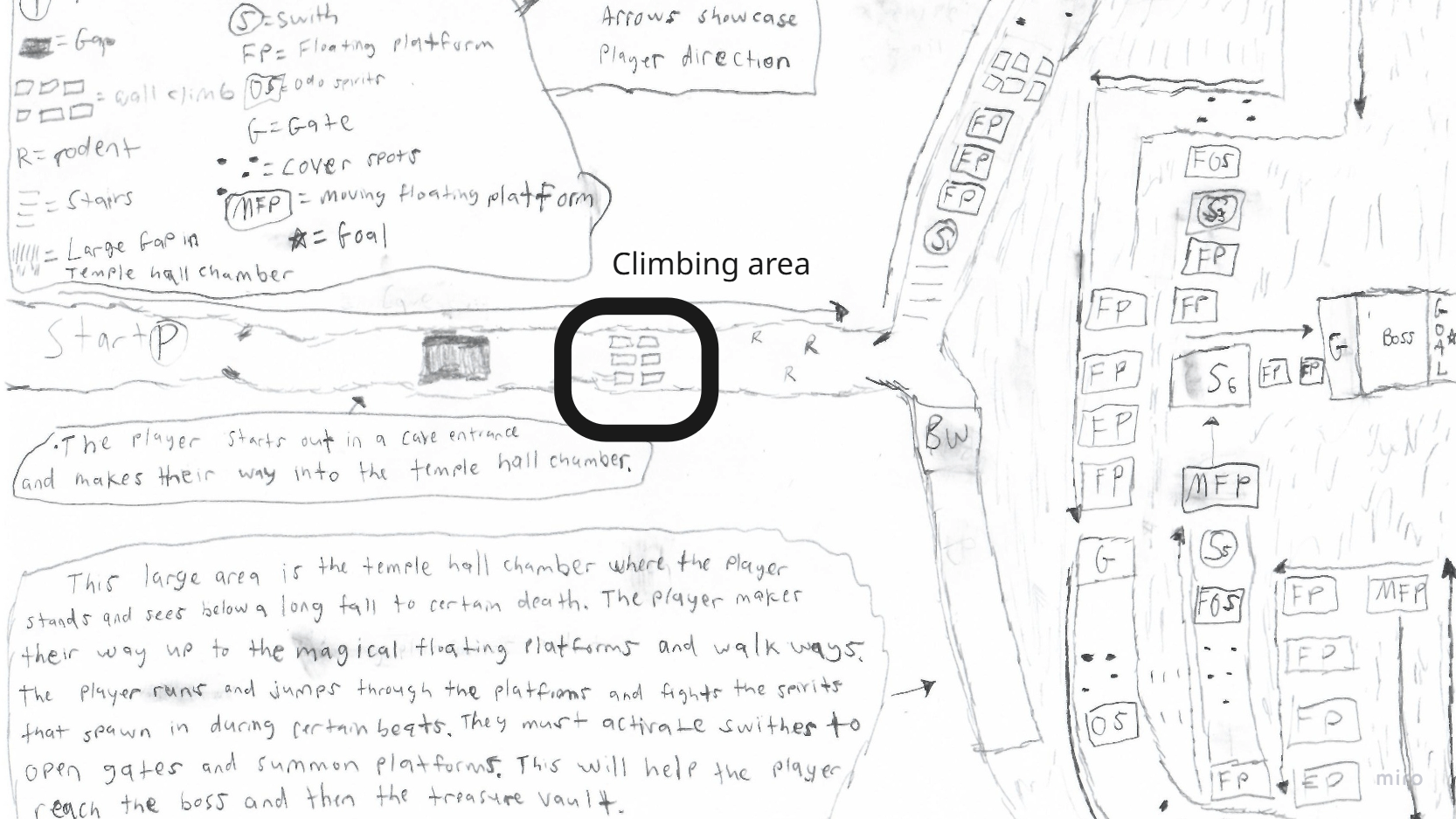
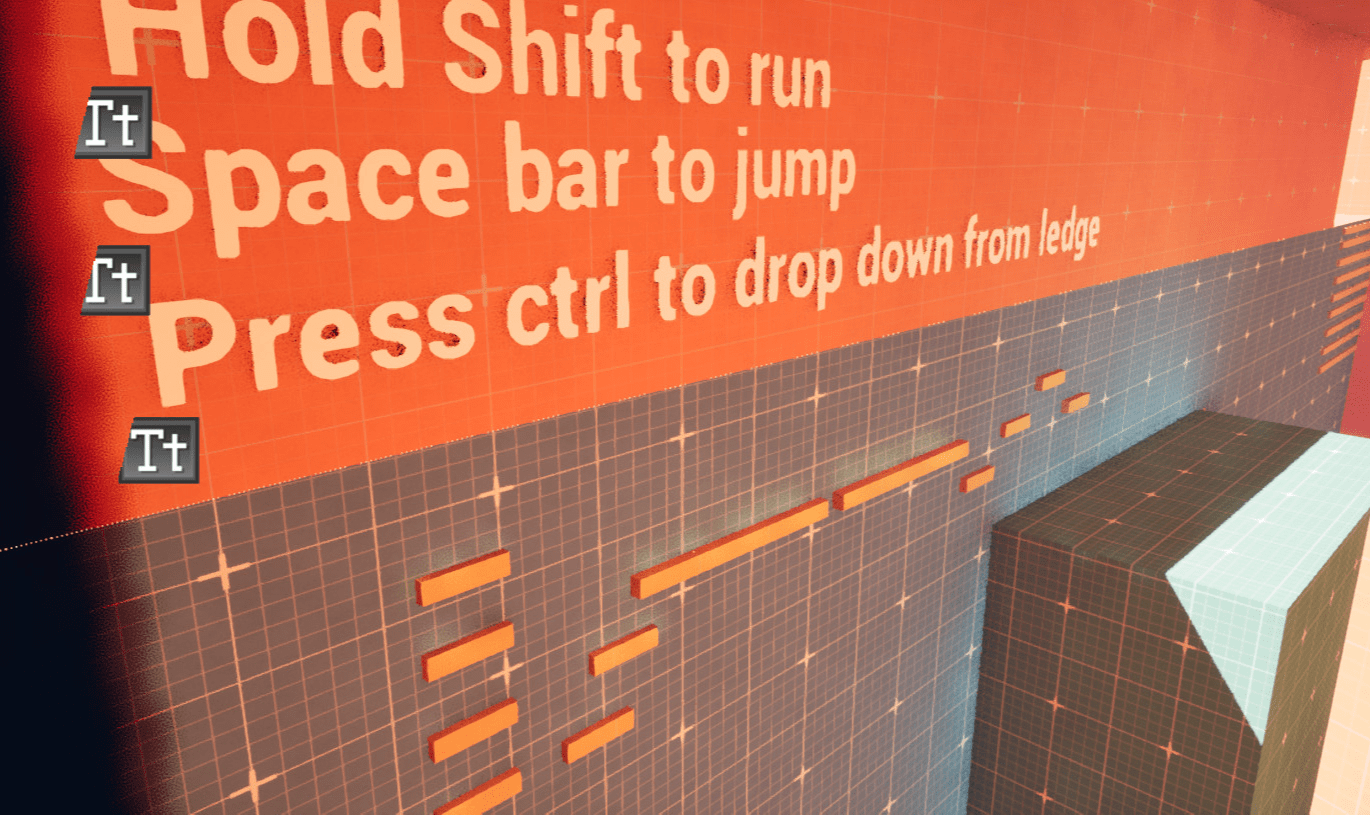
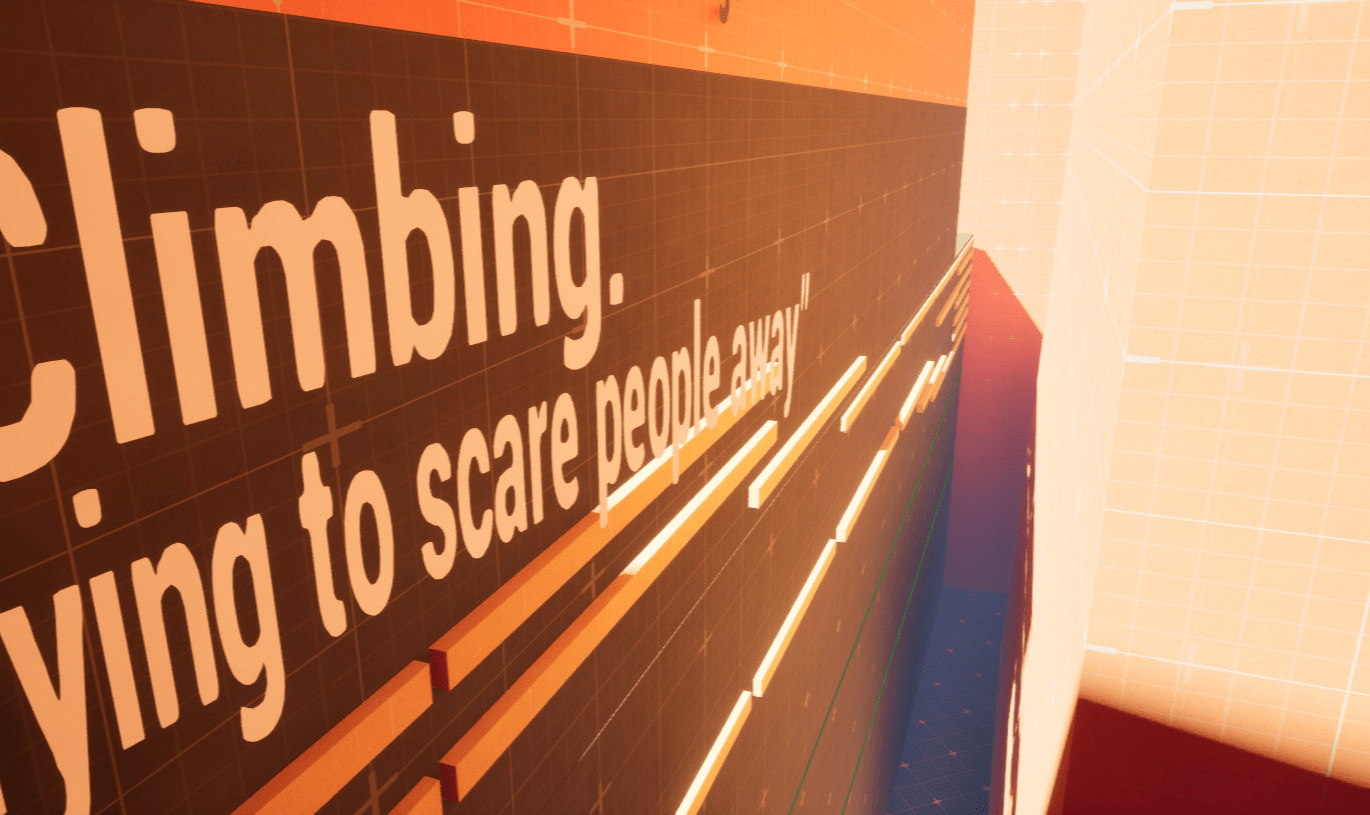
Beat 2: Climbing Tutorial
The player is introduced to climbing mechanics by navigating through a gap.

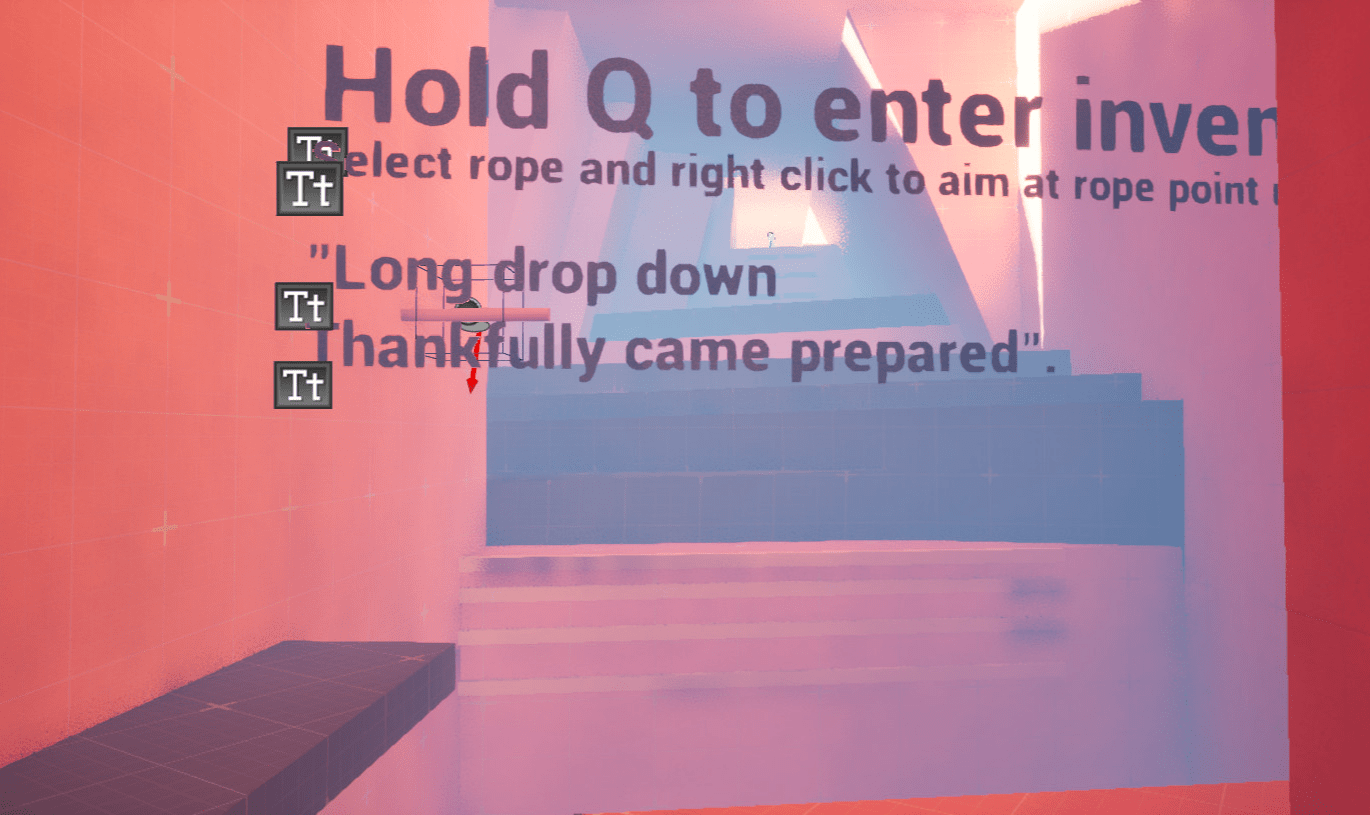
Beat 3: Rope Traversal
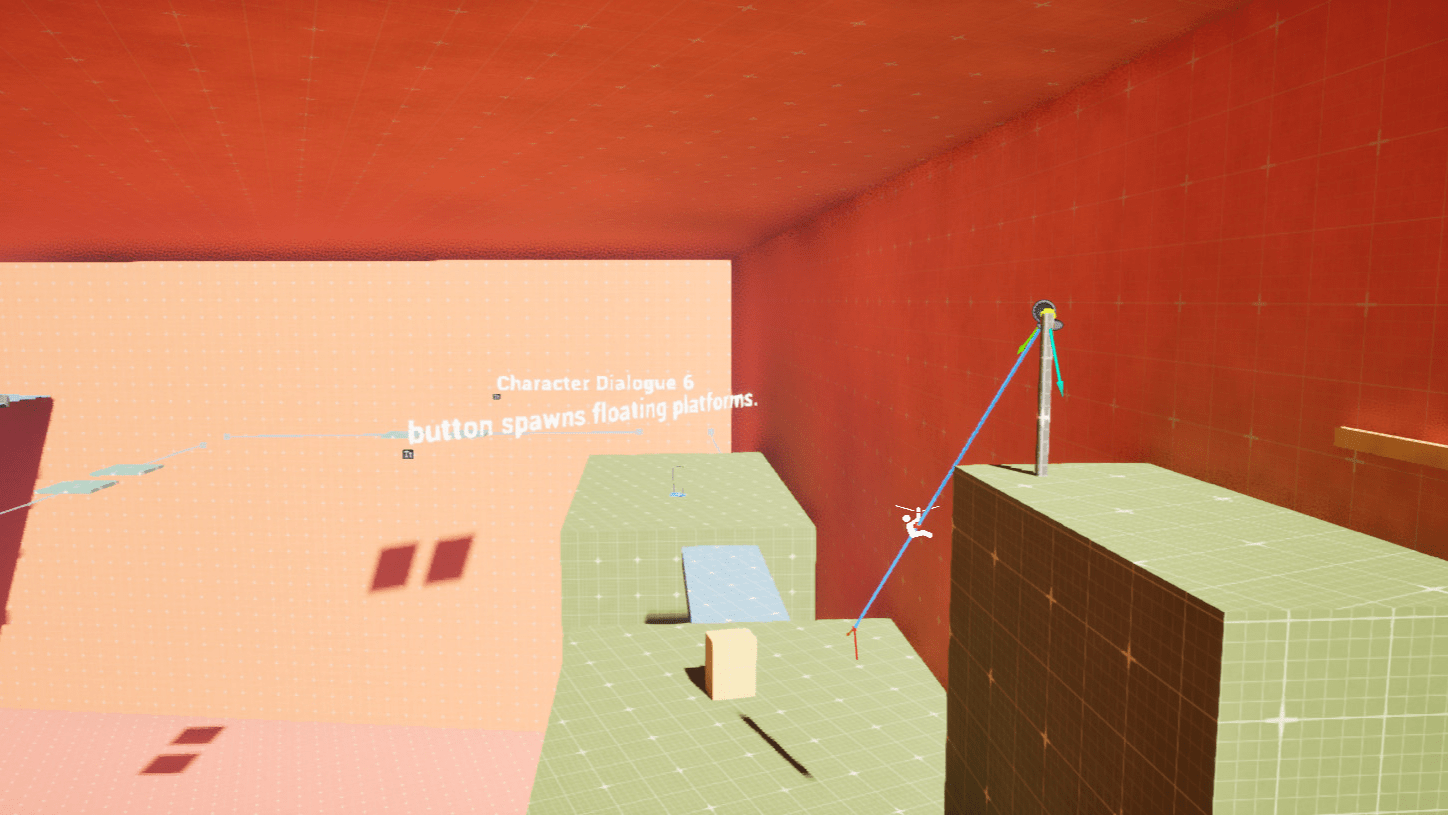
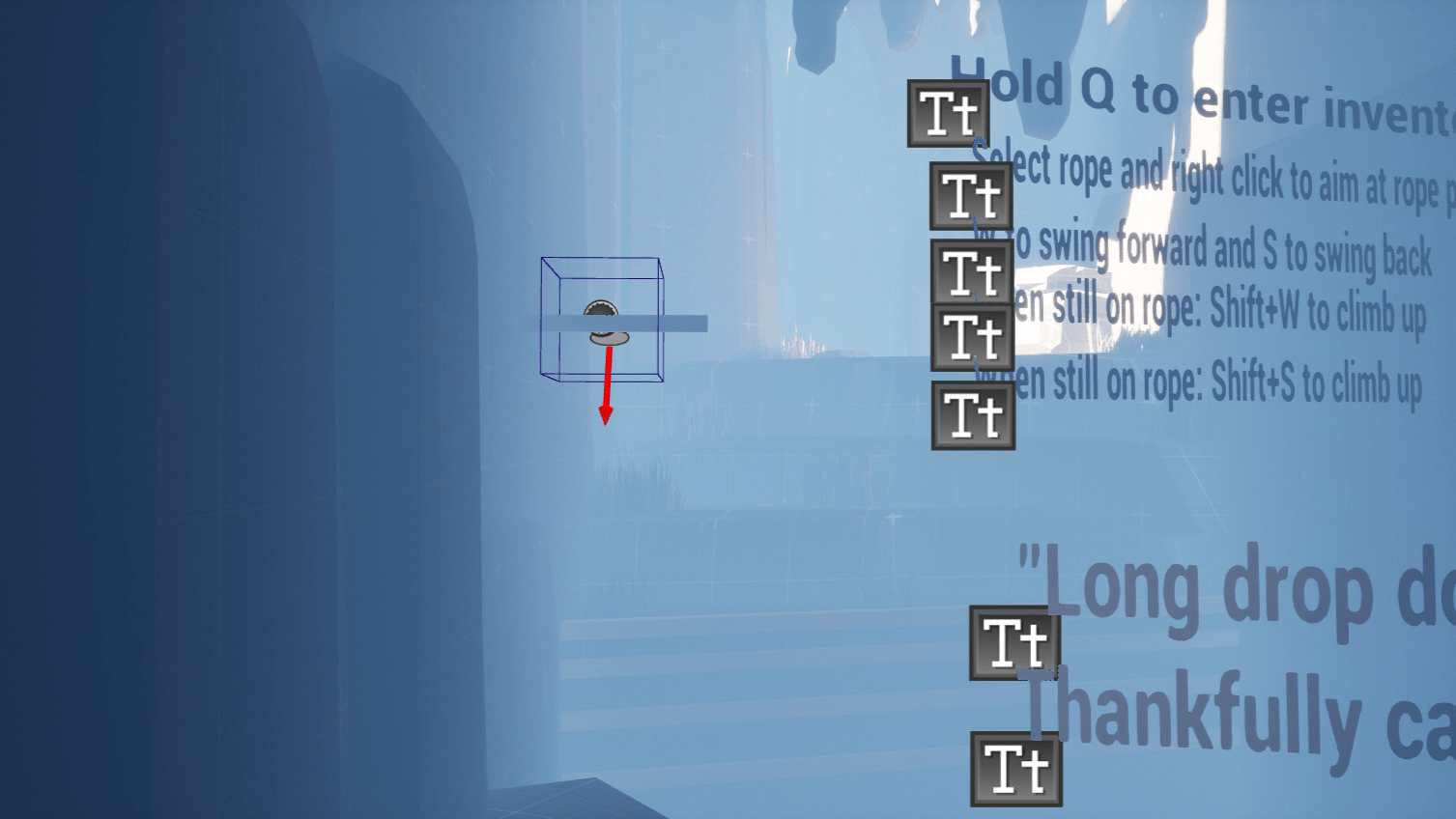
The player is then introduced to rope traversal by swinging across a gap.

Beat 4: Swimming Introduction
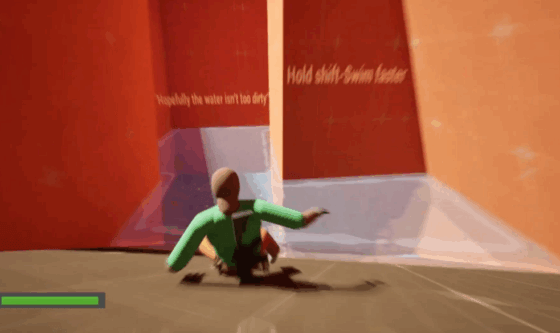
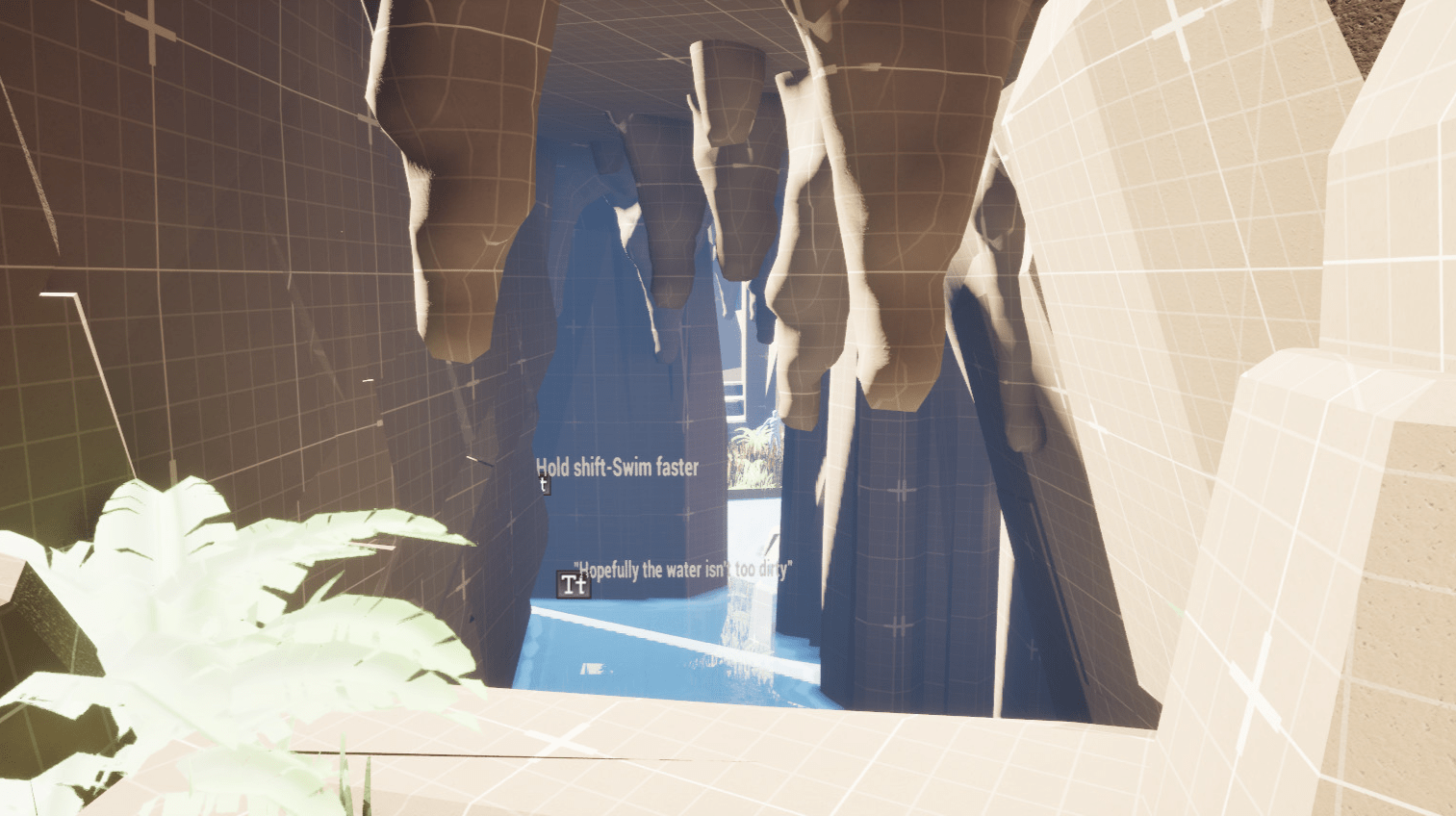
The player is introduced to swimming mechanics by crossing a body of water to reach dry land.

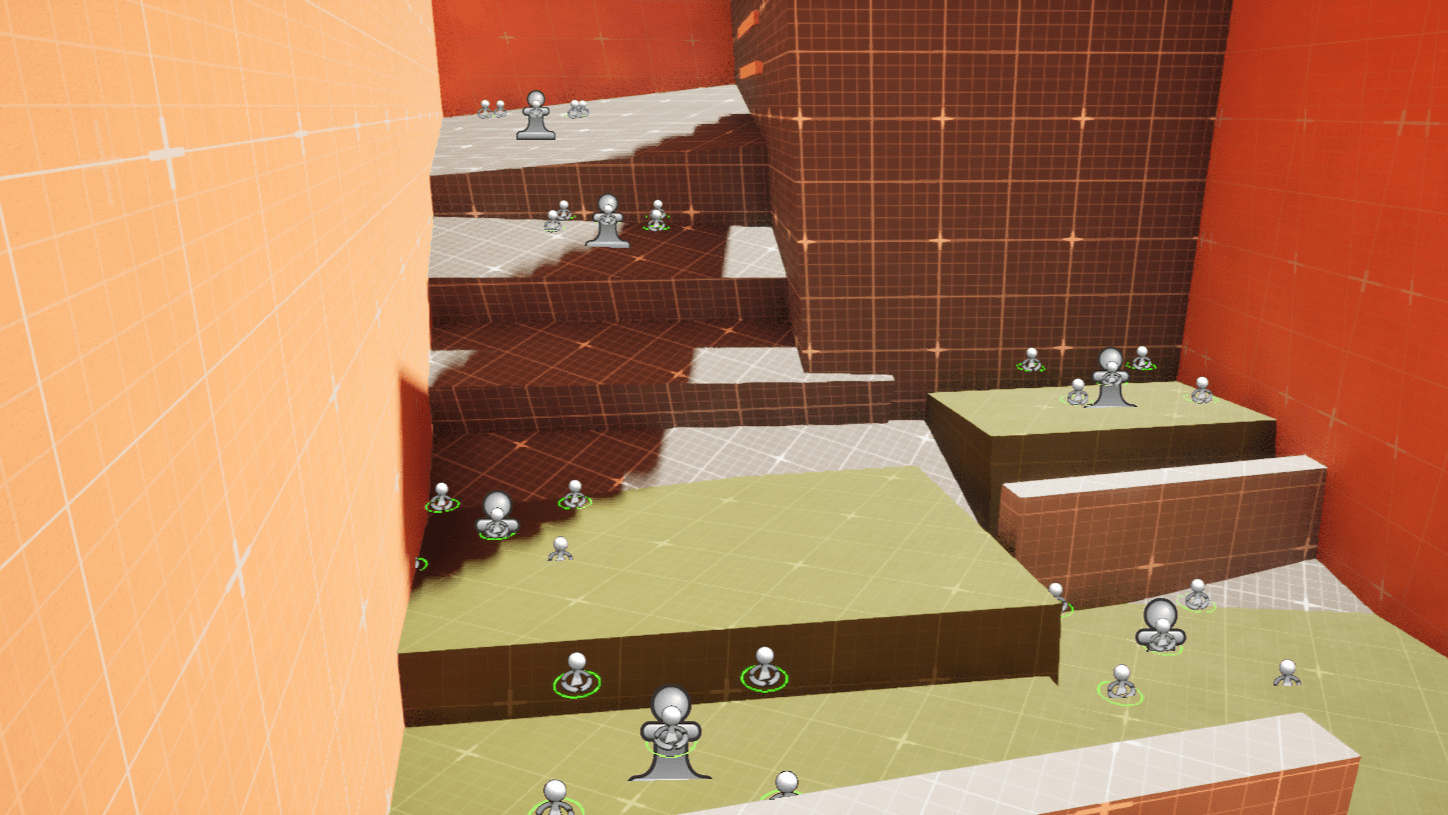
Beat 5: Combat Introduction
The player enters the first combat encounter with enemy NPCs, serving as a tutorial for shooting mechanics.

Beat 6: Combat Introduction
The player swims and traverses through the caves to reach the large temple area, which serves as the second half of the level.

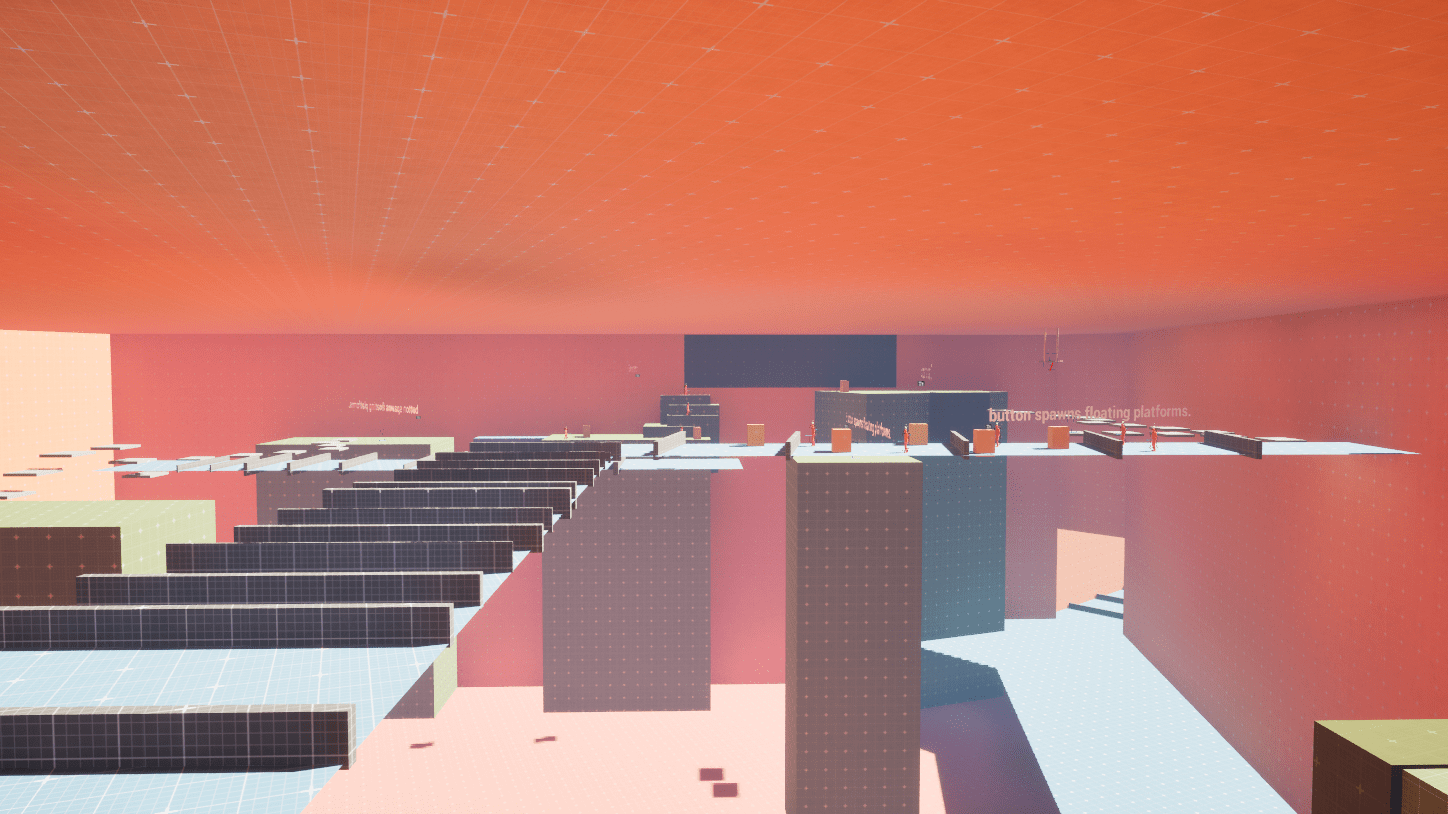
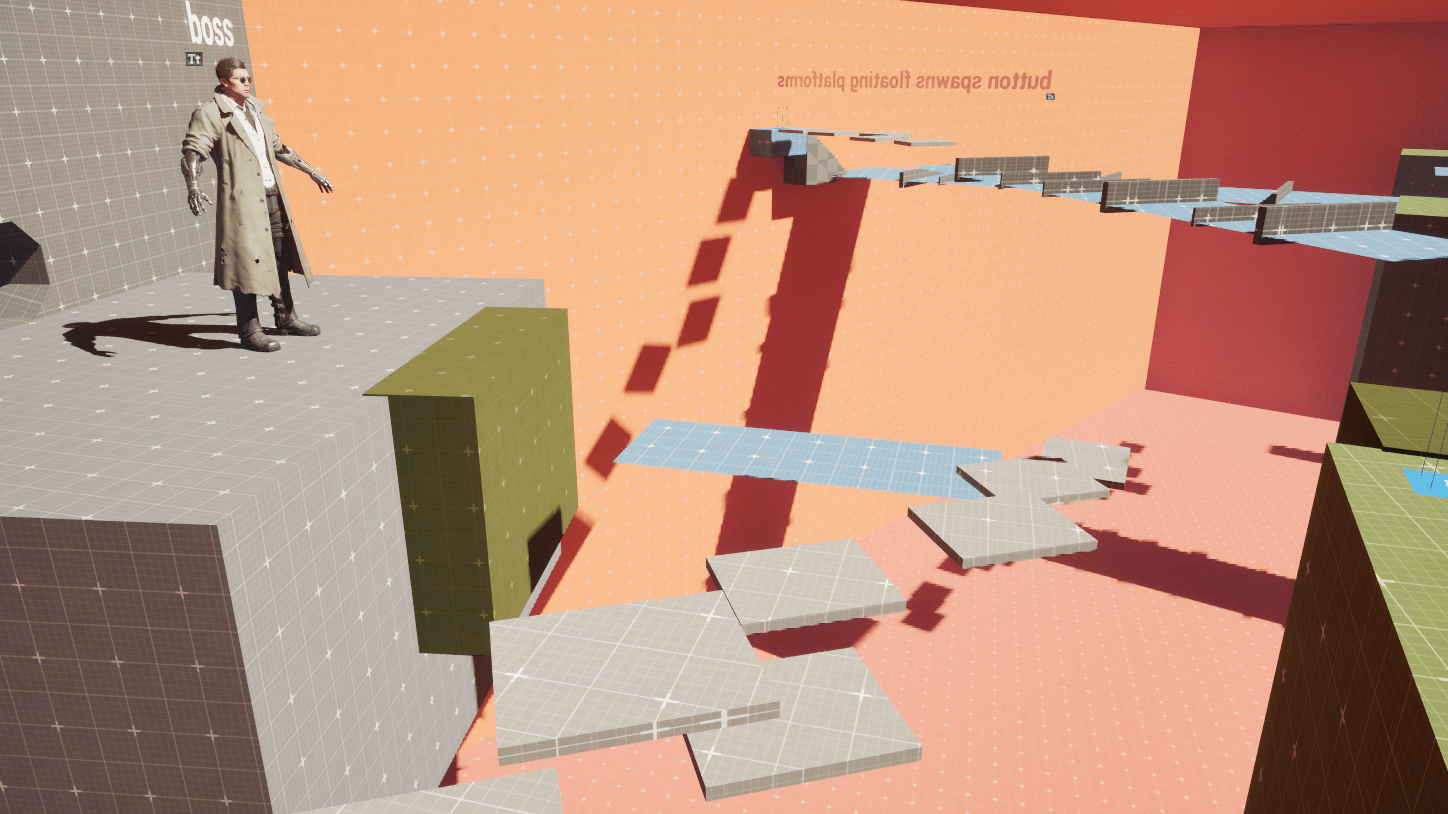
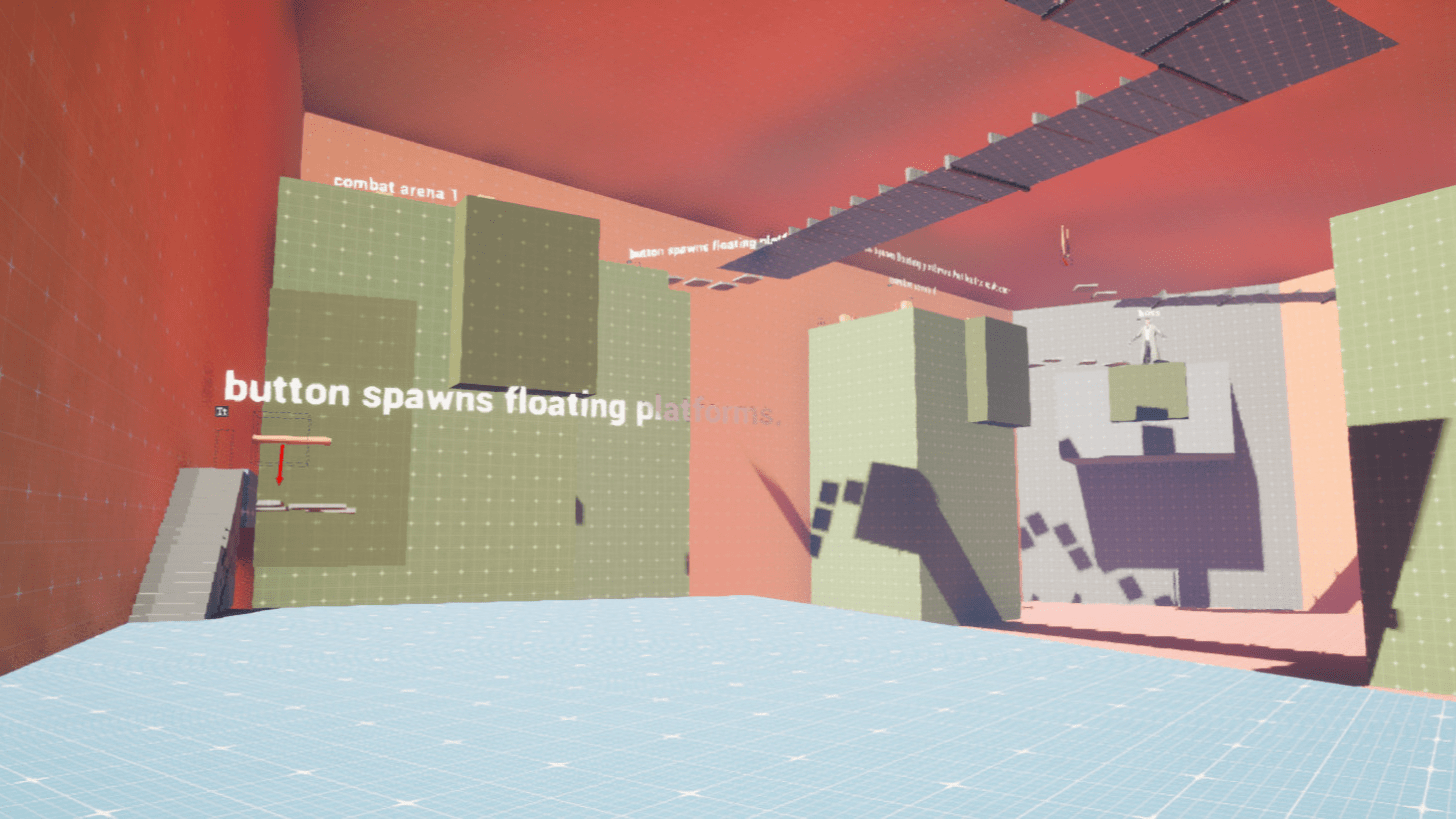
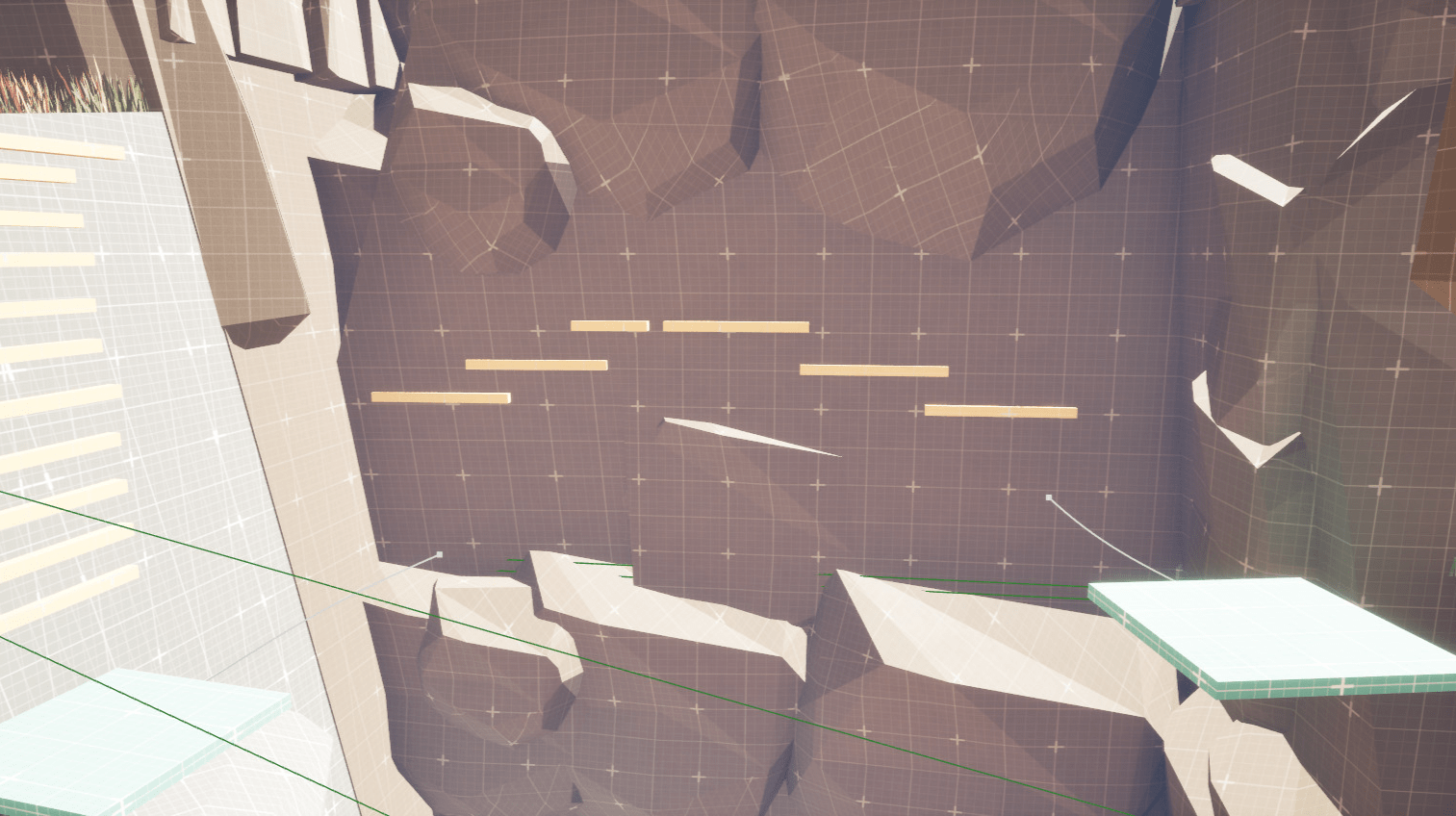
Beat 7: Moving Platforms Across The Lava Gap
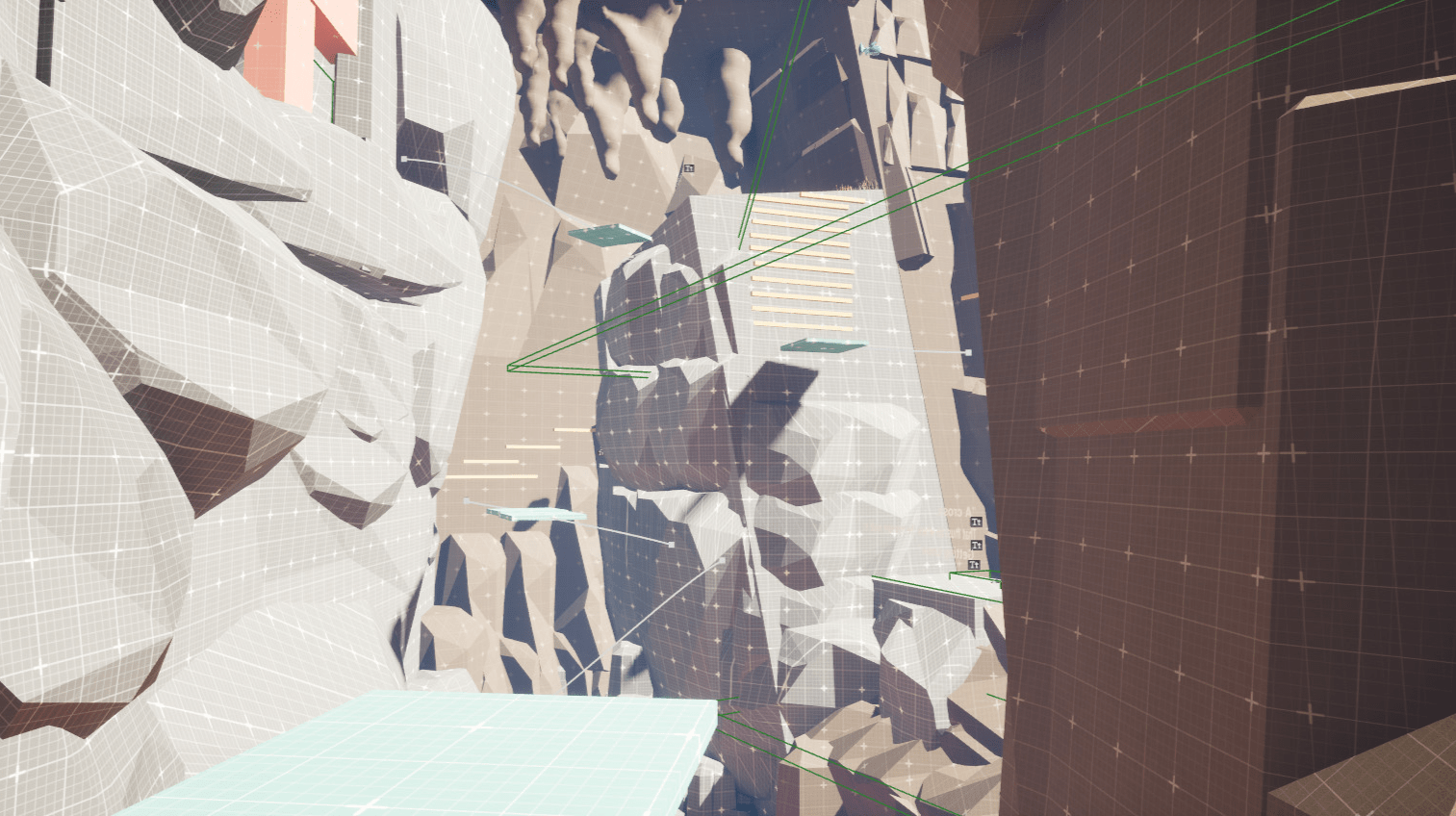
The player navigates through the temple, reaching moving platforms that cross a large lava gap, leading to a climbing section.

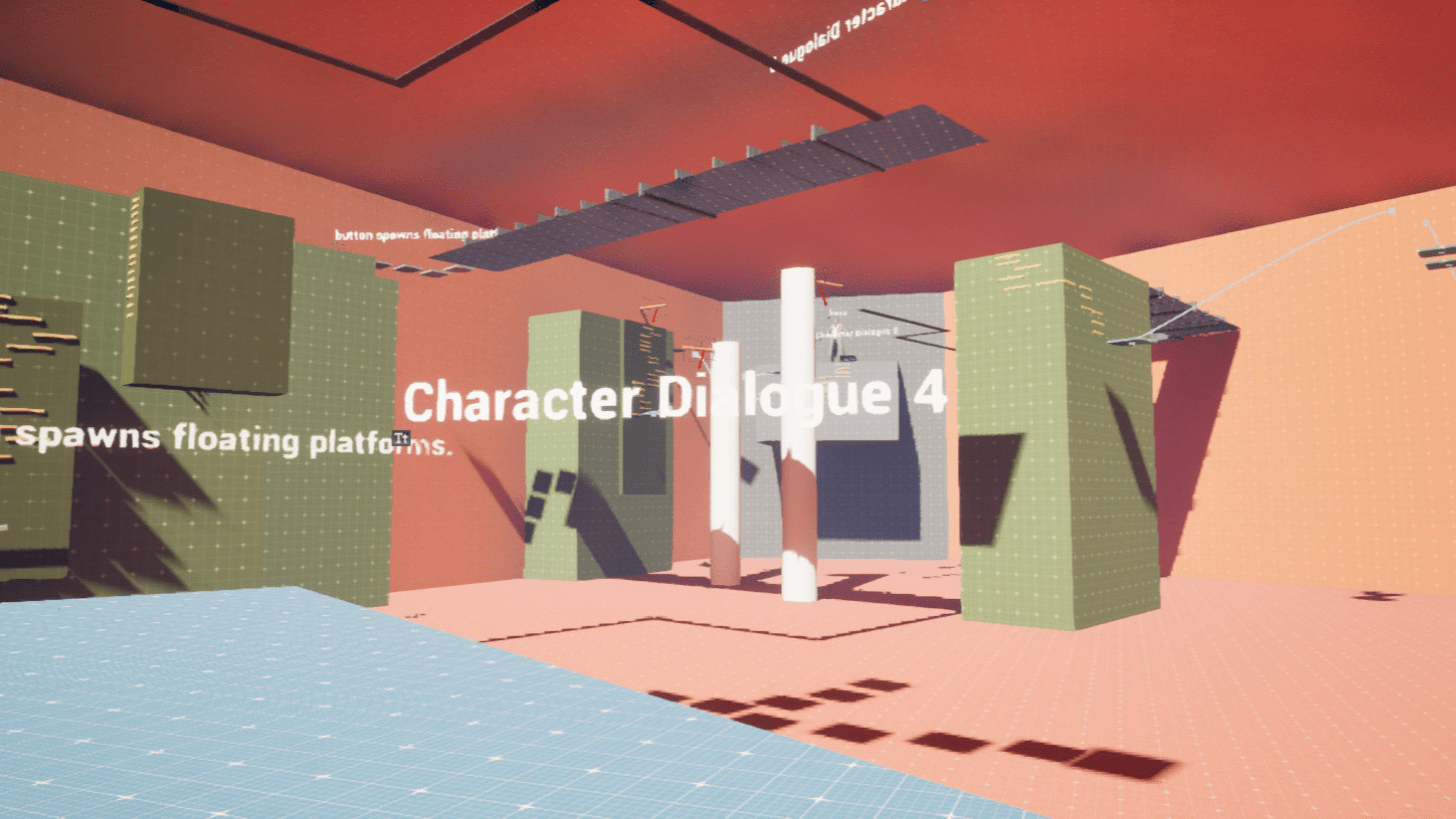
Beat 8: Combat Encounter 2
The player faces the second combat encounter against enemy NPCs, who can now move through a larger area, adding greater challenge and complexity to the fight.

Beat 9: Rock Rooftop Traversal
The player continues traversing the rocky rooftops, gradually realizing they are approaching the intended goal.

Beat 10: Combat Encounter 3
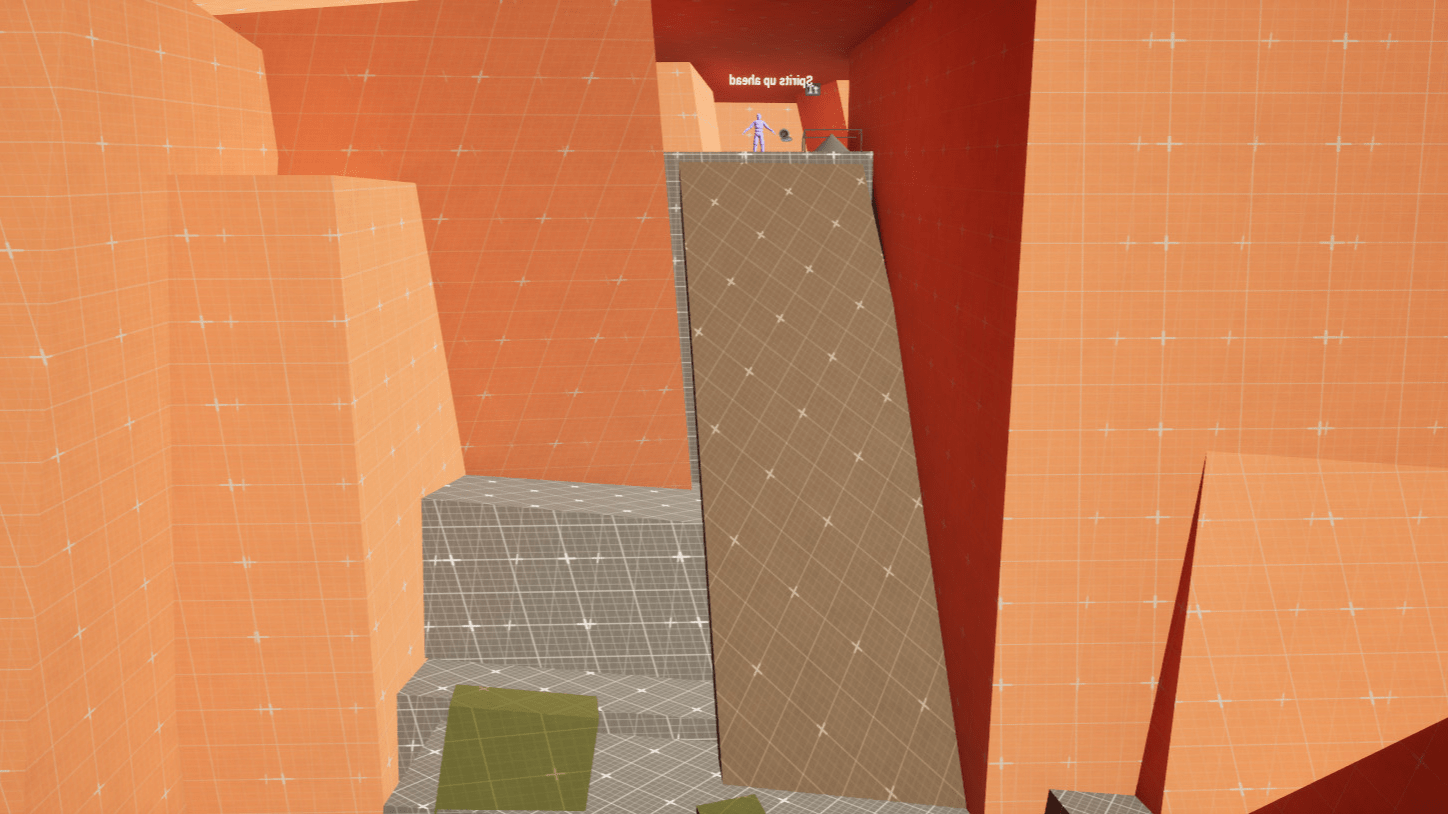
The player slides down into the third and final combat encounter, the largest combat area in the level, featuring the highest number of enemy NPCs and delivering the most intense and challenging fight yet.

Beat 11: Top Of The Temple
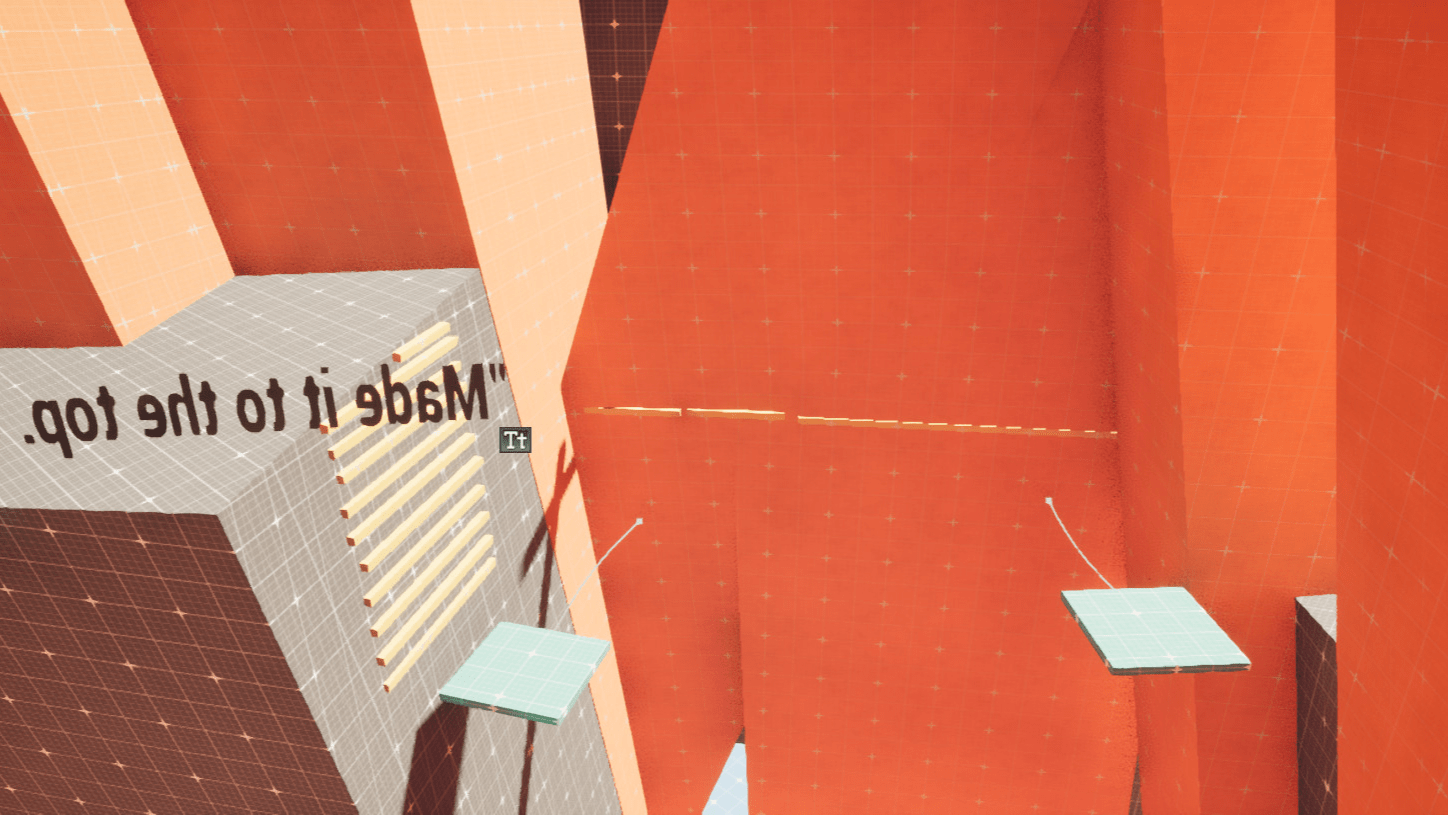
The player navigates moving platforms and climbs through the environment to reach the top of the temple cavern.

Beat 12: “Boss Fight”
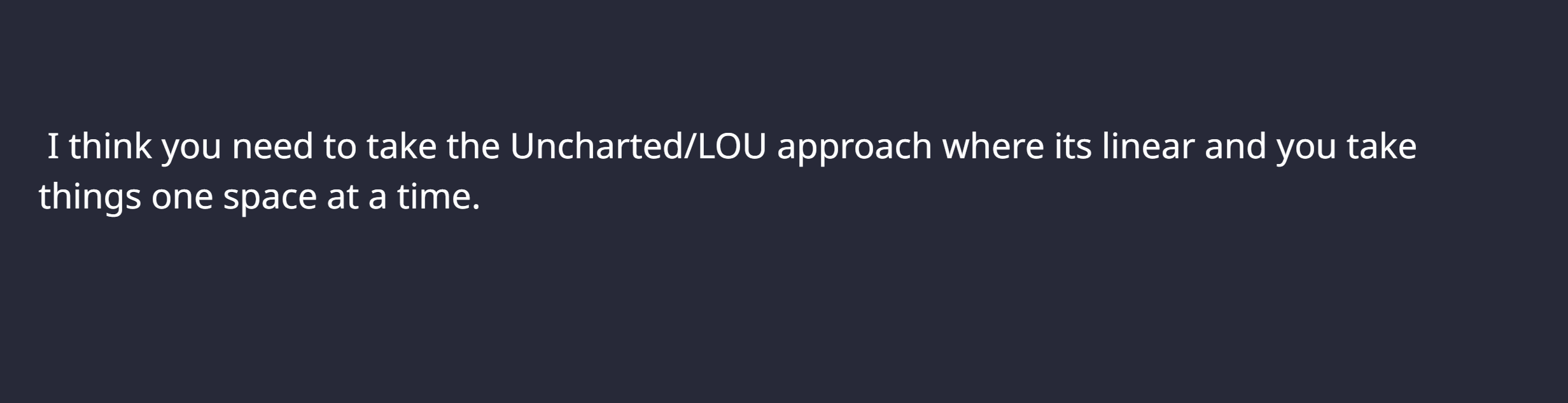
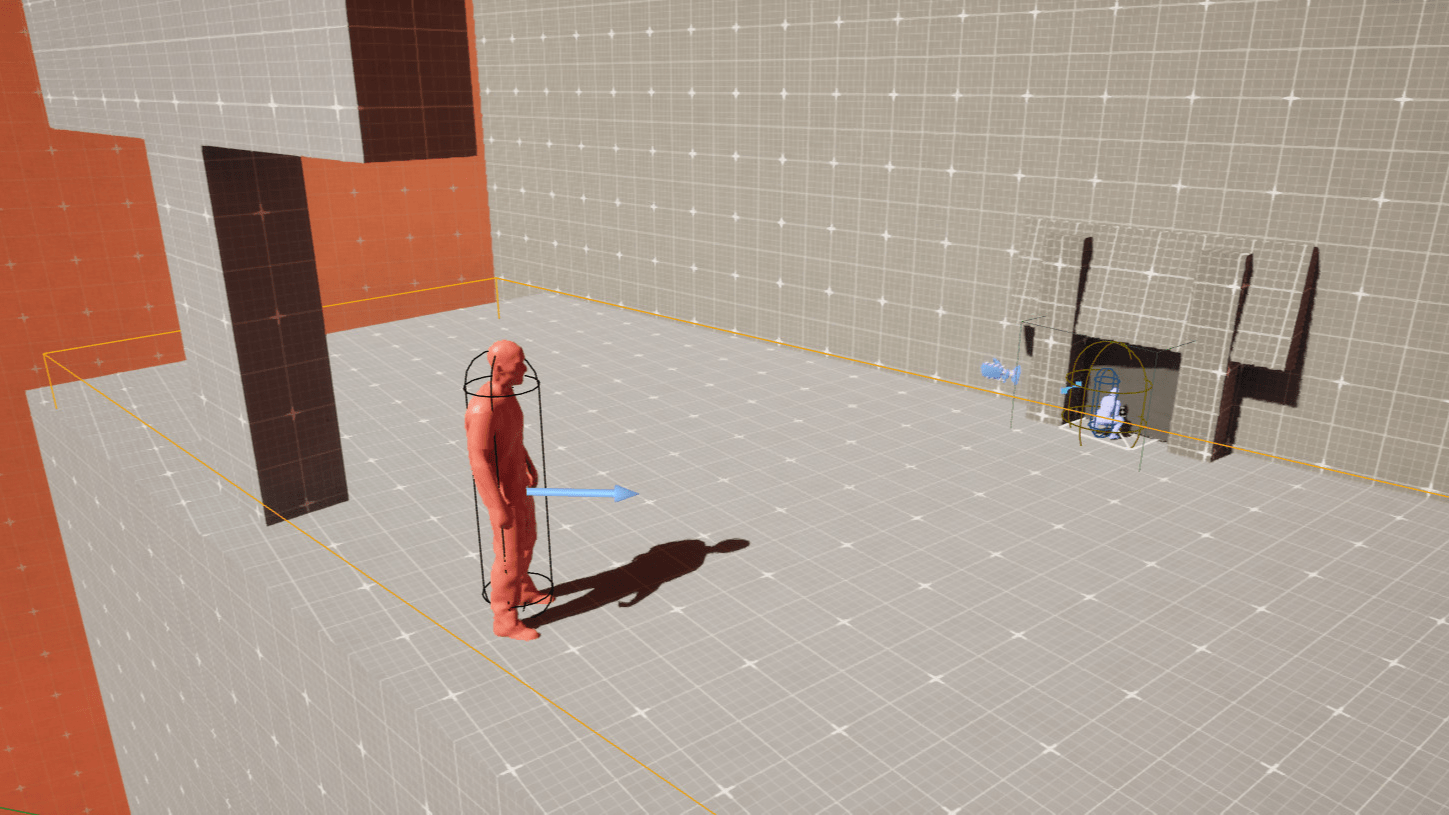
In the final combat section, a boss enemy was intended to appear at the entrance and chase the player around the space, requiring them to maneuver strategically and defeat it through combat. However, due to time constraints, this encounter was not fully implemented. As a result, the boss simply appears and can either be defeated by the player or ignored entirely by proceeding directly to the vault entrance.

Beat 13: Treasure Vault Entrance
The player opens the vault and retrieves the treasure, triggering a final cutscene that reveals the outcome of returning the artifact to the village and his people.
Process Breakdown
Overview
1. Research, Ideation & Planning
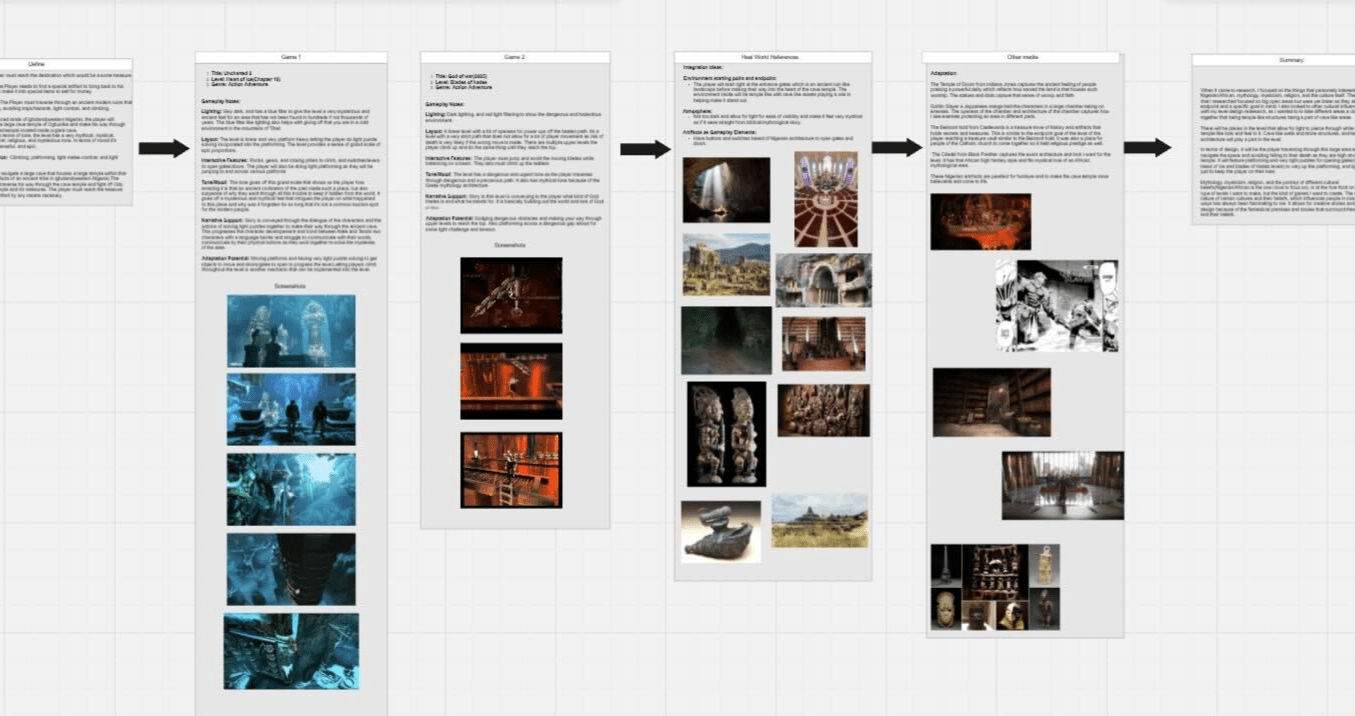
To craft and design this level, I analyzed two games, a real-world location, and various art mediums for inspiration.
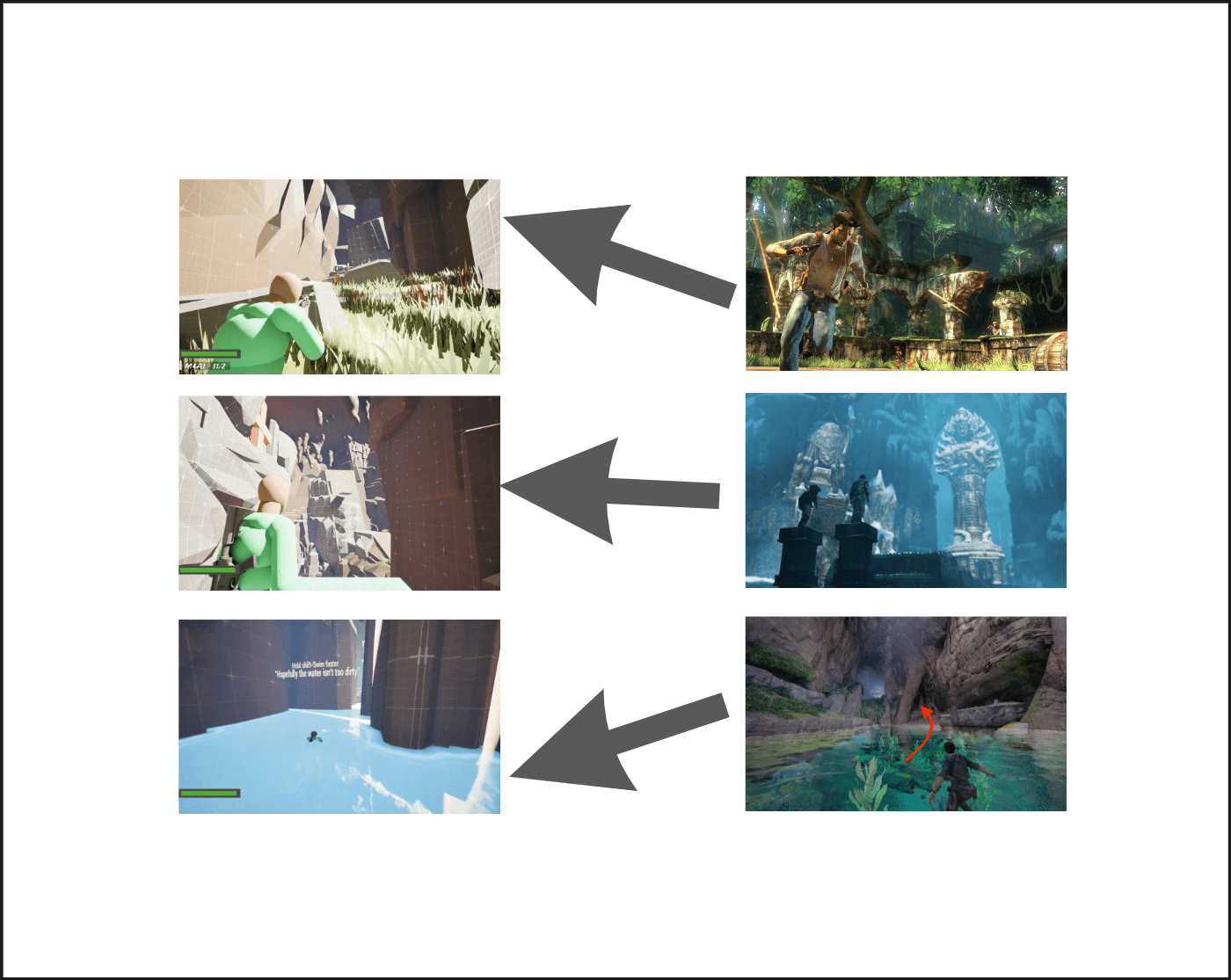
- Analyzing Games: I drew primary inspiration from the Uncharted series, particularly in tone, traversal mechanics, and the use of cover-based combat arenas. Additionally, I studied the “Challenge of Hades” level from God of War (2005), which influenced the second half of my level design especially the use of moving platforms spanning a large environmental gap.
- Researching Real-World References: I researched the real-world Ogbunike Caves in Nigeria as a foundation for the setting, along with other temple caverns across Africa to guide the environmental layout and mood.
- Exploring Other Media: The tone of the level was heavily inspired by classic adventure films like Indiana Jones, blending mystery with beauty as the player explores the environment. I also drew visual and atmospheric influence from Black Panther, particularly in its use of music and African inspired cave architecture.
2. Level Design Document
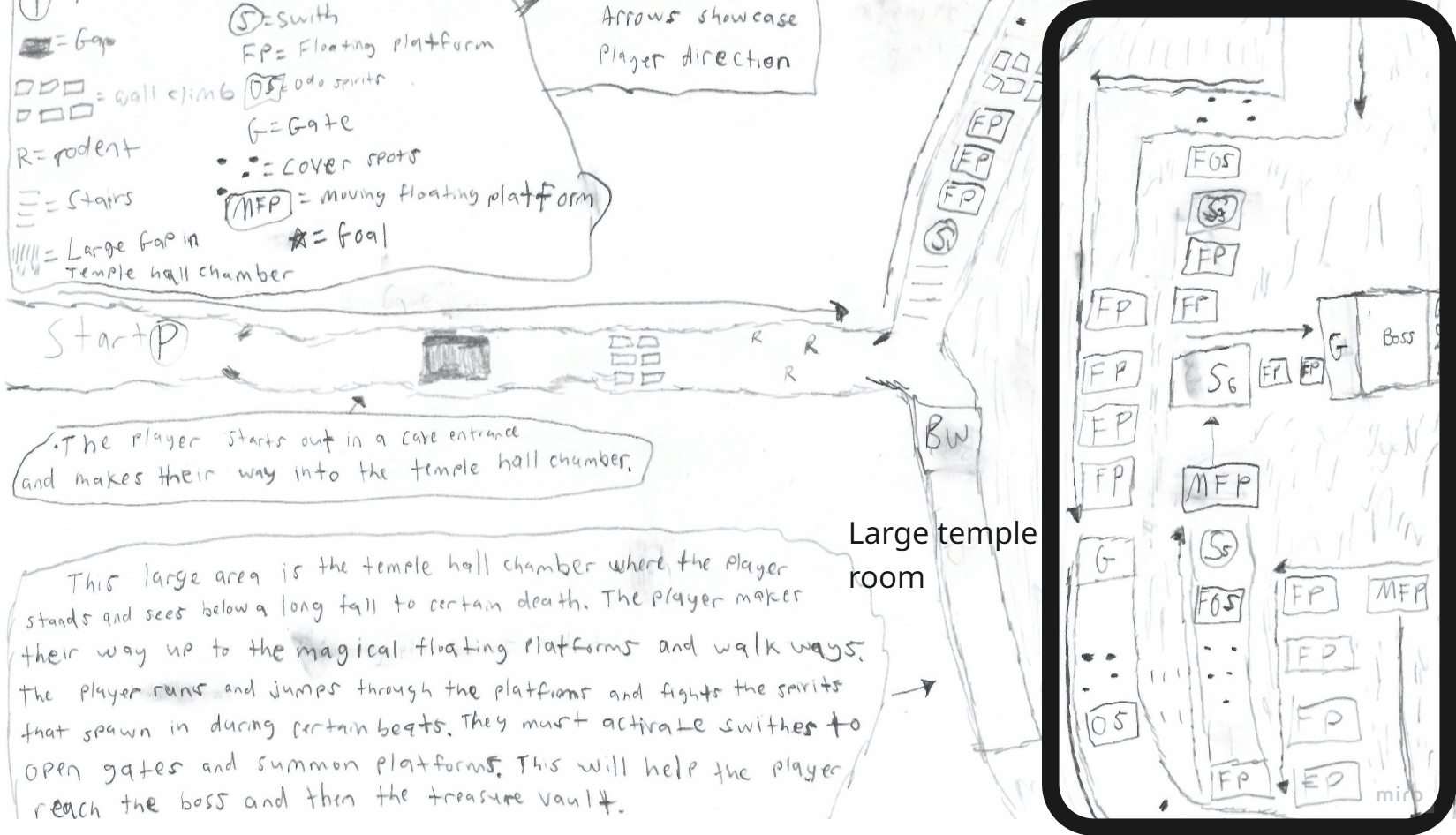
LDD: This LDD served as a guide throughout the development of the level. It was a valuable tool in structuring the experience to meet all the design goals I had in mind. The document included:
- Light narrative elements
- The objective of the level
- Gameplay mechanics
- Setting and tone
Beat Sheet: This sheet outlines all the actions the player will perform from the beginning to the end of the level.
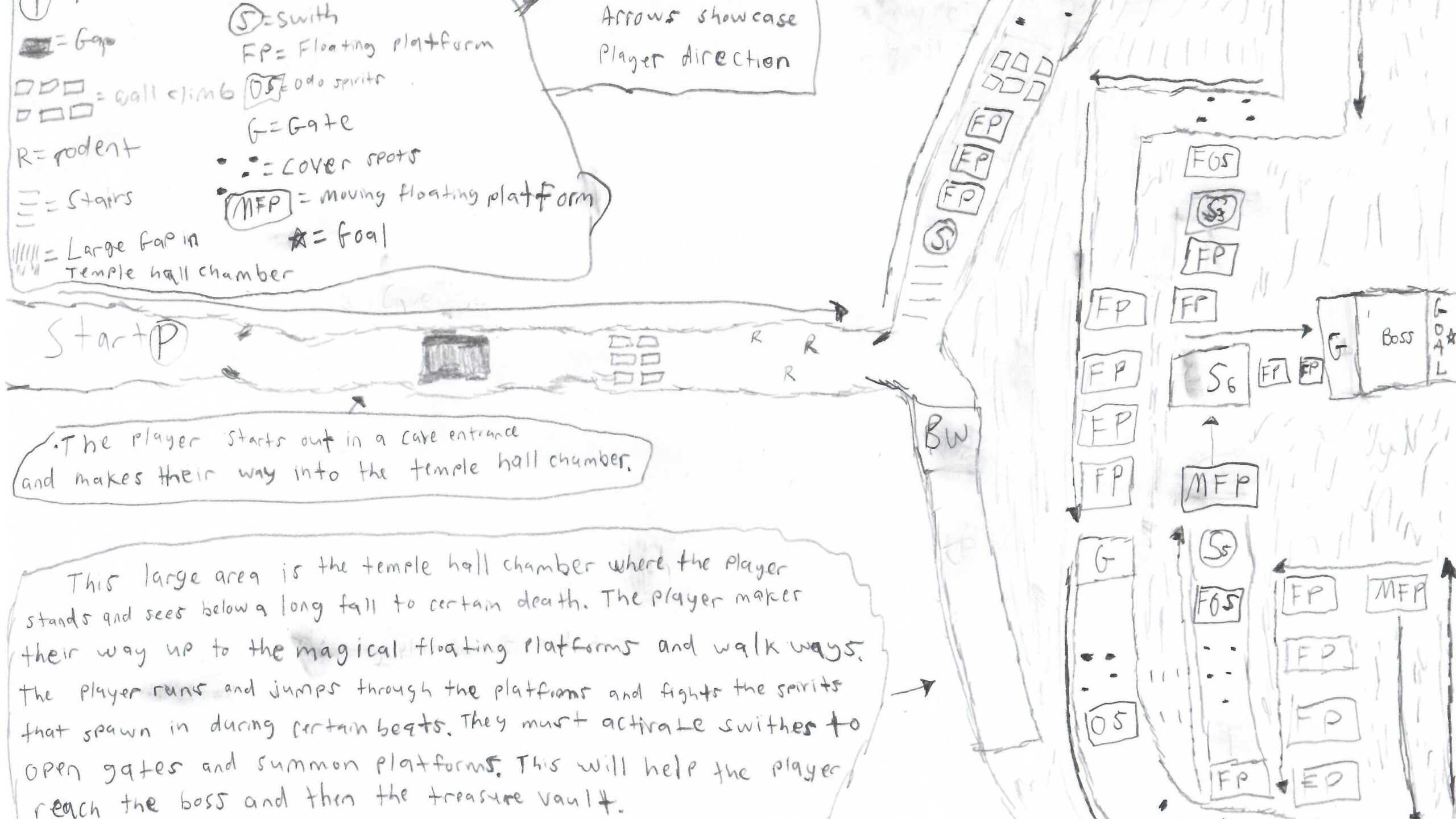
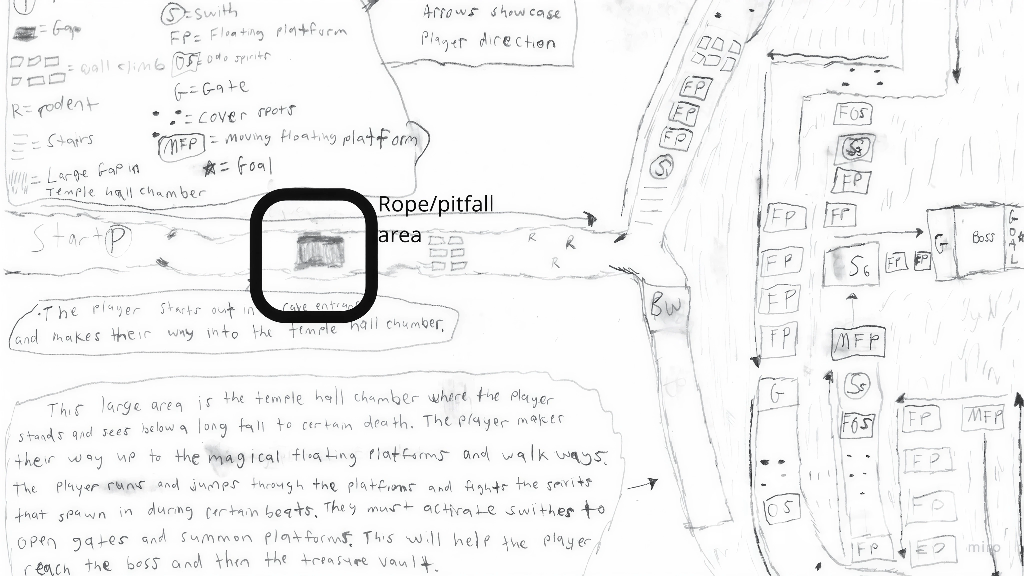
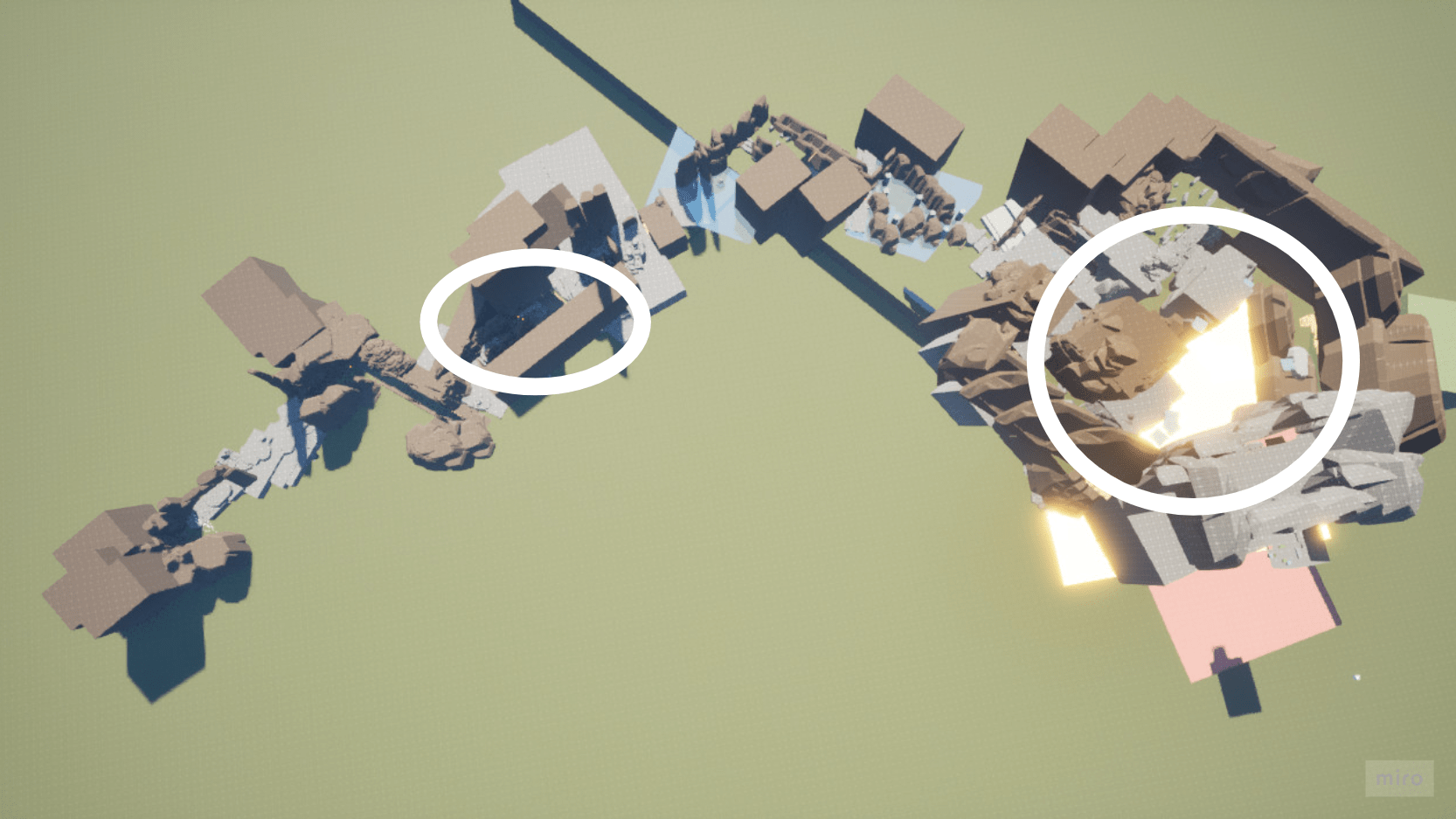
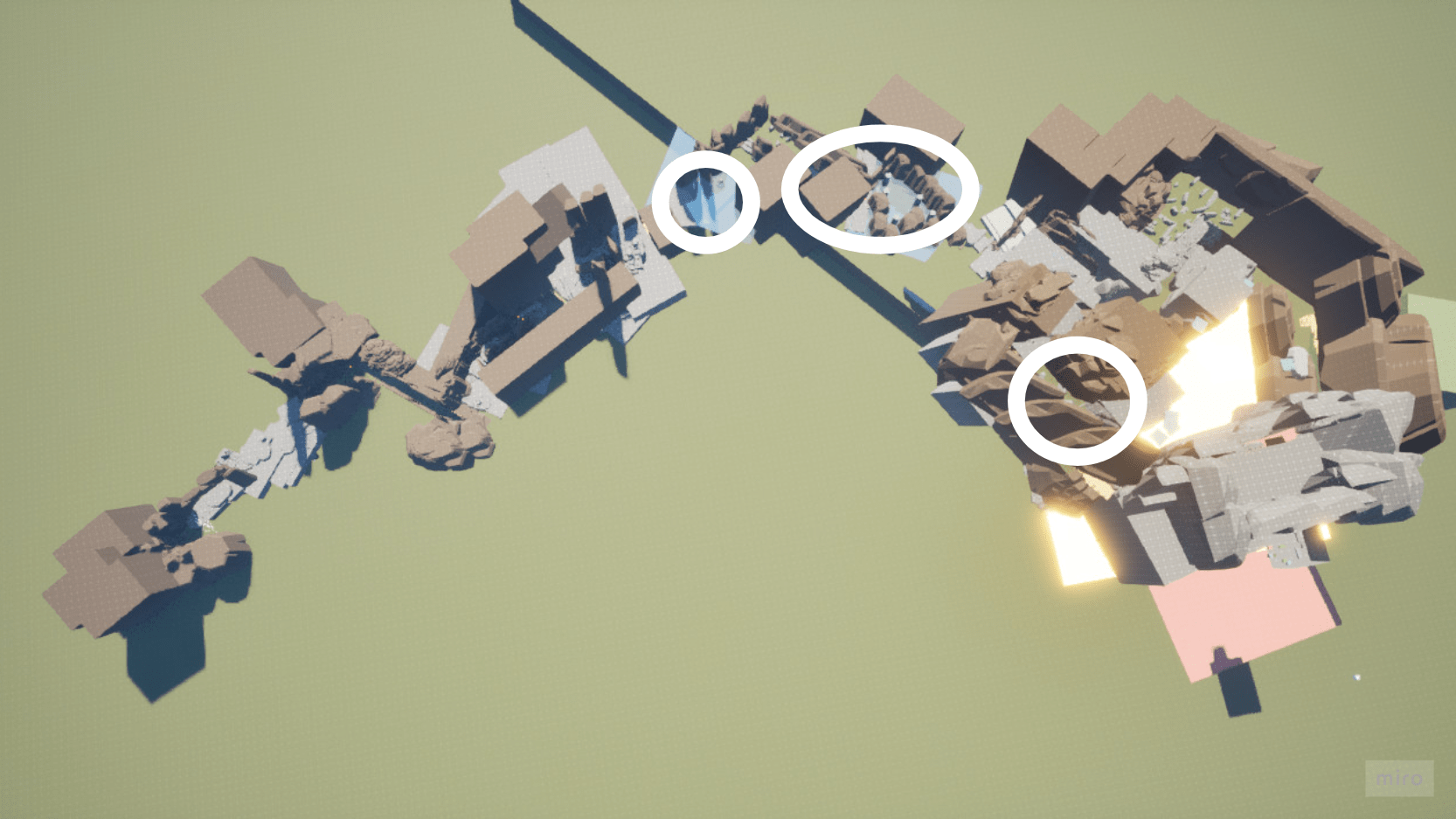
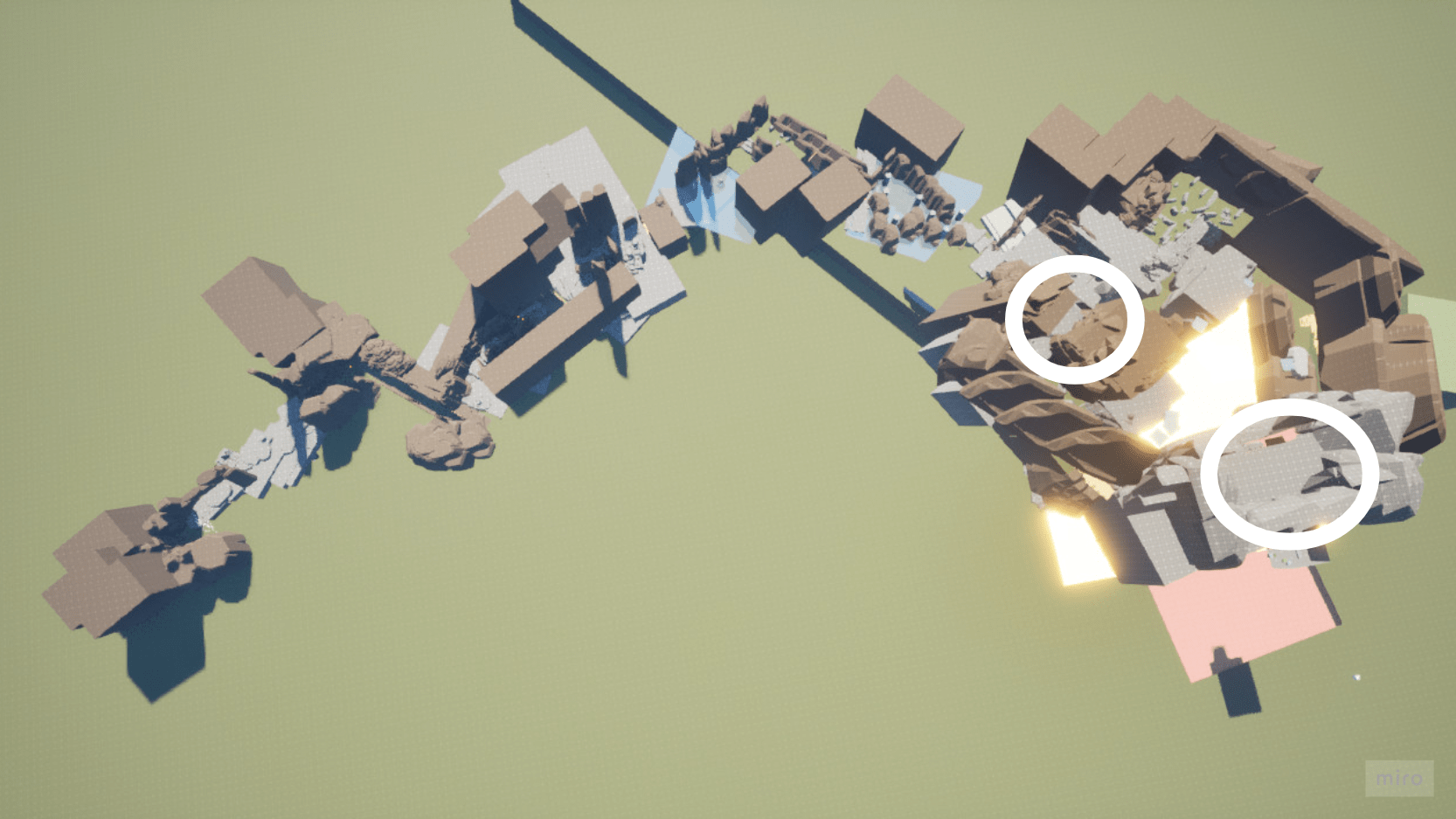
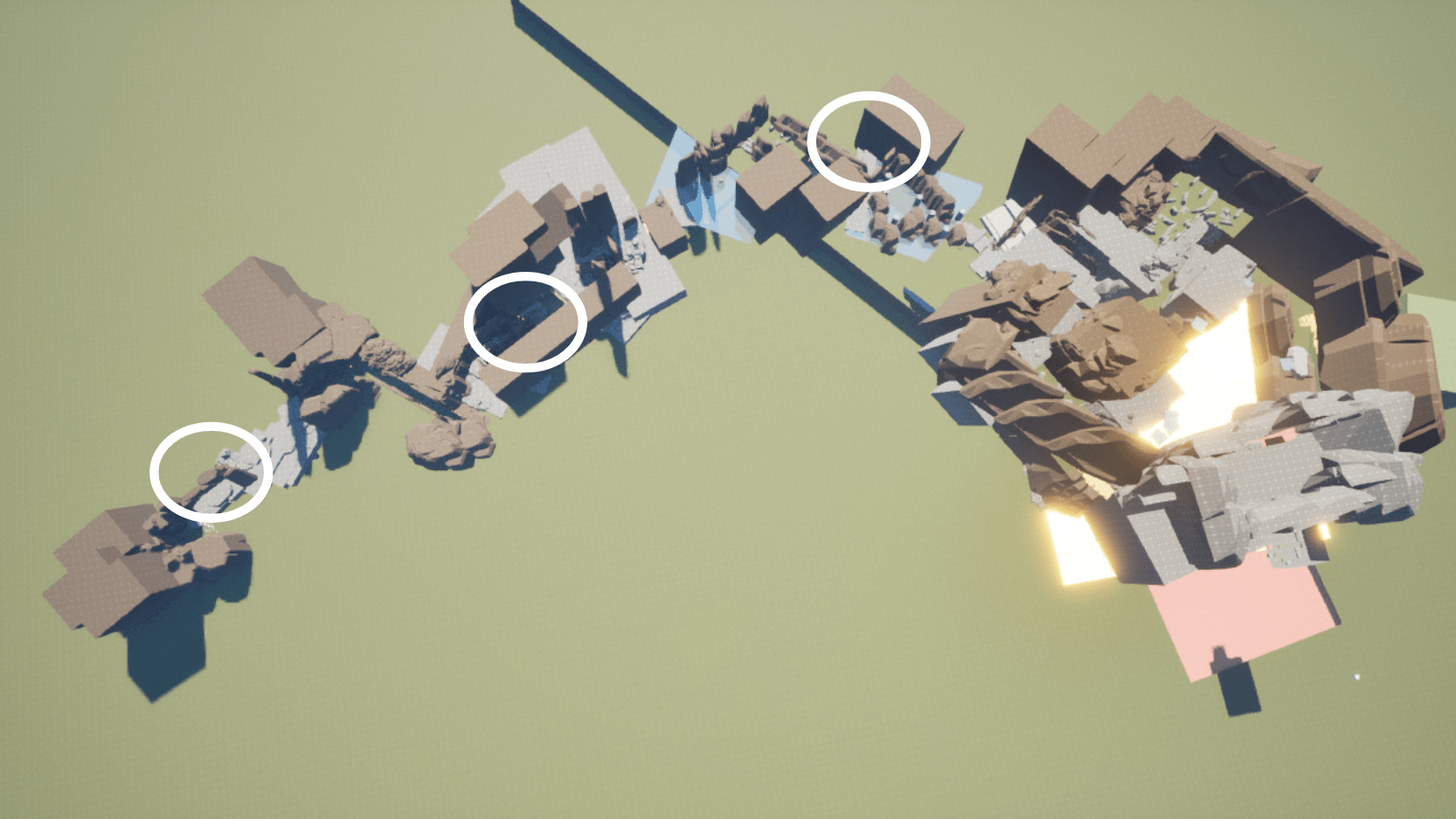
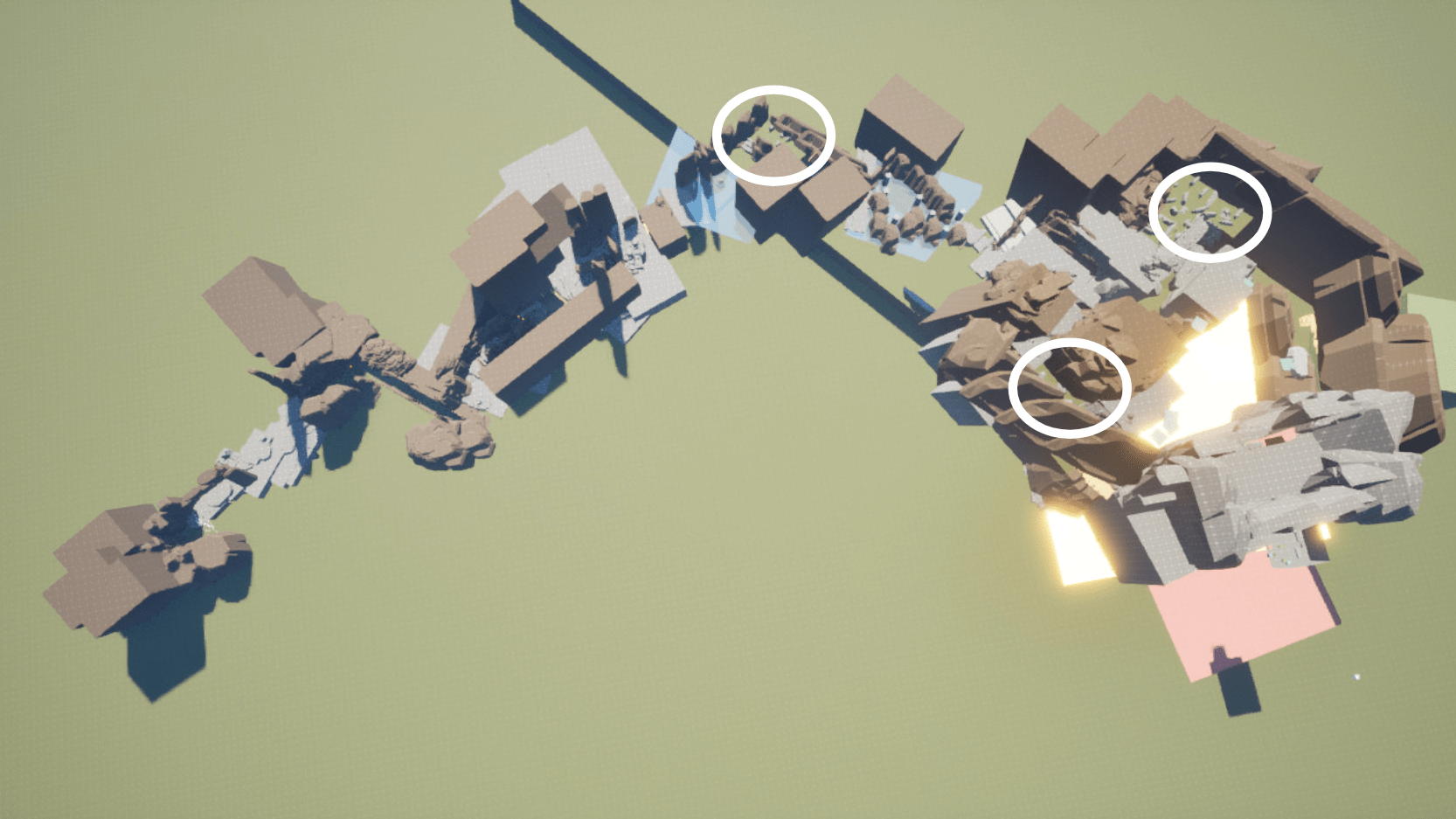
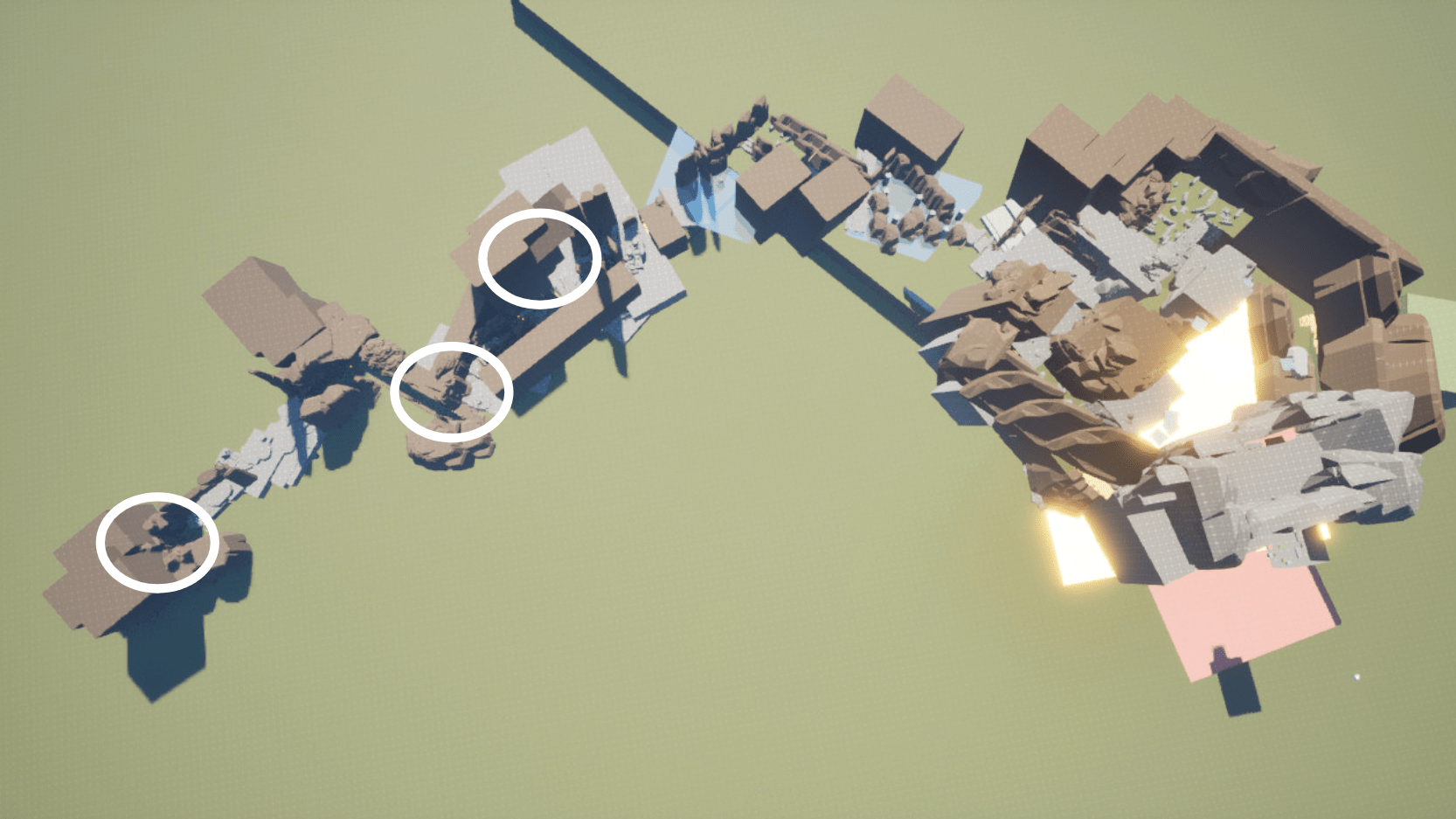
2D Map layout: The map provides a simplified overview of the level’s structure and layout, serving as a visual guide for its overall design.
3. Roughout 1
Results: This is the first ever blockout of Ogbunike Temple which followed beat for beat the 2D map I had drawn out. This blockout of the level establishes the size, flow, and pacing.
Goal:Initial playtesting revealed that the level blockout was too large in scope, with overly punishing platforming. Early areas were especially problematic—spaces were too wide and linear, leading to long stretches of uneventful gameplay. As a result, players took too long to reach the second half of the level, which had its issues of being too long and punishing when it came to the platforming sections.
Implementation/execution:
- Reviewed early feedback on the scope and size of the level.
- Reviewed the pacing on certain beats of the level from past playtests.
- Made some major cuts to the beginning section and second half of the level.
4. Playtest & Iteration 1
Highlight 1
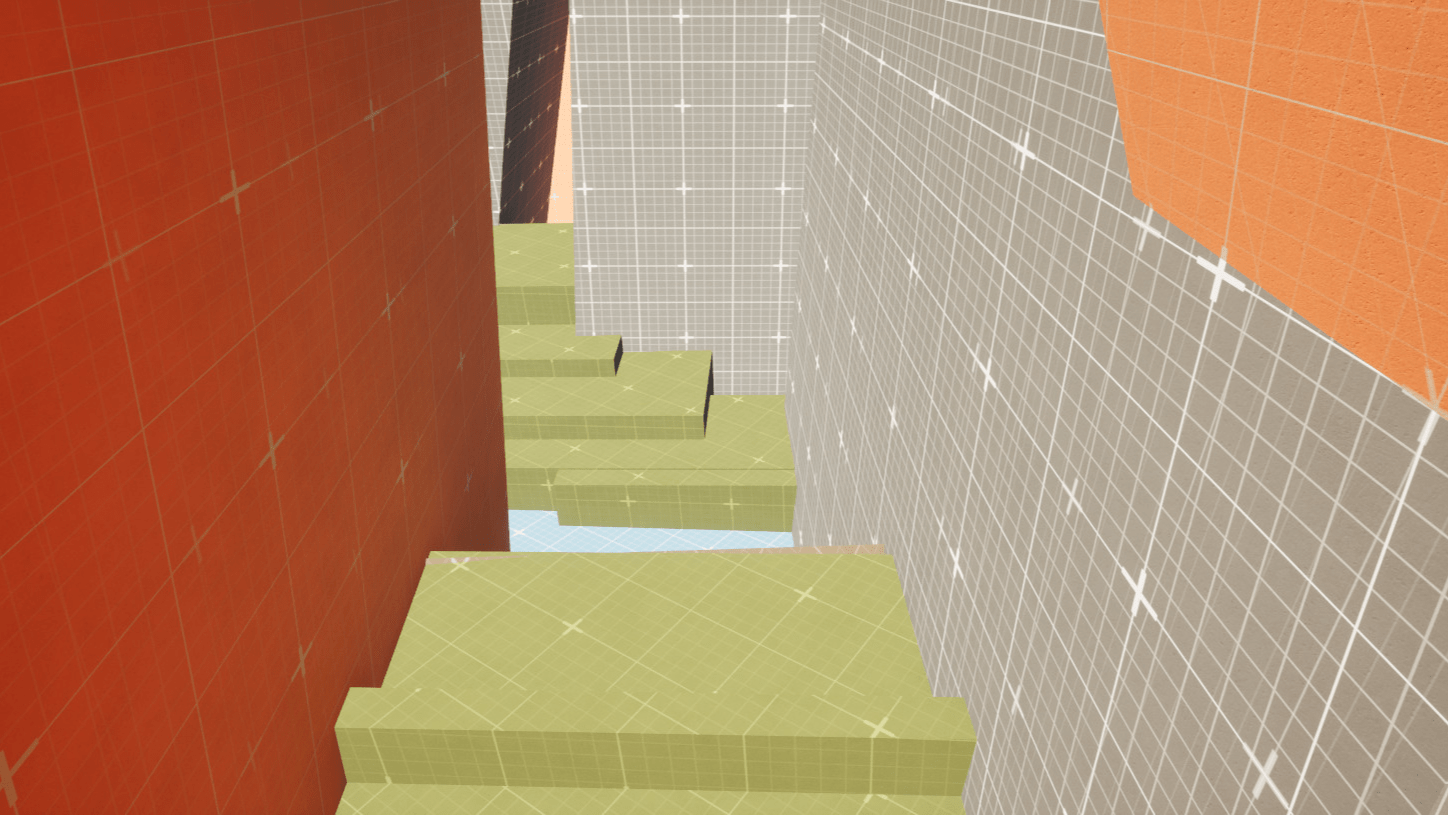
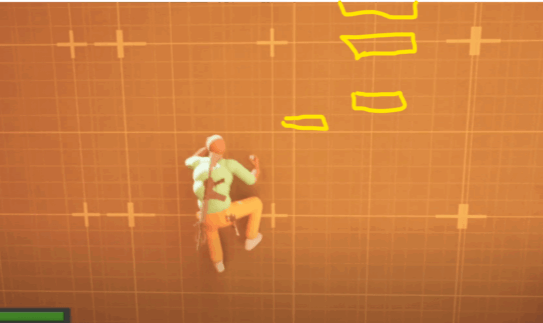
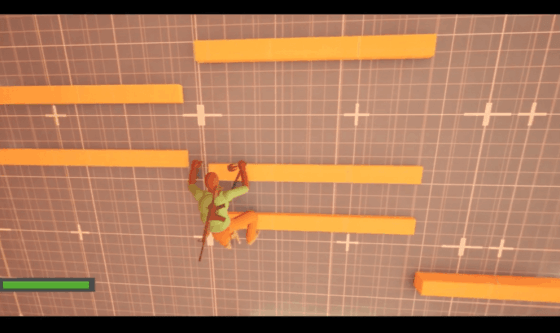
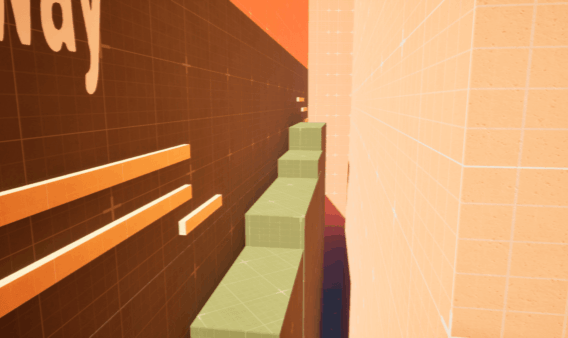
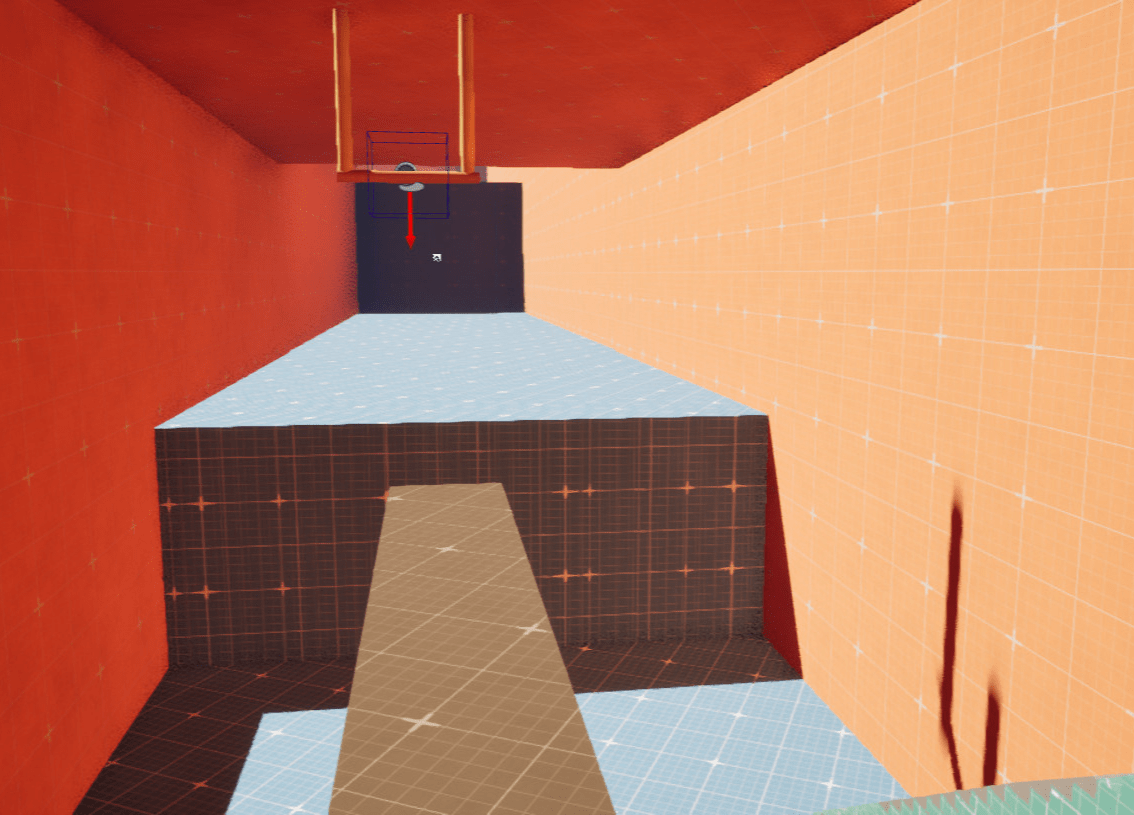
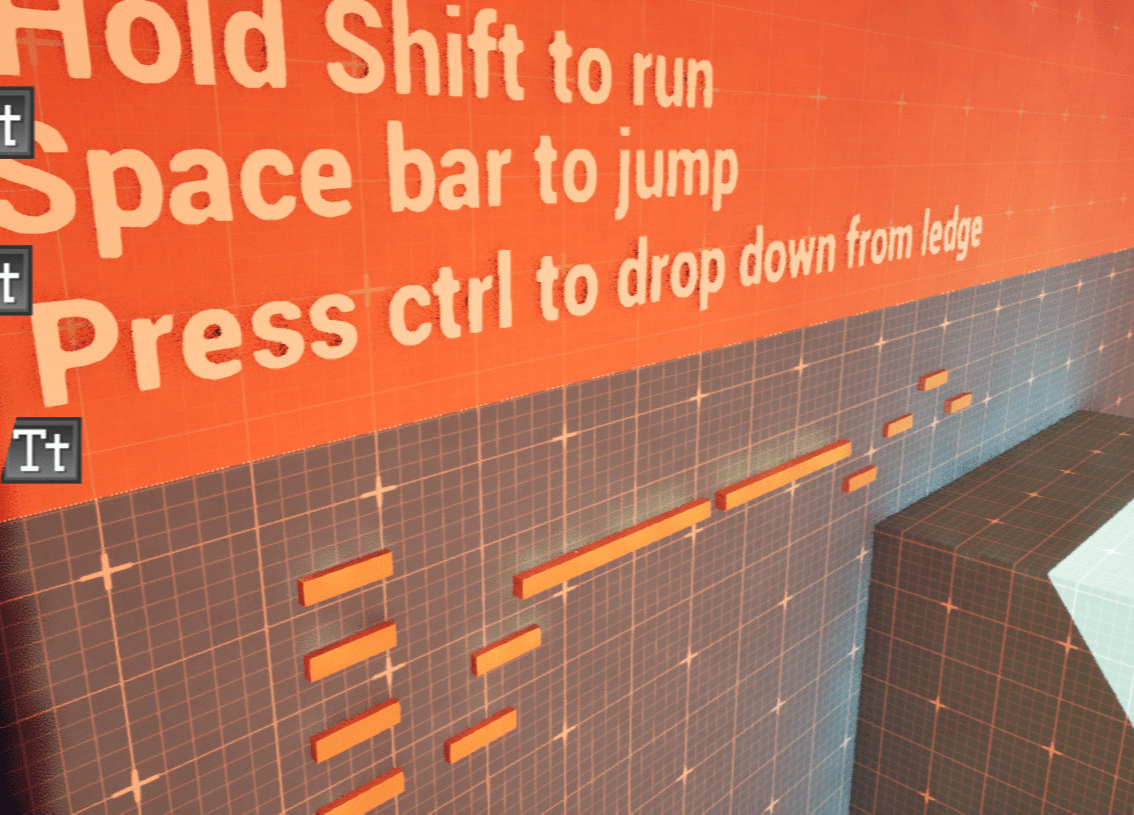
Results: I added a climbing section to add more use of the gameplay mechanics. It helps with flowing from area to area, so the player is not just running and jumping
Feedback & Problem: I got feedback that it was boring to traverse this area as it was too slow as the player was slowly climbing to the vantage point.
Solutions:
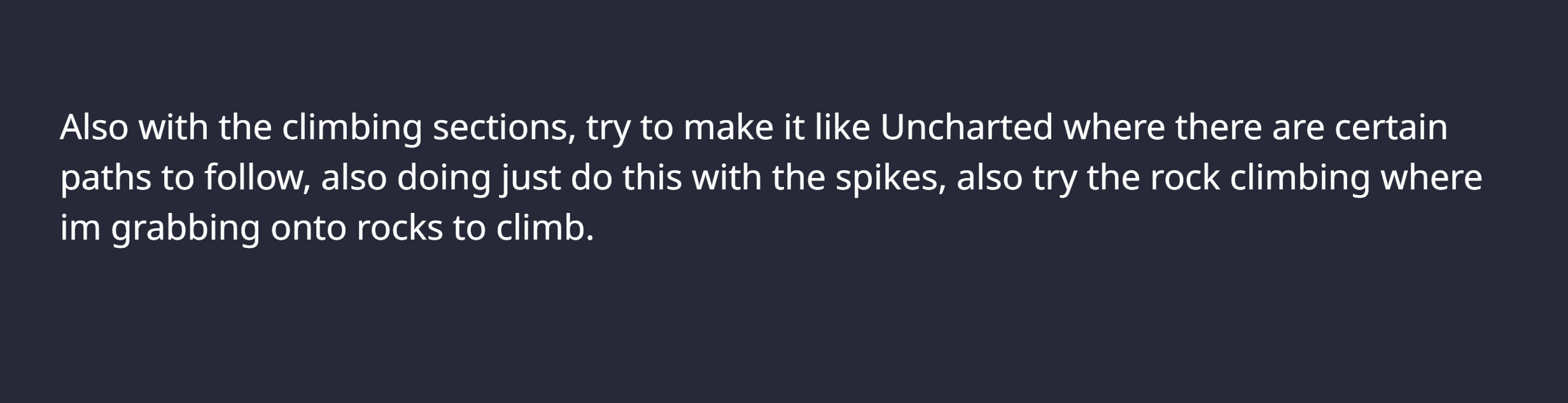
- Give the walls hand holds instead of making it a climbing spike wall.
- Get rid of the pick-axe walls entirely
- Avoid making long climbing sequences.
Highlight 2
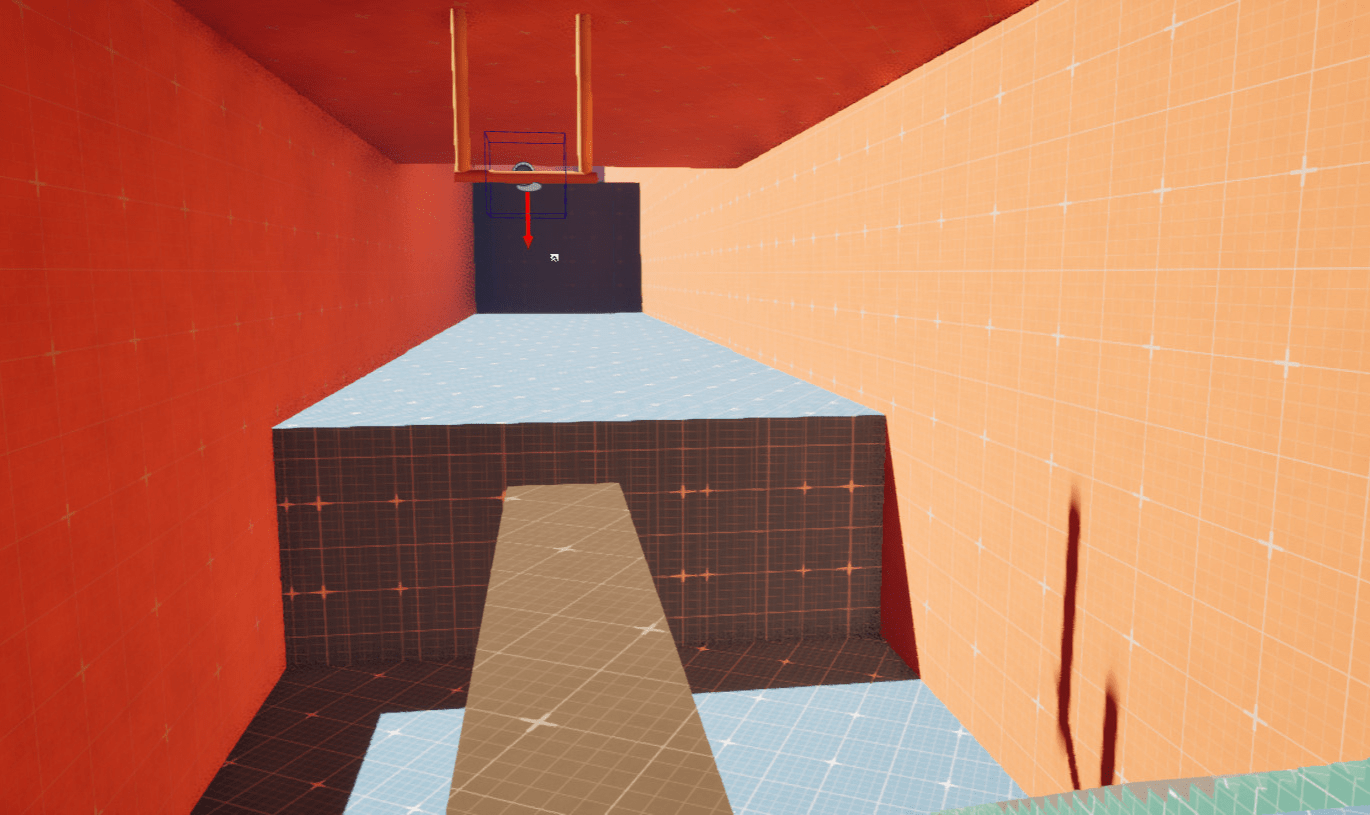
Results: This rope area was meant to be a tutorial area on how to use the rope as it would be a tool further along the level.
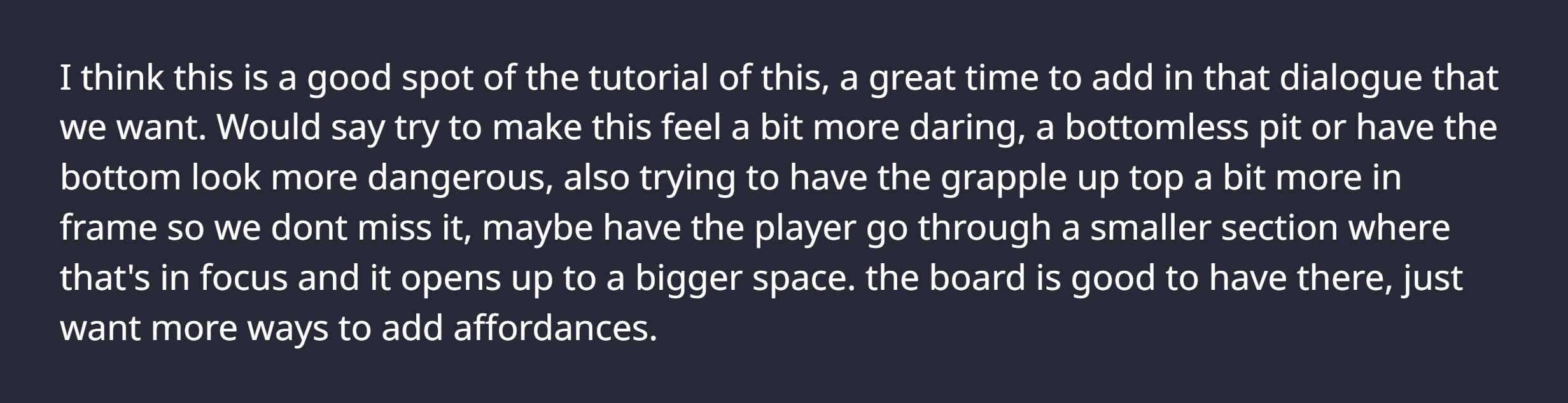
Feedback & Problem: The lead up to this area was the player running straight for sometime which was lackluster and that the pit lacked tension or a fear of danger.
- Bring grappling point closer to the player to make it easier to throw the grappling hook.
- Make swinging and jumping to the other side easier for the player.
- Enclose the space for this area and add more objects to move around instead of running straight the entire time.
Highlight 3
Results: This section was to allow more use of the gameplay mechanics and challenge the player when it came to platforming.
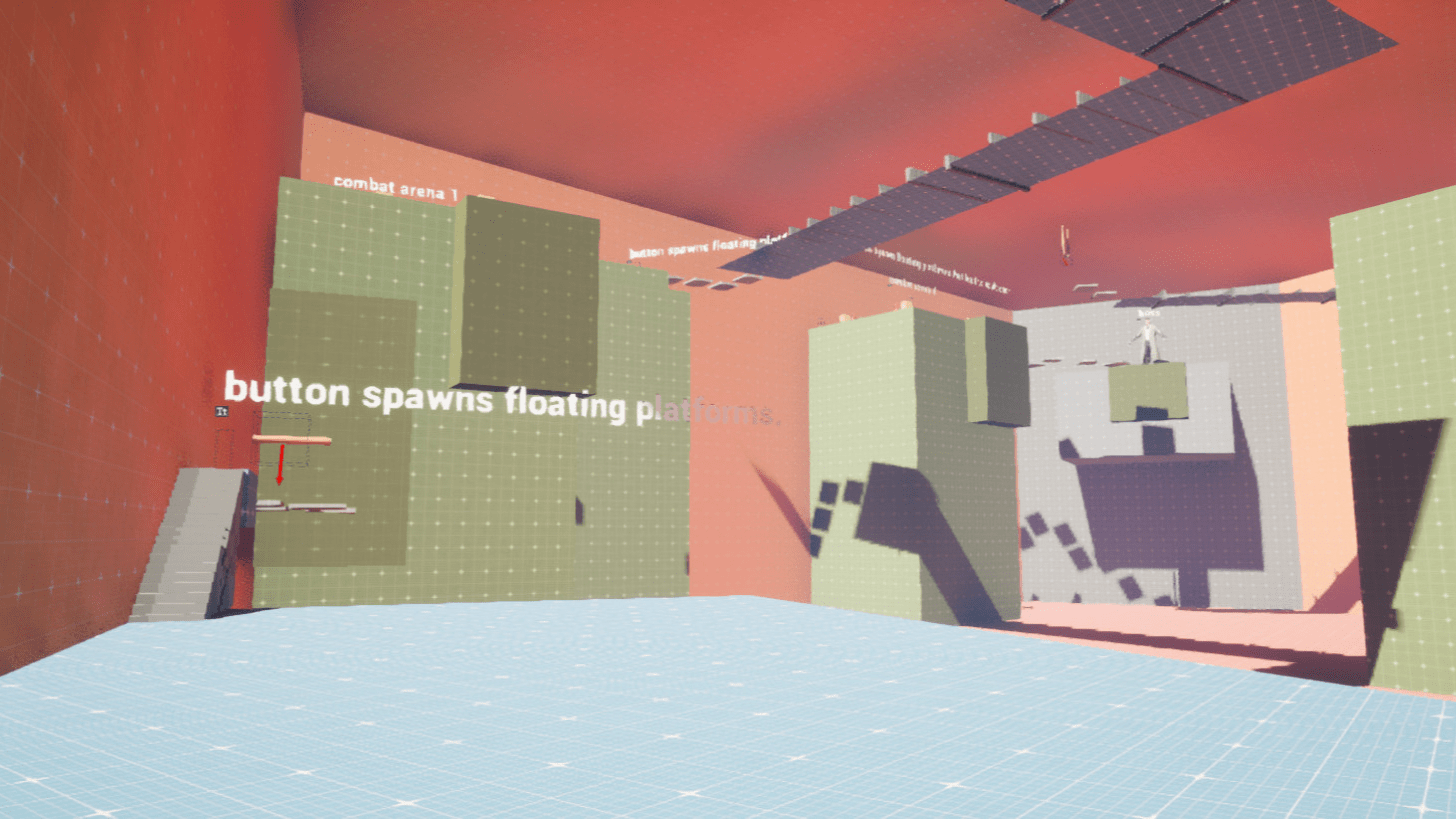
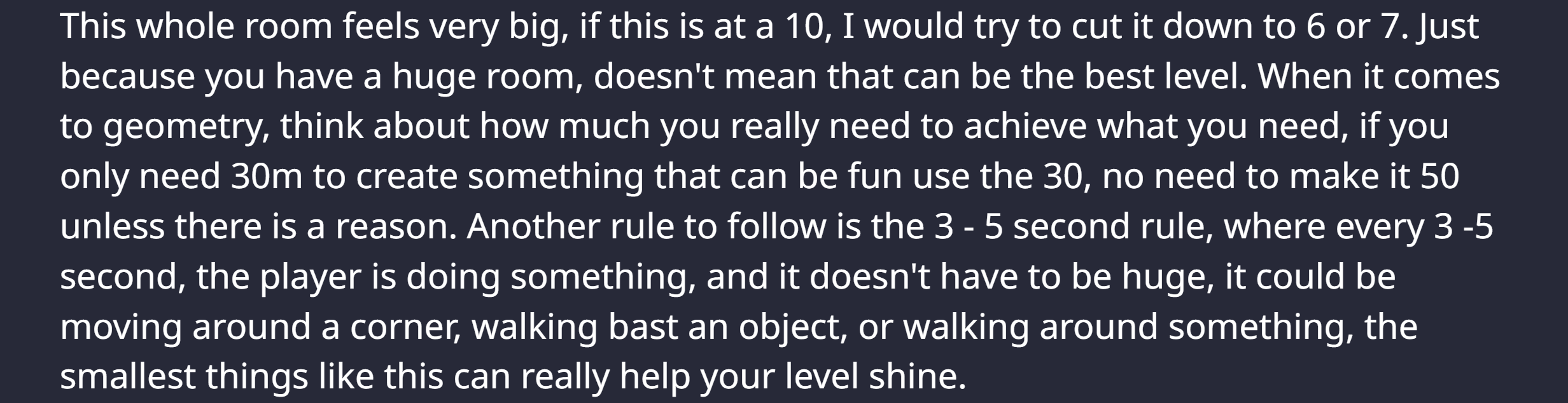
Feedback & Problem: I got feedback that the area was way too big and that platforming sections were way too diffciult and punishing on players.
Solutions:
- Make the room smaller for more ease of navigation.
- Make platforming easier for the player.
- Cut platforming sections that are designed in a similar manner.
5. Roughout 2
Results: In this blockout iteration, I added climbing handholds and removed the pickaxe walls to streamline traversal. I also scaled down the size of the temple room in the second act to create a more focused experience. Additionally, I replaced the long hallway in the opening area with more climbing and jumping sections to make the introduction more engaging and interactive.
Goal:This iteration aimed to address feedback from the original blockout, but playtesters found it more punishing and longer to complete. In response, I revisited the original 2D map and redesigned the entire level to create a more balanced and enjoyable player experience.
Implementation/execution:
- Reviewed feedback from testers and mentor on how to make certain areas enjoyable to play through.
- Focused on pacing and reducing the scale/size of the level.
- Cutting platform sections that was making the level take a longer time to complete.
6. Playtest & Iteration 2
Highlight 1
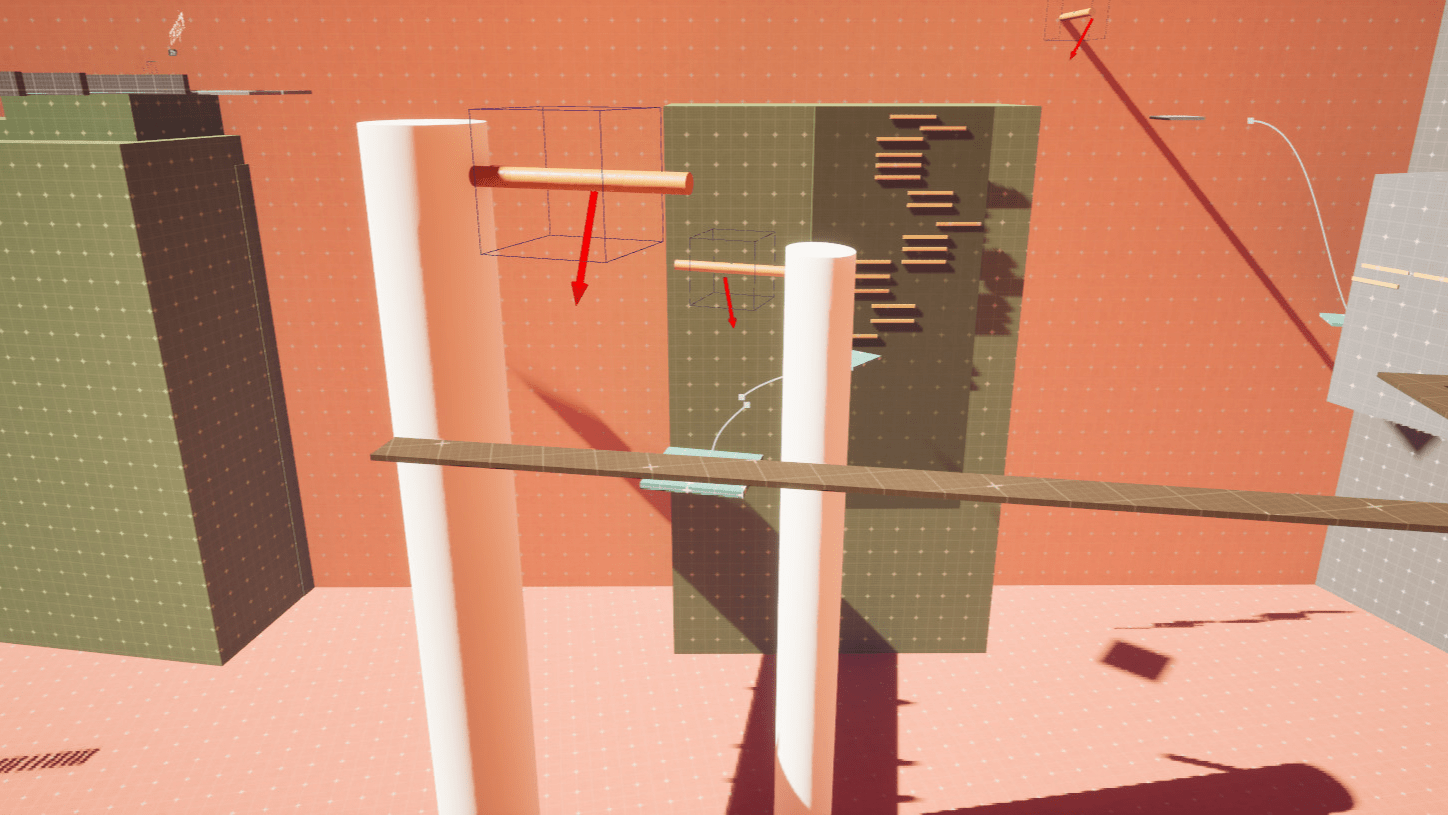
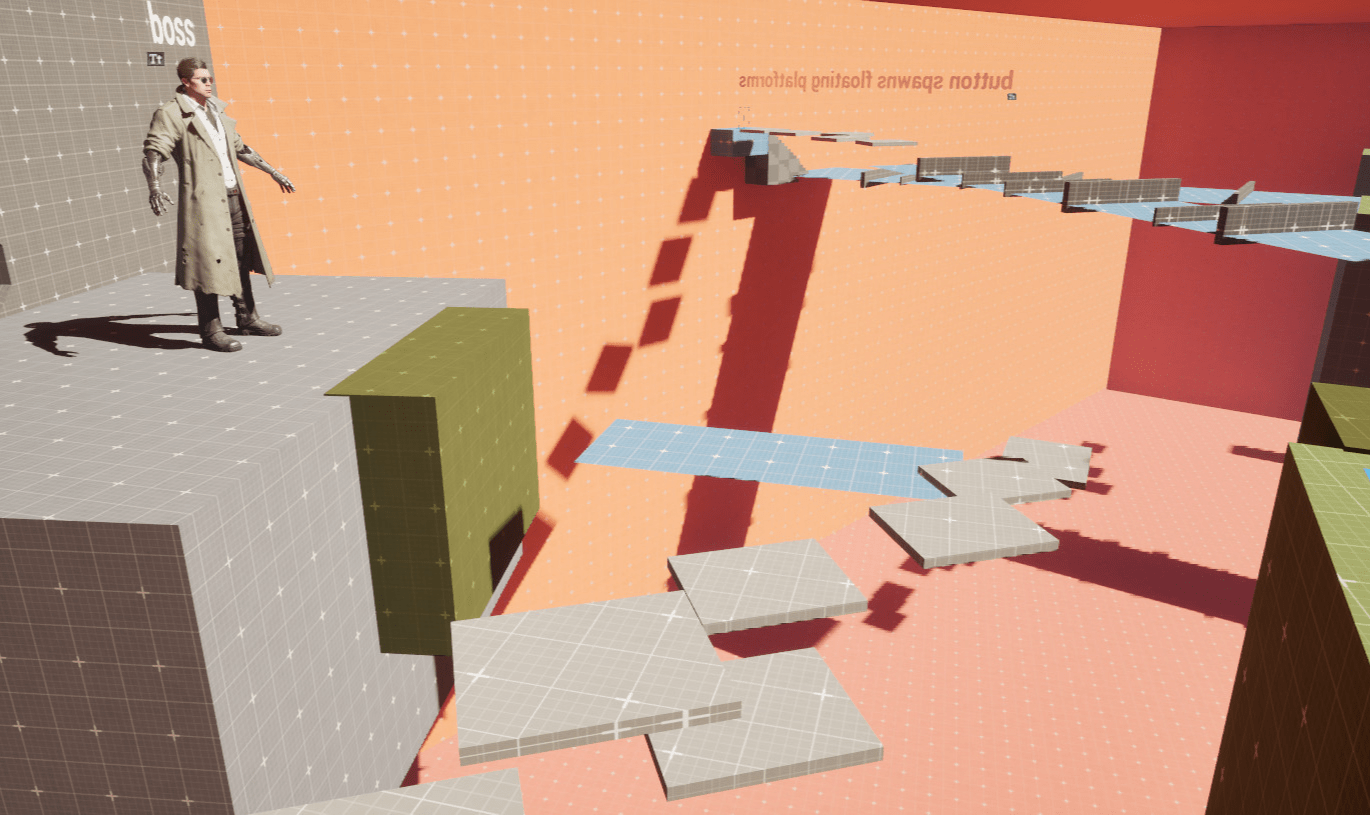
Results: I pushed the walls in slightly and added catwalks, moving platforms, and large pillars with hookpoints to introduce variety and enhance platforming flow. These changes aimed to make traversal more engaging and reduce repetitiveness.
Feedback & Problem: Playtesters noted that this area felt too similar to the previous build but was longer, more difficult, and overly punishing. The section became frustrating and repetitive, leading most players to quit after repeated deaths and restarts. Like the earlier build, no one was able to complete the level during that week’s playtests.
Solutions:
- Removed all overly punishing platforming sequences to improve accessibility and overall player experience.
- Scaled down the room size to shorten completion time and improve pacing.
- Refined traversal to be tighter and more focused, replacing large open spaces with more deliberate, engaging paths.
Highlight 2
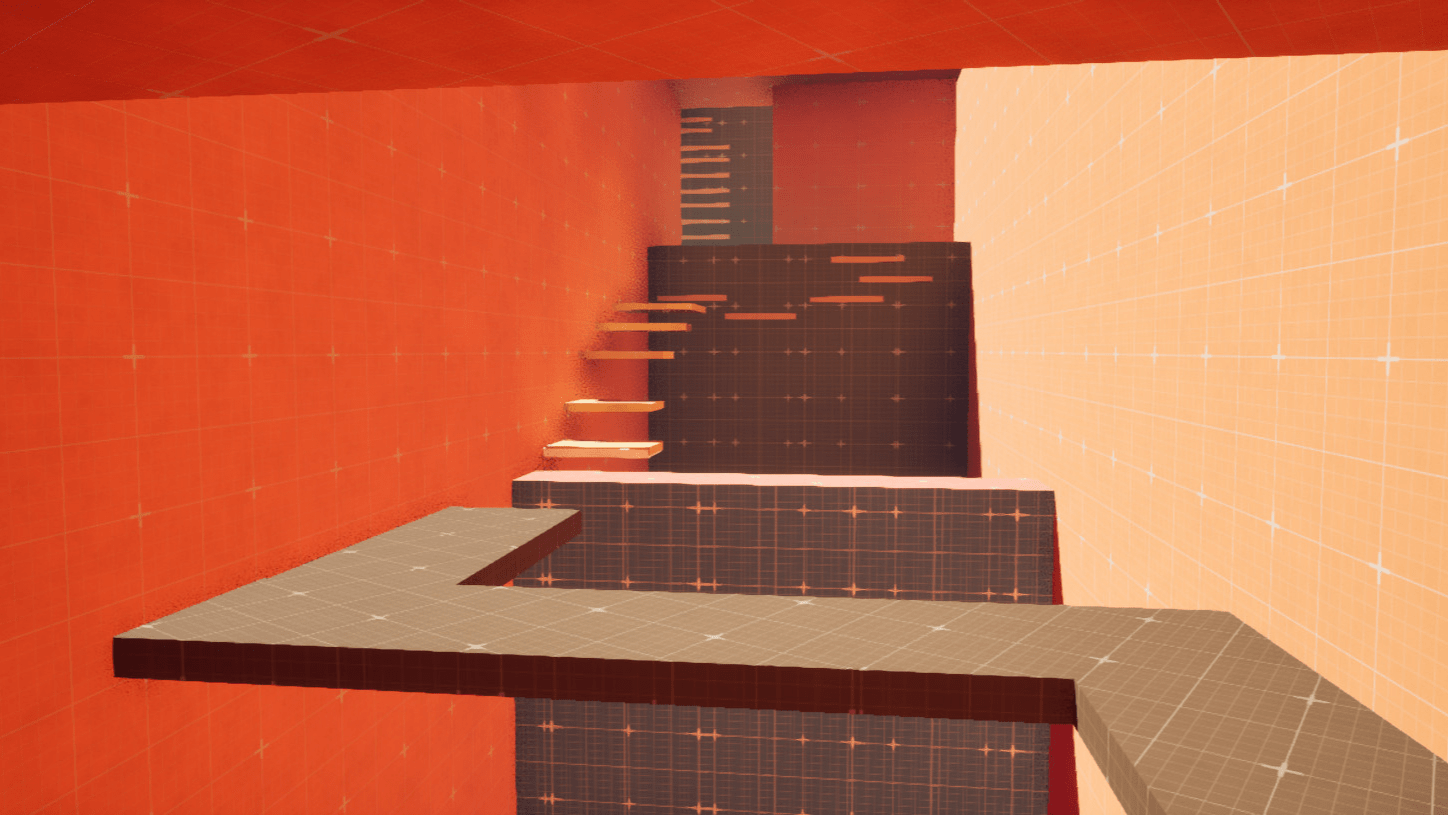
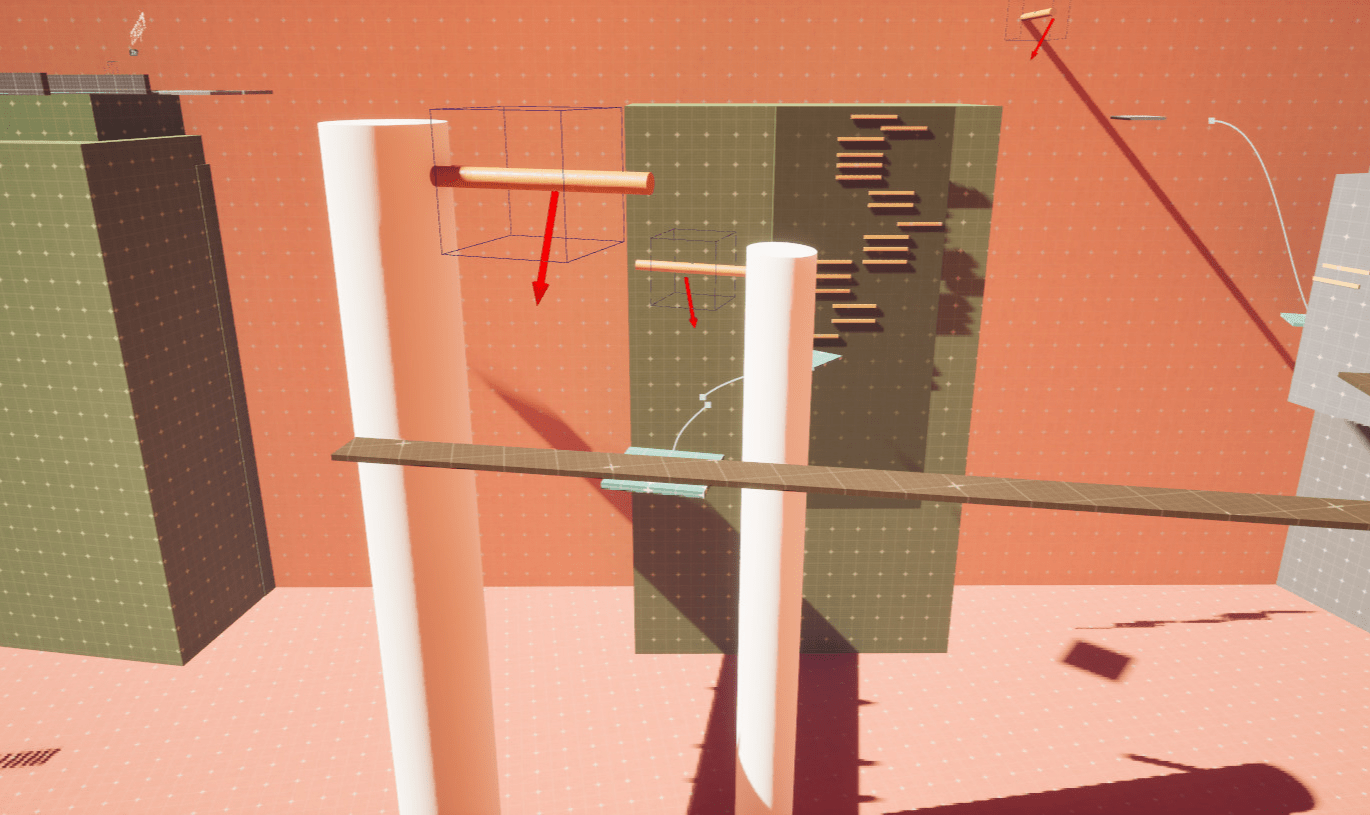
Results: I replaced the pickaxe wall with climbable blocks to speed up traversal and make climbing more player-driven and dynamic.
Feedback & Problem: While the change improved pacing and level flow, much of the climbable wall space was unnecessary. The excessive height made climbing sections feel slow, boring, and tedious, ultimately hurting the overall experience.
Solutions:
- Reduced climbing wall space to speed up traversal and maintain player engagement.
- Removed climbing spots that didn’t contribute to reaching vantage points.
Highlight 3
Results: This area was redesigned to increase platforming challenge, fitting its position near the end of the level.
Feedback & Problem: Players strongly disliked this section due to its punishing difficulty, which caused frustration and rage quitting, especially since failure meant restarting from the very beginning of the level.
Solutions:
- Cut the whole section entirely.
- Make a checkpoint system.
- Add teleports to the previous area to prevent players from restarting the level entirely after failure.
7. Roughout 3
Results:In this iteration, I redesigned multiple sections and scaled back the overall size and scope of the level. I also introduced enemy NPCs and created combat arenas to enhance encounter variety and improve moment-to-moment gameplay.
Goal: In this latest iteration, my focus was on finalizing the new level design to ensure it was more enjoyable than previous builds. I prioritized refining the layout of combat spaces and strategically placing enemies to establish a strong foundation for the overall experience.
Implementation/execution:
- Add dynamic movement elements to give players more agency during traversal.
- Tune the opening climbing section for smoother pacing and better player flow.
- Refine cover placement in combat arenas and adjusted enemy damage to create more balanced encounters.
- Redesign enemy placement to improve combat flow and increase challenge without overwhelming the player.
- Implement teleporter triggers for pitfalls and added a checkpoint system to reduce frustration after player death.
8. Playtest & Iteration 3
Highlight 1
Results: Instead of overcomplicated platforming that hindered progress and increased difficulty, I simplified the design to make areas more accessible while maintaining smooth flow throughout the level.
Feedback & Problem: Players responded positively to the updated area, finding it more accessible and enjoyable than the previous version. However, some testers still noted the repetitive nature of constantly parkouring to reach the top, suggesting room for further variation in traversal.
Solutions:
- Cut down the section to reduce repetition and improve pacing.
Added twists and turns to give the area a more natural, cave-like feel and enhance environmental variety.
Highlight 2
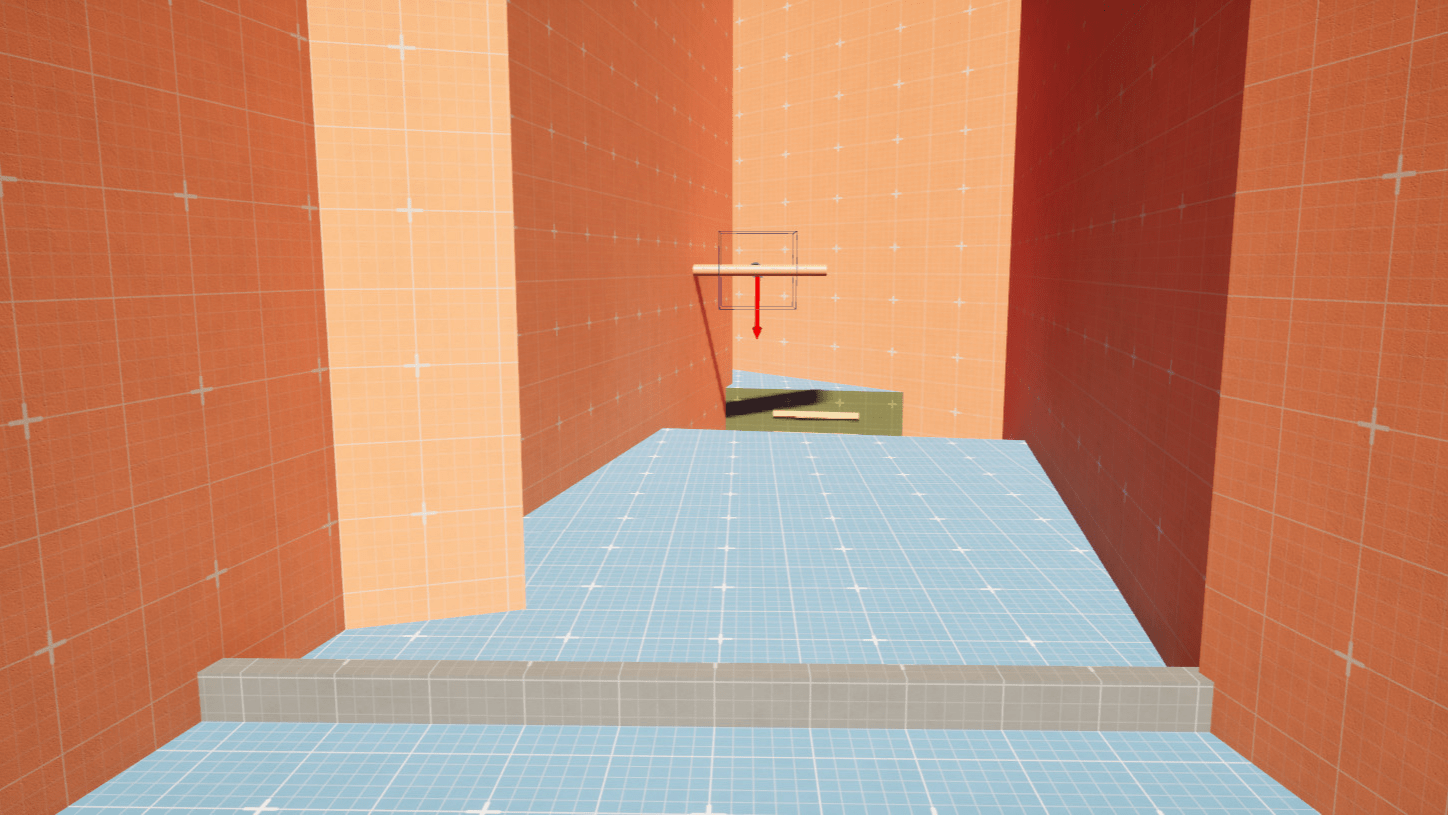
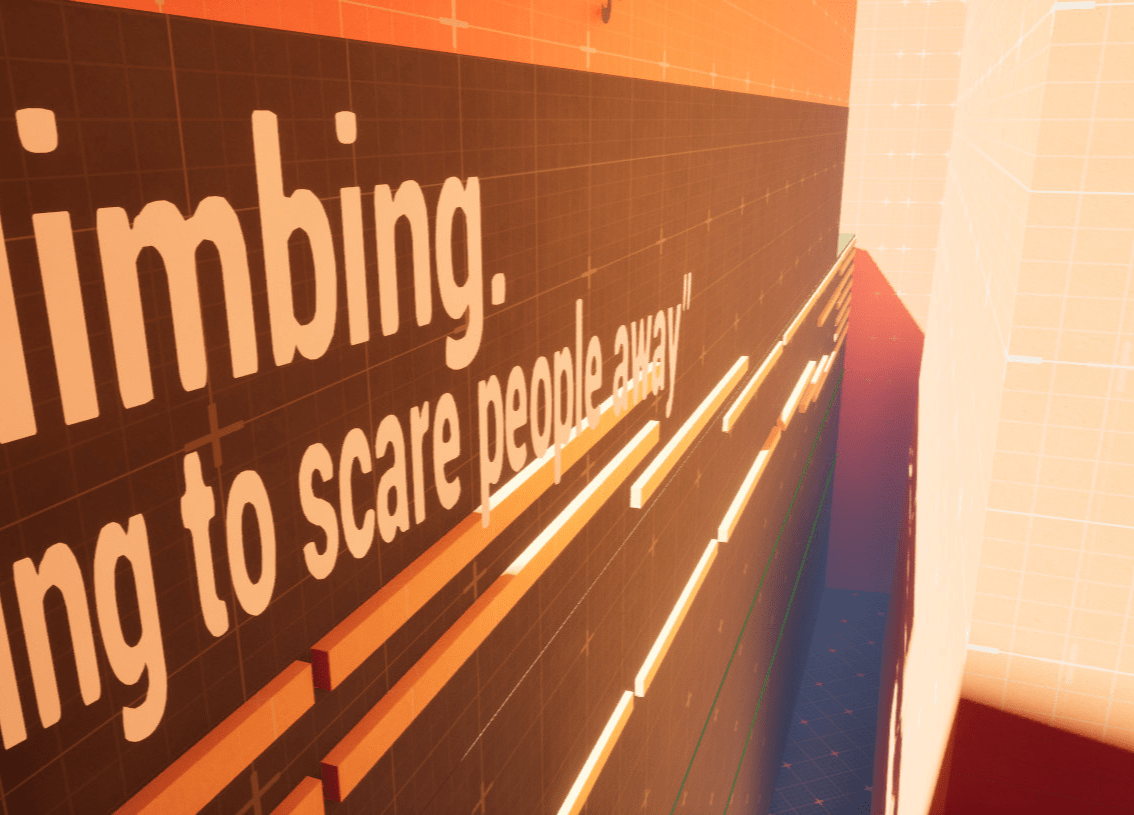
Results: In this climbing section, I simplified traversal across the beam, removing the need to drop down and repeat climbing. This change addressed player feedback about the sequence feeling repetitive and unintuitive.
Feedback & Problem: Players struggled to cross because running too fast caused them to hit the wall and fall to their death, leading to significant frustration.
Solution:
- Moved the ledge further away from the wall to prevent players from hitting it at full speed.
Highlight 3
Results: I scaled down the temple room and removed several sequences to create a tighter, more balanced experience. These changes also improved level clarity, helping players navigate without confusion.
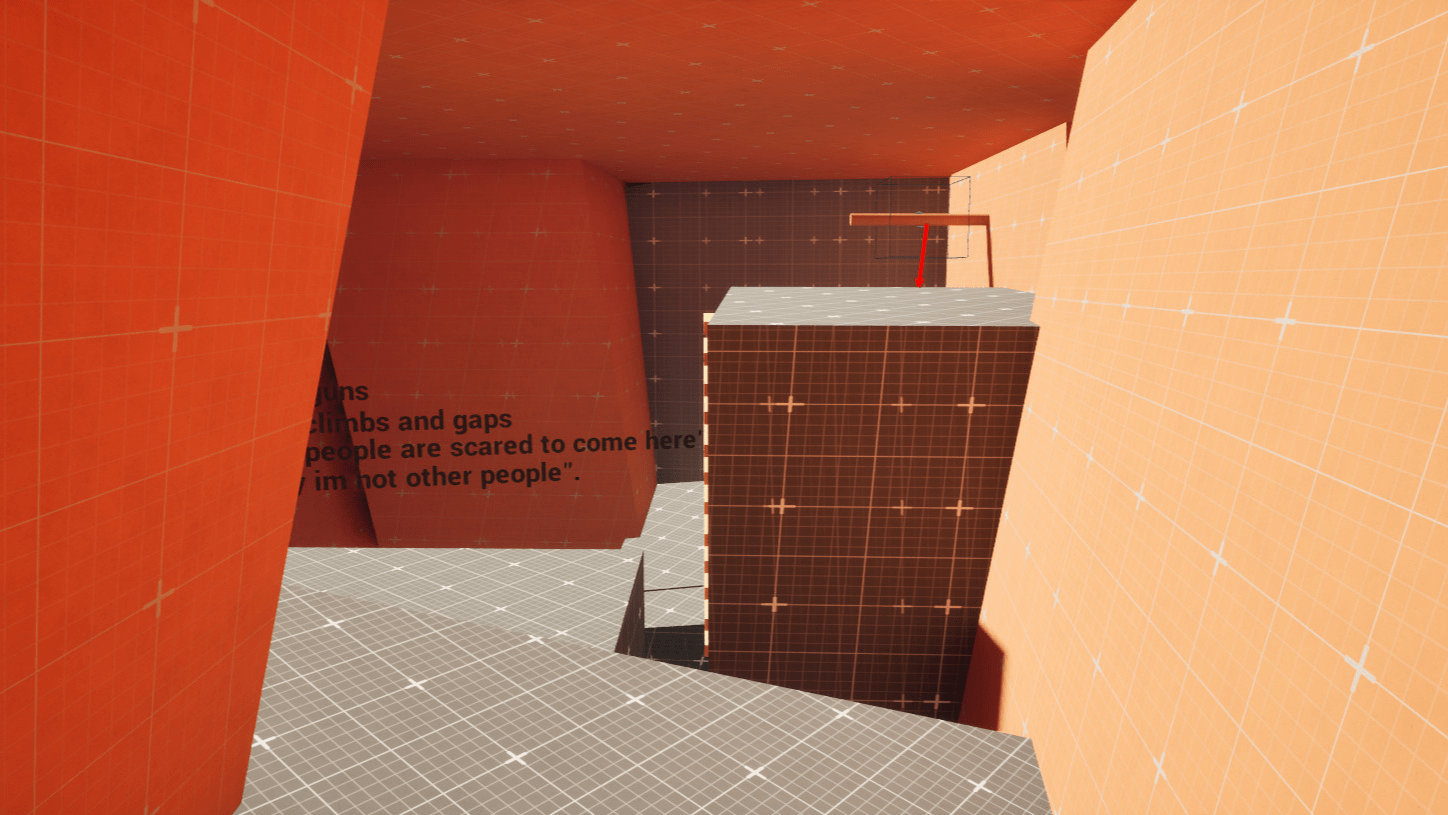
Feedback & Problem: Players responded positively to the changes in this area, finding traversal easier and the overall experience more enjoyable. However, some noted moments where gameplay felt passive, particularly in sections where they were simply holding forward, highlighting pacing issues and areas lacking engaging gameplay beats.
Solutions:
- Added more obstacles to introduce dynamic gameplay sequences and keep players engaged.
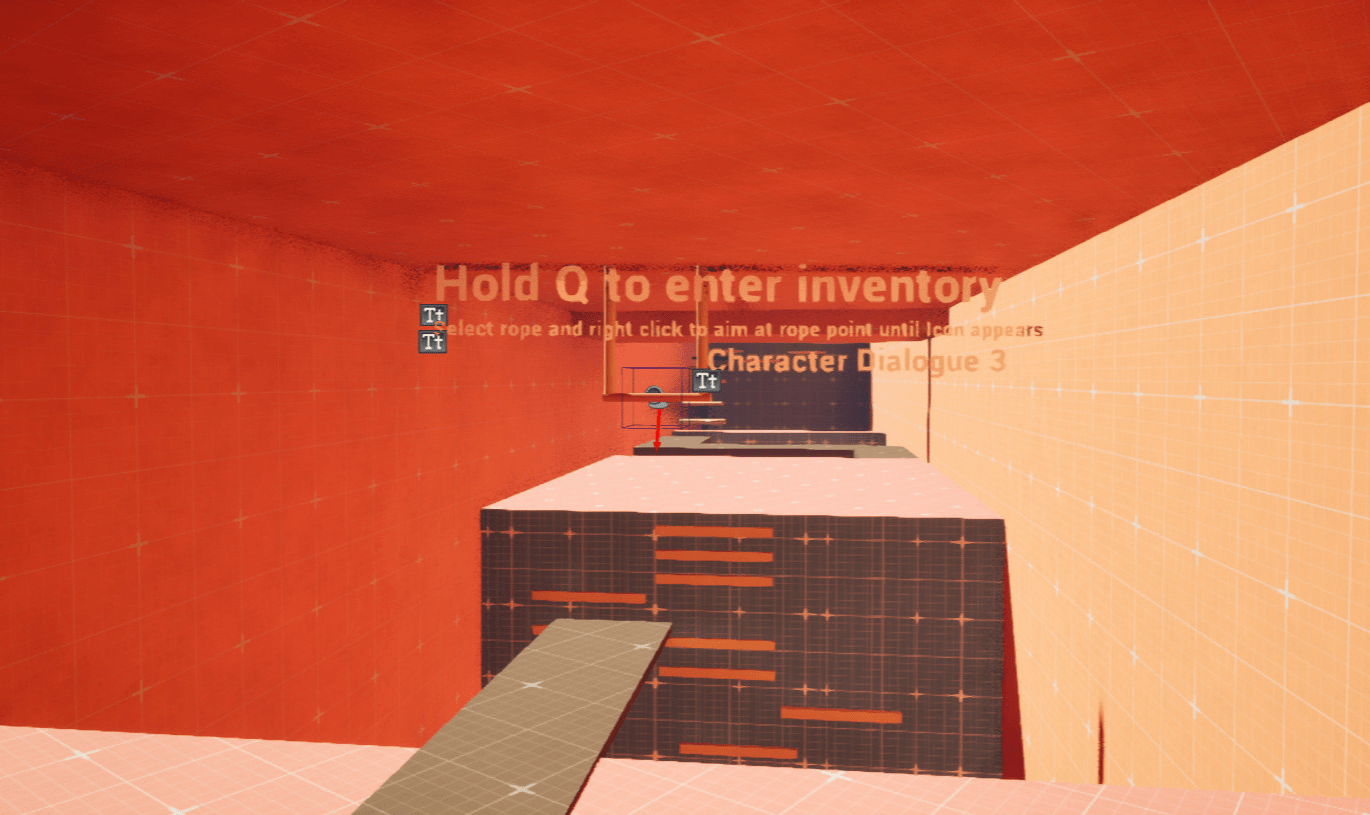
- Varied traversal paths to avoid long, straight stretches and create a more interactive movement experience.
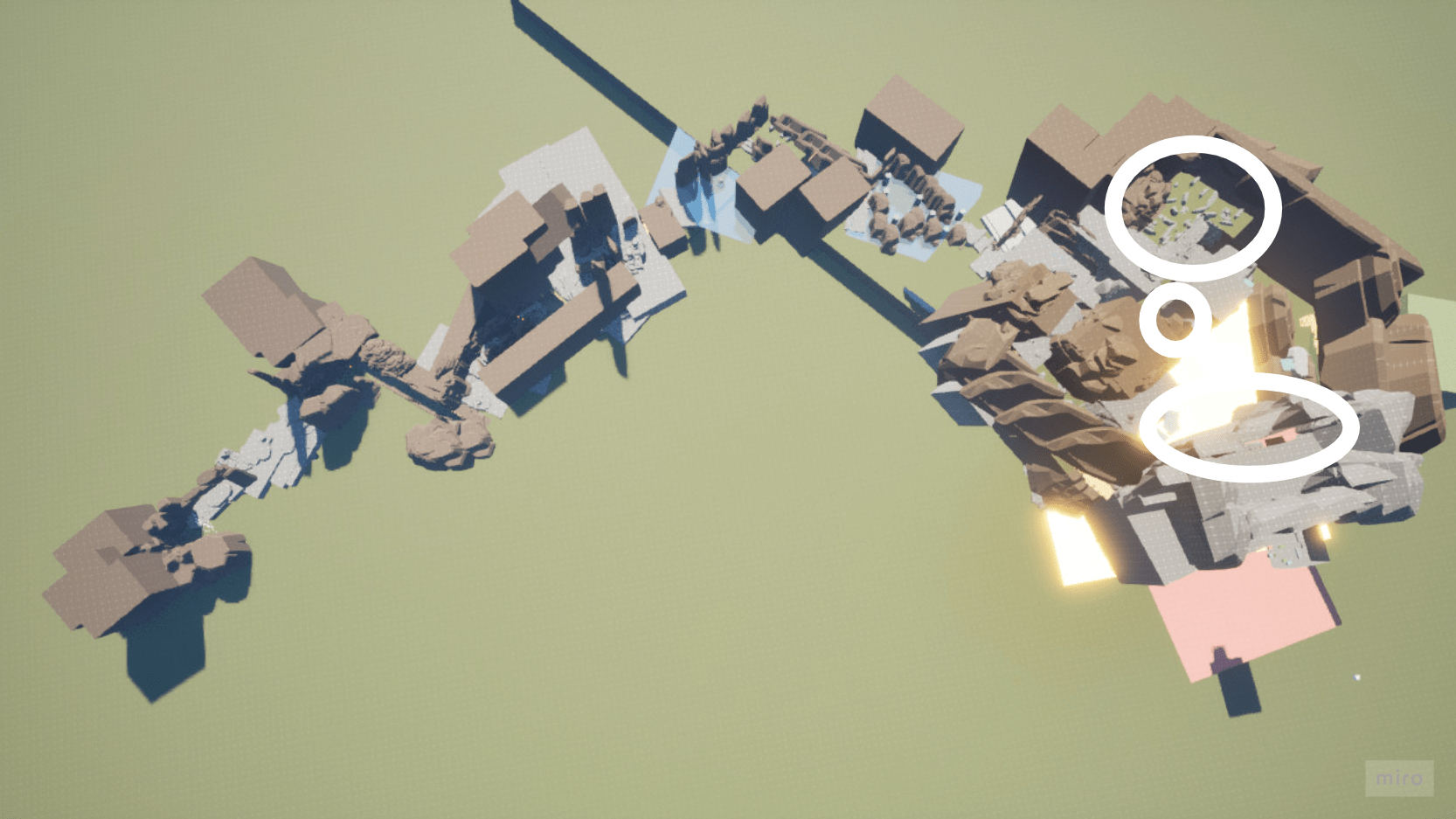
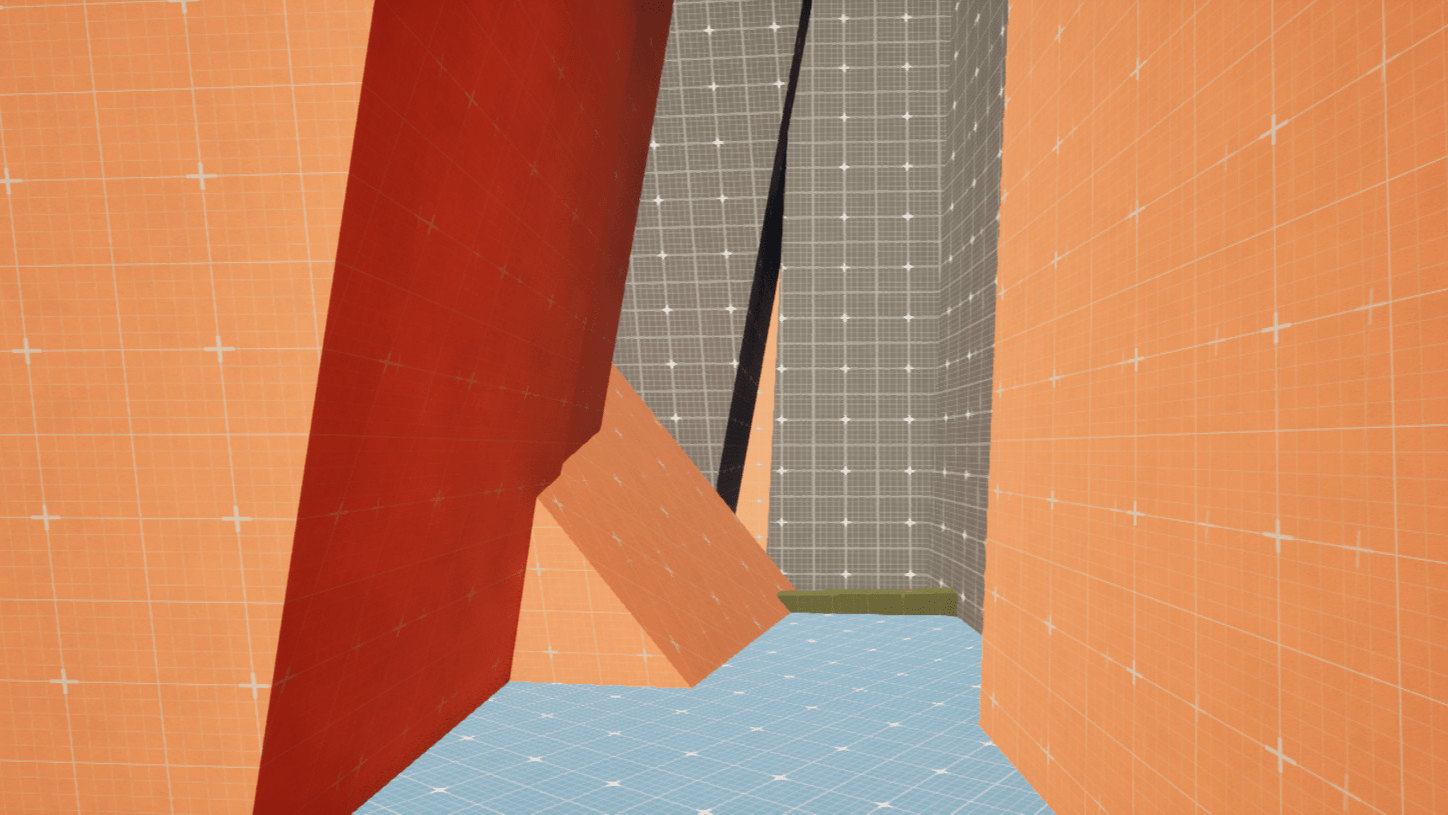
Reduced sharp 90-degree wall turns, incorporating more natural angles to improve level flow and prevent interruptions to player movement.
9. Roughout 4
Results: In this build, I focused on improving player experience by adding checkpoints and teleporters in pitfall areas, tuning combat arenas for better balance, and enhancing immersion through background music and cinematic vista shots that guide players toward the level’s goal.
Goal: This iteration focused on improving player experience by adding checkpoints and teleporters near pitfalls to reduce frustration. I also added background music for immersion and tuned combat arenas and damage values for better balance.
Implementation/execution:
- Added cinematic camera to guide player to the goal
- Improved cover placement to support smoother movement and better combat flow.
- Added triggers and checkpoints to support smoother level progression after player death.
10. Playtest & Iteration 4
Highlight 1
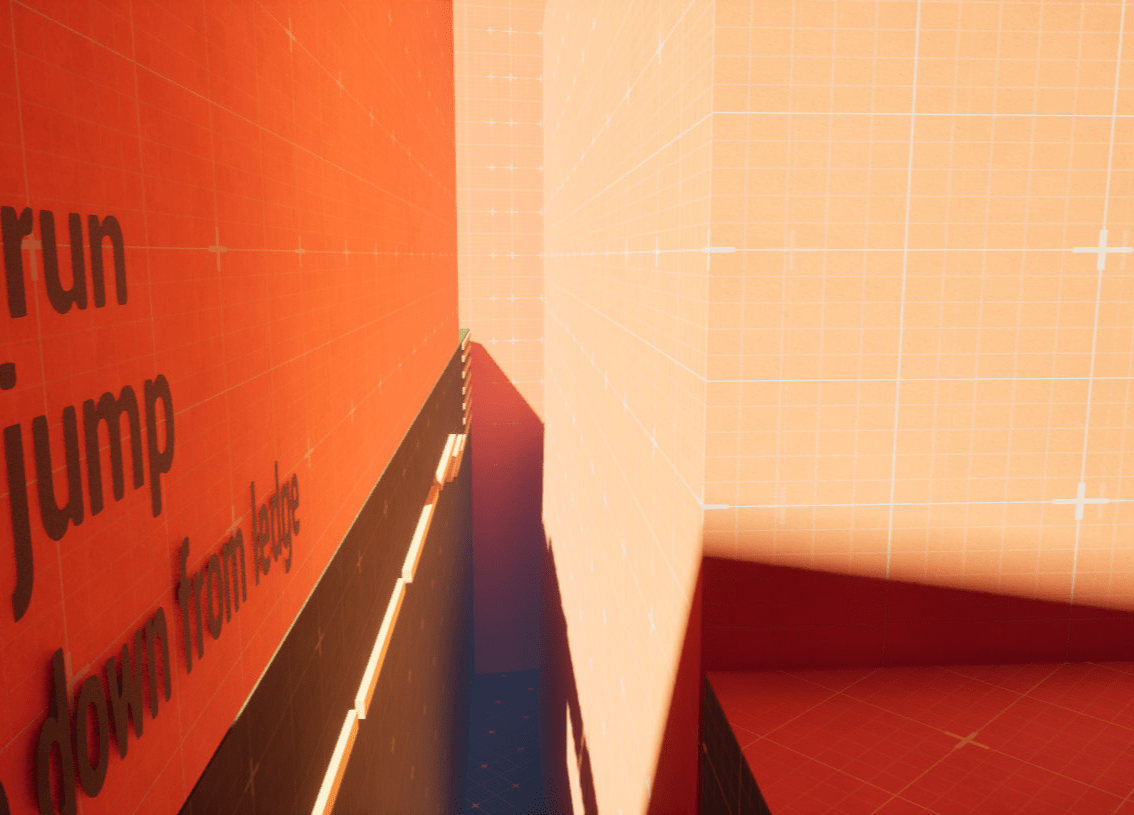
Results: Made it easier to reach the initial climbing section and introduced more dynamic climbing to enhance engagement in the area.
Feedback & Problem: Playtesters felt the climbing was too linear, leading to a tedious experience.
Solution:
- Add climbing spots that allow upward and downward movement to give players more agency, avoiding a straight, linear climbing path.
Highlight 2
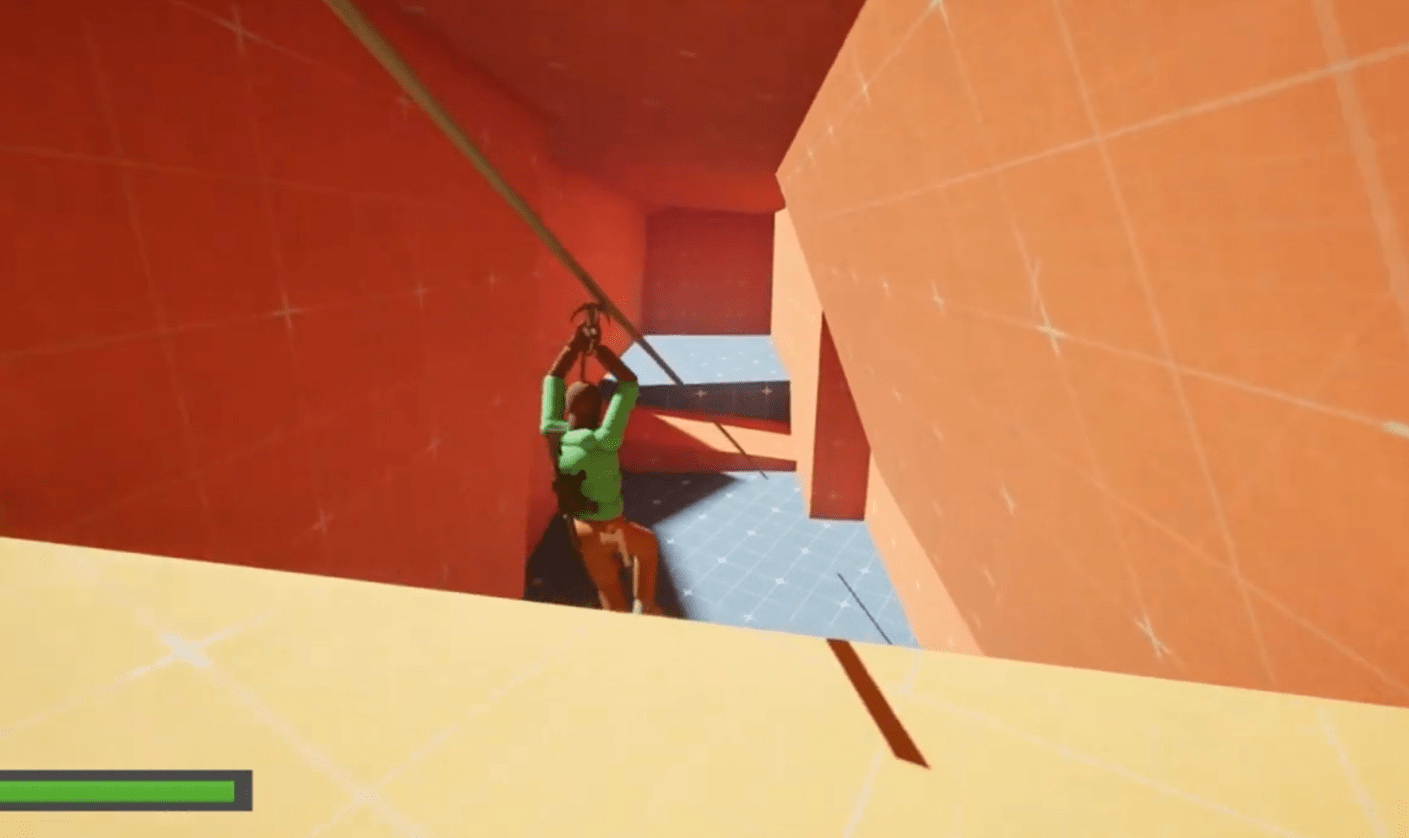
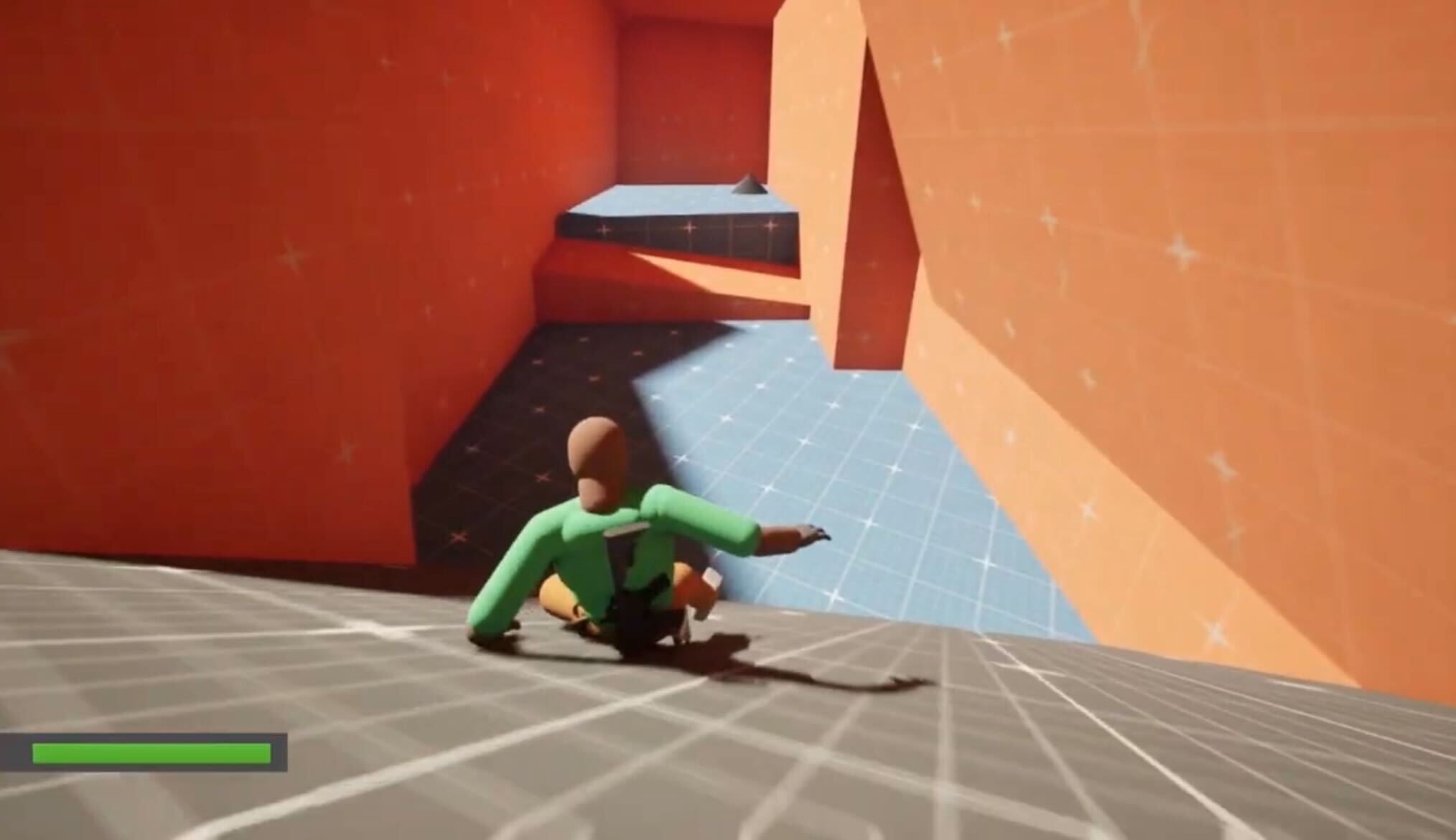
Results: Replaced the zipline with a slide after players reported taking damage upon landing. The slide offers a safer, more dynamic experience that better complements player movement.
Feedback & Problem: Players preferred the slide over the zipline but felt the area had too much empty space and requested more objects to traverse through for added engagement.
Solutions: .
- Reduce open space and create a more enclosed area.
- Add more objects to fill the space.
Highlight 3
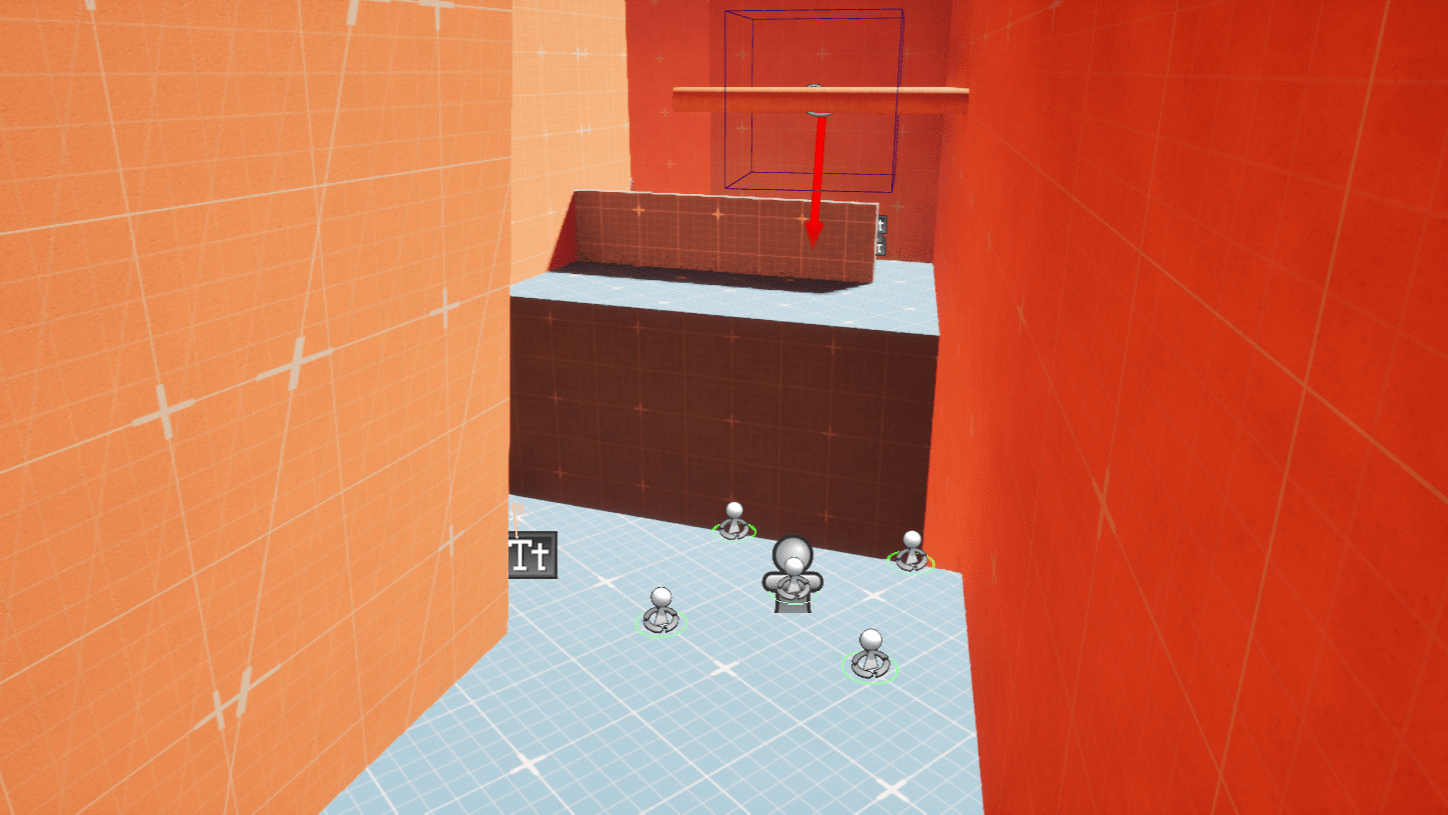
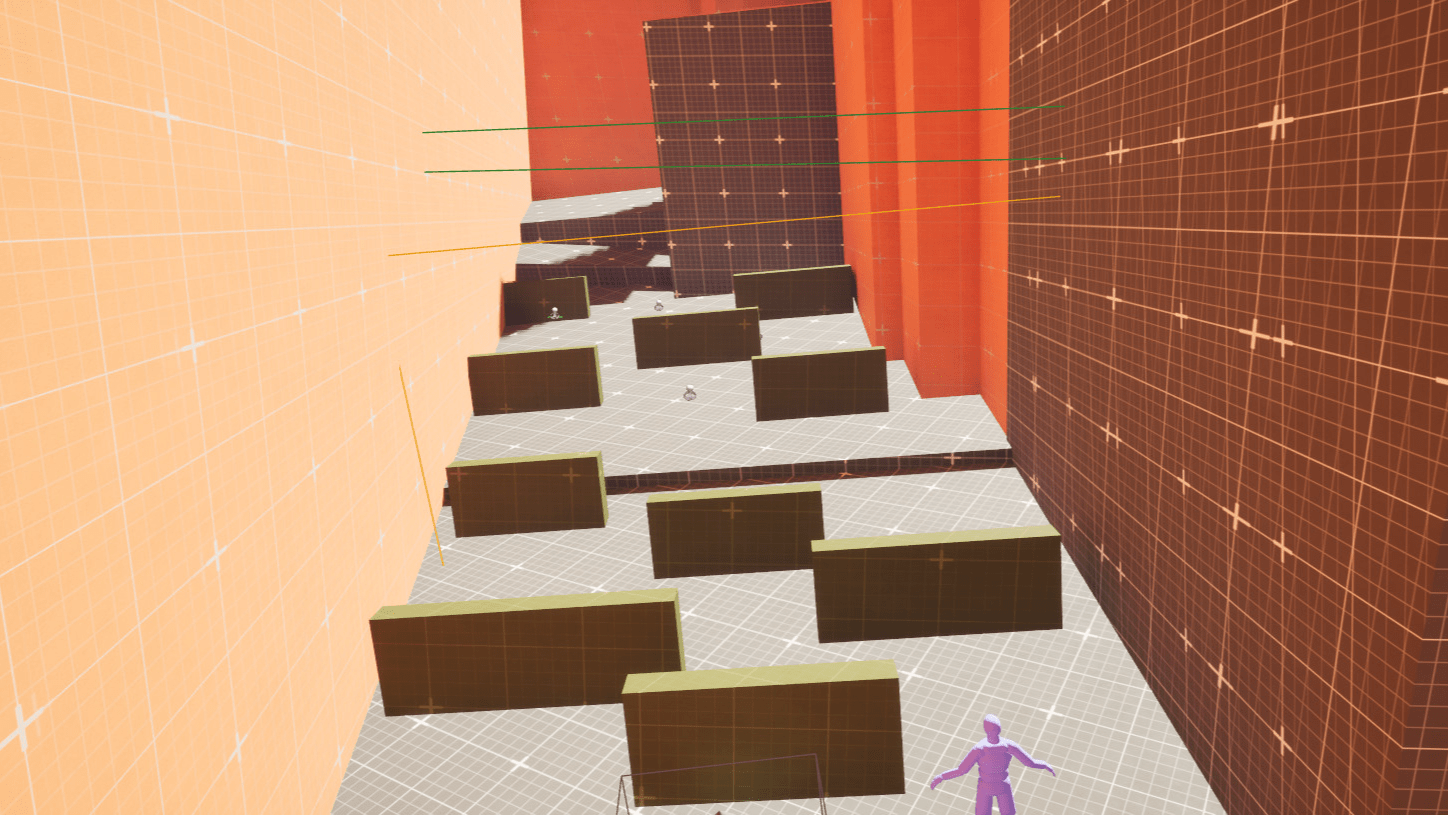
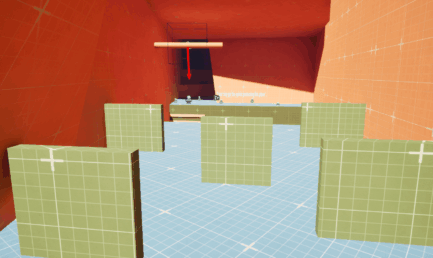
Results: I redesigned the cover in the tutorial area to better protect the player upon entry, preventing unfair enemy hits.
Feedback & Problem: Players reported that the tall cover obstructed their view, making it hard to see ahead. They also felt the cover placement was unnatural and jarring upon entering the space.
Solutions: .
- Adjust cover placement for better flow and natural positioning.
- Lower cover to hip height to improve player visibility.
11. Roughout 5
Results: This iteration focused on implementing feedback by adding more dynamic elements to the level. I introduced additional slides, small objects, and obstacles to enhance parkour gameplay, while narrowing spaces to improve player flow. Swimming sections were added to further vary traversal, and cover spots were redesigned to be hip height and properly spaced to prevent camera issues and ensure smooth movement during combat.
Goal: The goal of this iteration was to finalize the level’s core gameplay mechanics and ensure all elements such as enemy placement and in-game objects were properly positioned to support a complete and cohesive gameplay experience.
Implementation/execution:
- Reviewed feedback to fine-tune dynamic elements and gameplay sequences.
- Uneven terrain to enhance environment feel more organic and alive.
- Added new traversal mechanics to improve pacing and create a more dynamic, organic gameplay experience.
12. Playtest & Iteration 5
Highlight 1
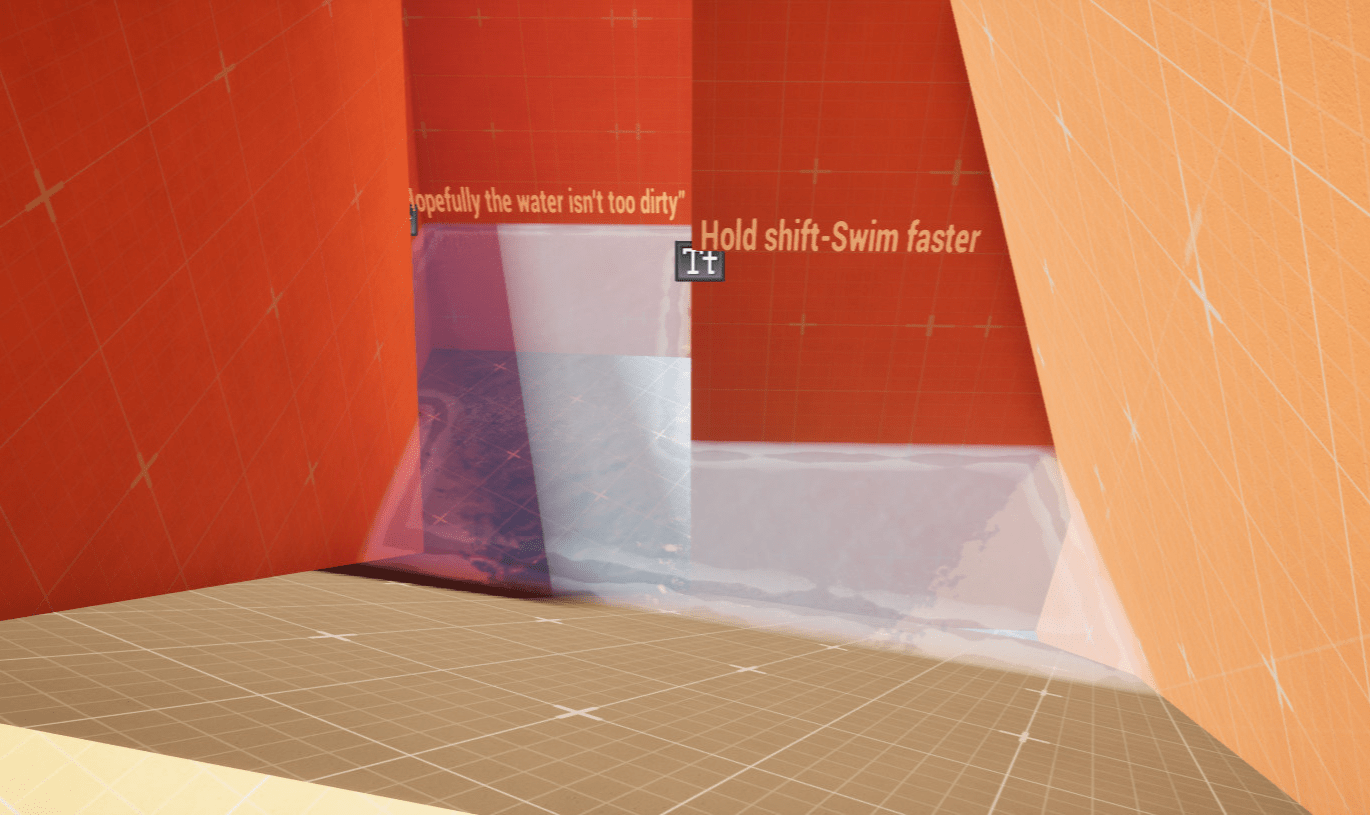
Results:Added swimming and water elements to this area, and adjusted the surrounding space to make the environment more engaging for the player.
Feedback & Problem: Players enjoyed the addition of swimming, appreciating the variation in gameplay. However, a sharp corner in the area caused awkward camera behavior, making traversal feel jarring.
Solution:
- Remove or push the wall outward to create a smoother, more natural corner turn and improve camera flow during movement.
Highlight 2
Results: Replaced a straight climbing sequence with a platforming section to reduce repetition and make traversal more engaging.
Feedback & Problem: Players preferred the new platforming approach over repetitive climbing. However, some found the platforms too narrow, making traversal unnecessarily difficult.
Solution:
- Closed off pitfall gaps in this section to create a smoother, more seamless transition to the next climbing area, improving overall flow and pacing.
Highlight 3
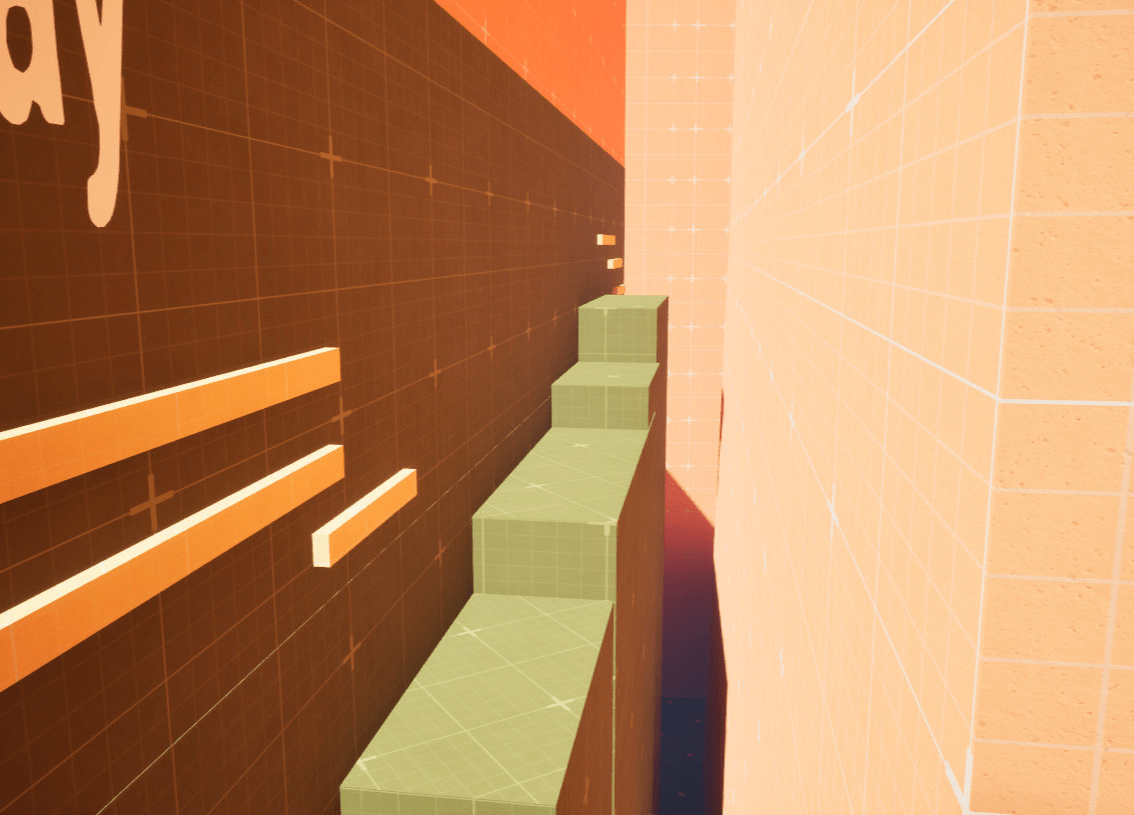
Results:I added climbable areas to replace a linear hallway to increase player engagement within the space.
Feedback & Problem: Playtesters responded positively to the added player agency and improved interactivity. However, some noted that the section became repetitive due to the number of climbable blocks.
Solutions:
- Removed select blocks in the opening section to reduce repetition and maintain a smoother, more varied traversal experience.
13. Roughout 6
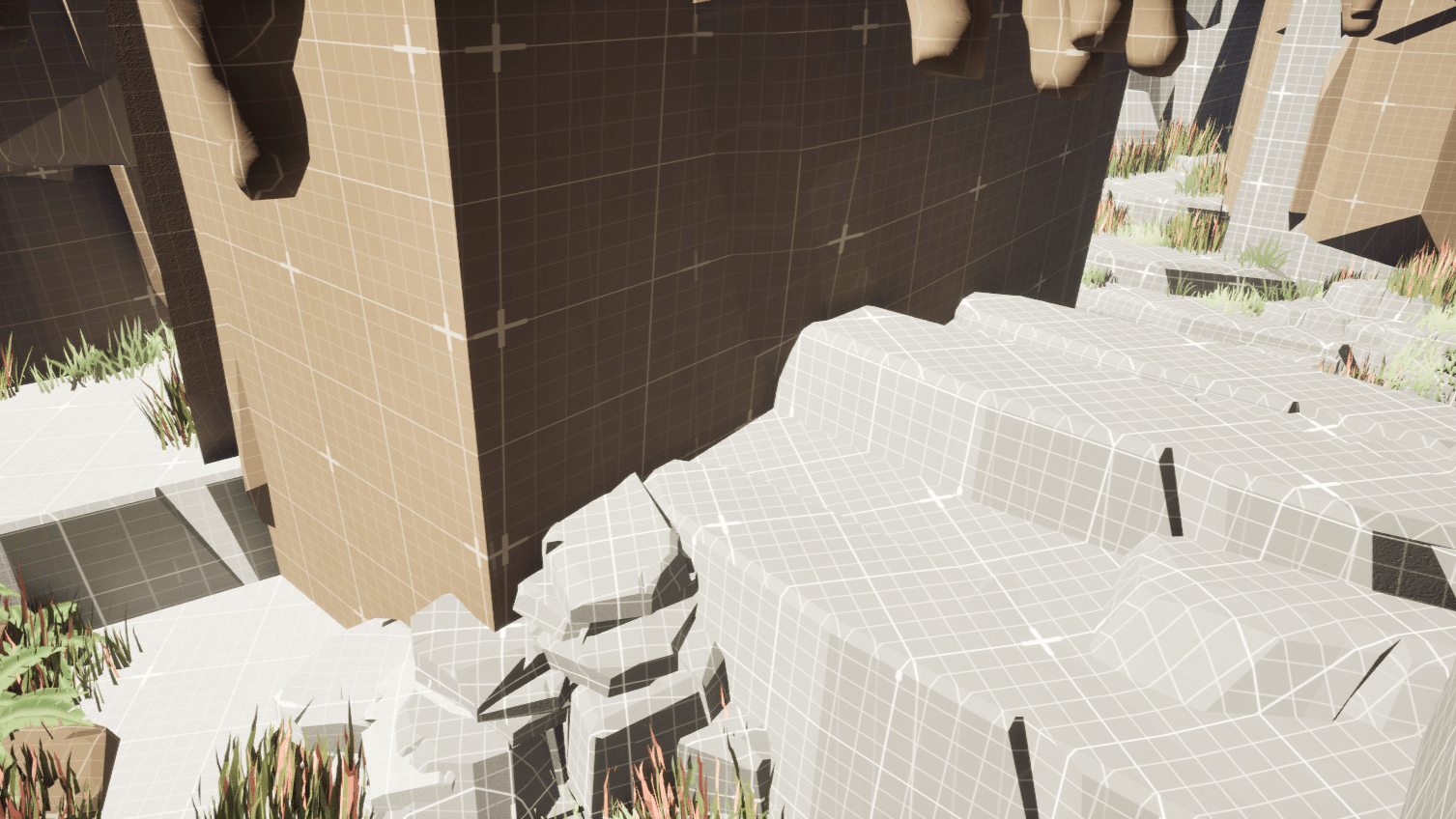
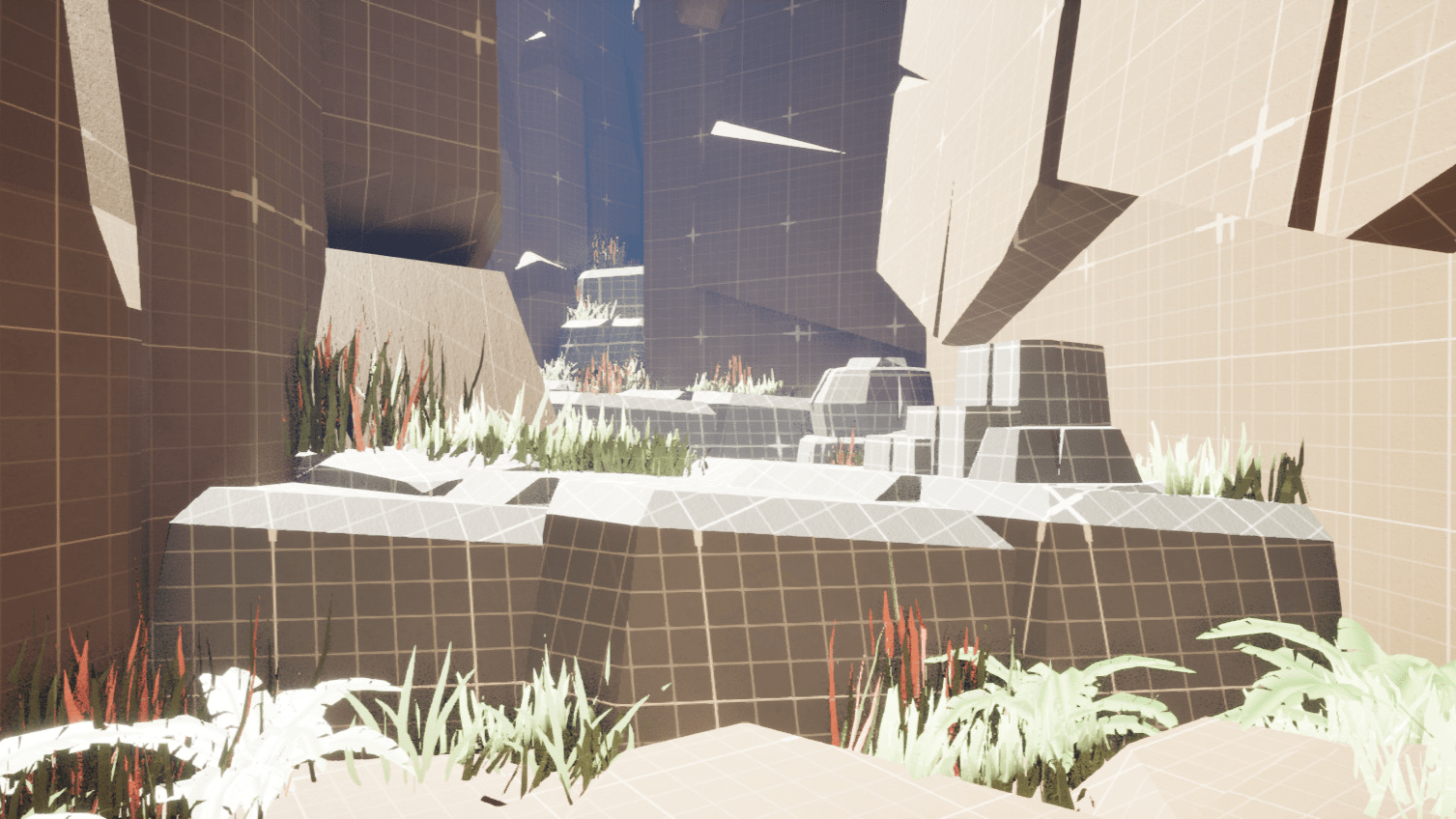
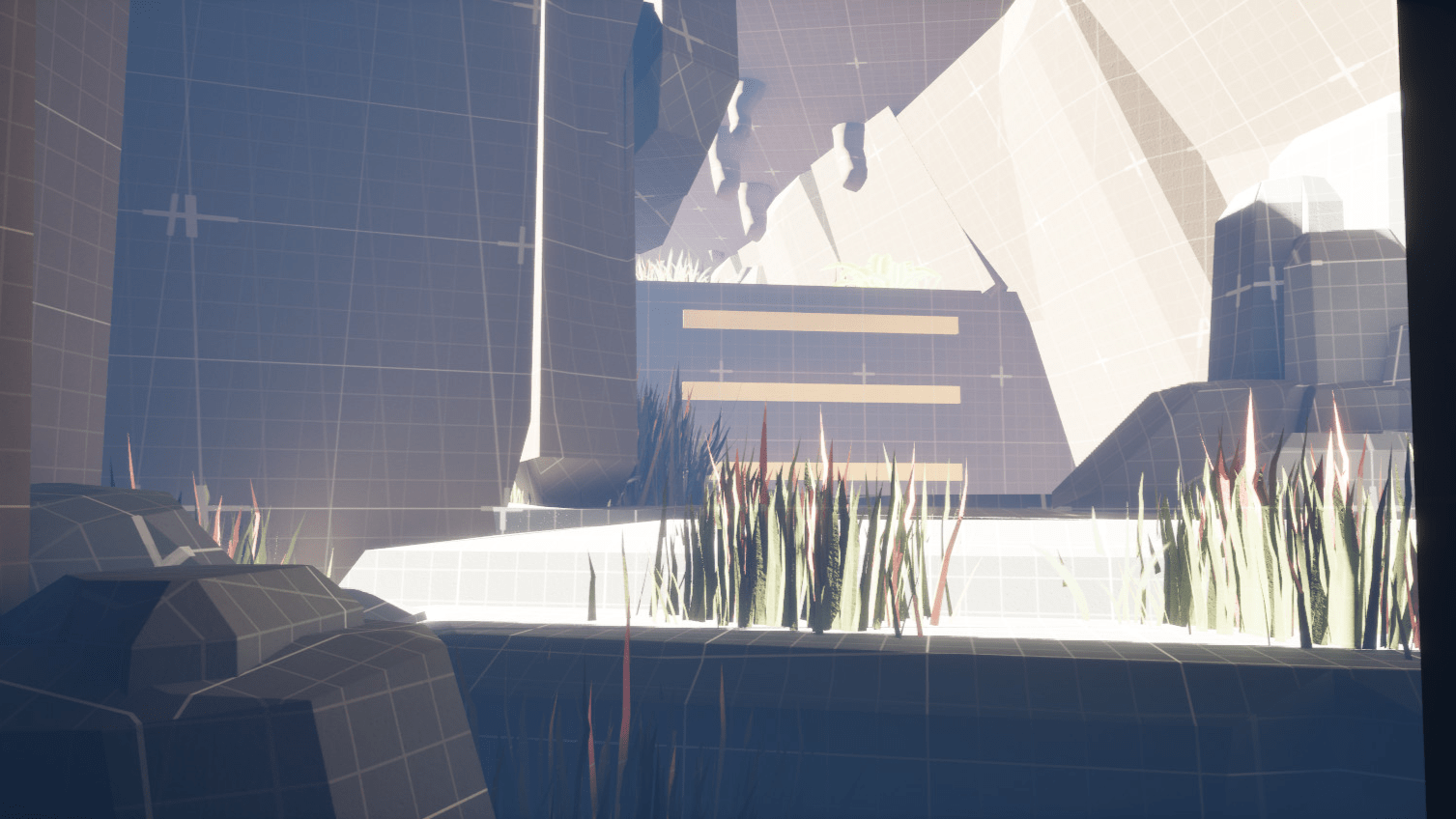
Results: This iteration focused on polishing the level’s visuals by adding rocks and grass to create a more immersive and believable environment. I replaced most of the placeholder cube meshes and basic shapes with natural rock assets to bring the level to life.
Goal: The goal of this blockout was to finalize the level’s presentation and strengthen world-building by polishing the visuals to create a compelling and immersive experience for players.
Implementation/execution:
- Light polish on certain areas.
- Implemented foreshadowing and clear sightlines to subtly guide players and improve navigational clarity.
- Replace cube meshes with rocks and grass.
14. Playtest & Iteration 6
Highlight 1

Results: I replaced placeholder cube meshes with rock assets to bring the environment to life and enhance immersion. I also varied the size and spacing of the rocks to create diverse cover options during gunfights, giving players more tactical opportunities to flank and engage enemies from different angles.
Feedback & Problem: The playtester enjoyed the gunfights and was able to use the cover tactically to defeat enemies. However, they recommended raising the height of the cover, as they were still getting hit while standing behind it.
Solution:
- Raise the cover so the player cant get hit when standing behind cover.
Highlight 2

Results: I added platforms to close the gap to make it easier for the player to travese to the next climbing.
Feedback: Players enjoyed this section much more and felt the flow of the level being able to move freely through these enclosed platforms. The play tester even took notice as he was the one that suggested to me to close the gap to make it not only easier for the player to traverse but help with the overall flow of the level.
Highlight 3

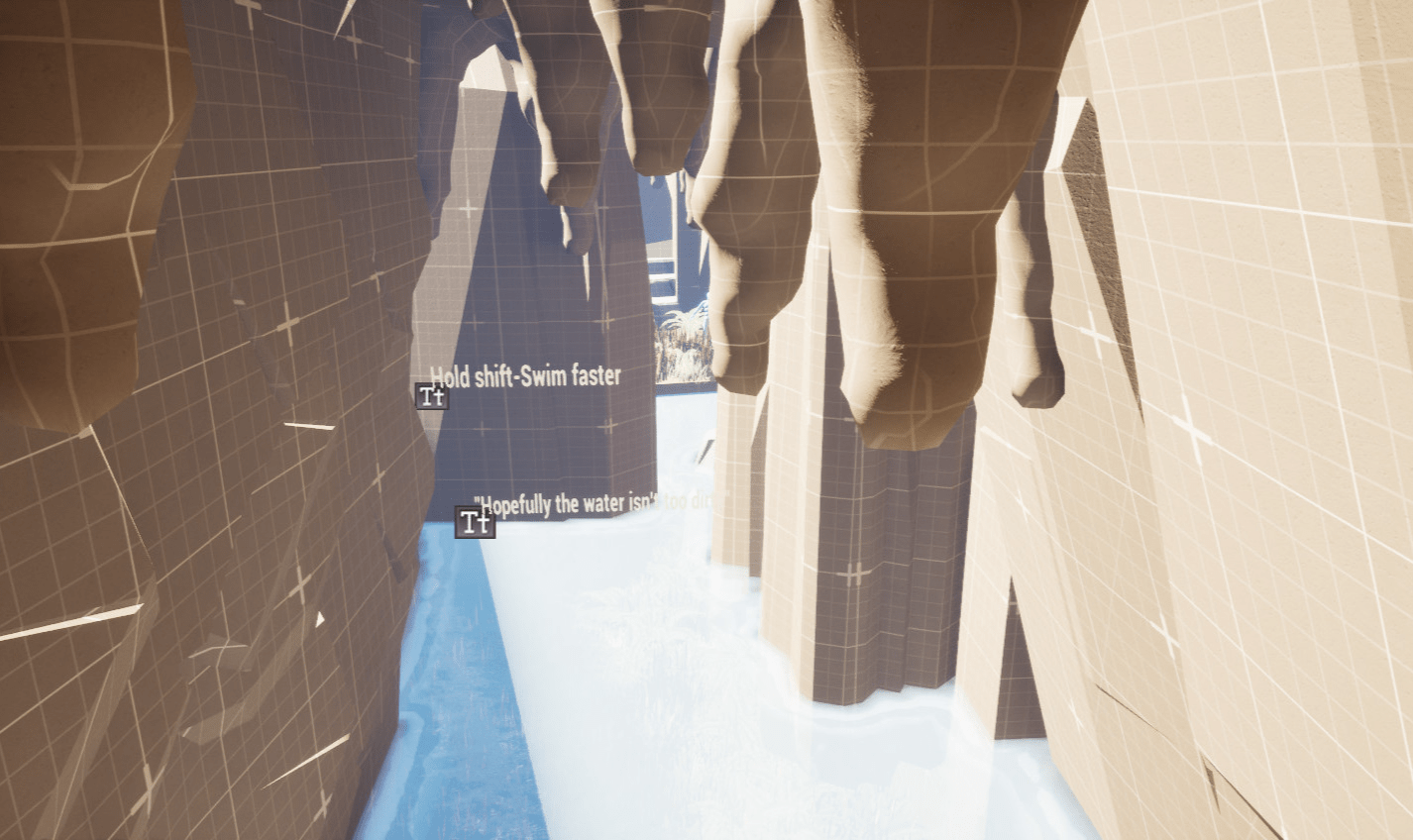
Results:I pushed the wall further in to make it easier for the player to traverse through the water without the camera getting stuck on the wall.
Feedback/Problem: The two rocks near the entrance were still a bit tight, and testers suggested pushing them out slightly to allow for easier entry.
Solution:
- Pushed the left wall outward to improve player movement and create a smoother, more accessible path.