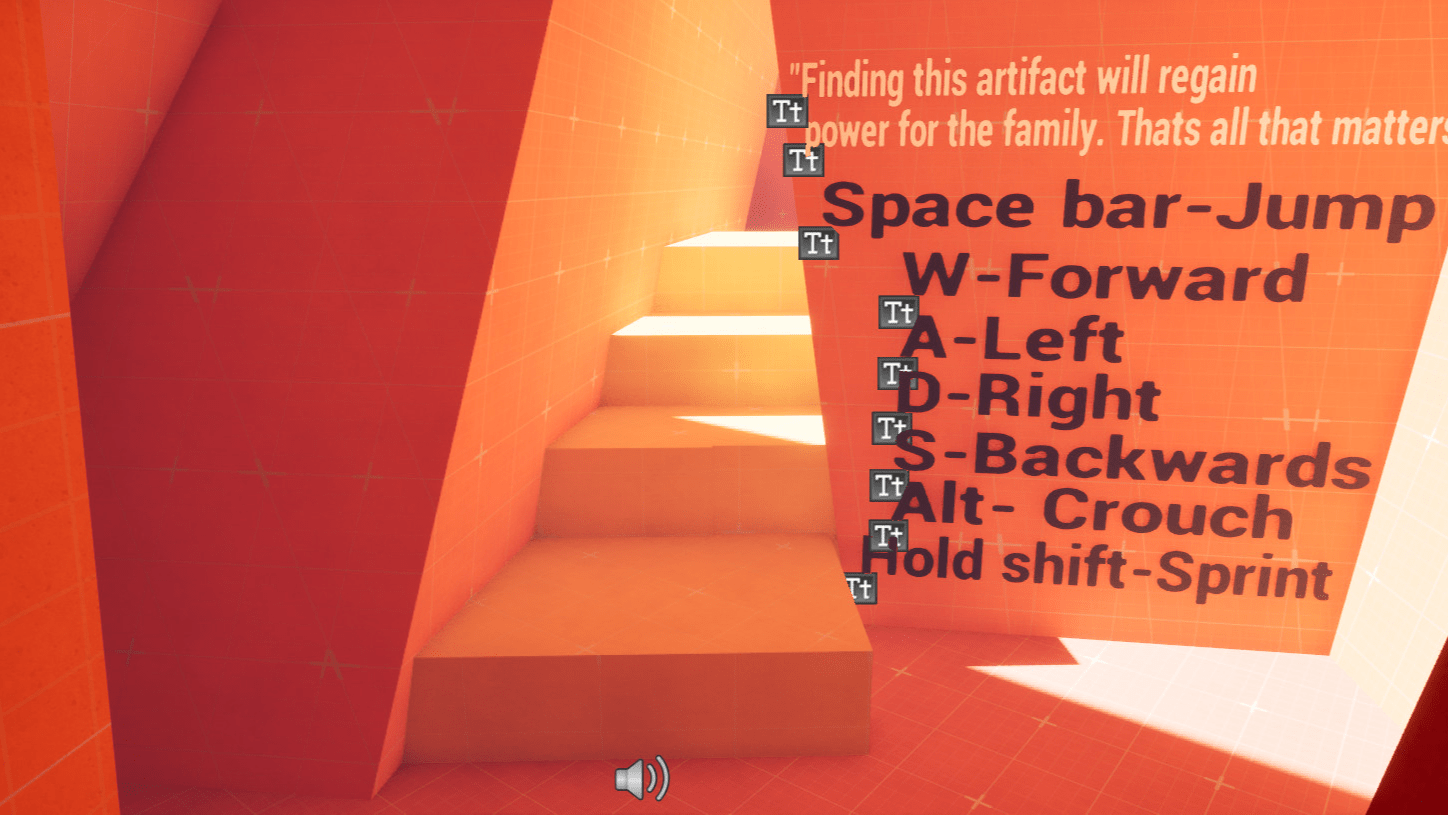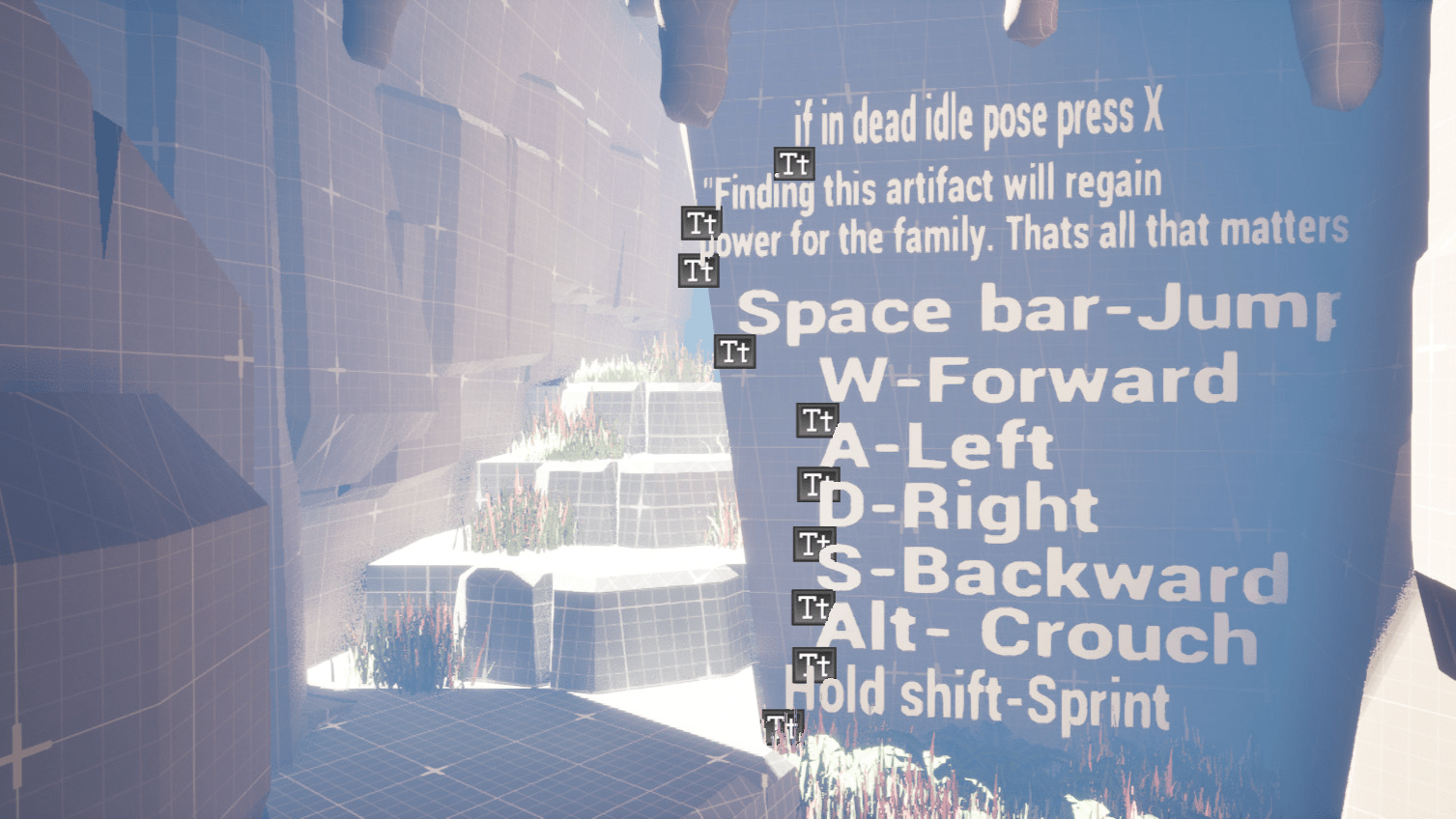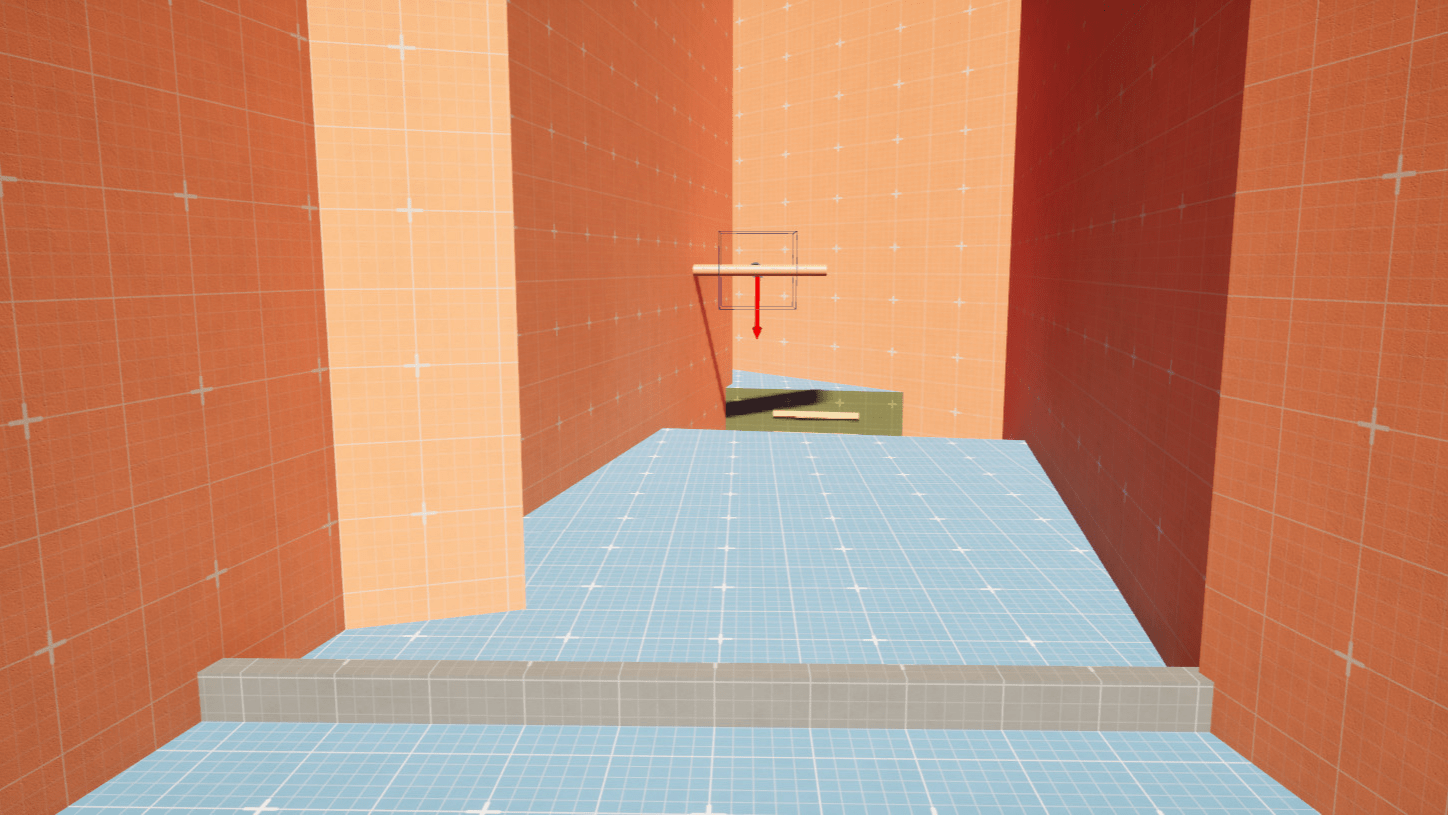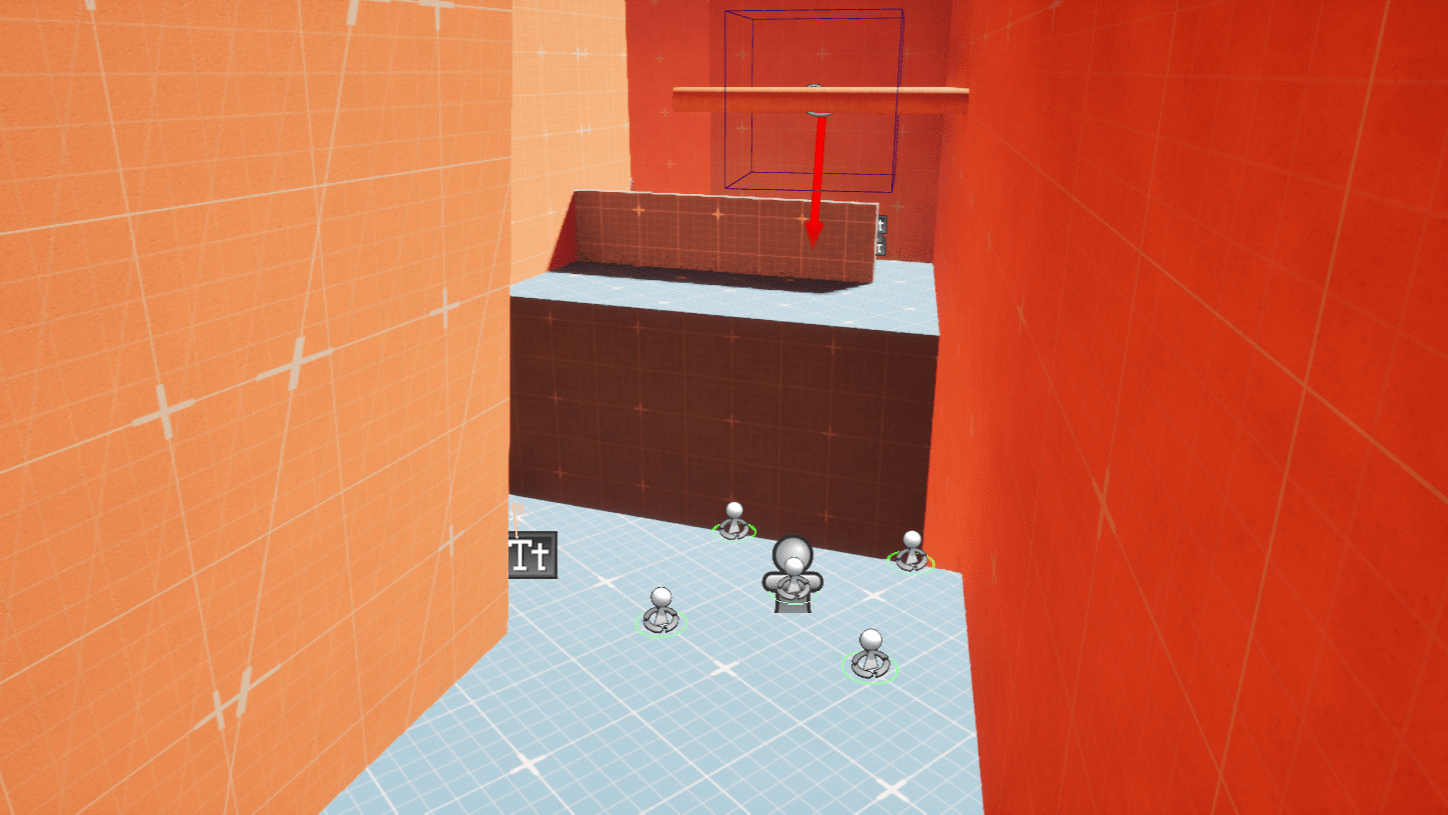
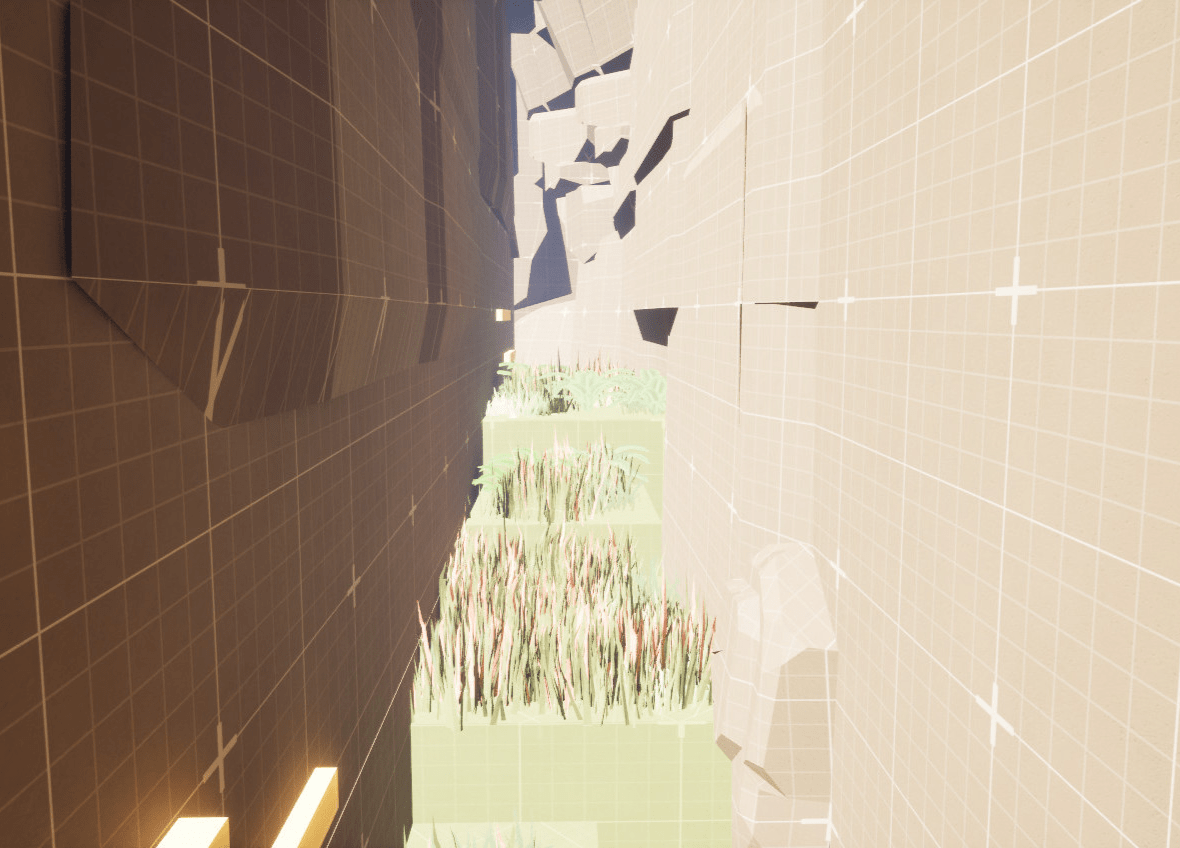
Ogbunike Temple

Table Of Contents
    Add a header to begin generating the table of contents

    Overview

    Goal

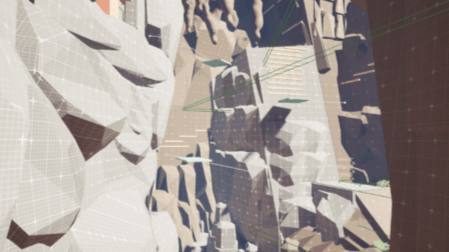
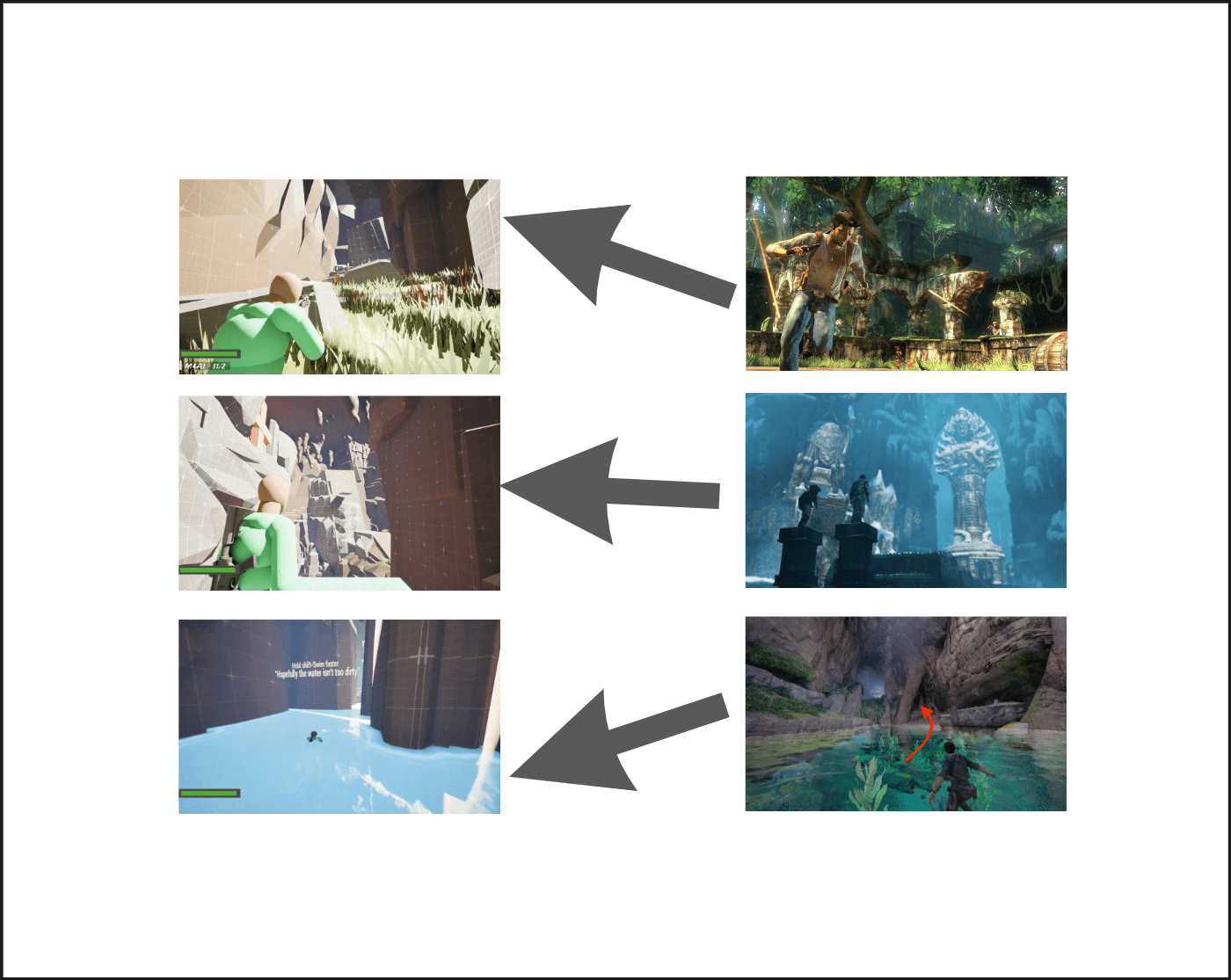
    The goal of this level was to create a fictionalized interpretation of the Ogbunike Caves in Nigeria. I aimed to evoke a sense of beauty and wonder as the player explores the diverse areas of the environment. The level is designed to deliver a feeling of adventure and danger, inspired by classic stories like Uncharted and Indiana Jones.

    Throughout each iteration, I focused on key level design elements to enhance the player’s experience, including:

    • Combat spaces
    • Encounter pacing
    • Enemy placement
    • Platforming/traversal
    • Light Narrative elements

    “Nathan Kellman, a veteran level designer who worked on Diablo 4 and Mafia: The Old Country, was a huge help in improving my level with each iteration.”

    Level Overview & Technique Highlights

    Setting/synopsis: Hidden deep in the heart of Nigeria, the Ogbunike Temple is steeped in legend. Within its ancient walls lie powerful secrets and treasures, sealed in a vault and guarded by spirits sworn to strike down intruders.

    The player controls a skilled warrior who is on a mission to traverse through the dangerous temple and retrieve a family heirloom from the temple that will bring back hope and power to his village. 

    Technique Highlight: Path Markers

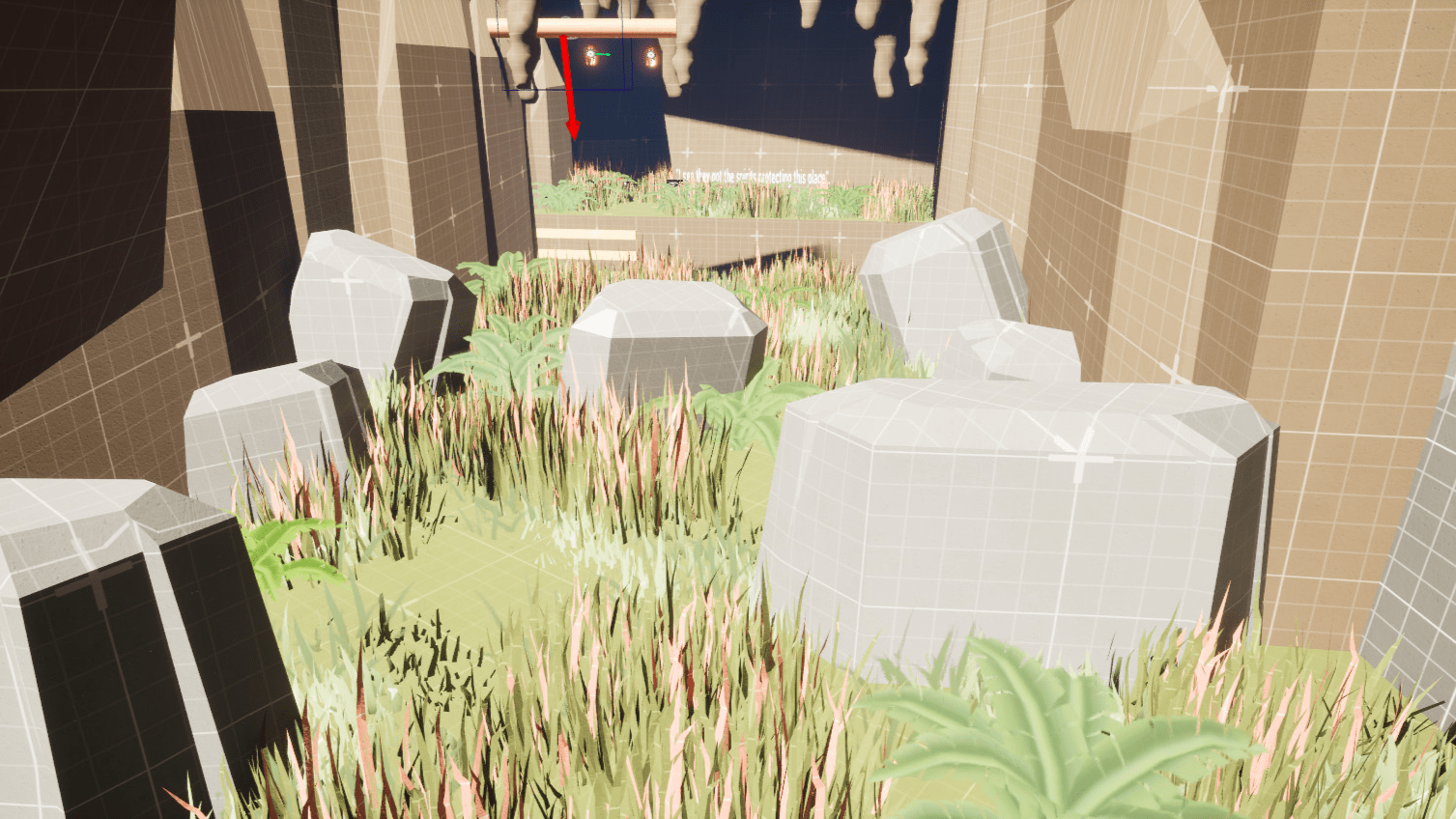
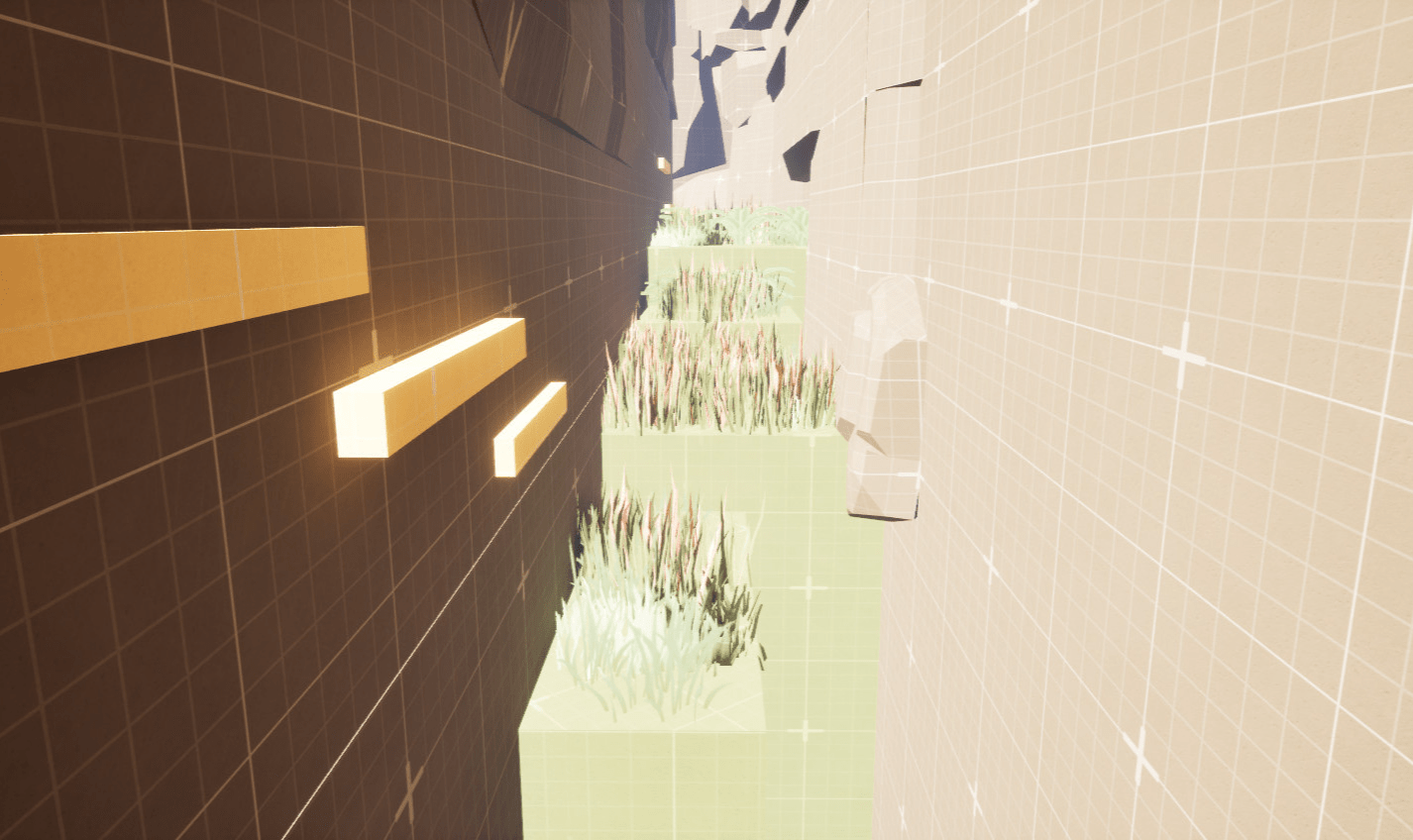
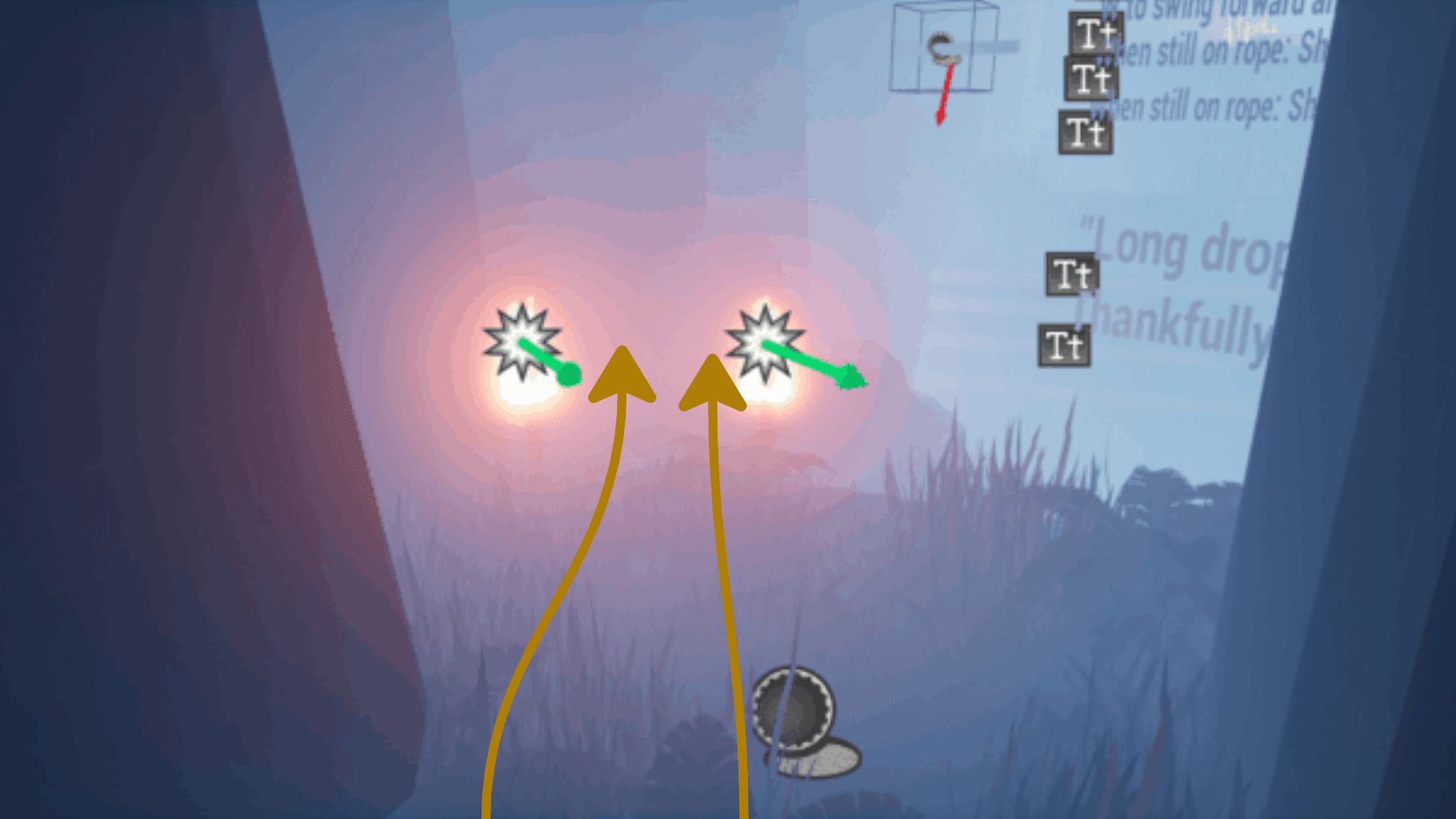
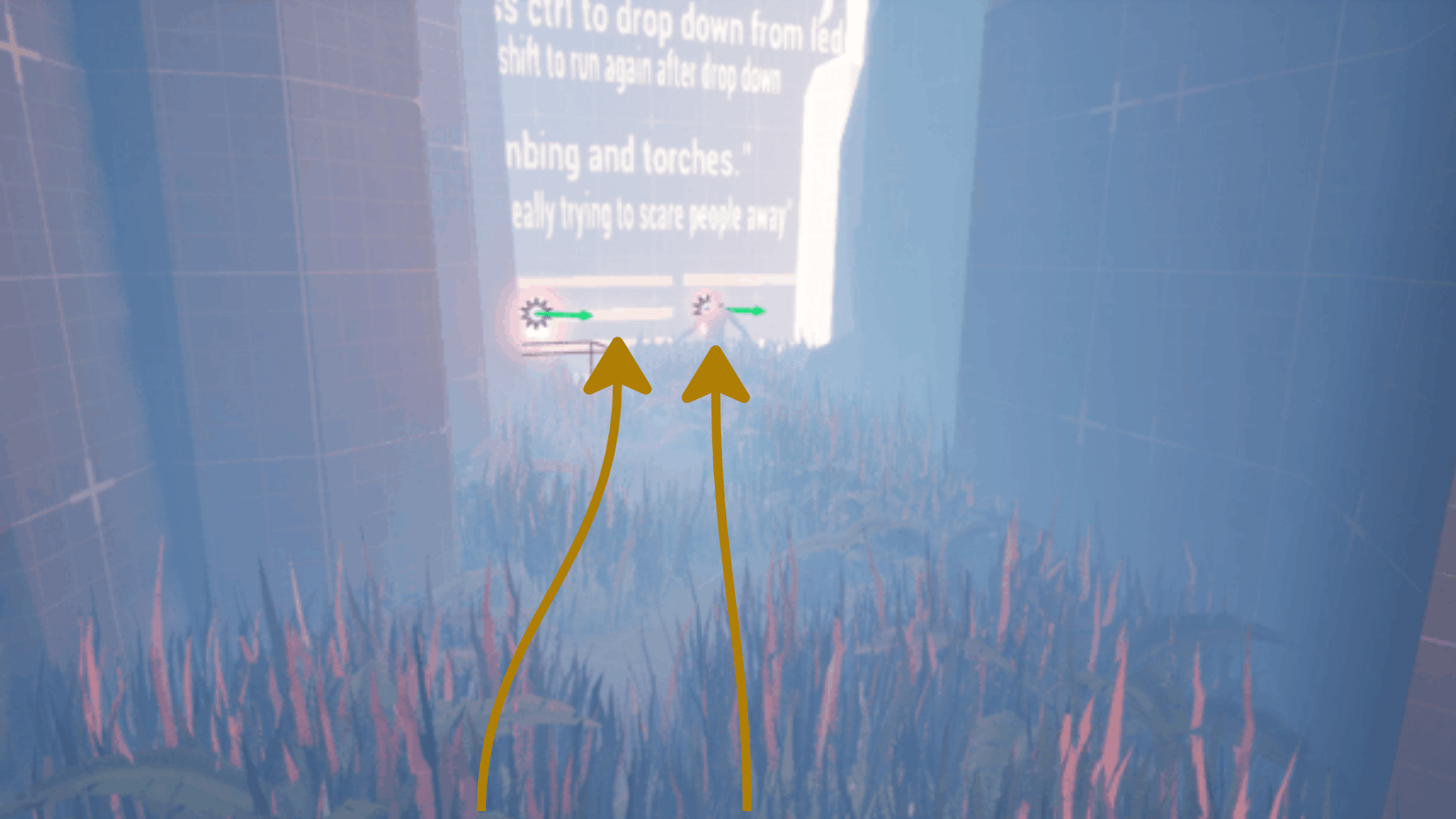
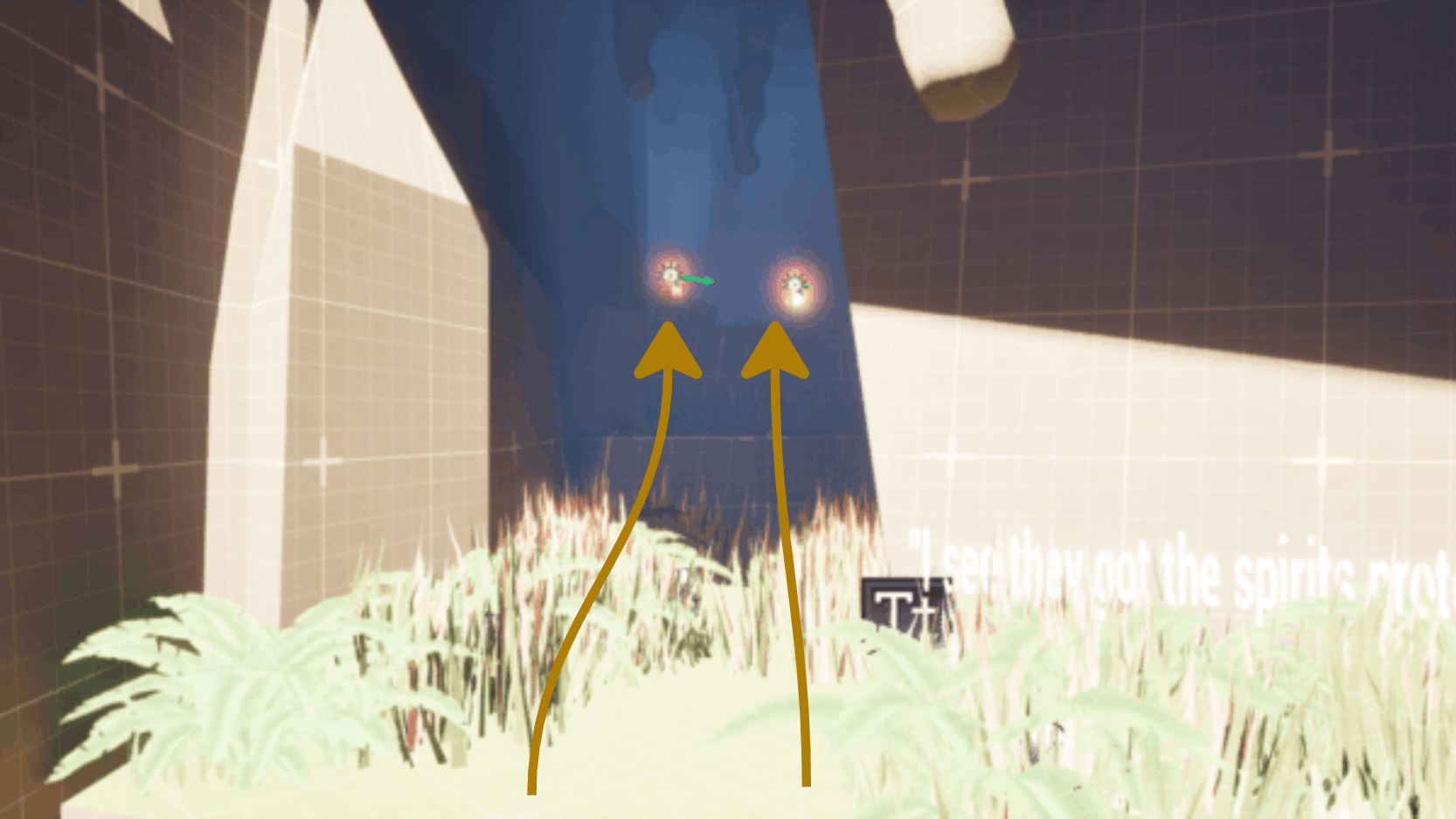
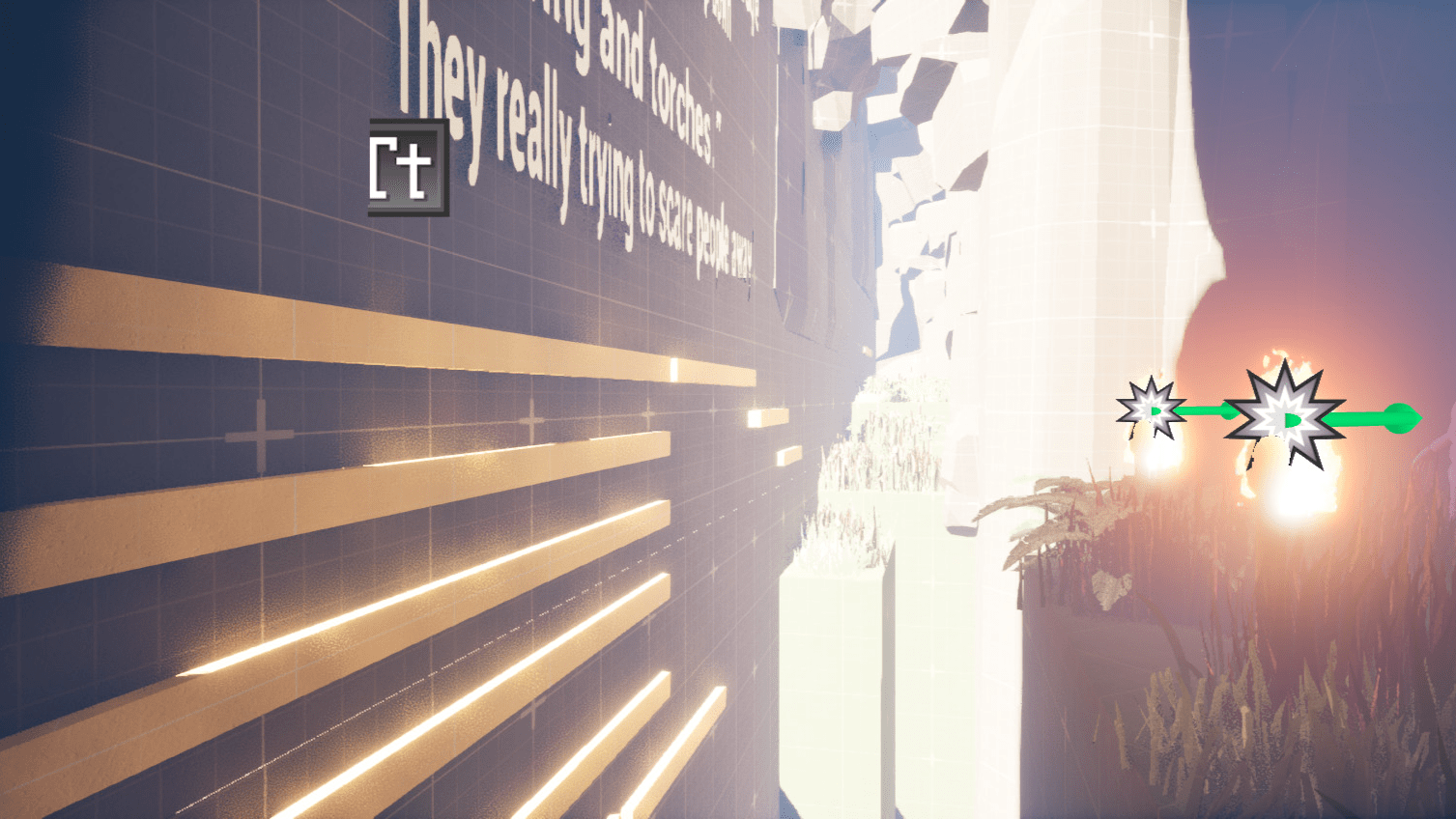
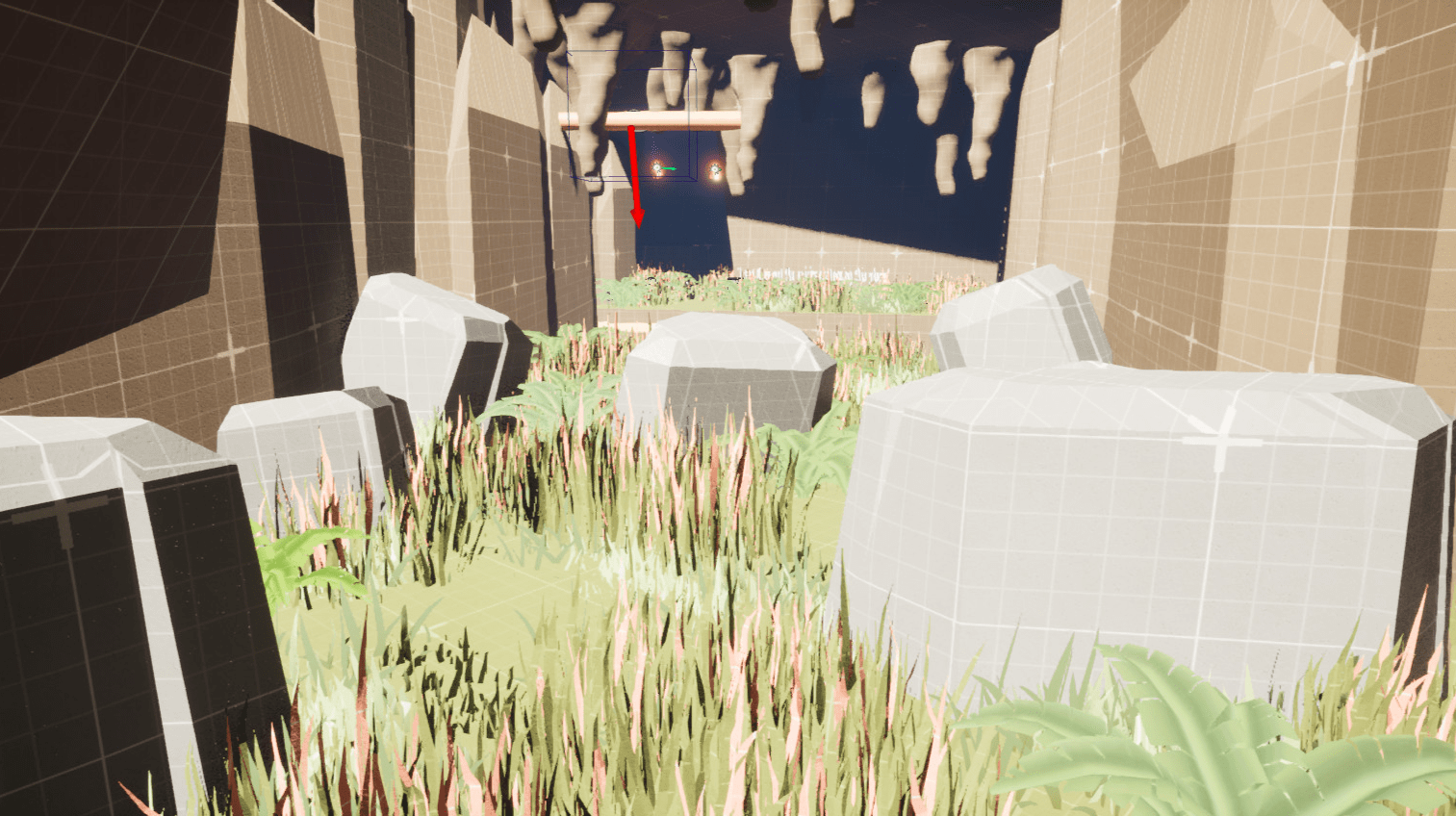
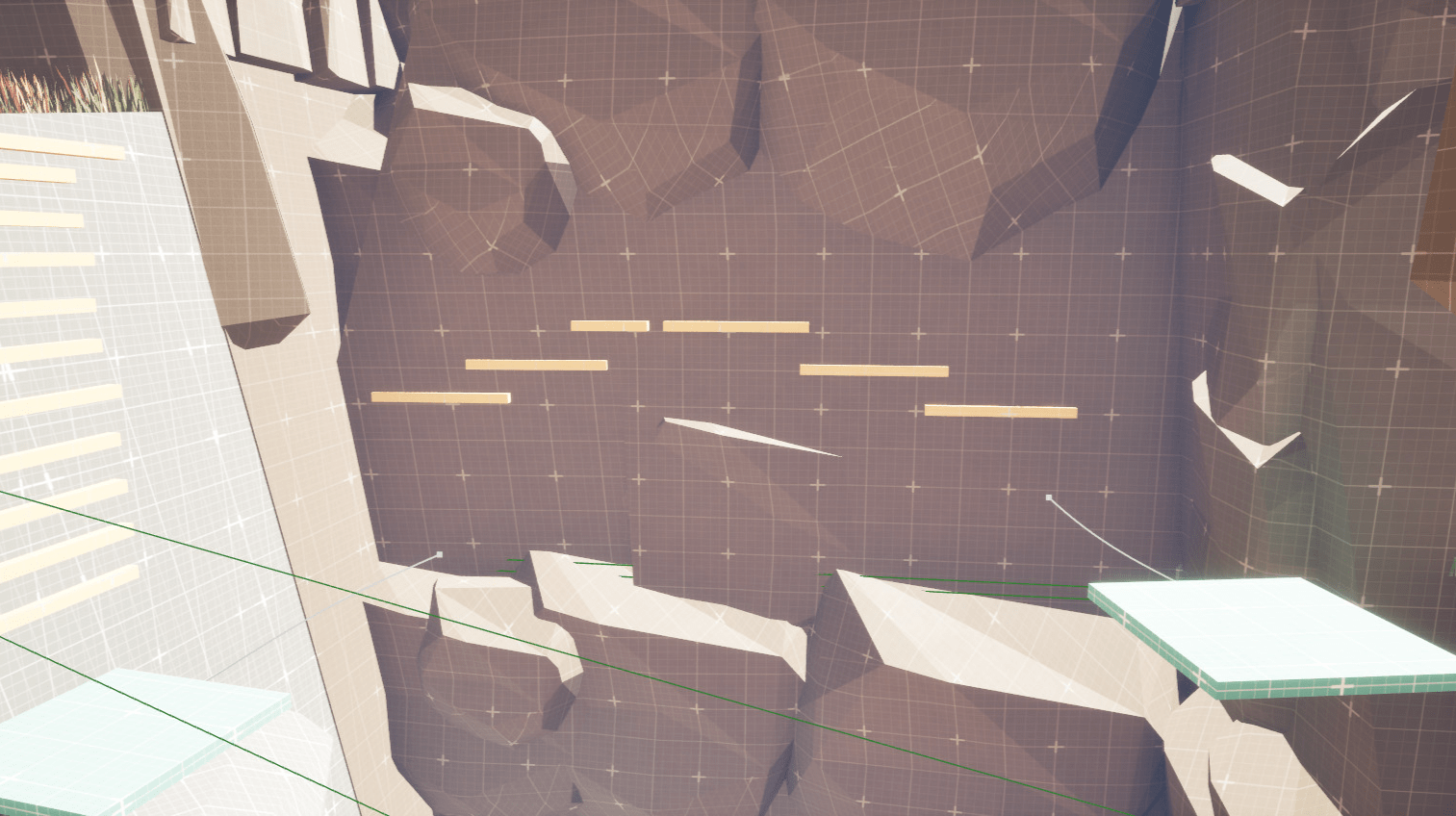
    Technique & use-case: I used glowing objects, painted trails on the ground, and strategically placed environmental gaps to subtly direct the player toward their next objective. 

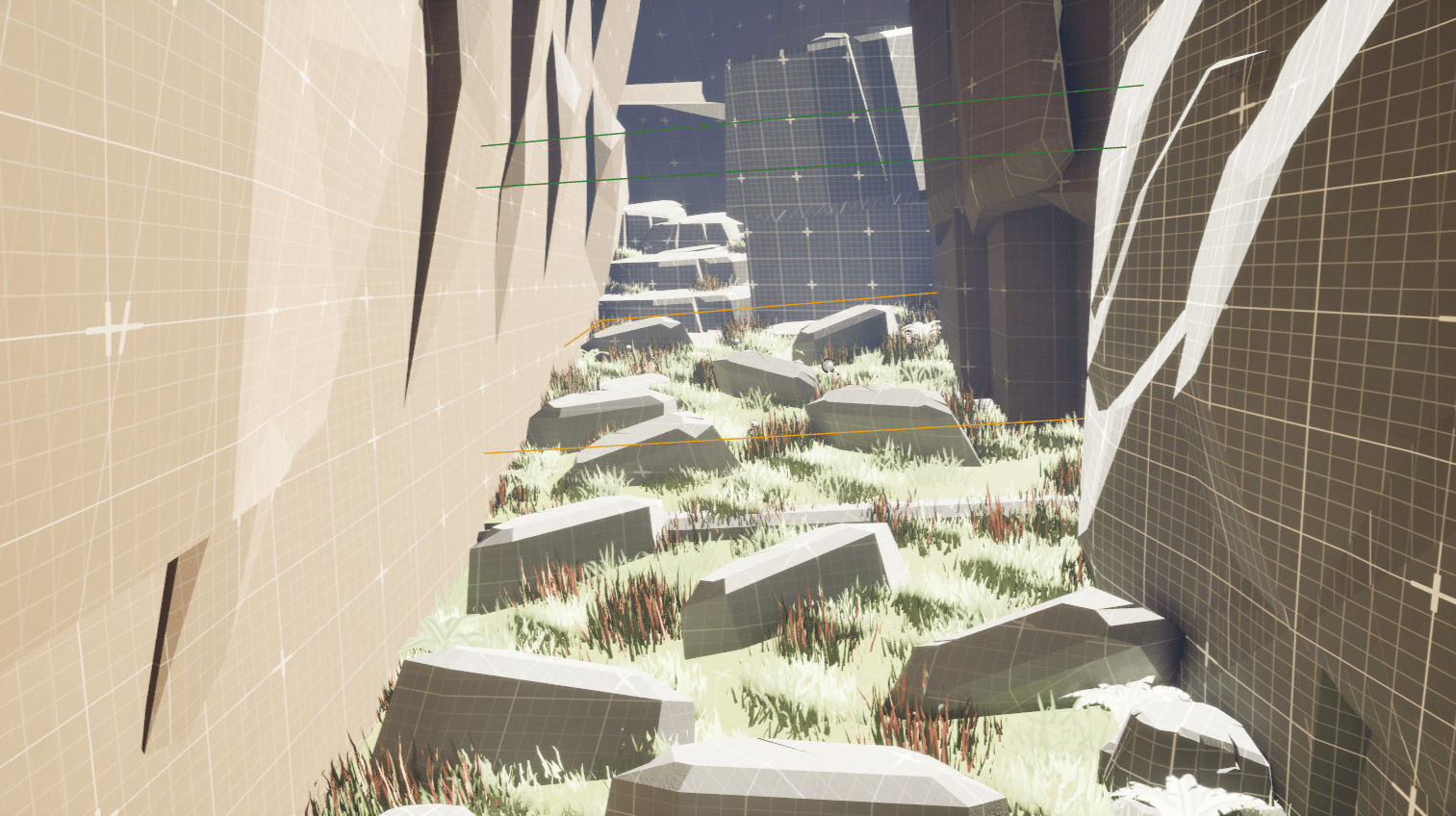
    Context of use-case:Distant torches served as beacons, drawing the player’s eye toward key locations and guiding progression. Additionally, narrow trails surrounded by taller grass helped subtly shape the intended path.

    Technique Detail:

    • Guiding light: Distant torches were used to subtly guide the player, drawing their attention toward key paths and objectives.
    • Pathways: Trails bordered by taller grass were used to subtly guide the player, creating a visual flow that encourages movement along the intended route.
    • Opening gaps: Open pathways were used to signal navigable areas, helping players intuitively understand where they could move to next.

    Technique Highlight: Cover in Combat Encounters

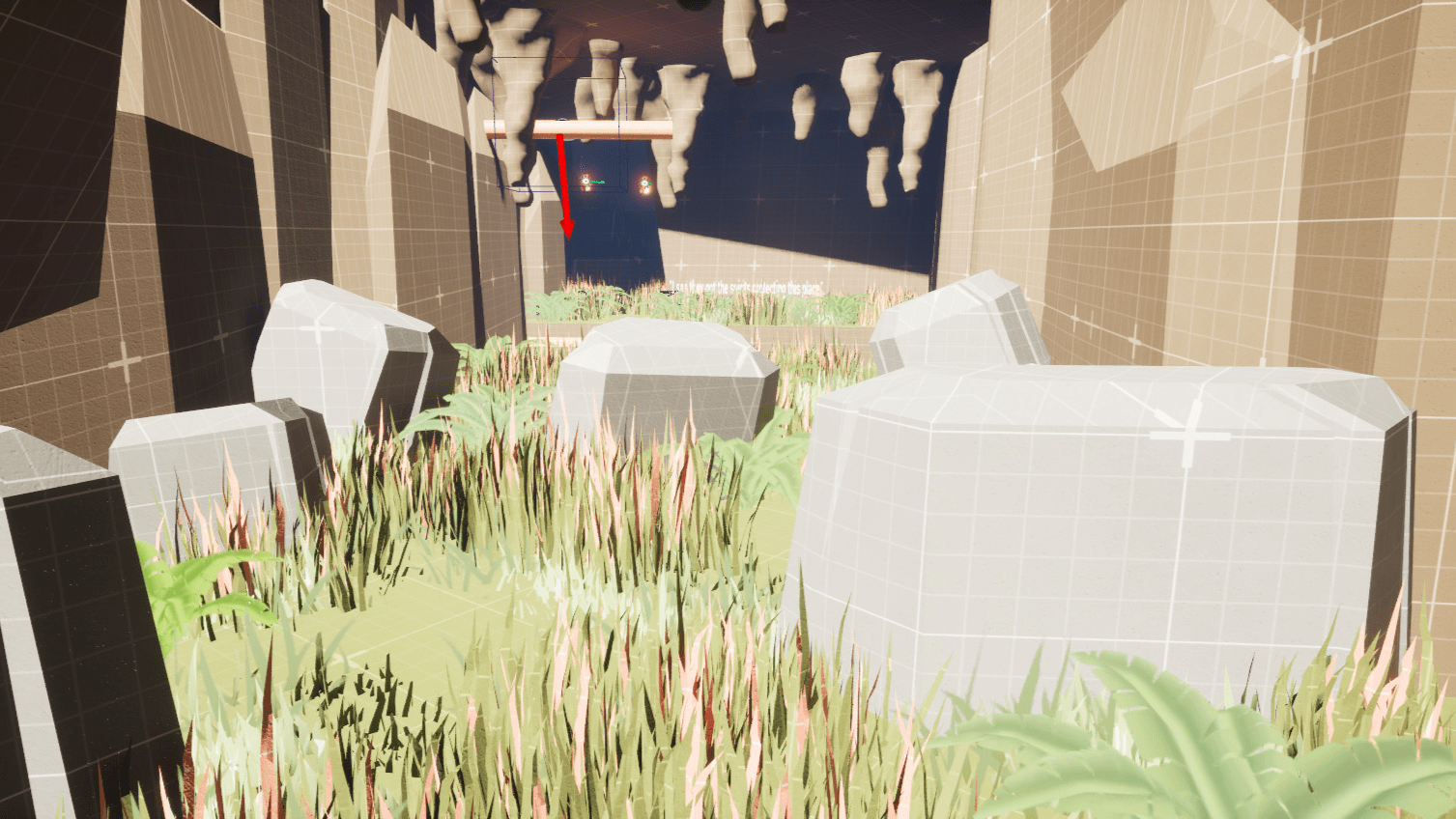
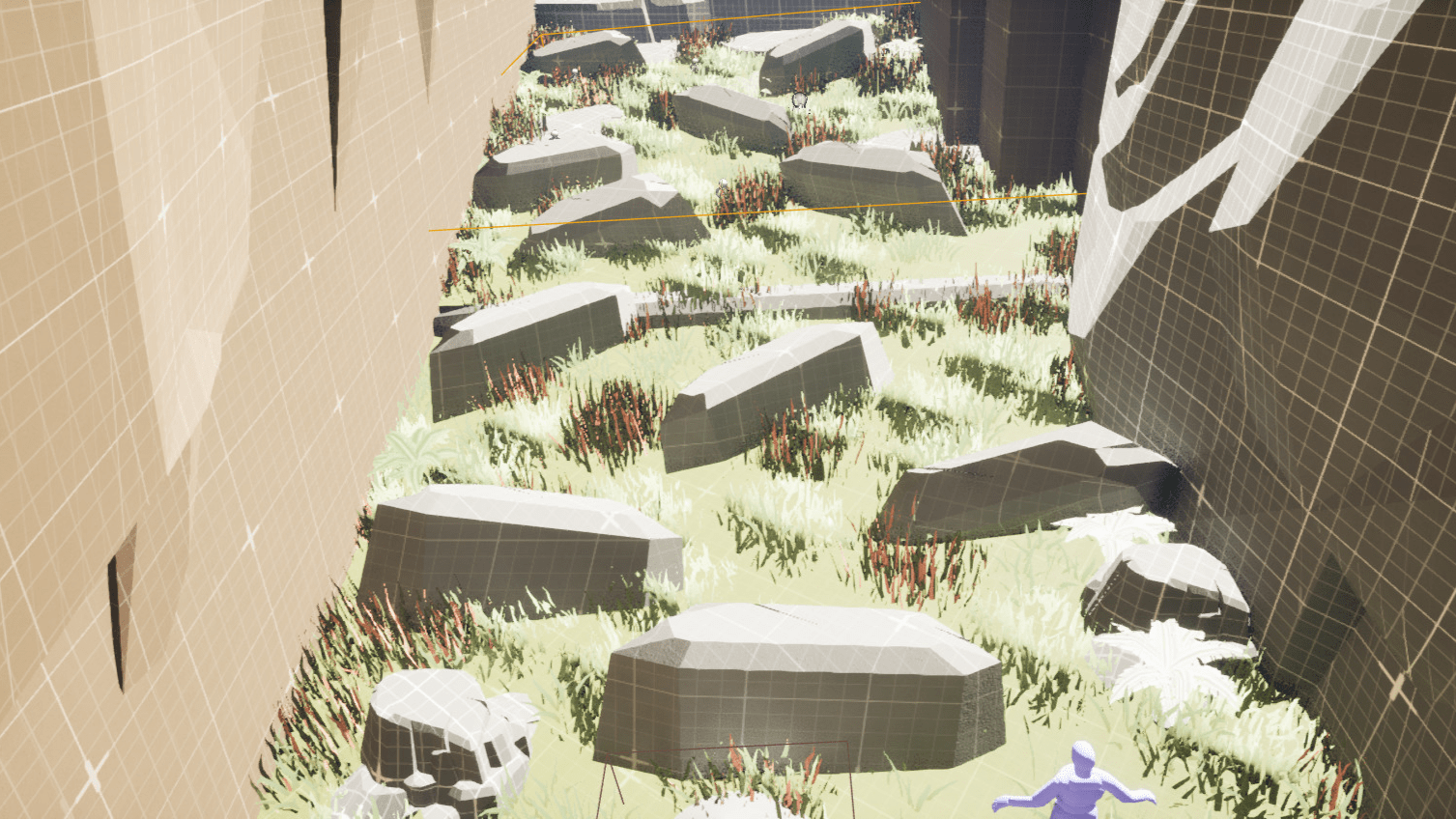
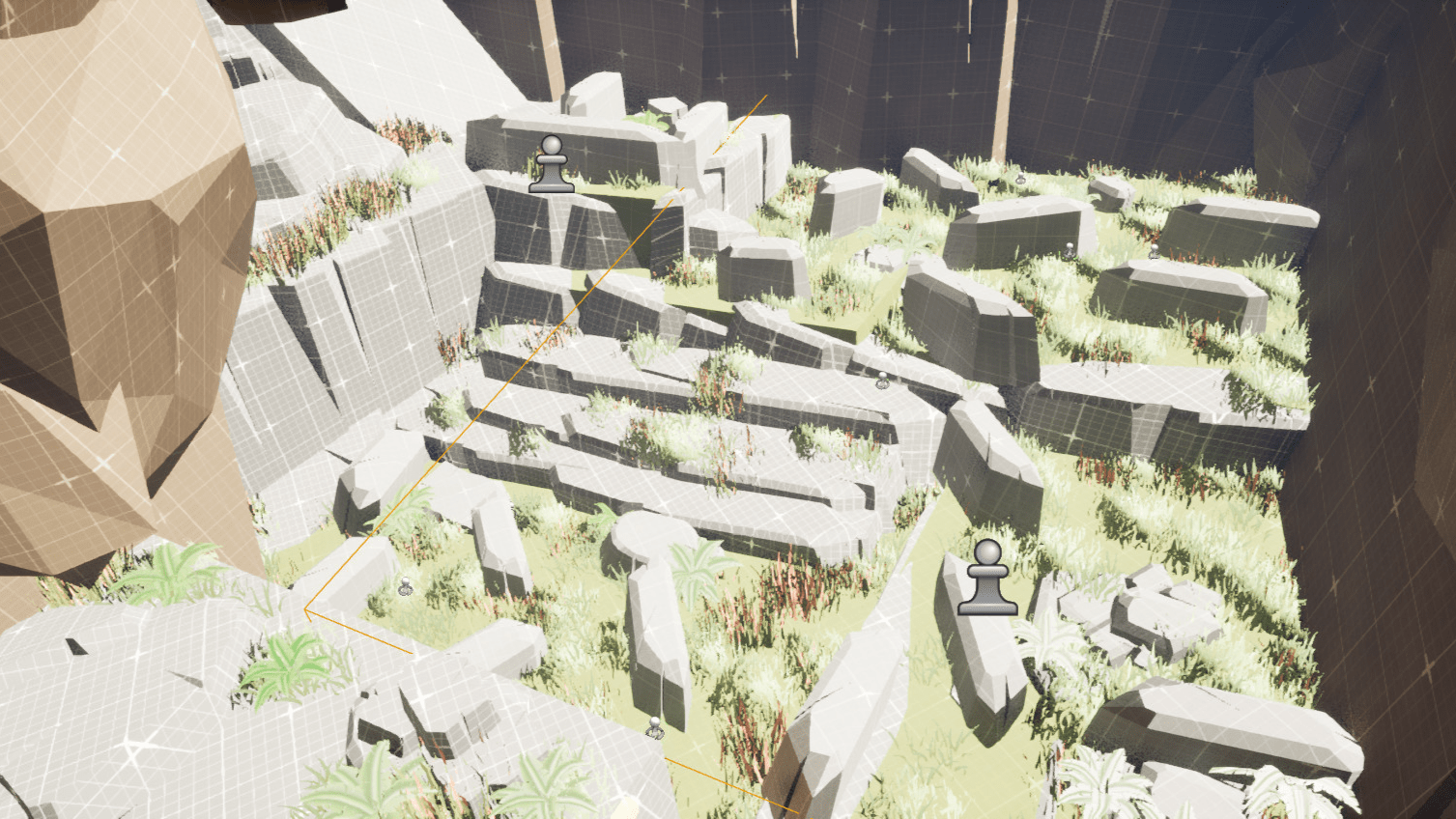
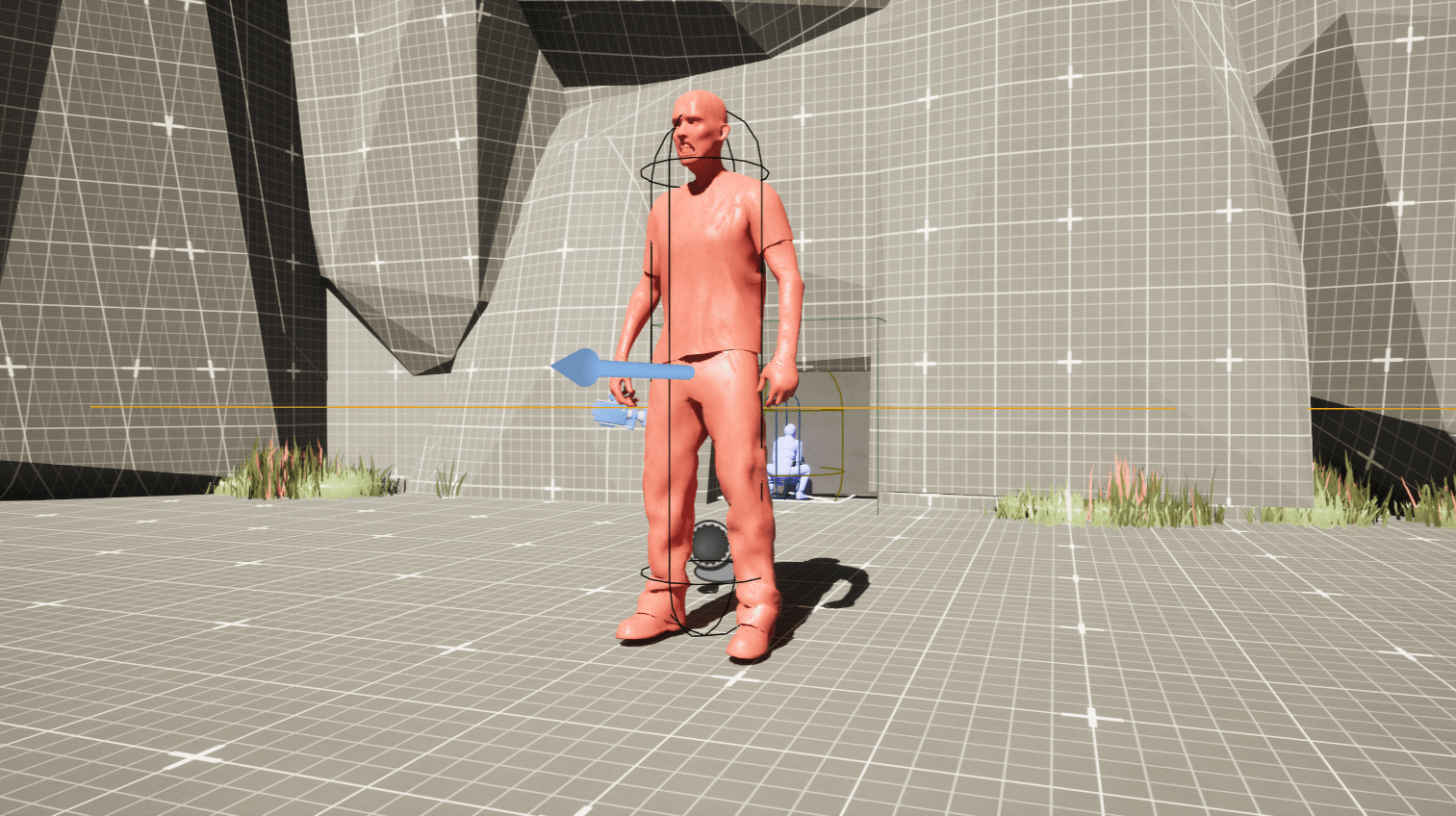
    Technique & use-case: Large rock formations were placed strategically within combat zones to provide the player with natural cover from enemy gunfire, allowing for tactical movement and moment to moment decision making during encounters.

    Context of use-case:Cover was intentionally placed in areas where enemy NPCs patrol, giving players tactical options and opportunities to engage enemies head on with a positional advantage.

    Technique Detail:

    • Protect: Large rocks placed in enemy territory provide the player with natural cover from enemy gunfire.
    • Counter: Players can use the rocks to flank enemies and catch them off guard when distracted, creating opportunities for surprise attacks.

    Technique Highlight: Storytelling Elements And Environmental World-Building

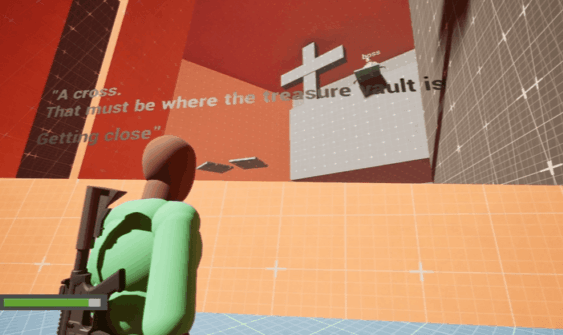
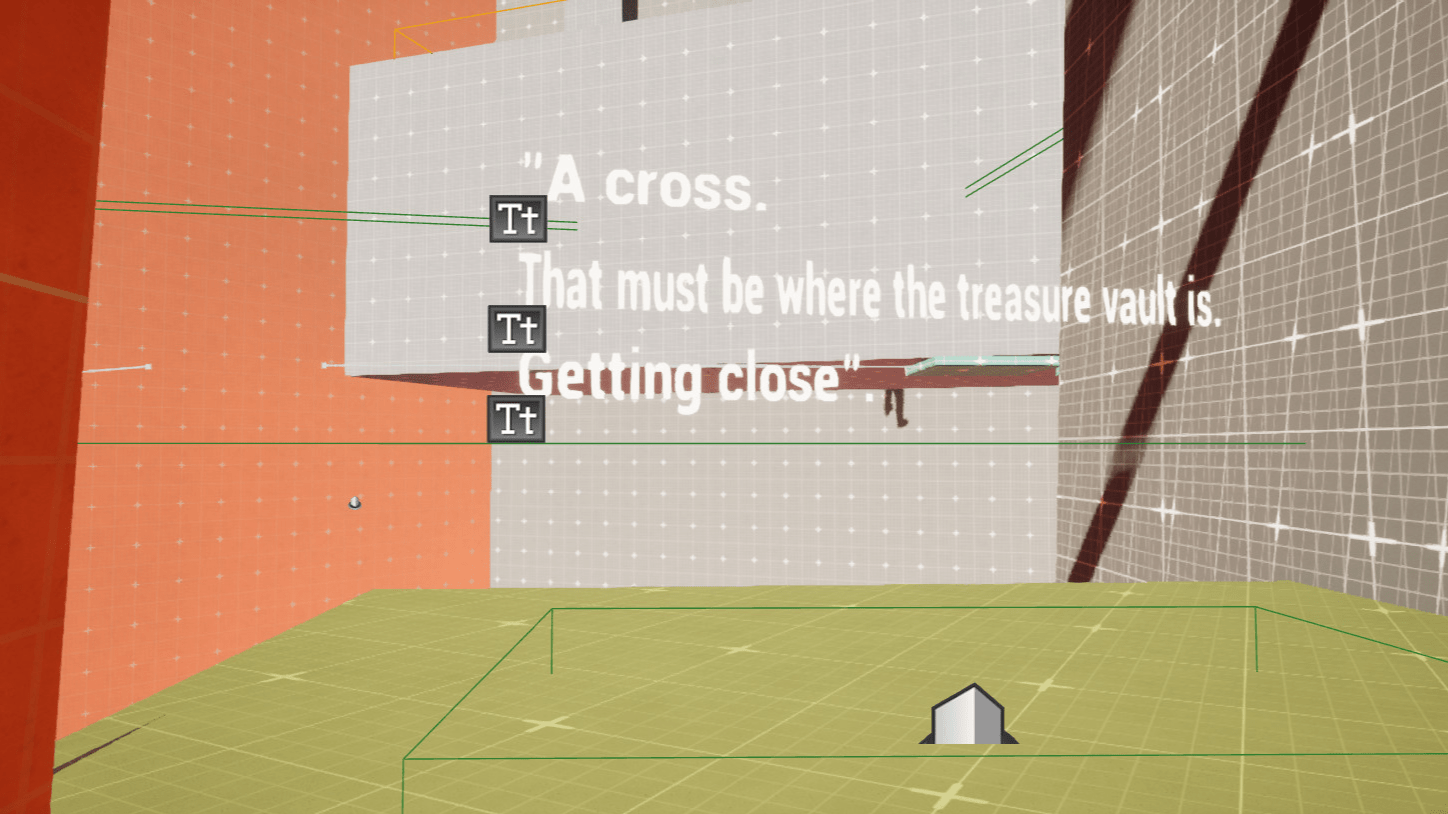
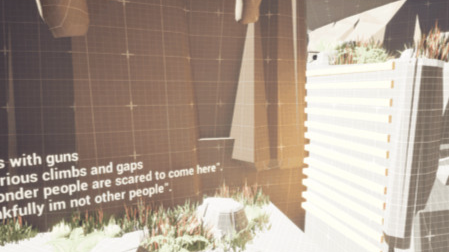
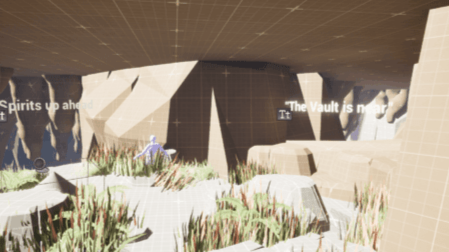
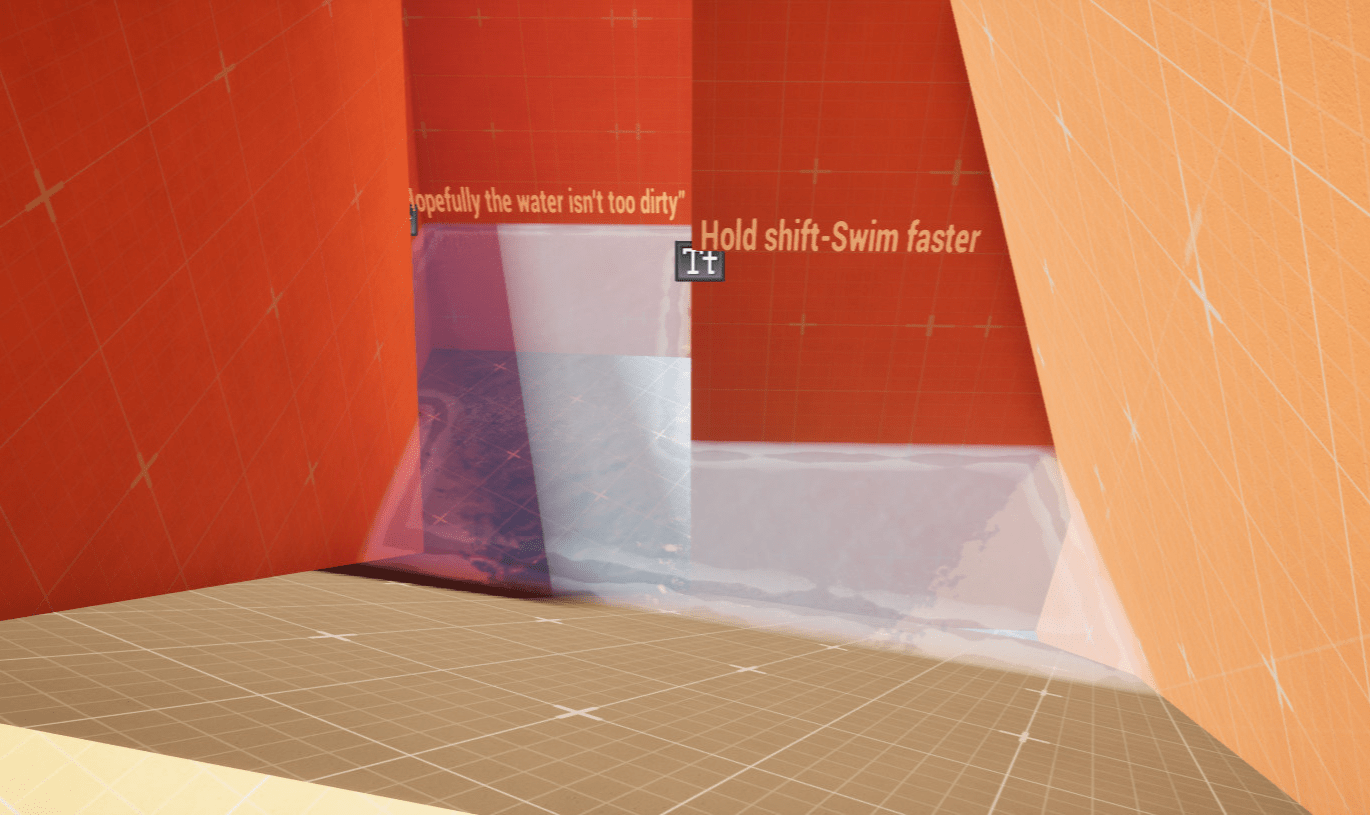
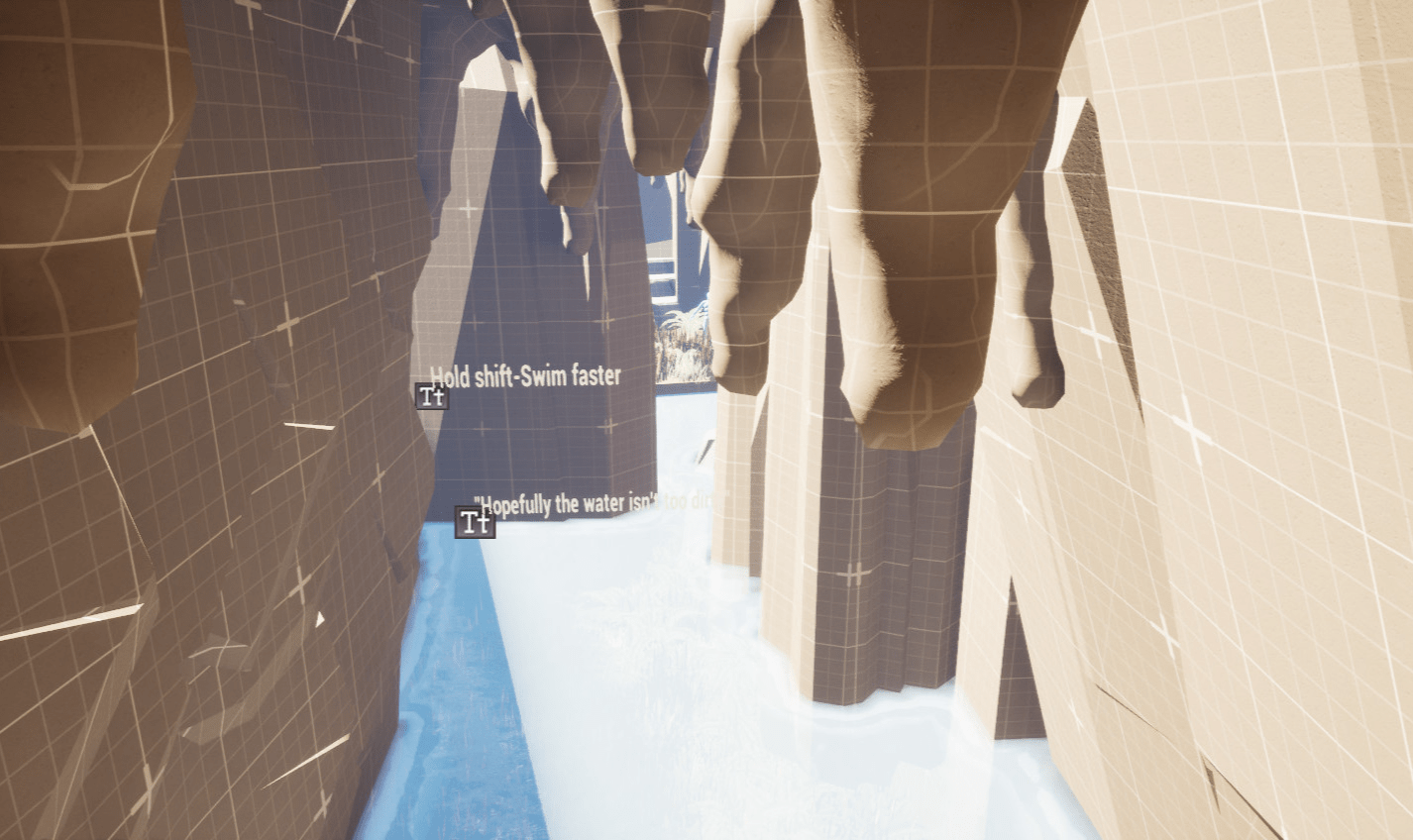
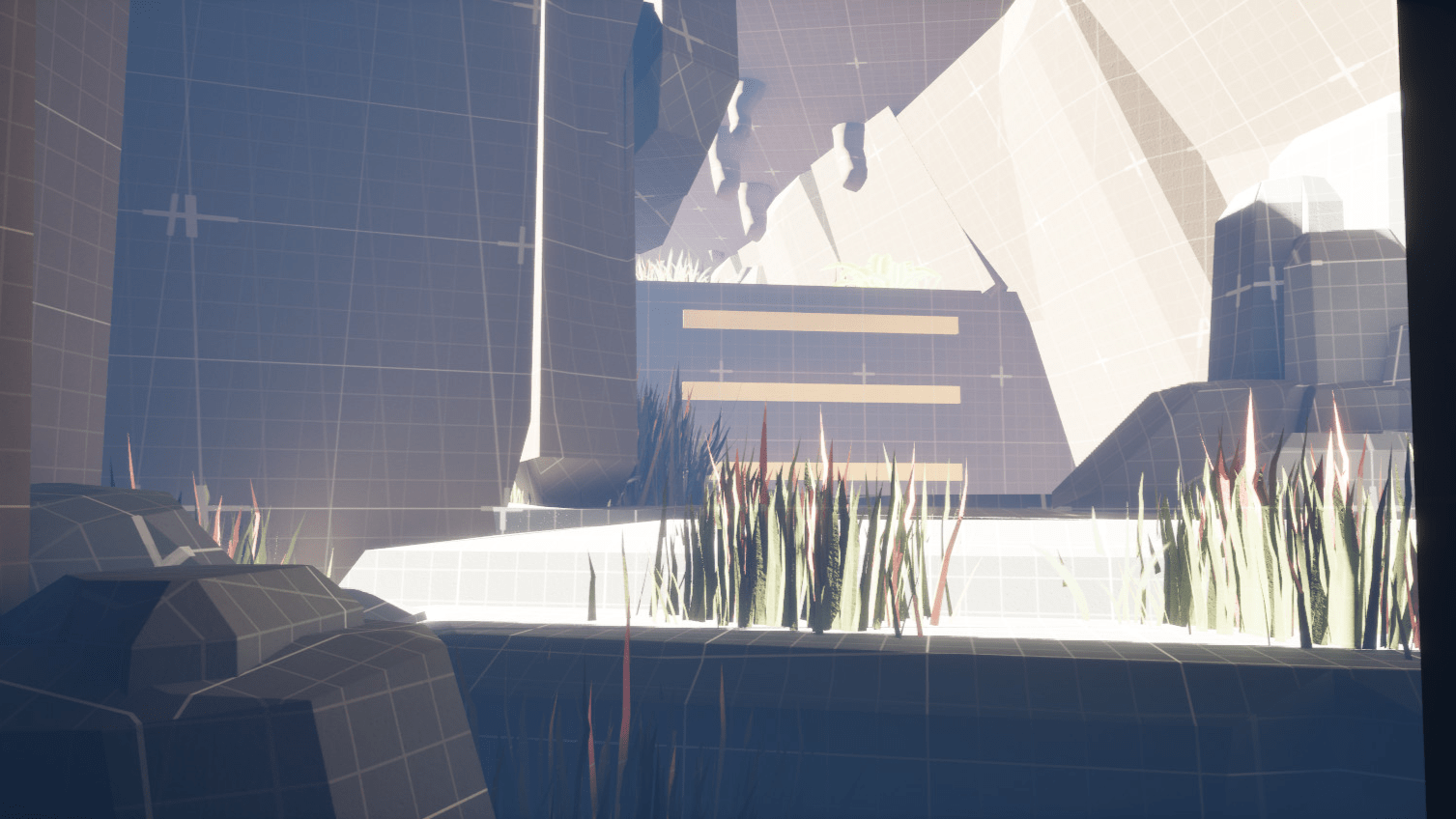
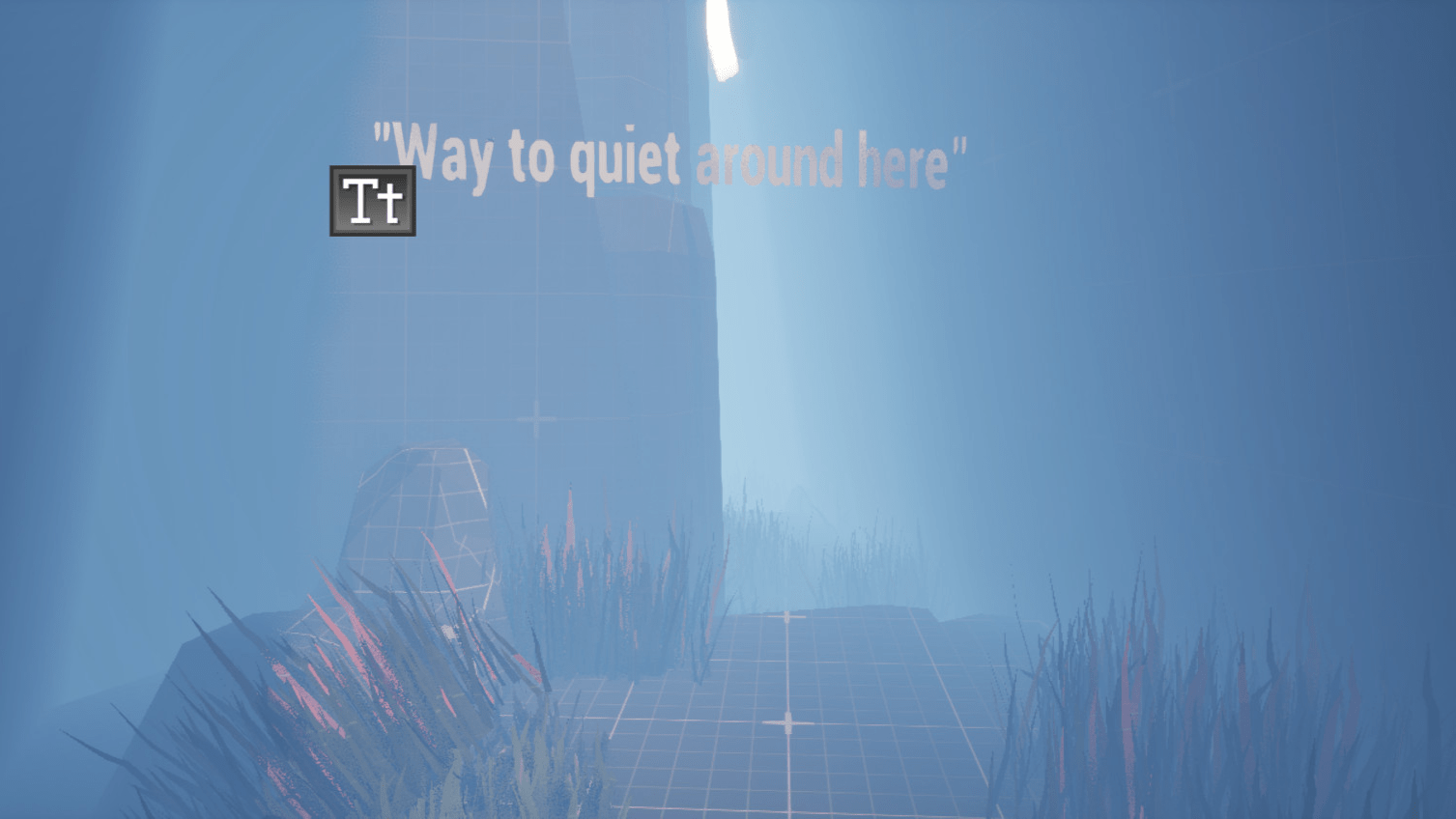
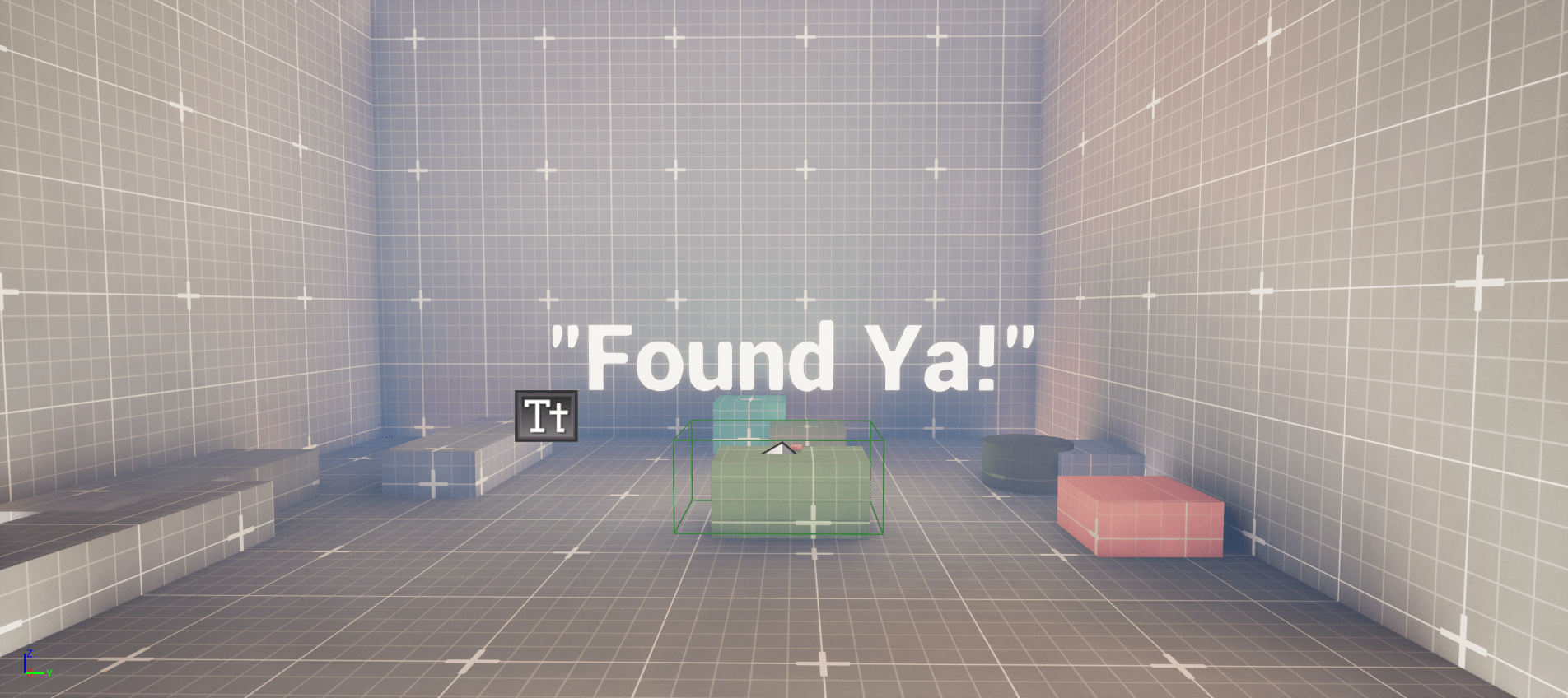
    Technique & use-case: I used rocks, grass, water, and contrasting light to create striking areas of brightness and shadow, evoking awe and mystery. In-world text prompts reveal the protagonist’s thoughts, adding narrative depth and helping players connect with his journey.

    Context of use-case: Consistently used rocks and grass throughout gameplay to anchor the environment and deepen the player’s connection to both the world and the protagonist.

    Technique Detail:

    • Opening credits and ending credits: Framed the level with story context at the beginning and resolution at the end to provide a complete narrative arc.
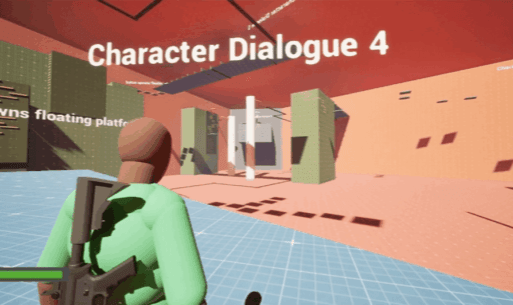
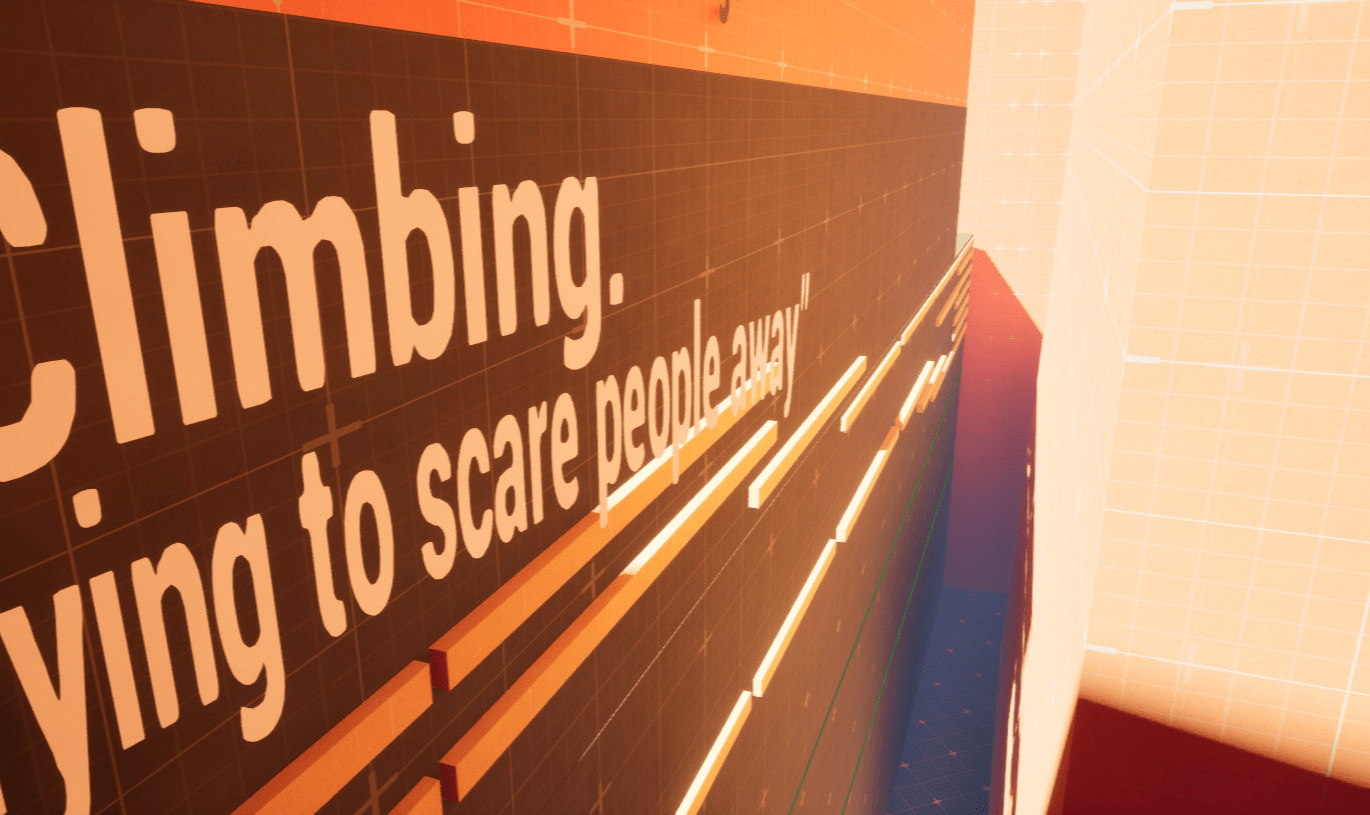
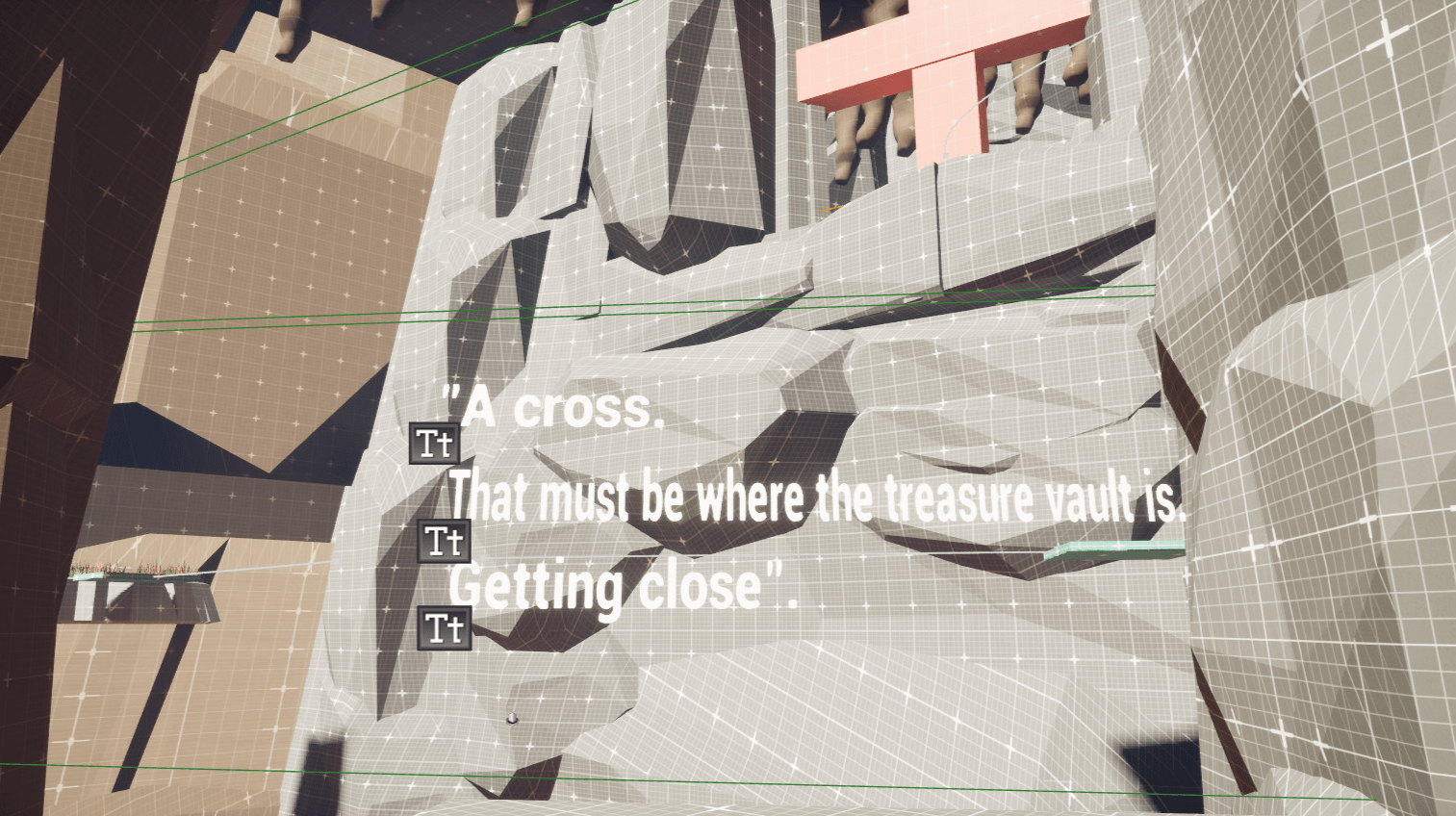
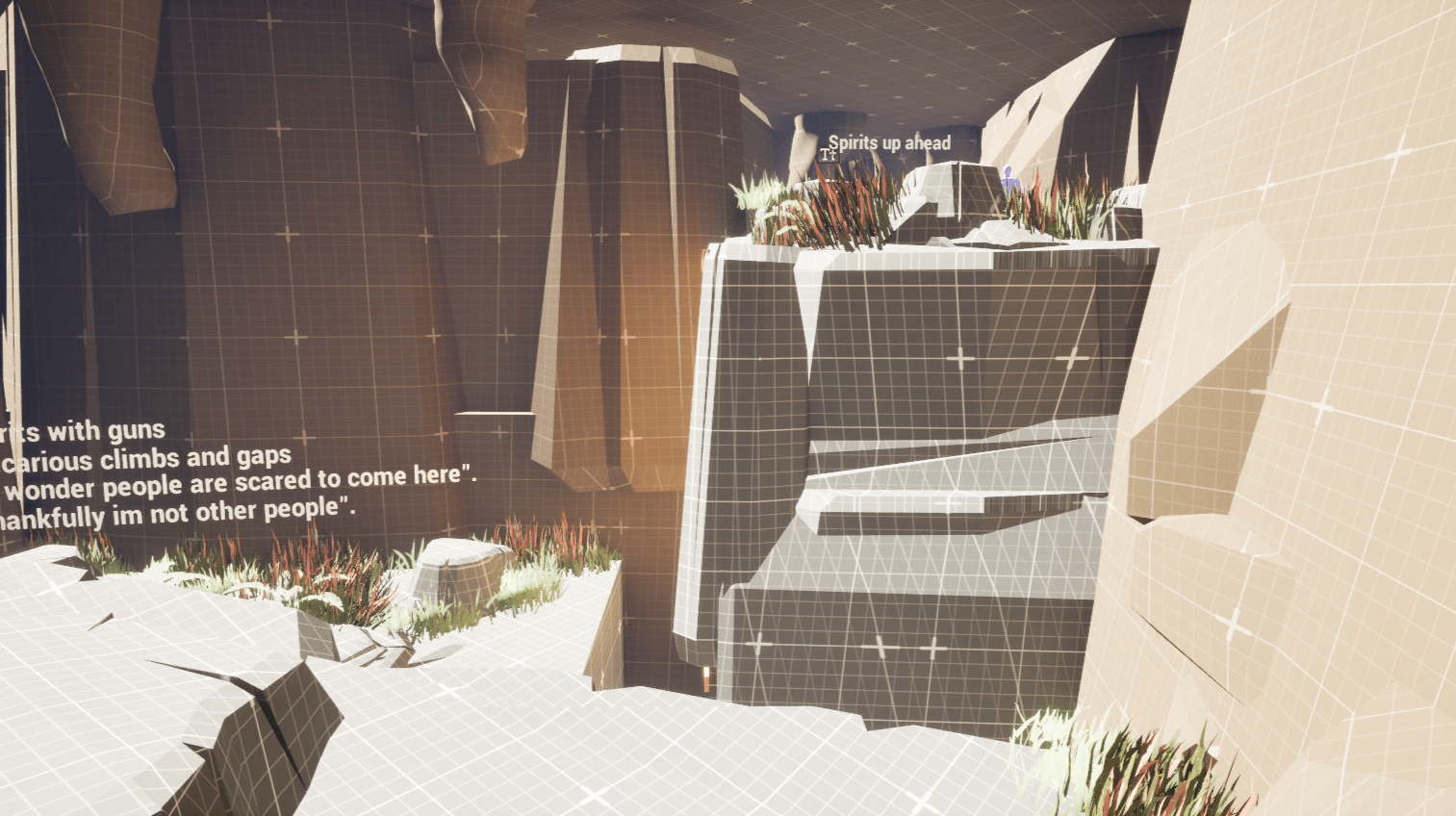
    • Protagonist dialogue: Used text at key moments to reflect the protagonist’s mindset.
    • Background music: Immerses the player in the world they’re navigating, highlighting moments of beauty, danger, and mystery.
    • Lights and shadows for immersion: Used to create realism and mood, with intersecting light and shadow enhancing depth and atmosphere.

    Walkthrough

    Skip to ↓
    13 Videos
    Beat Overview

    Beat 1 : The Opening

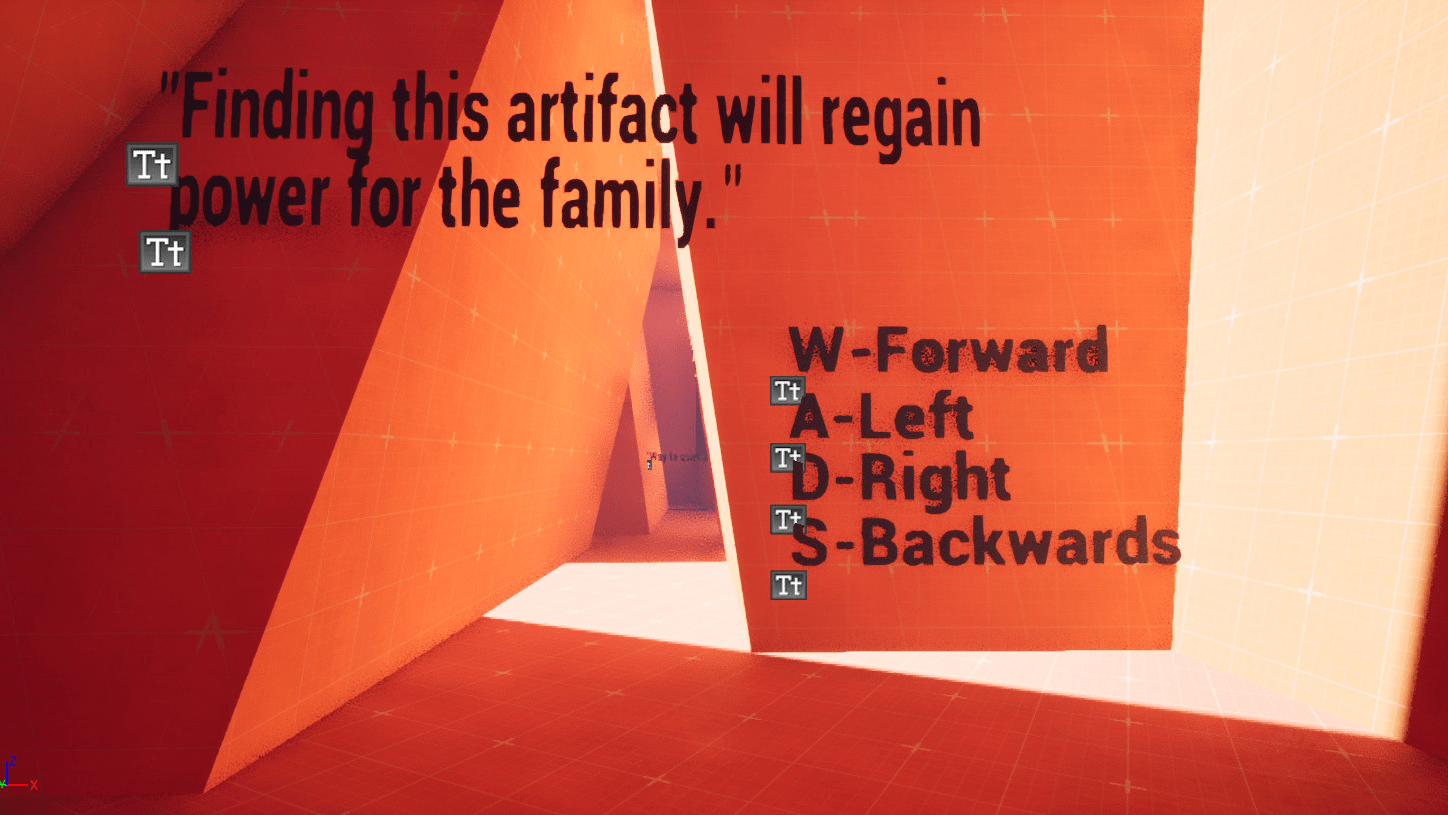
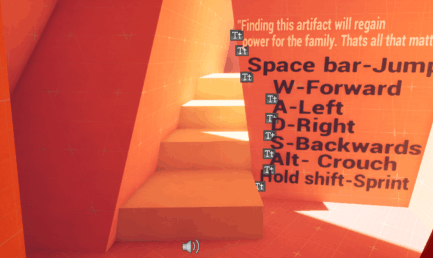
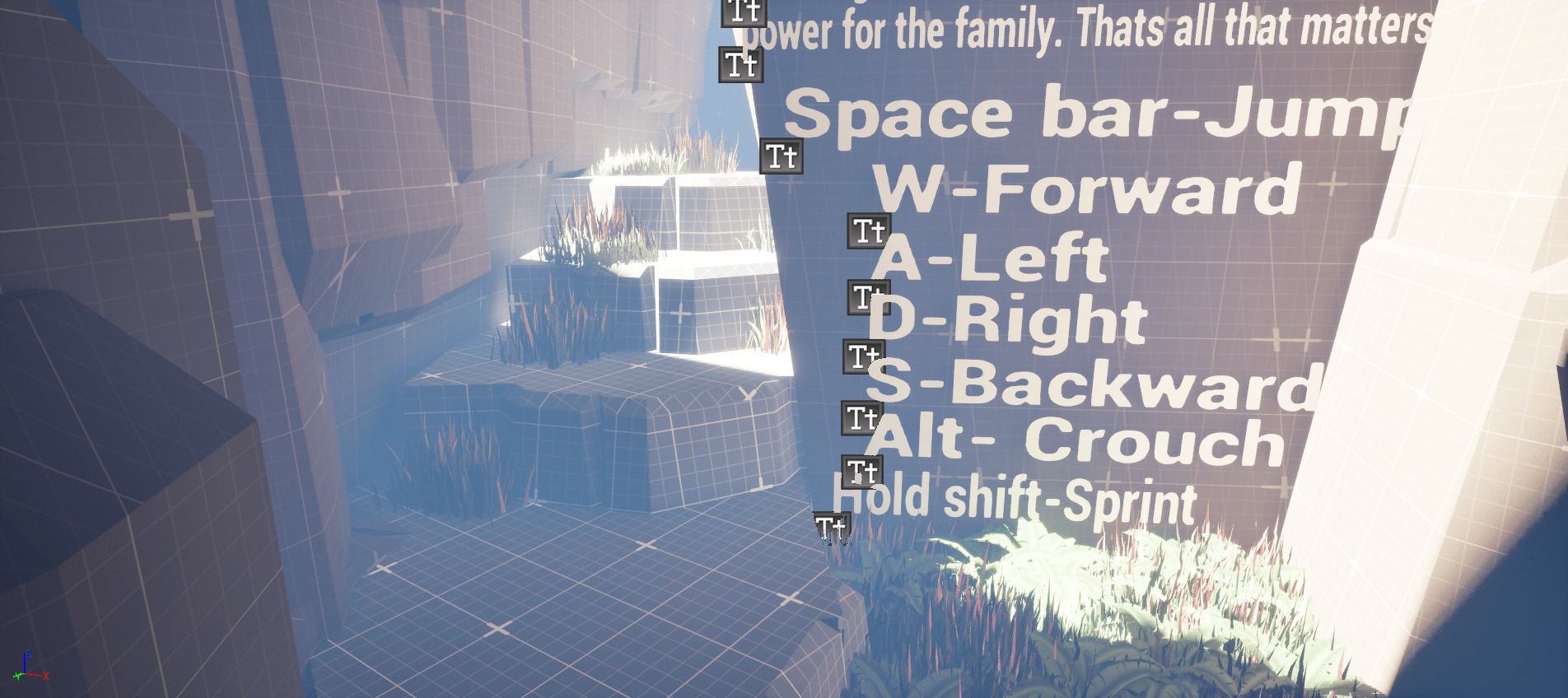
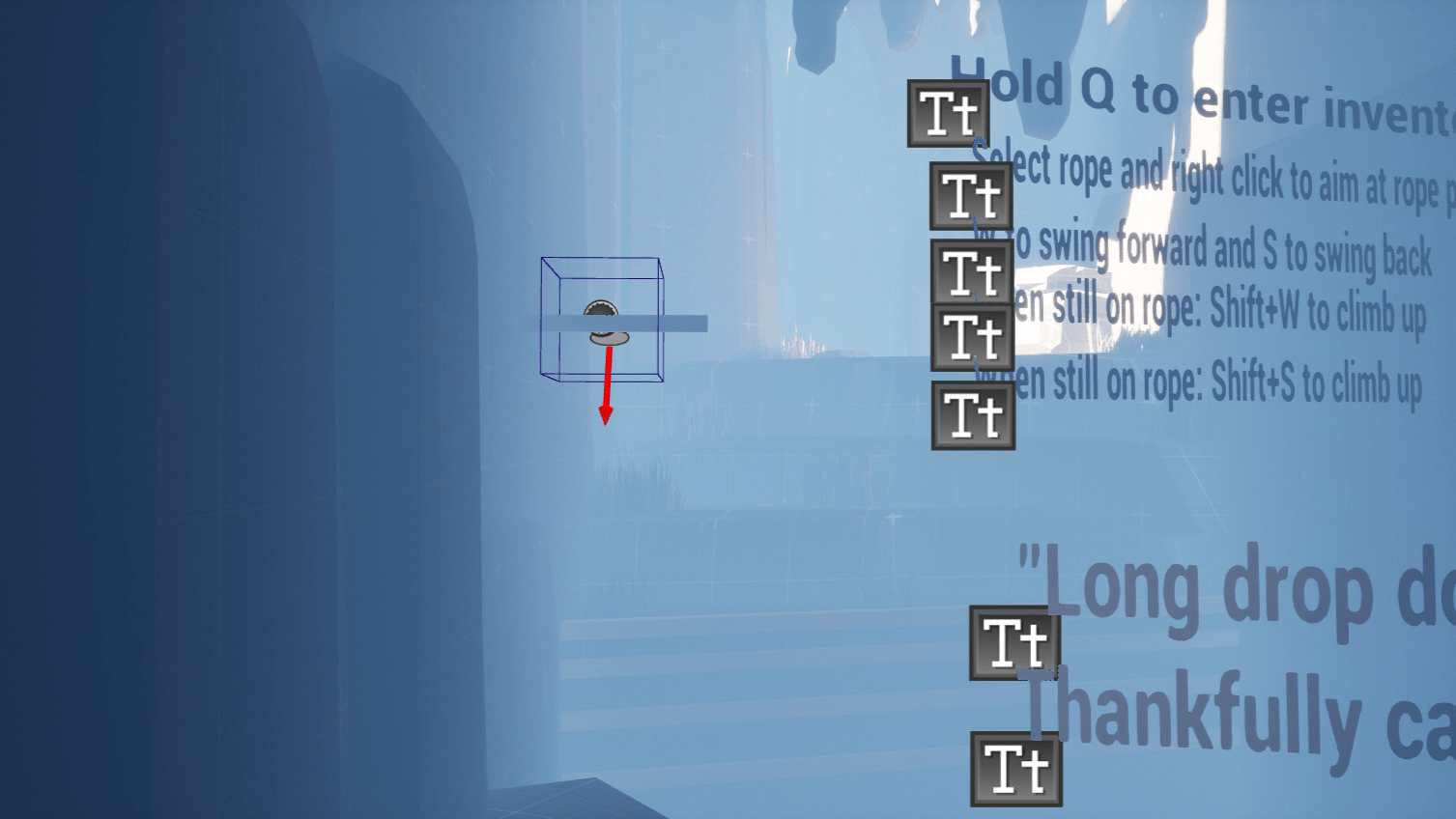
    The level begins with opening credits that introduce the history of the temple and the protagonist’s mission to retrieve a family artifact from its treasure vault. The player is then immersed in the world, navigating light traversal sections through the caves that showcase the core player mechanics.
    Process Breakdown

    Overview

    1. Research, Ideation & Planning

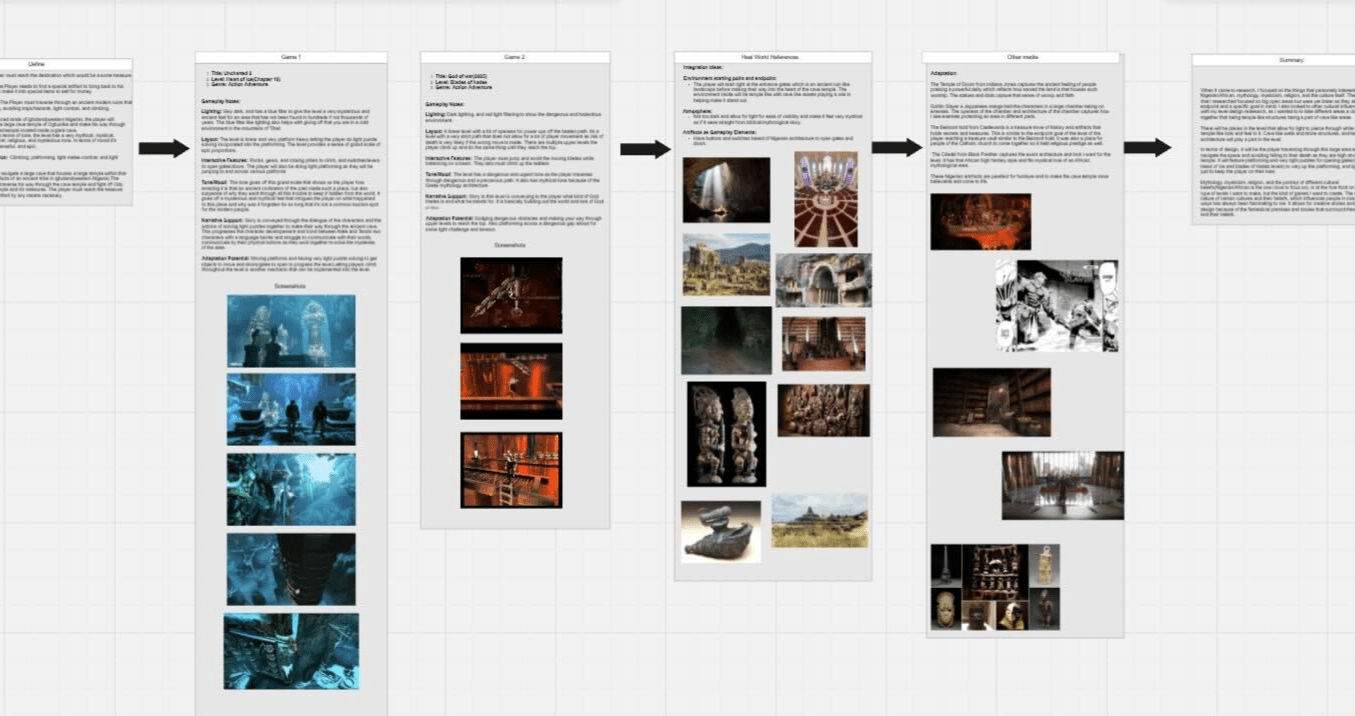
    To craft and design this level, I analyzed two games, a real-world location, and various art mediums for inspiration.

    • Analyzing Games: I drew primary inspiration from the Uncharted series, particularly in tone, traversal mechanics, and the use of cover-based combat arenas. Additionally, I studied the “Challenge of Hades” level from God of War (2005), which influenced the second half of my level design especially the use of moving platforms spanning a large environmental gap.
    • Researching Real-World References: I researched the real-world Ogbunike Caves in Nigeria as a foundation for the setting, along with other temple caverns across Africa to guide the environmental layout and mood.
    • Exploring Other Media: The tone of the level was heavily inspired by classic adventure films like Indiana Jones, blending mystery with beauty as the player explores the environment. I also drew visual and atmospheric influence from Black Panther, particularly in its use of music and African inspired cave architecture.
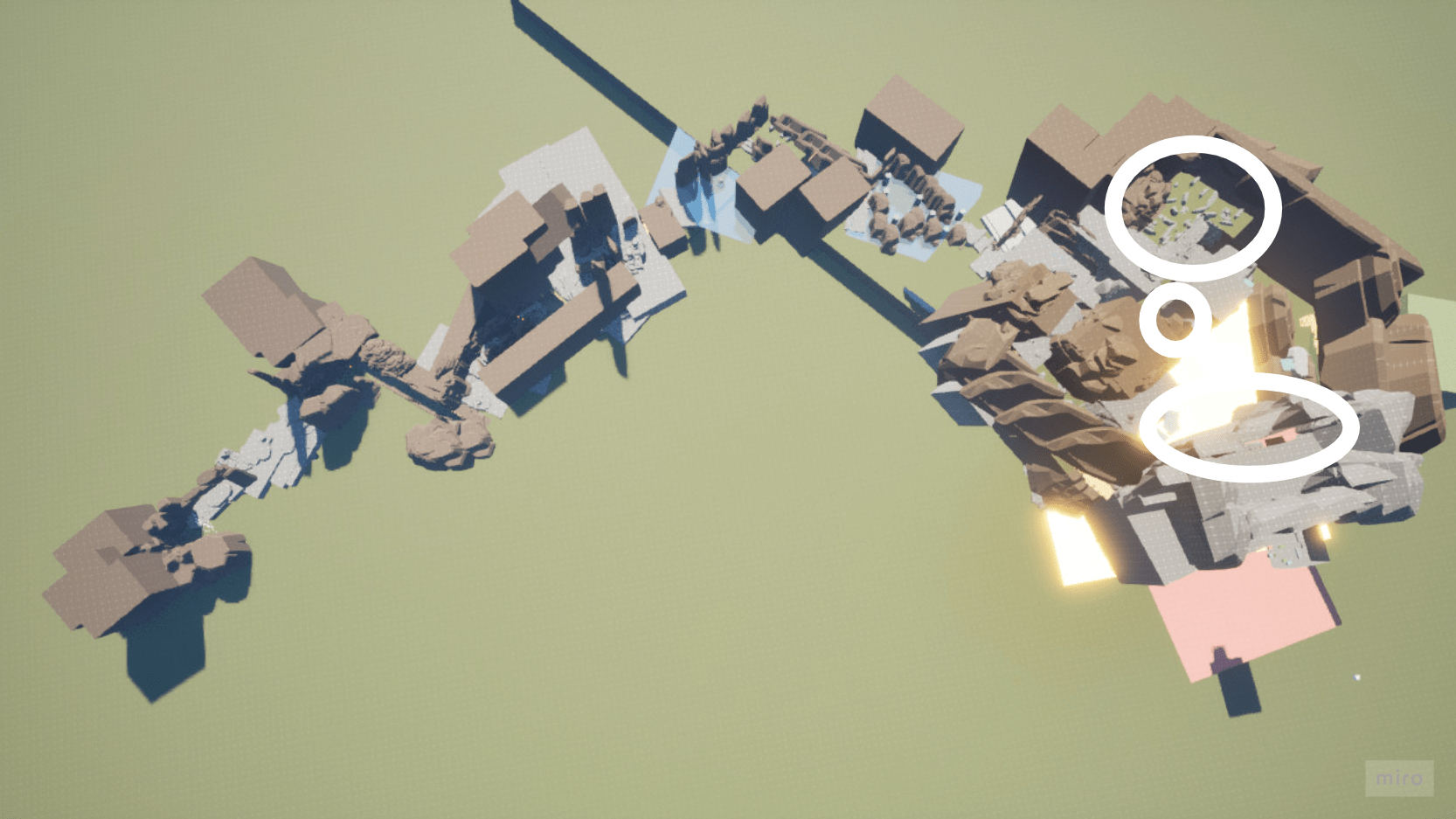
    2. Level Design Document
    LDD: This LDD served as a guide throughout the development of the level. It was a valuable tool in structuring the experience to meet all the design goals I had in mind. The document included:

    • Light narrative elements
    • The objective of the level
    • Gameplay mechanics
    • Setting and tone

    Beat Sheet: This sheet outlines all the actions the player will perform from the beginning to the end of the level.

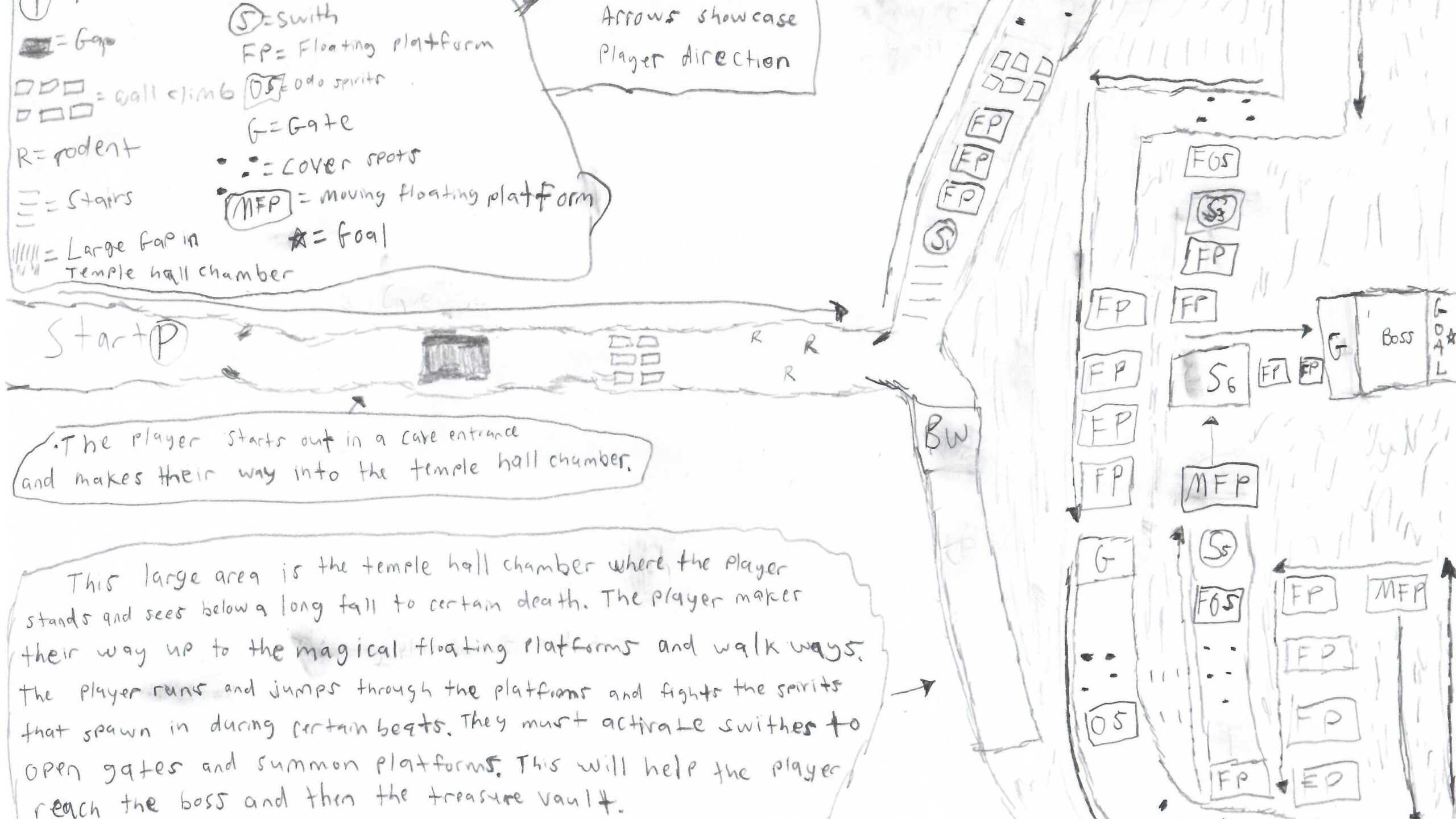
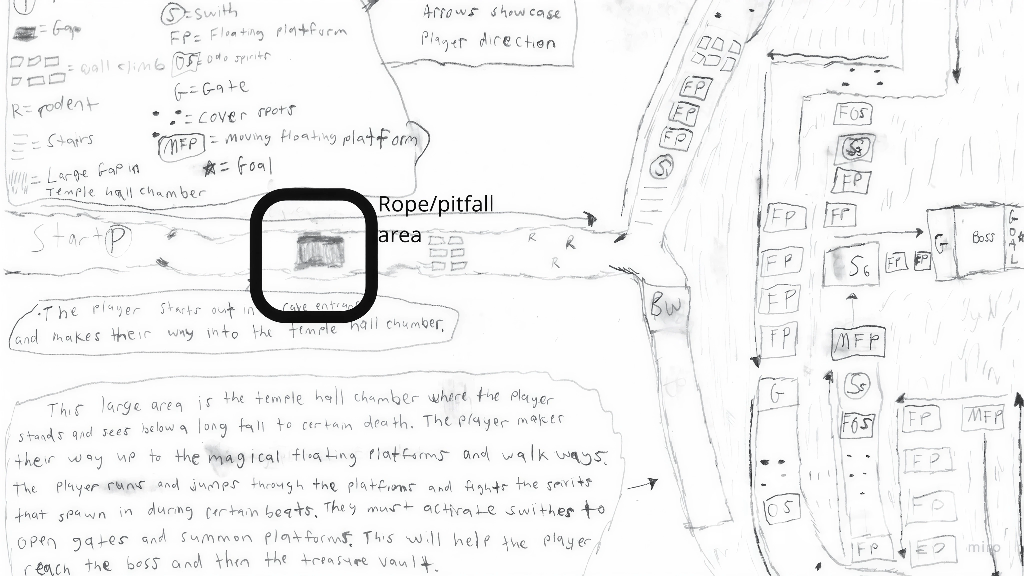
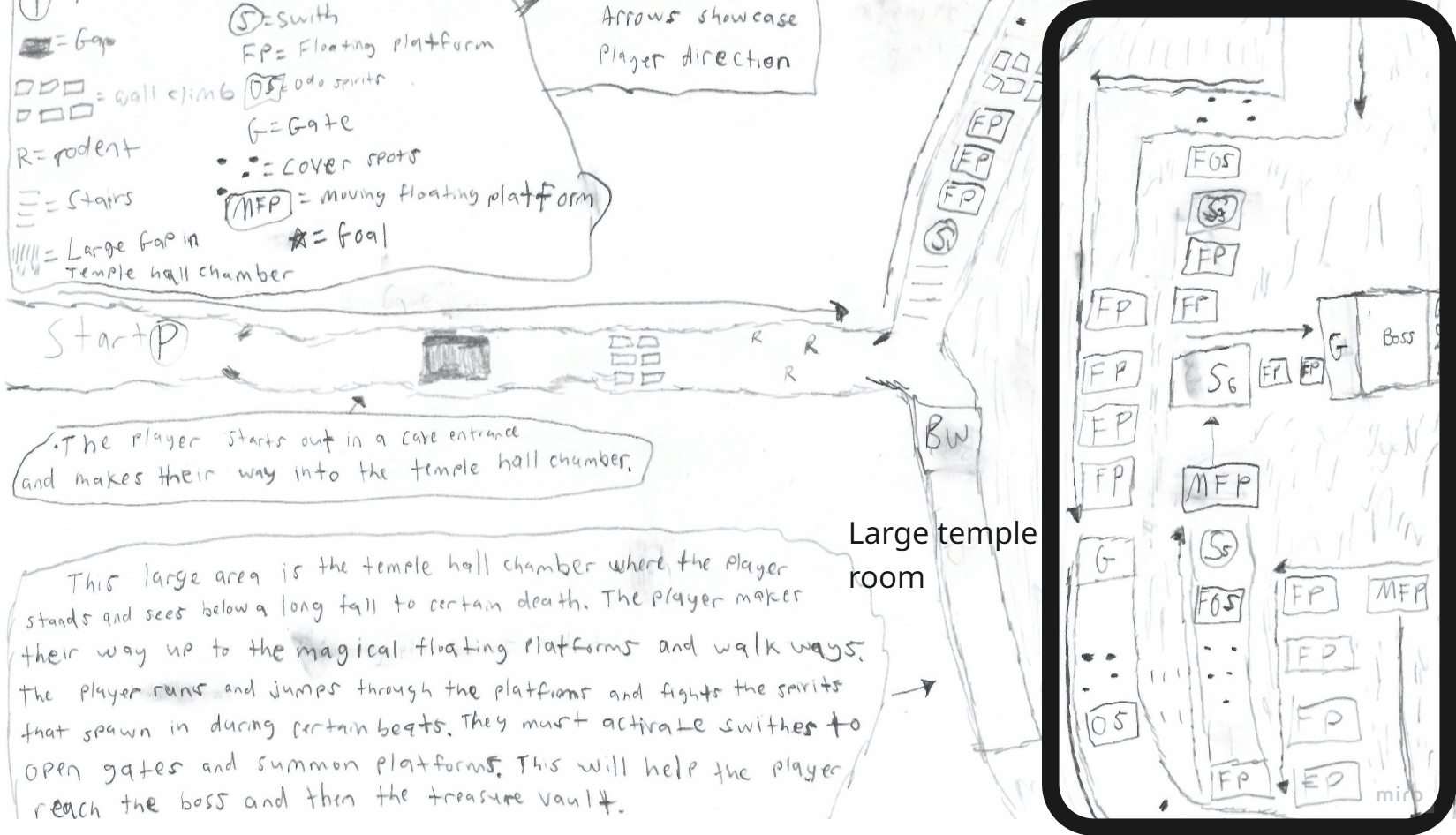
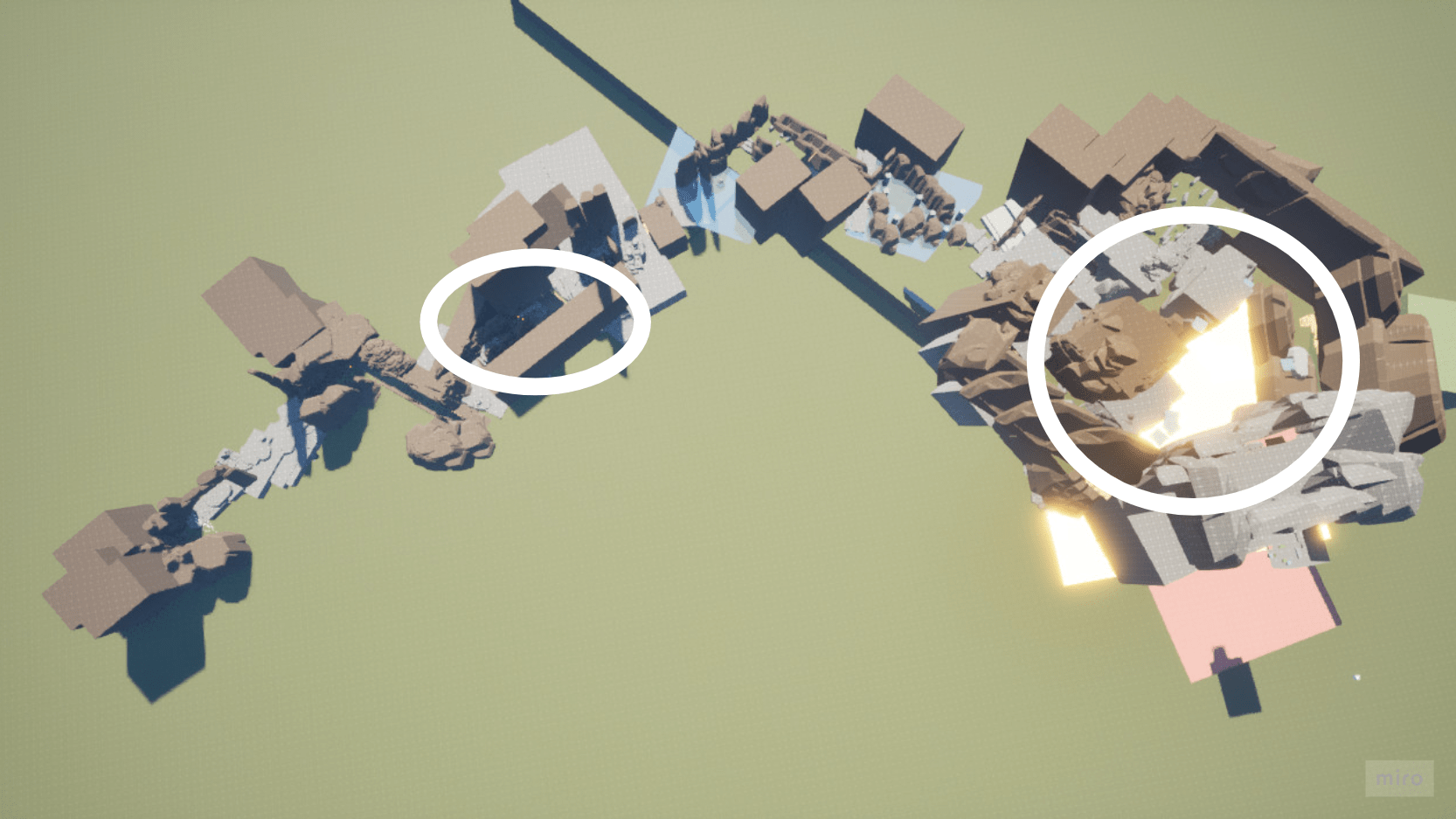
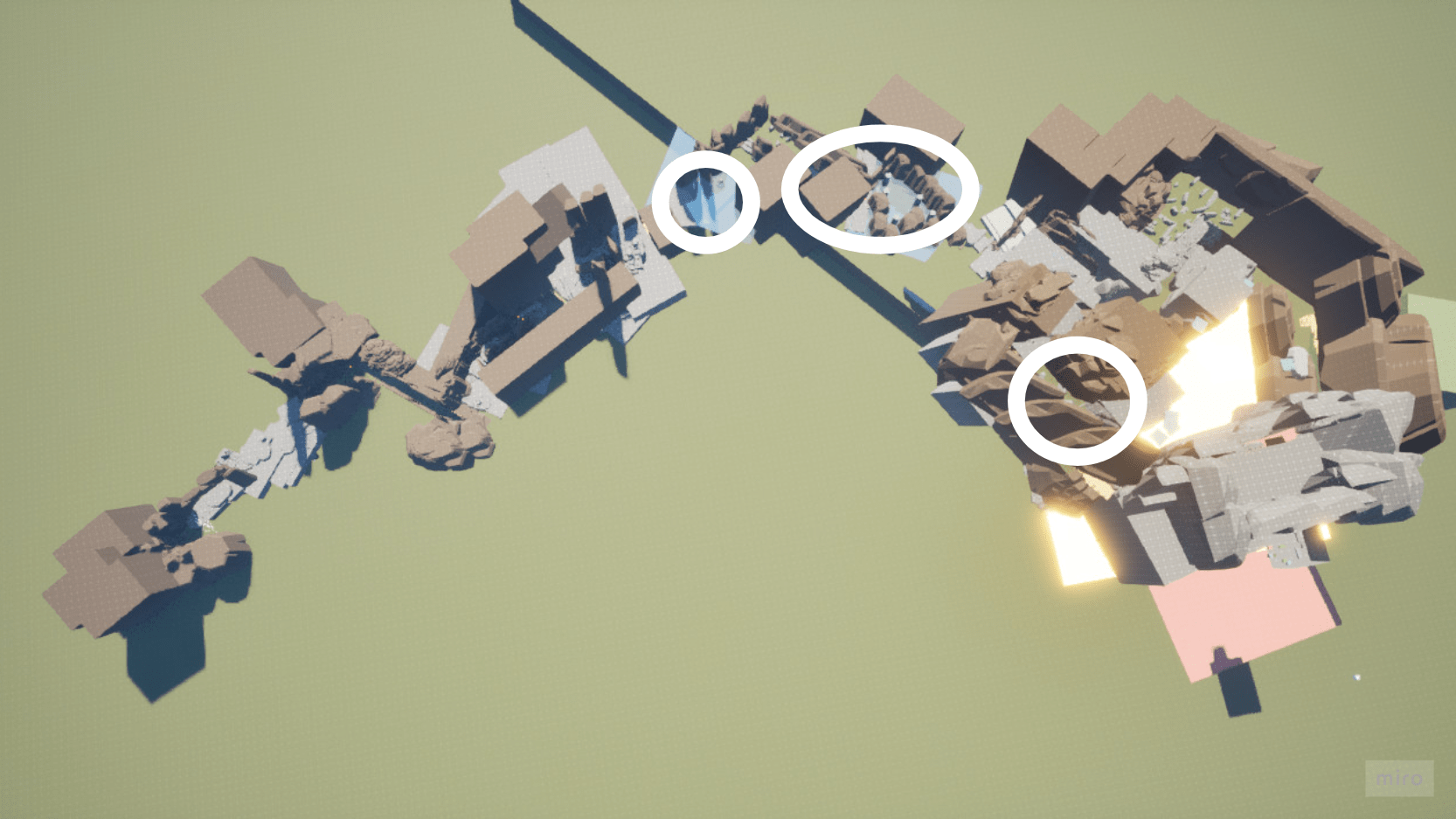
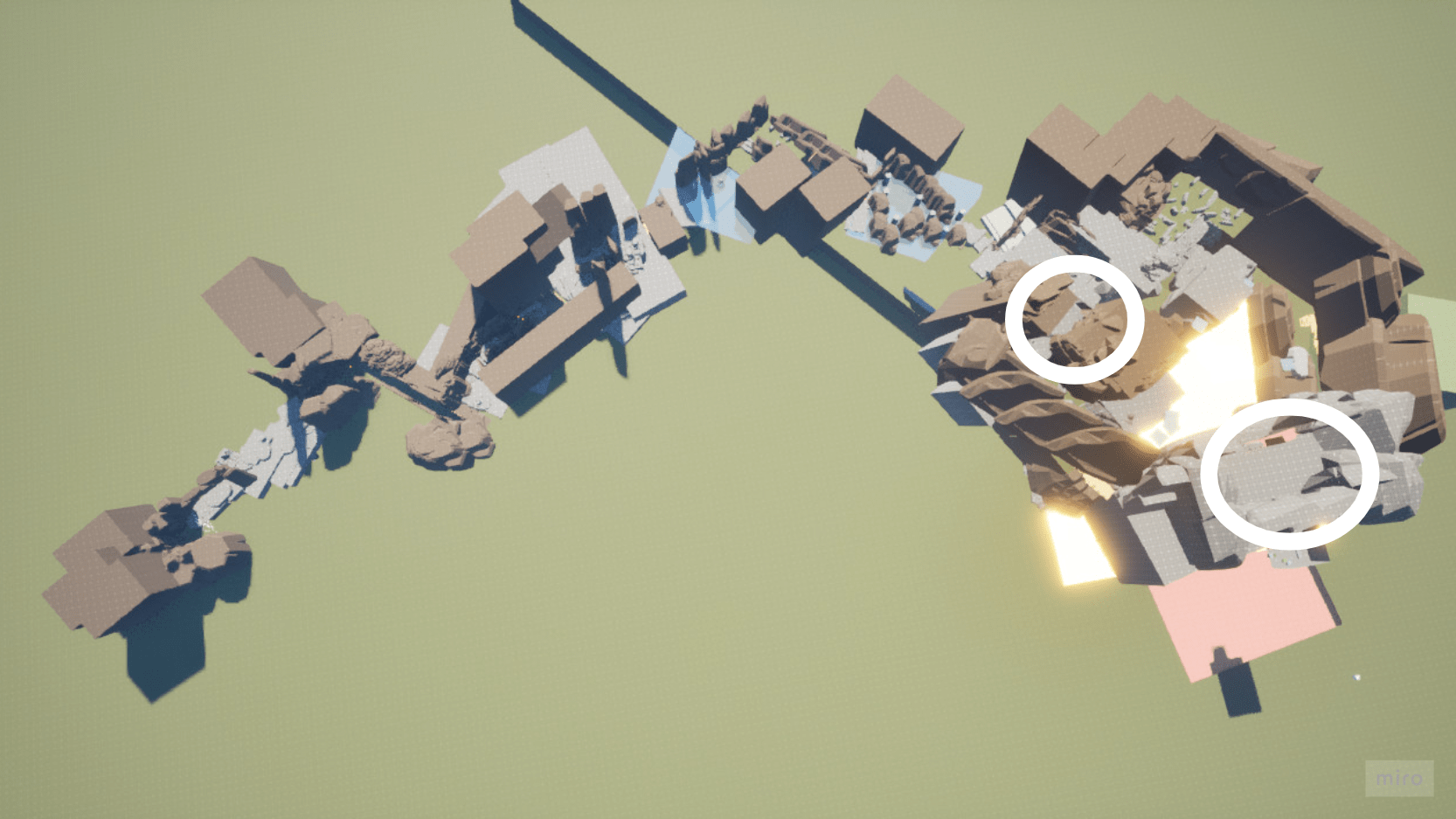
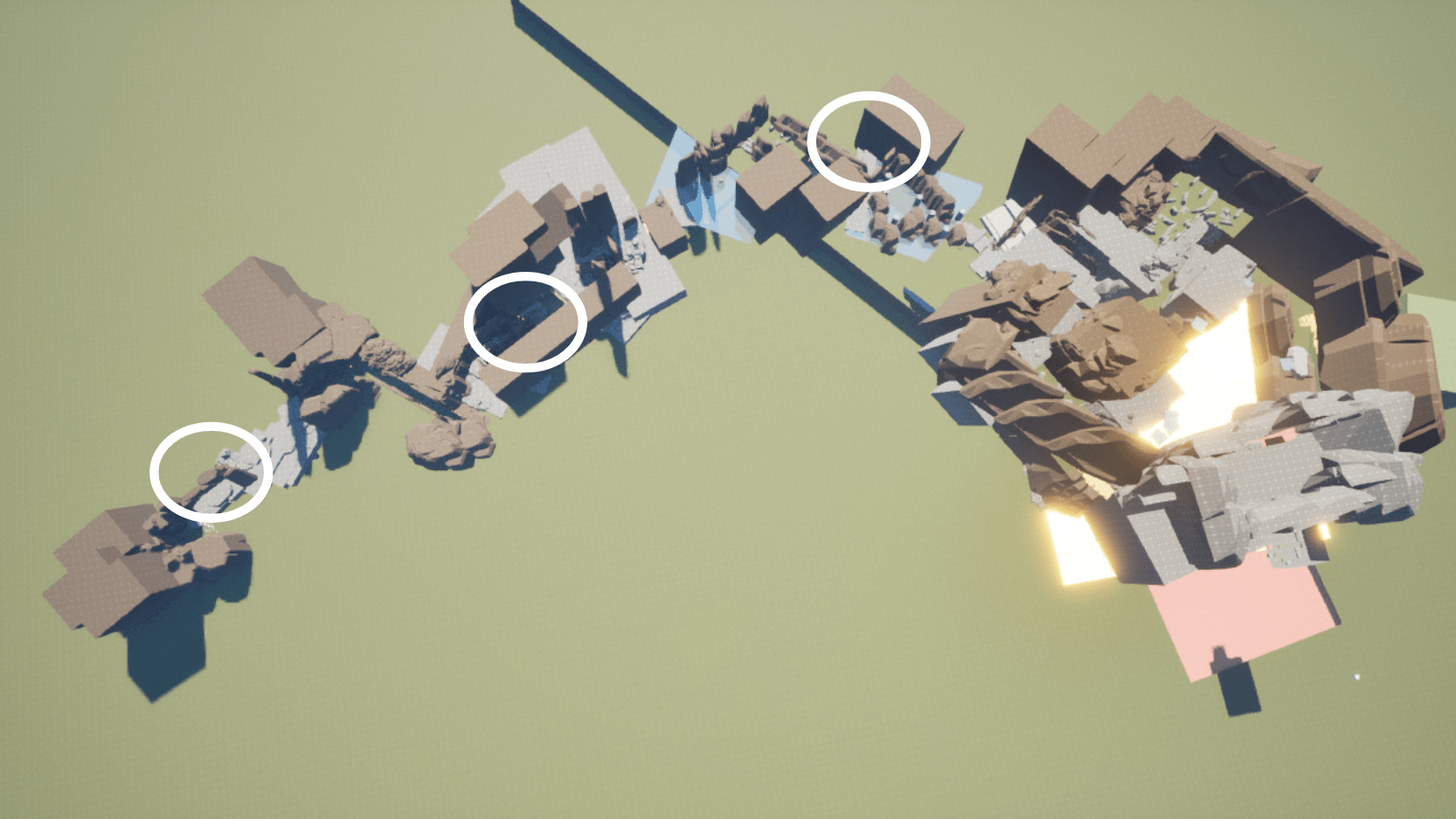
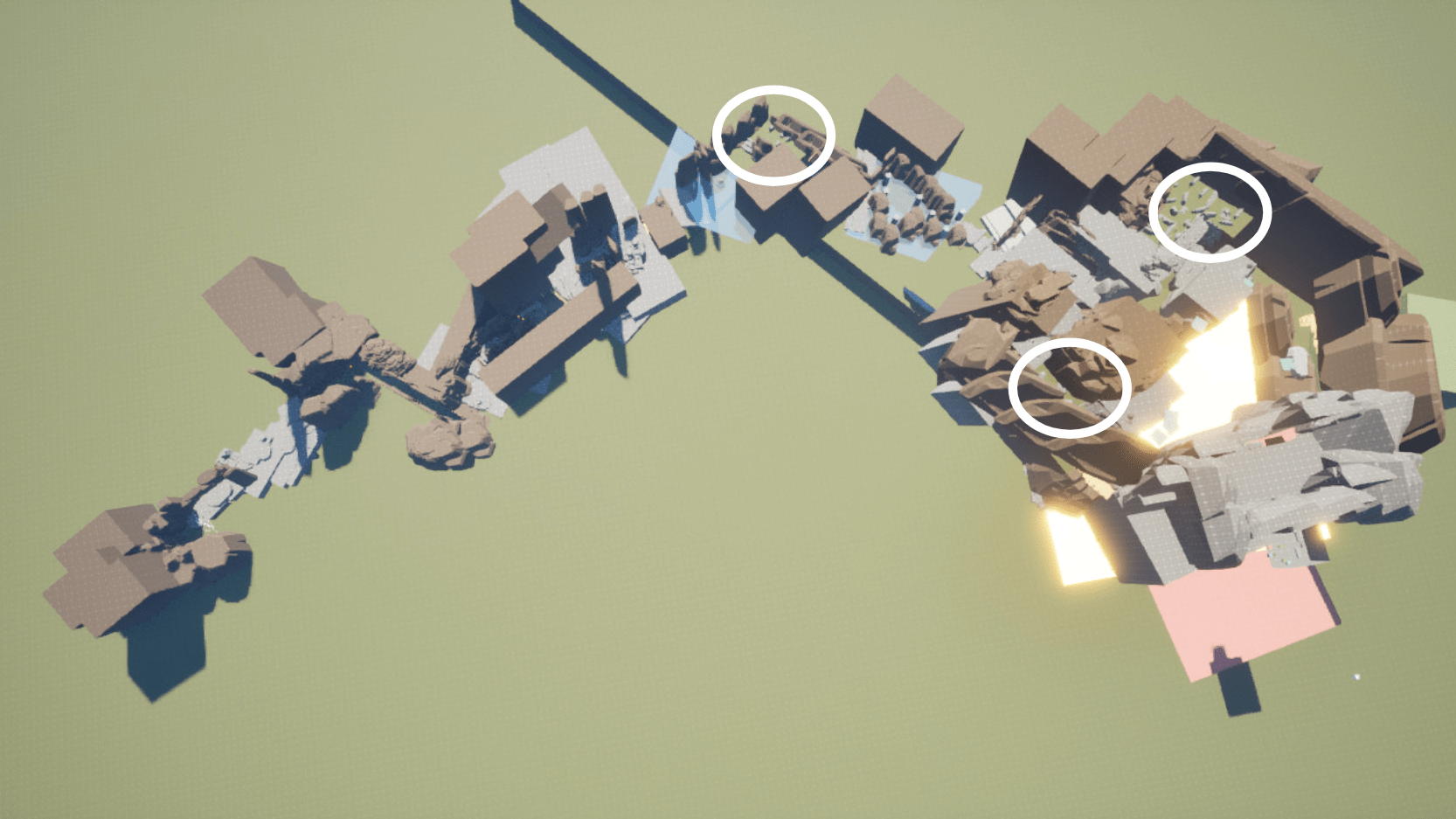
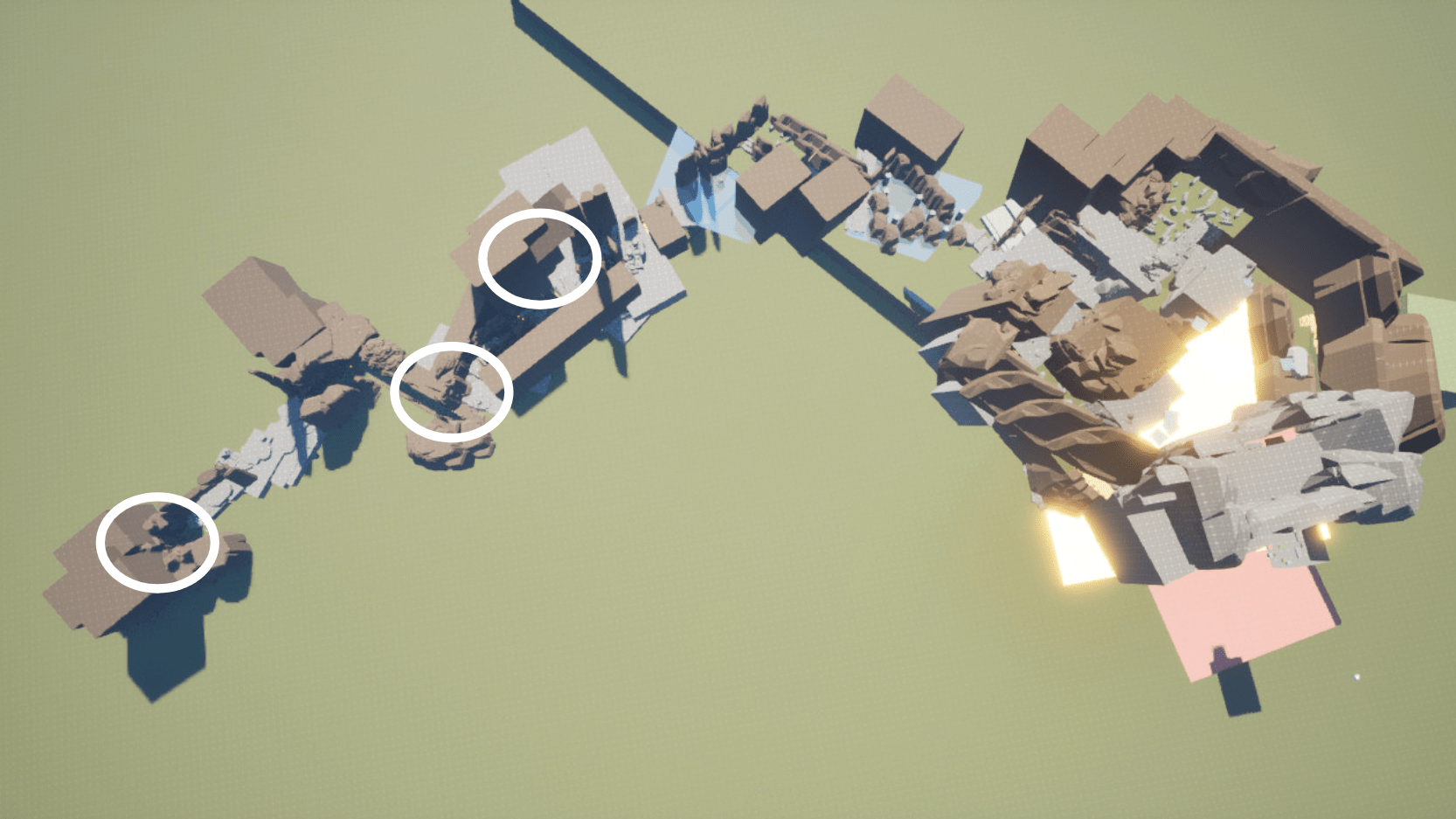
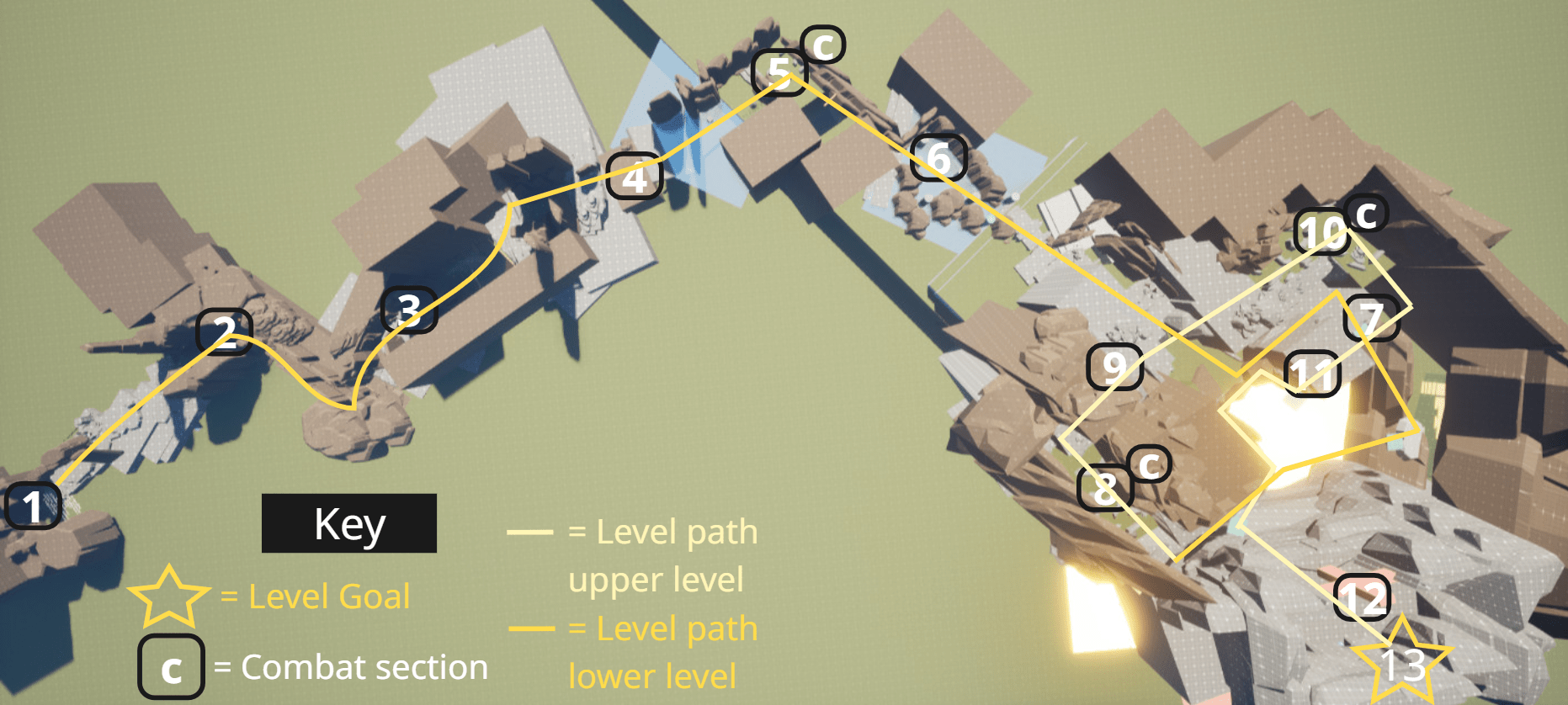
    2D Map layout: The map provides a simplified overview of the level’s structure and layout, serving as a visual guide for its overall design.

    3. Roughout 1

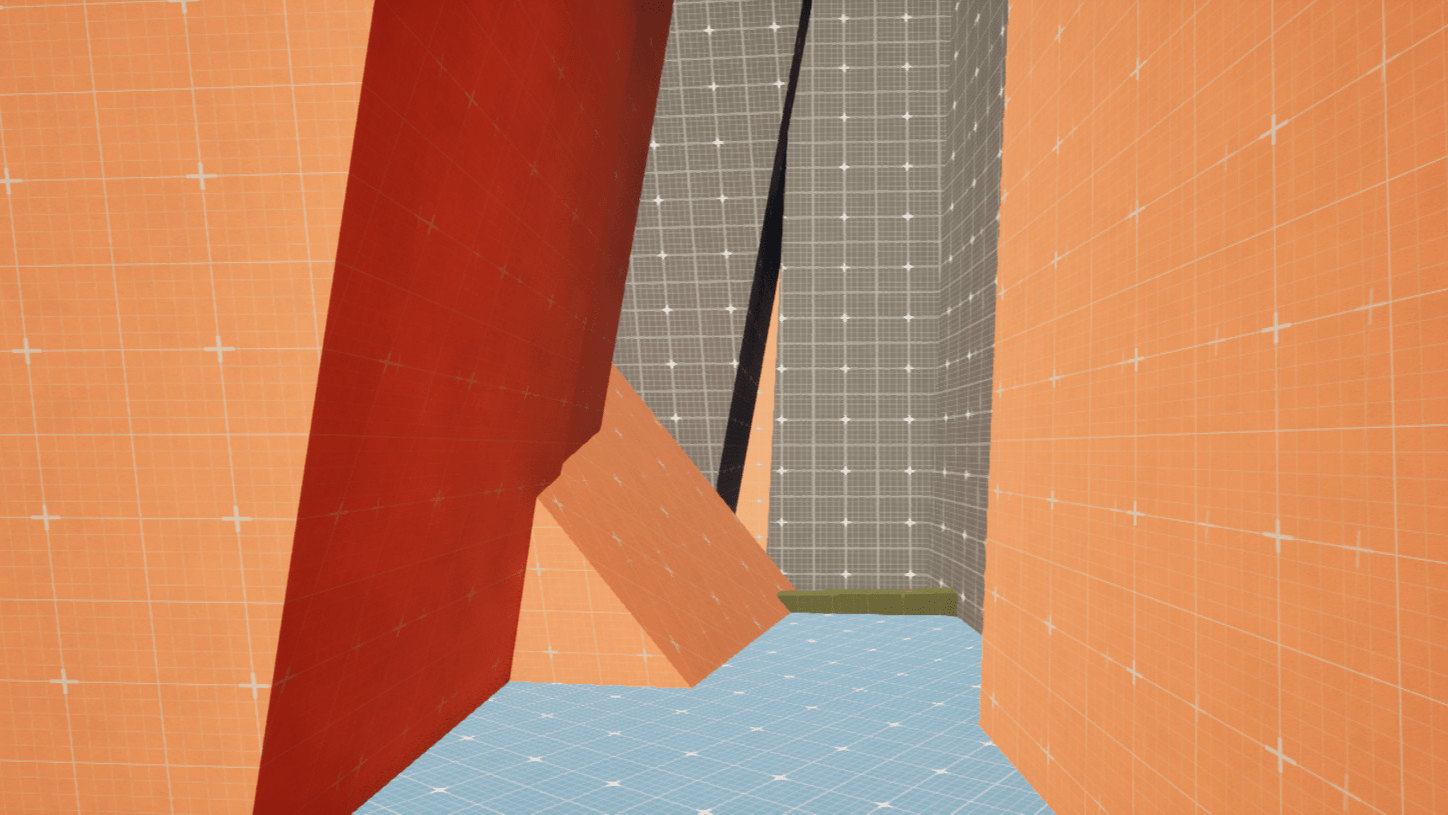
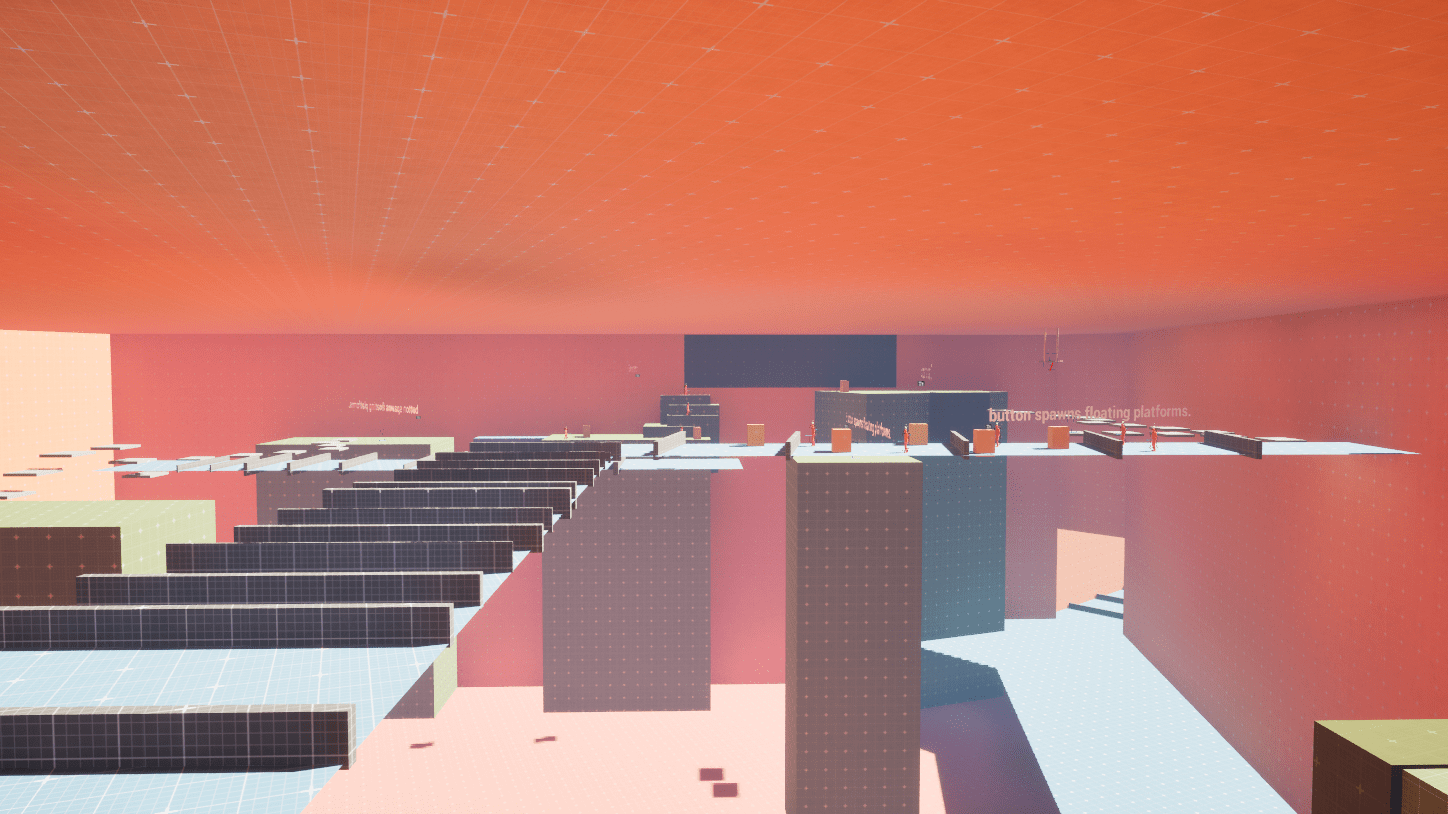
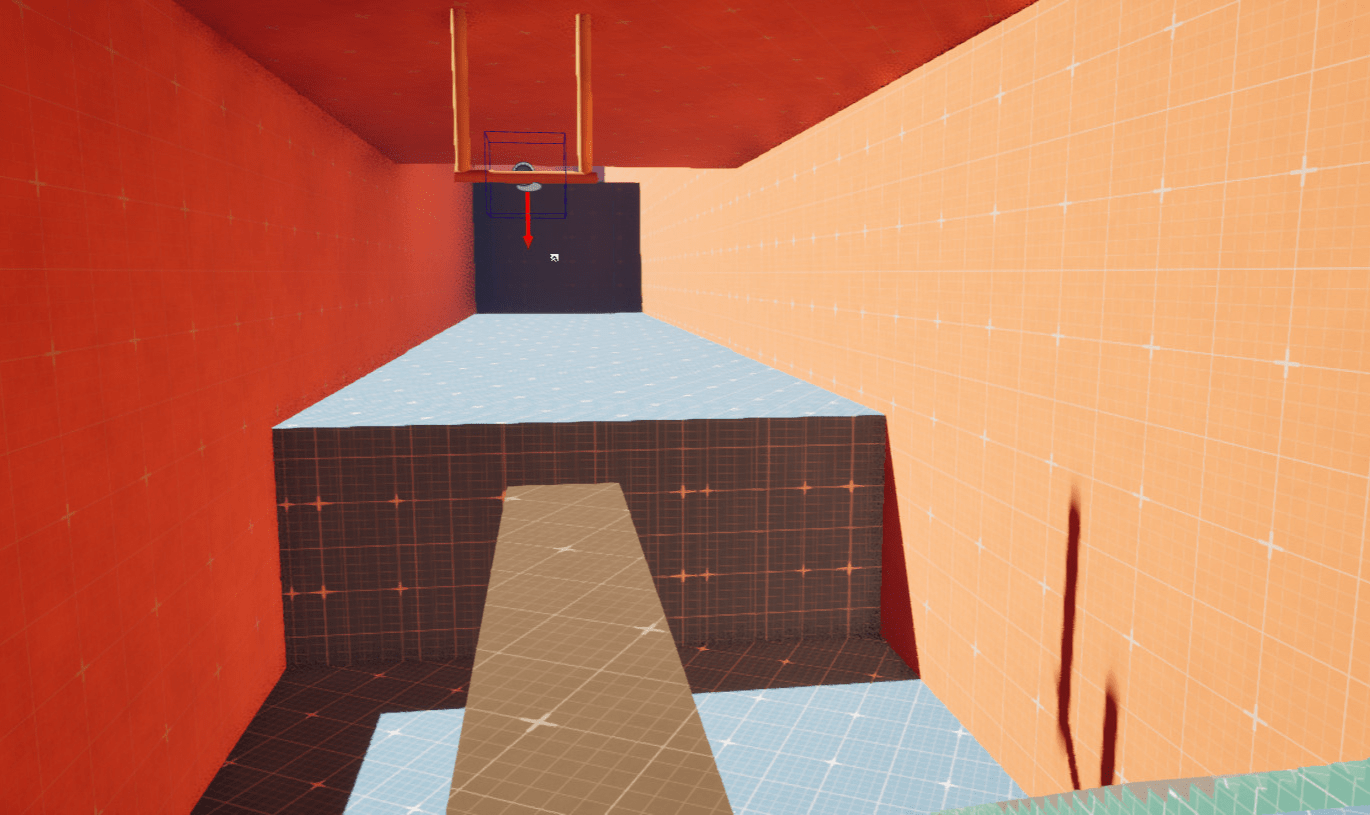
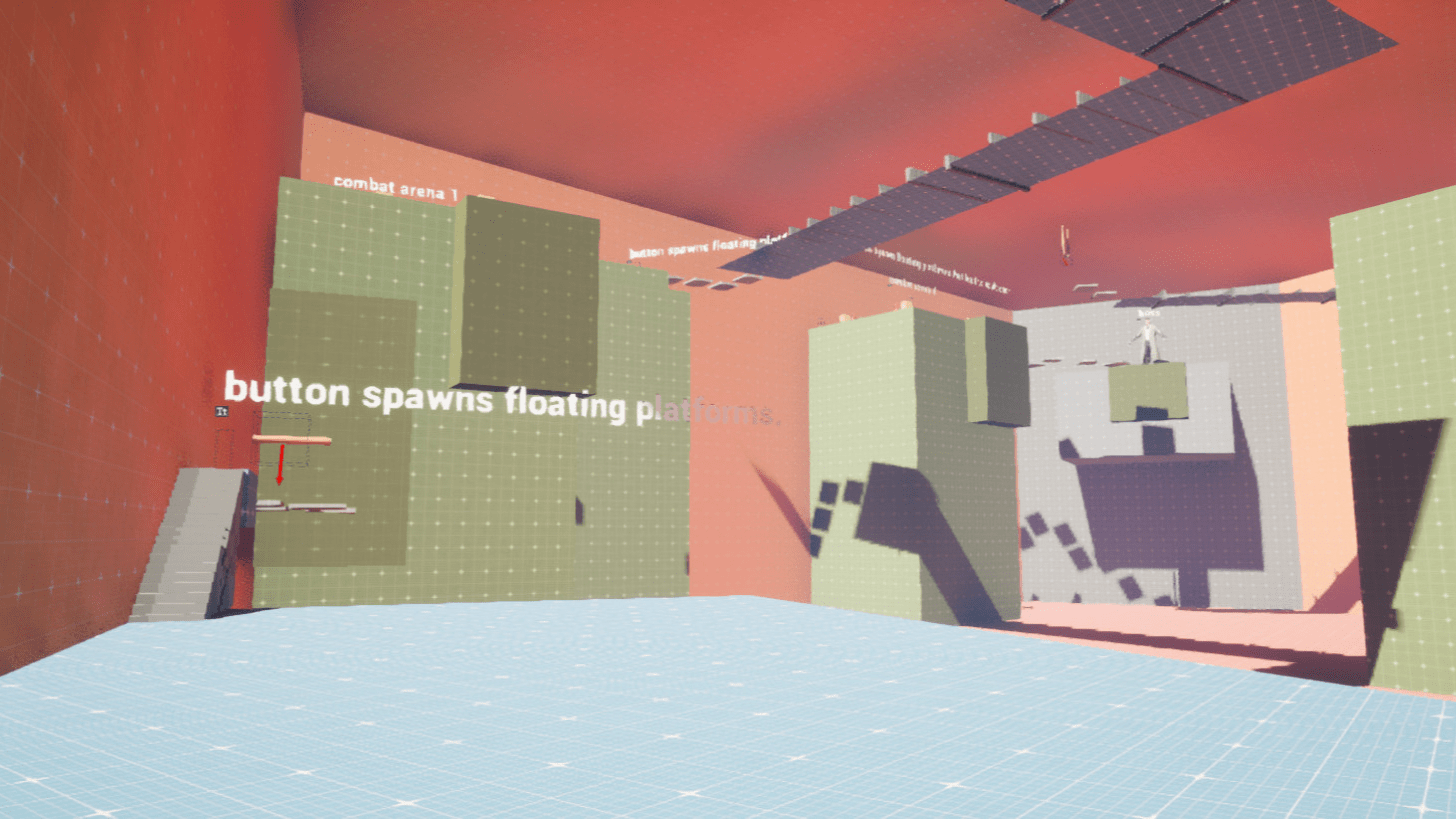
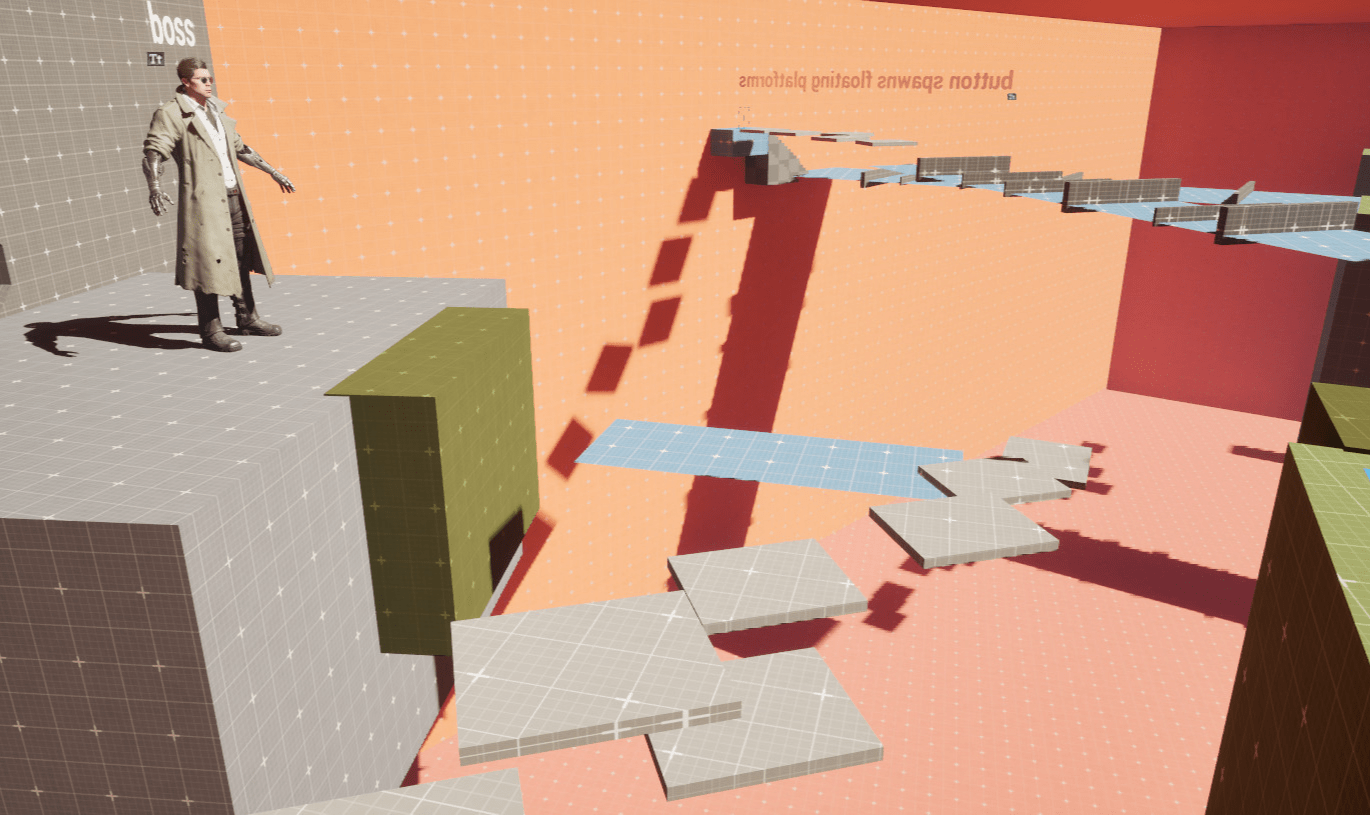
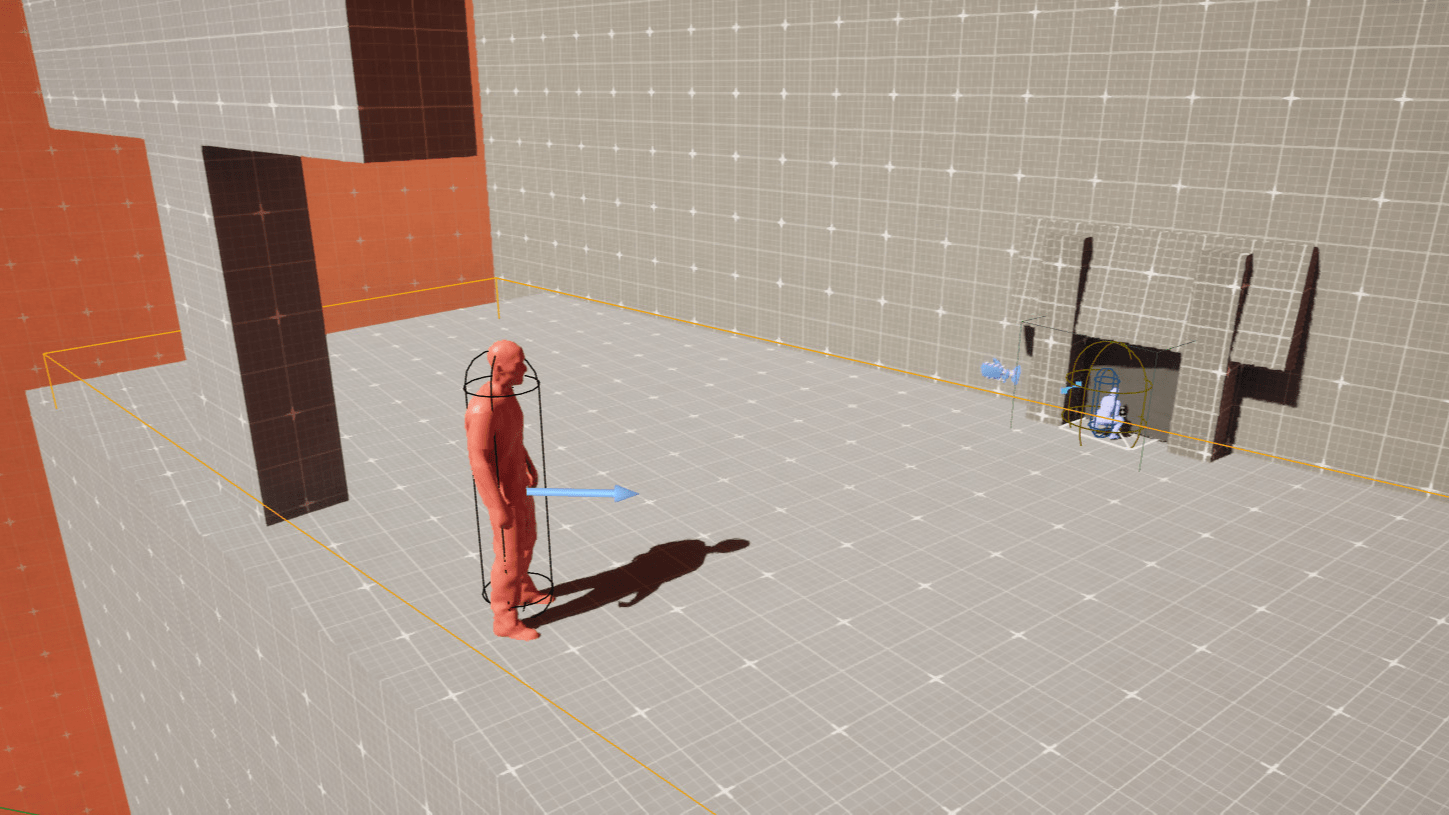
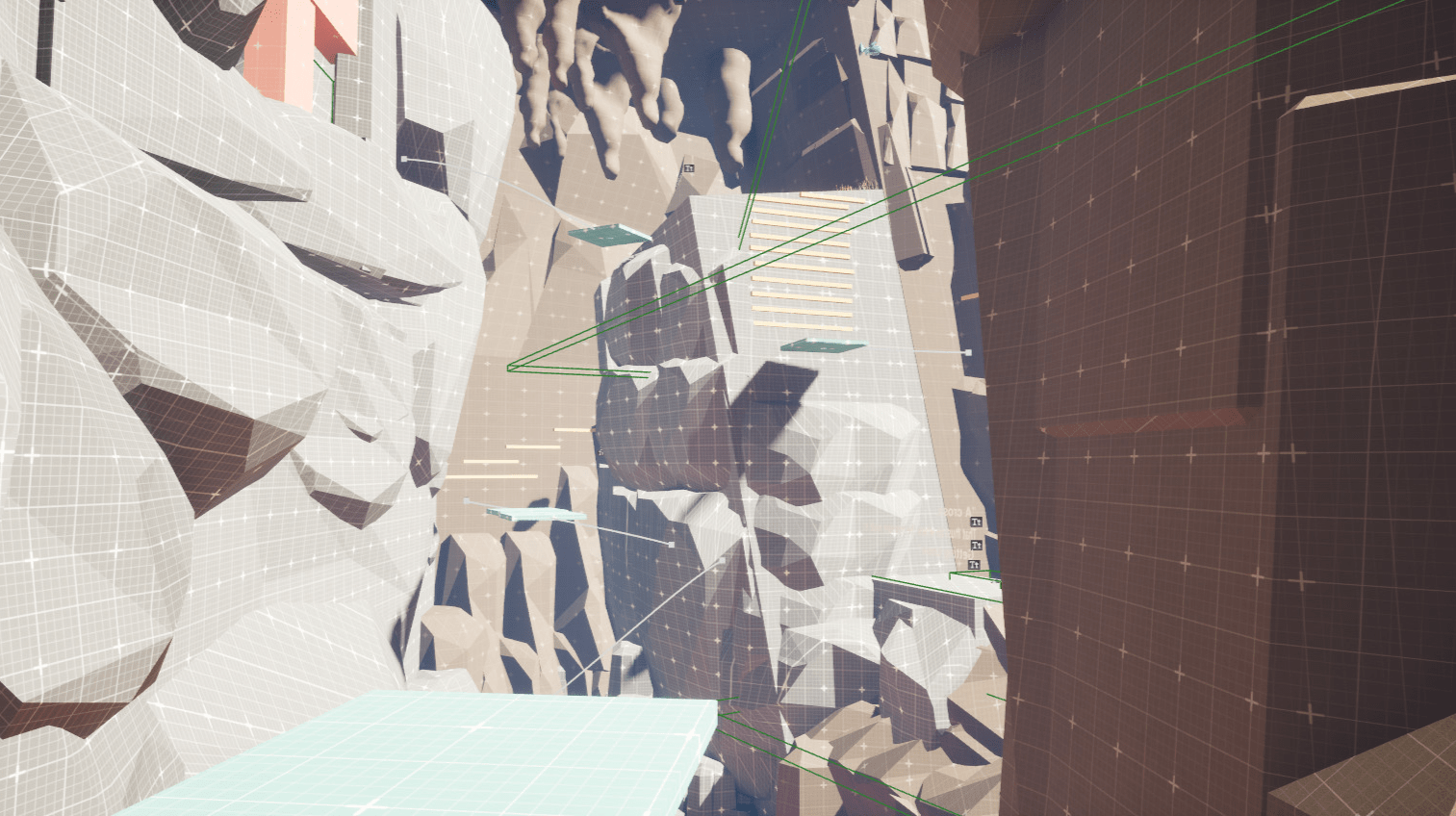
    Results: This is the first ever blockout of Ogbunike Temple which followed beat for beat the 2D map I had drawn out. This blockout of the level establishes the size, flow, and pacing. 

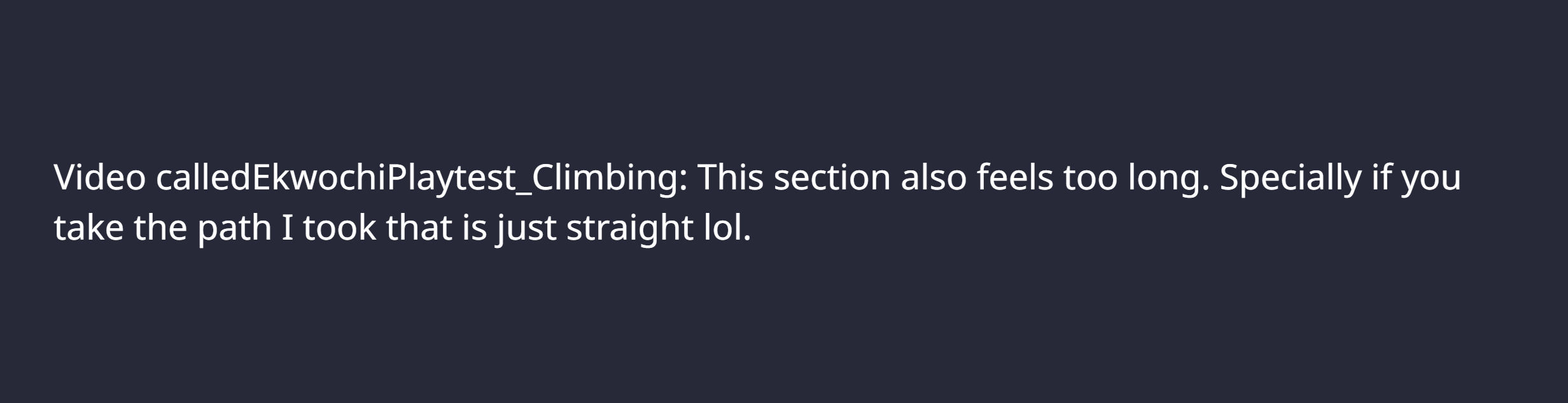
    Goal:Initial playtesting revealed that the level blockout was too large in scope, with overly punishing platforming. Early areas were especially problematic—spaces were too wide and linear, leading to long stretches of uneventful gameplay. As a result, players took too long to reach the second half of the level, which had its issues of being too long and punishing when it came to the platforming sections.

    Implementation/execution:

    • Reviewed early feedback on the scope and size of the level.
    • Reviewed the pacing on certain beats of the level from past playtests.
    • Made some major cuts to the beginning section and second half of the level.

    4. Playtest & Iteration 1

    5. Roughout 2

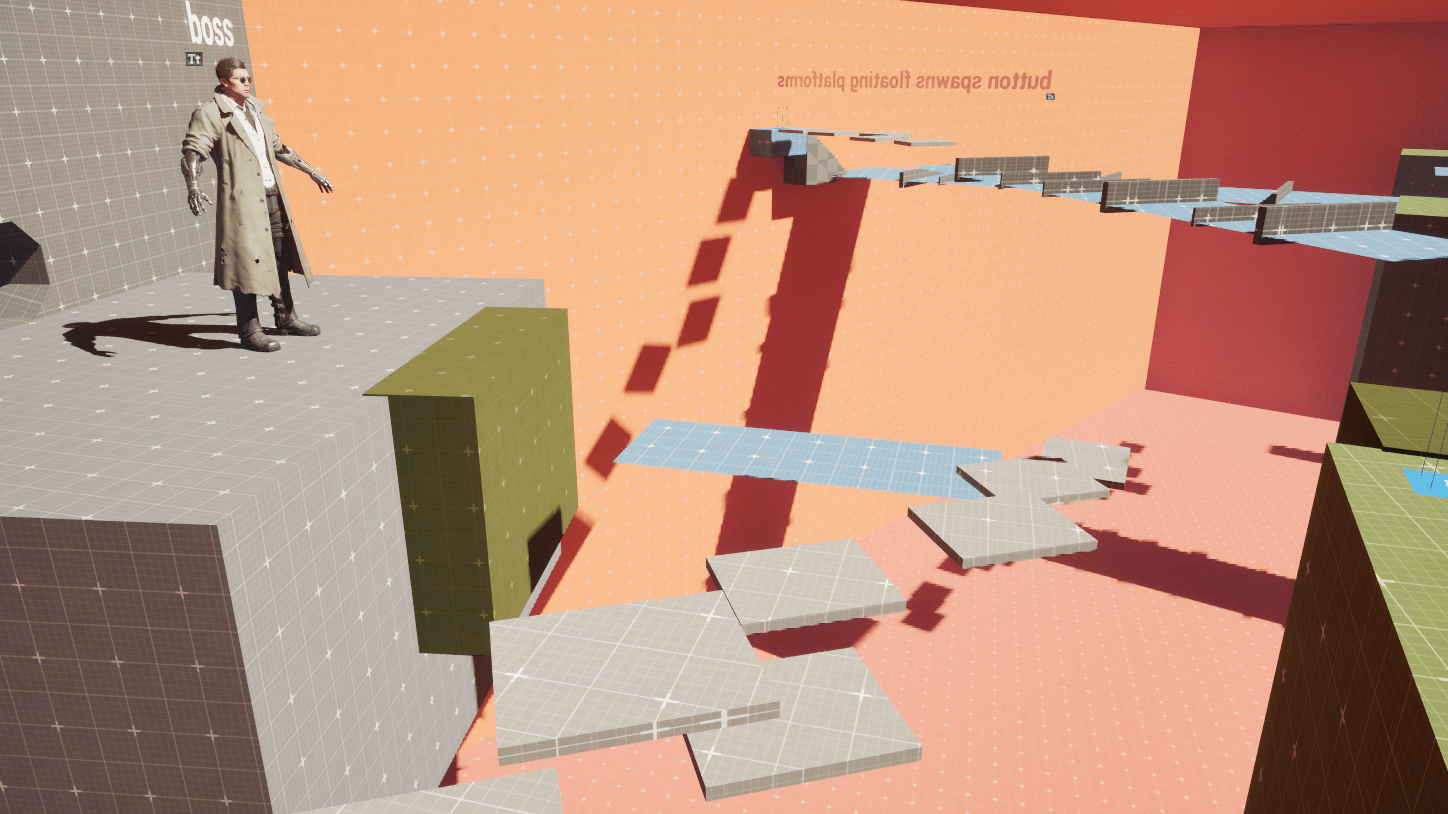
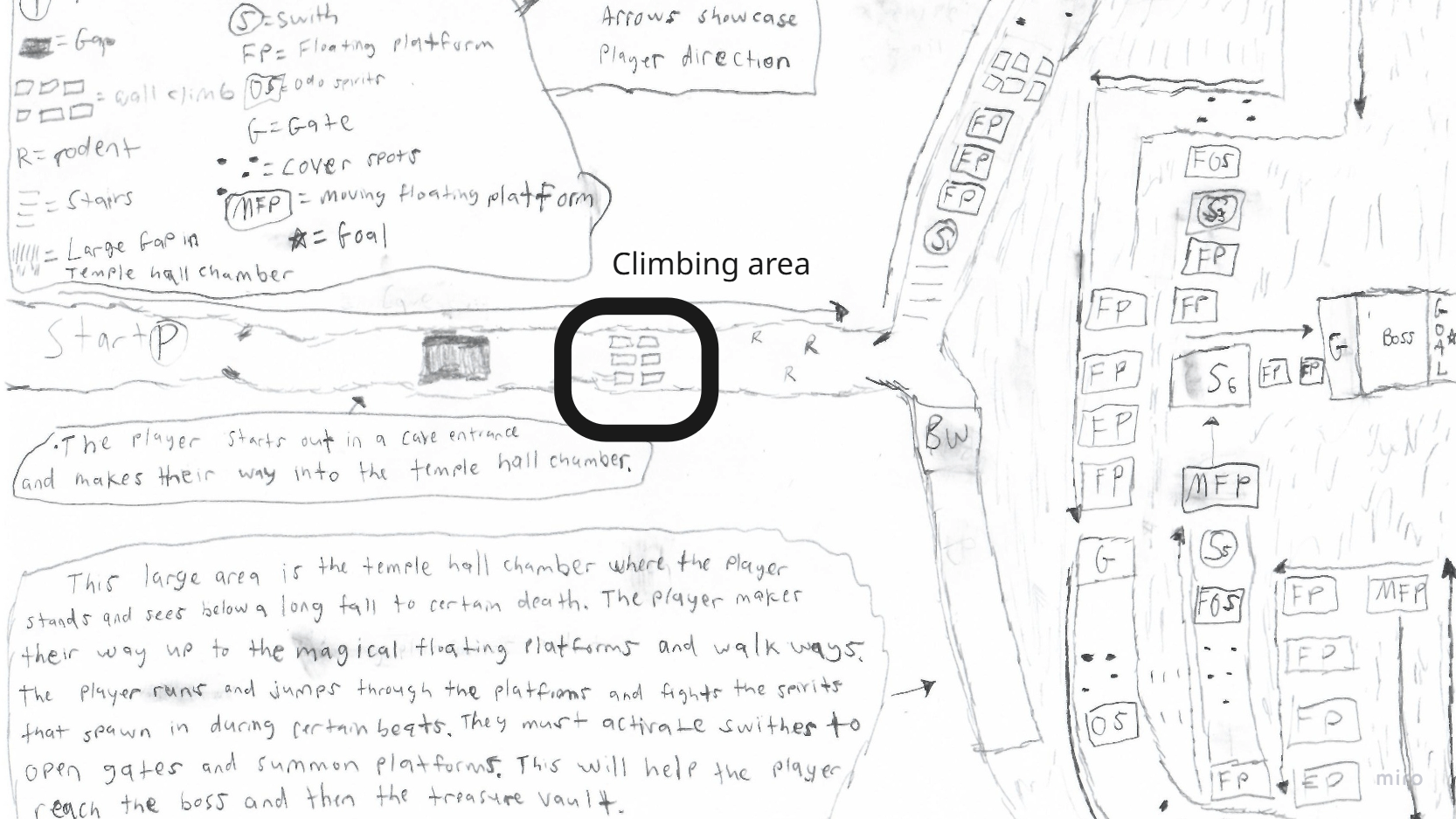
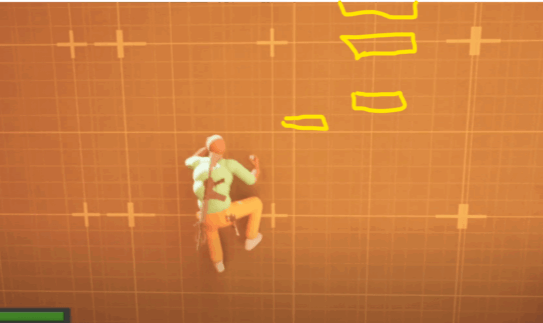
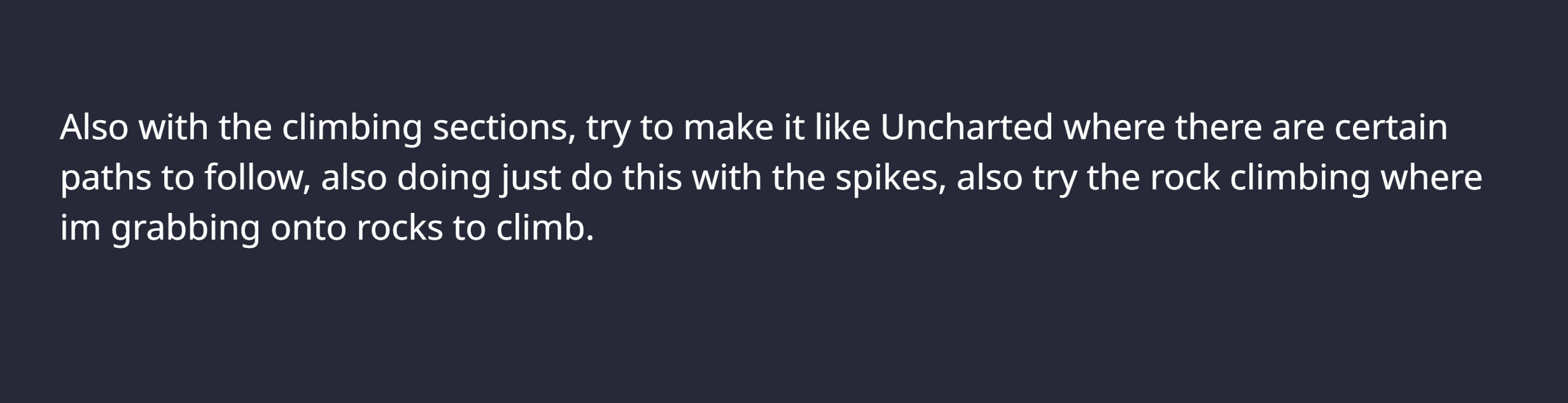
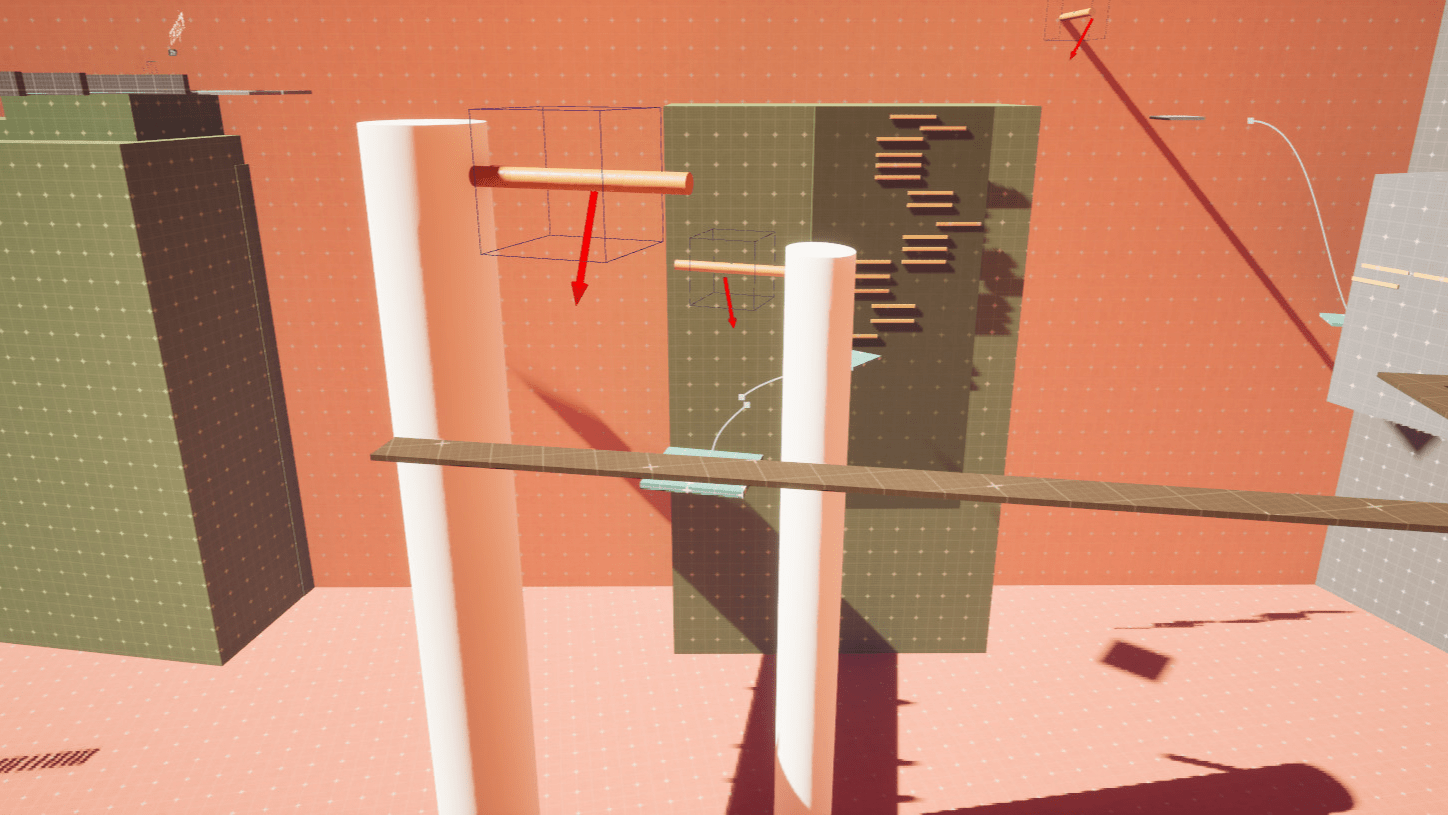
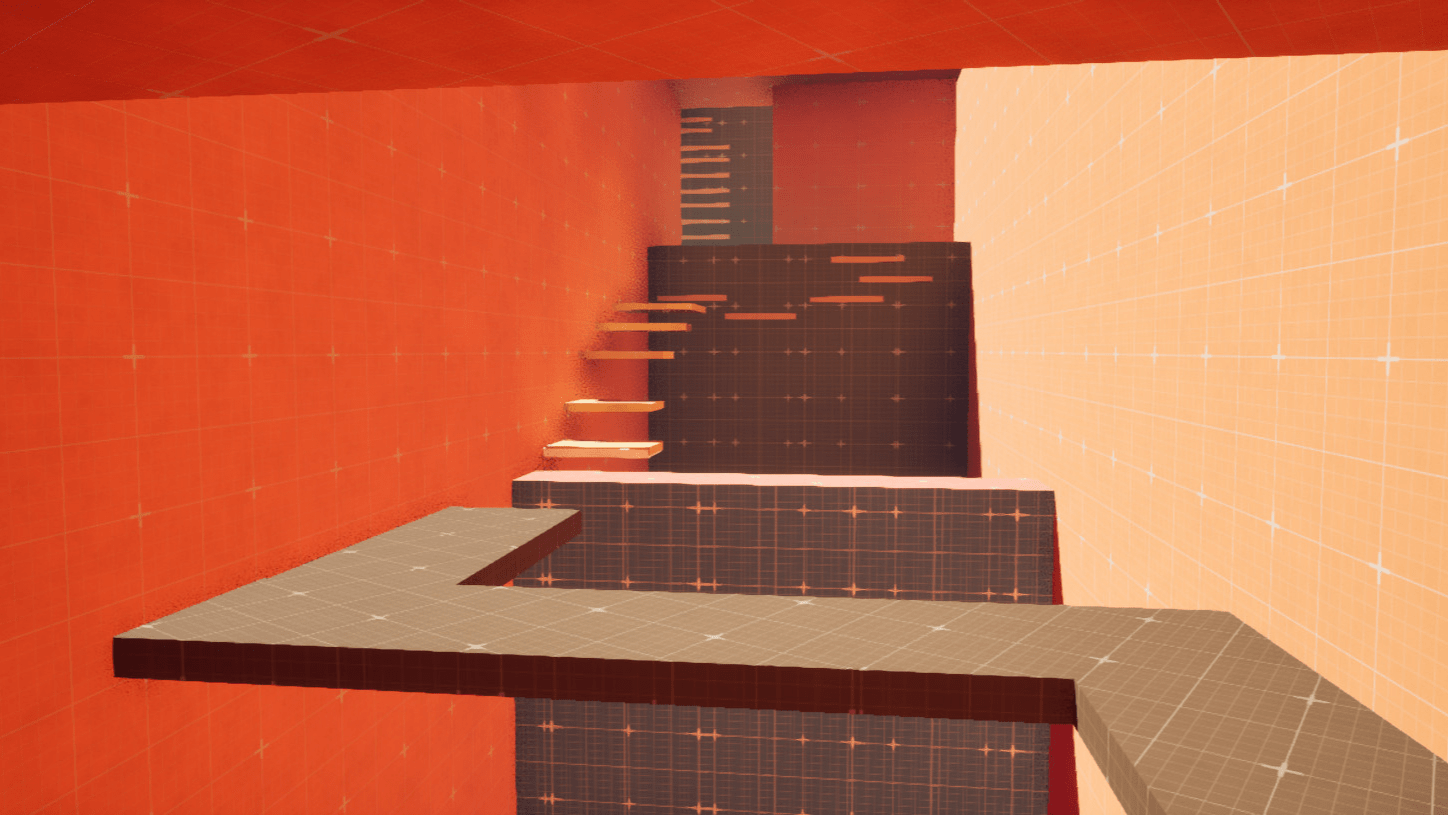
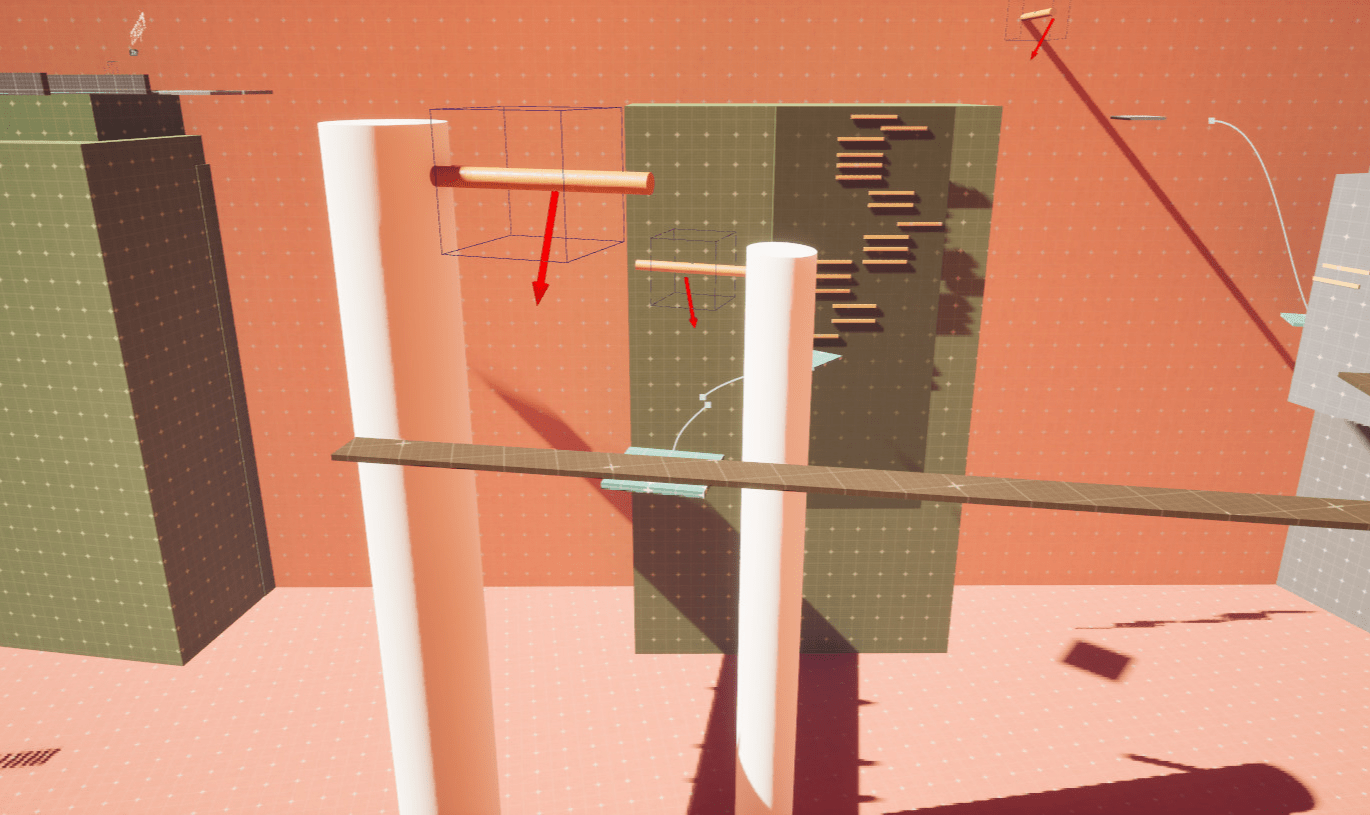
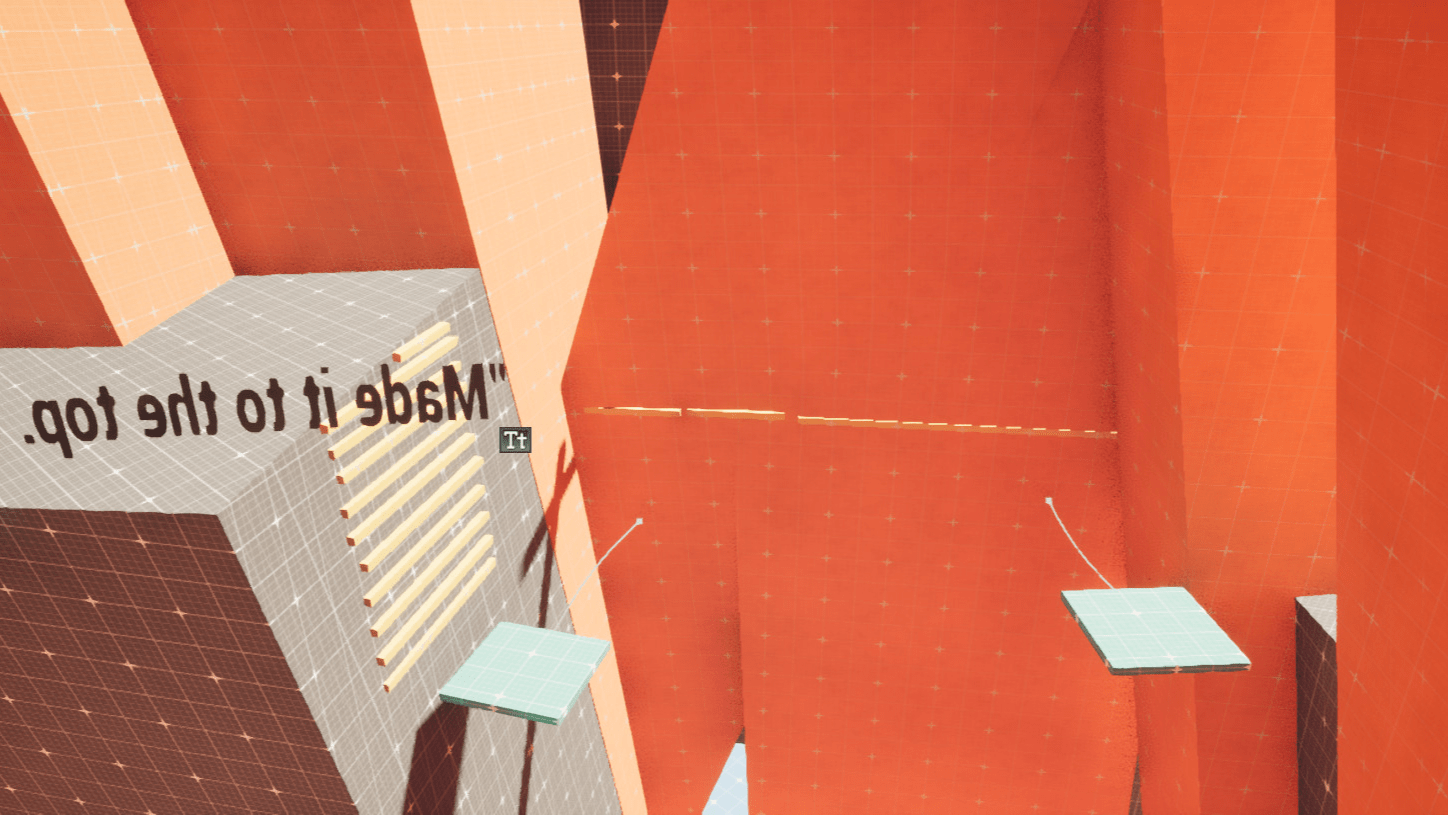
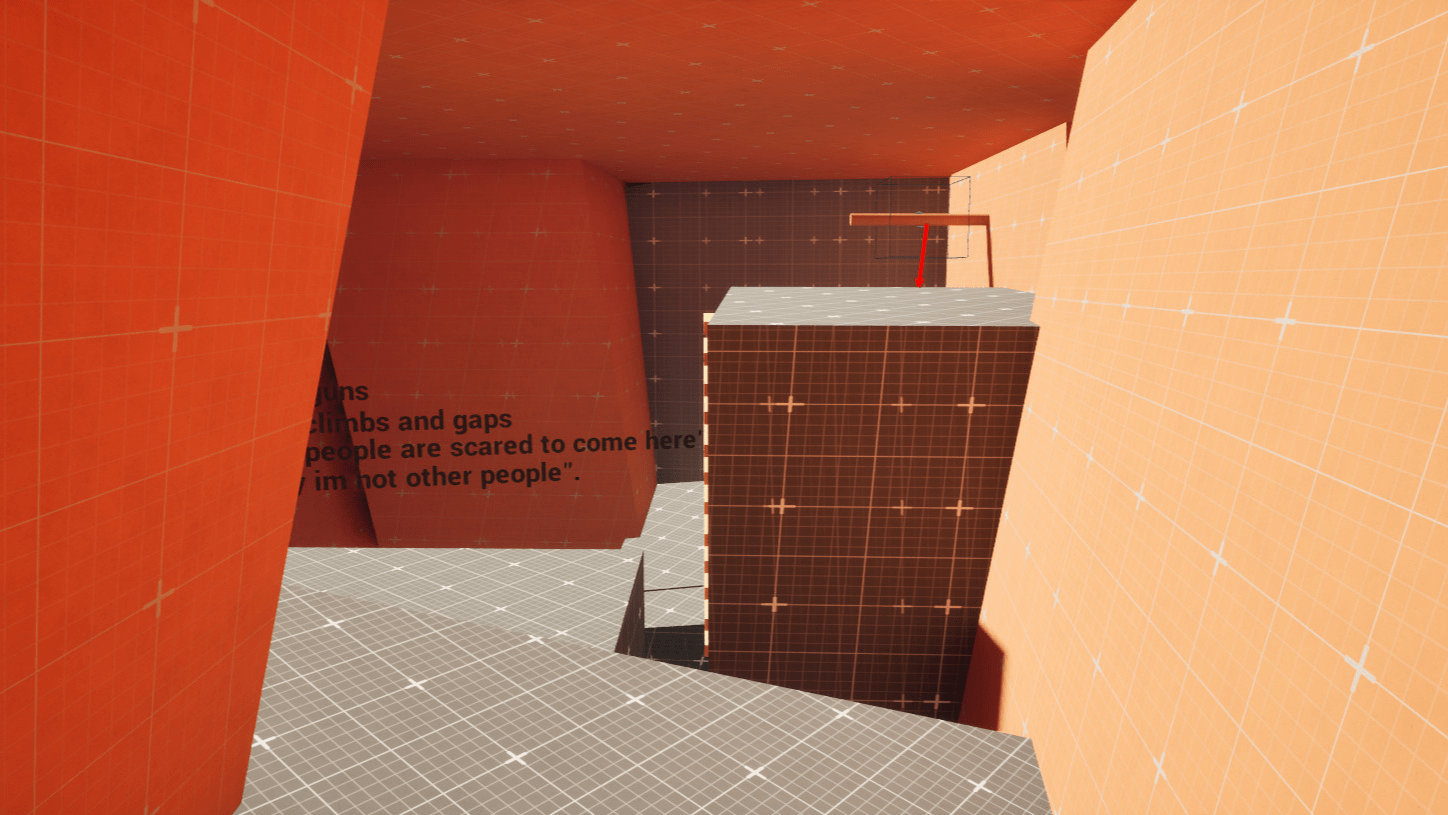
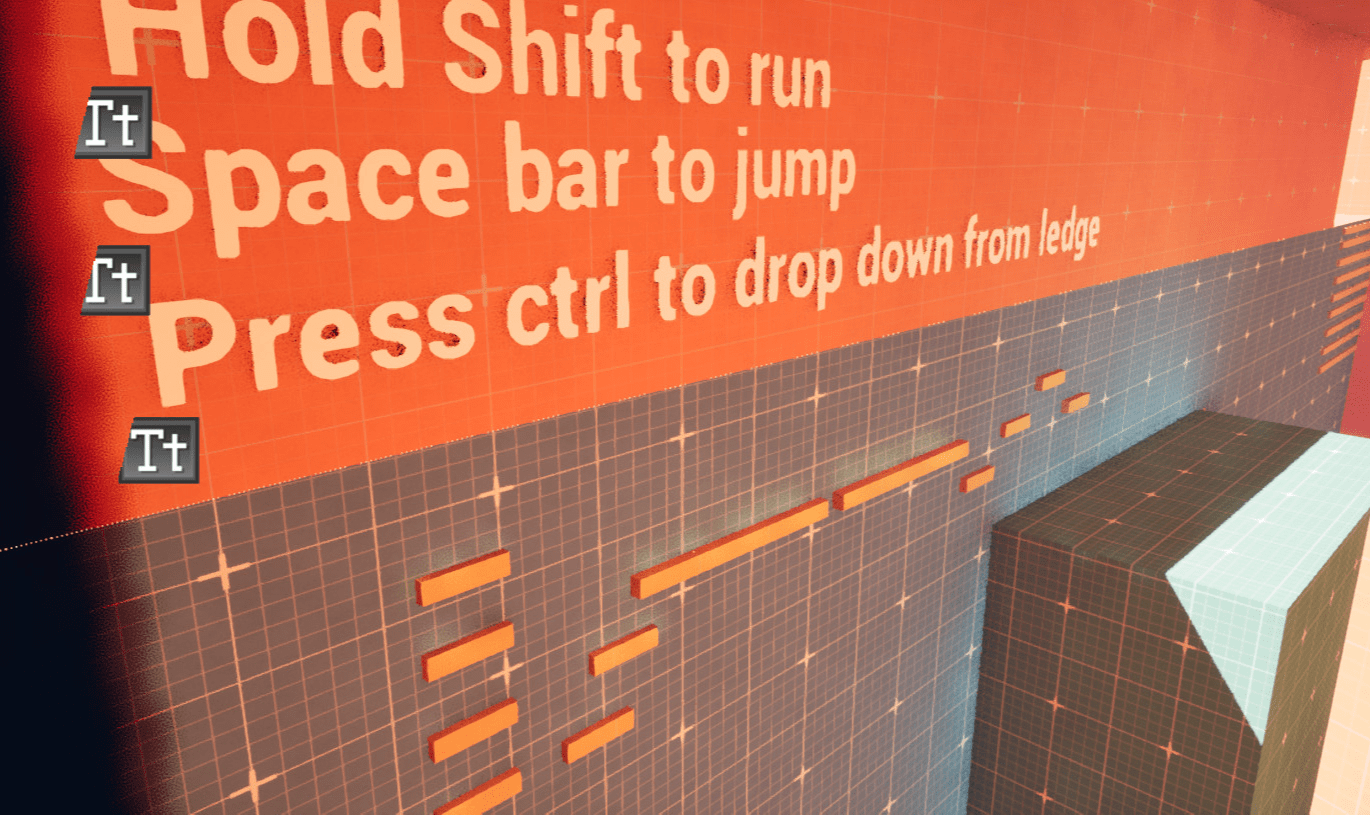
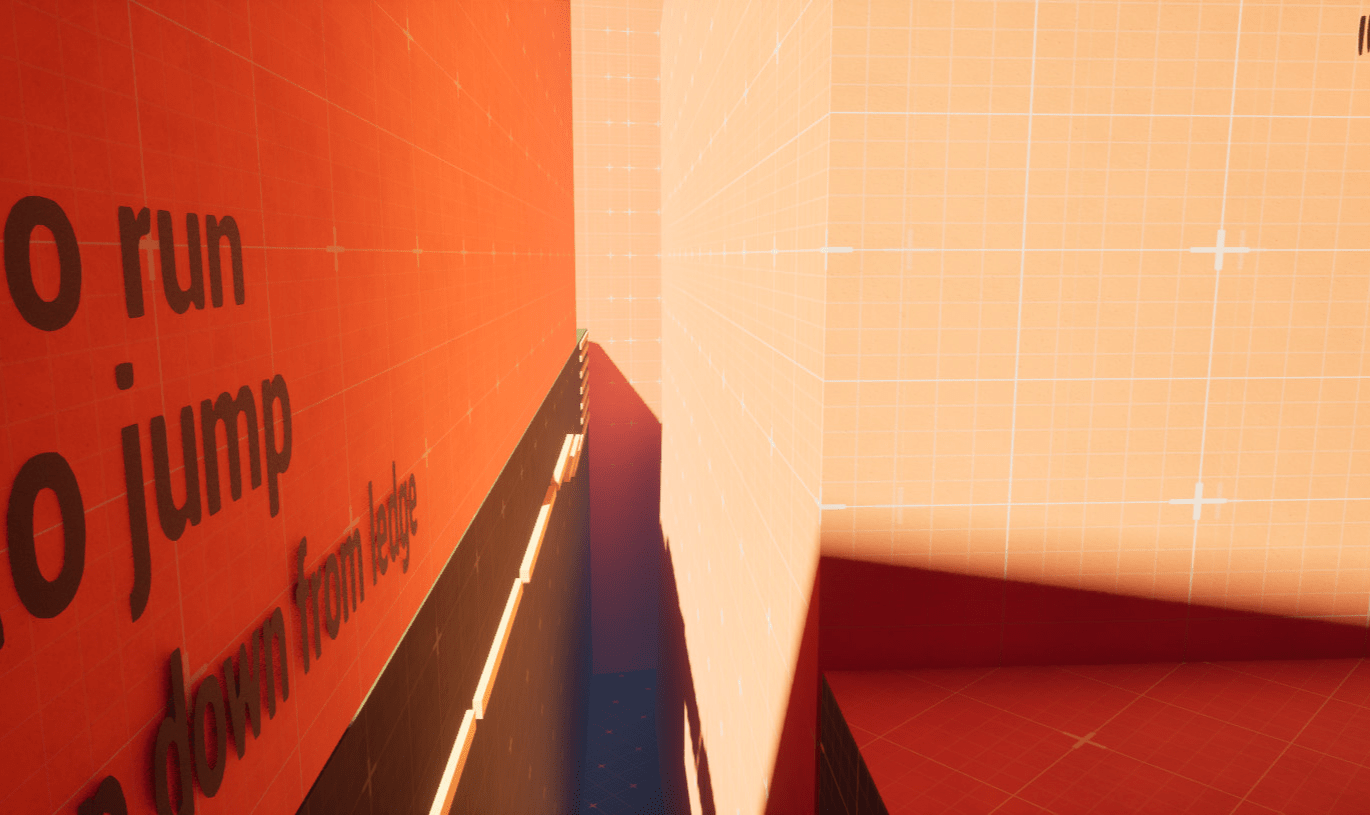
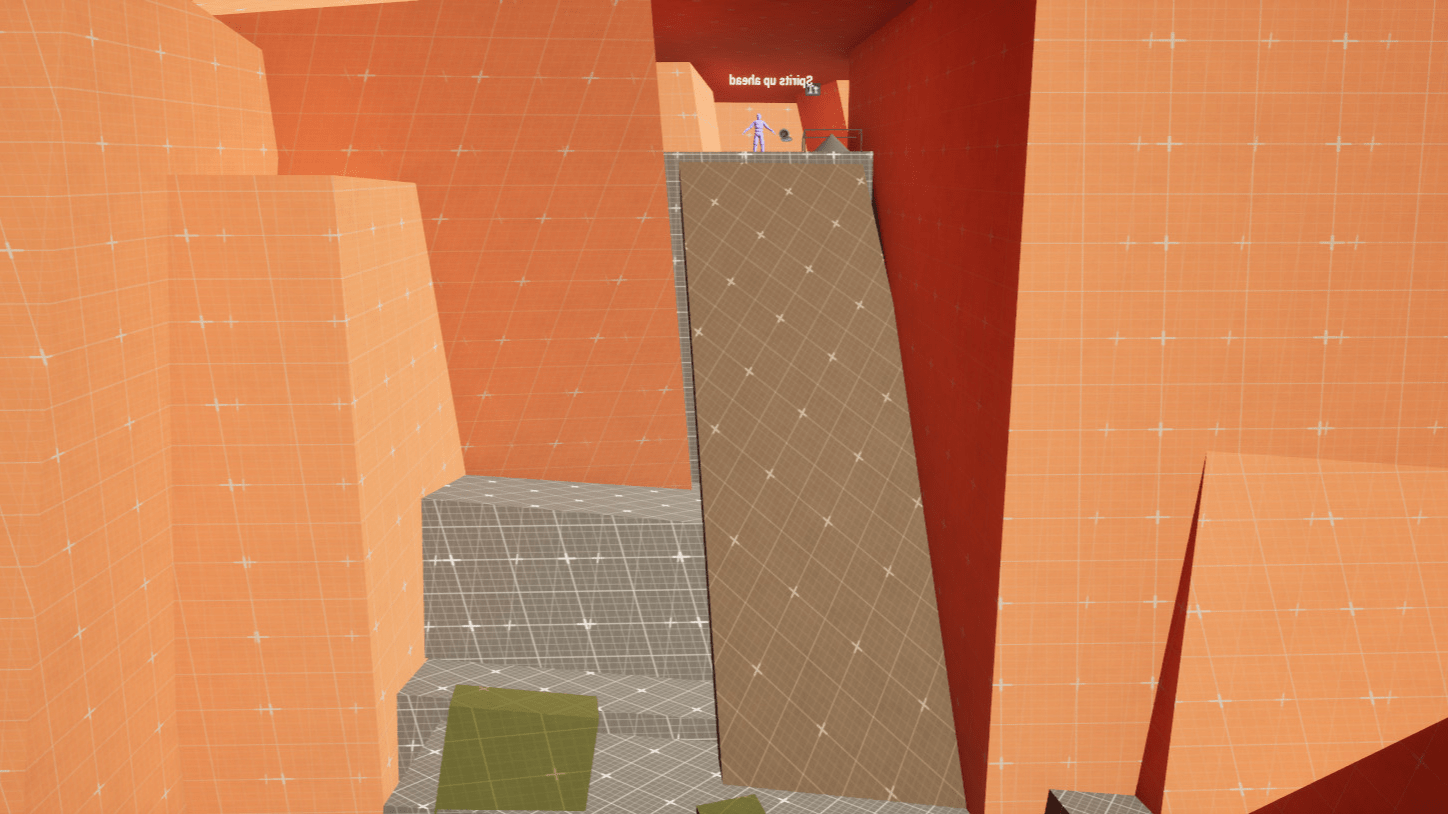
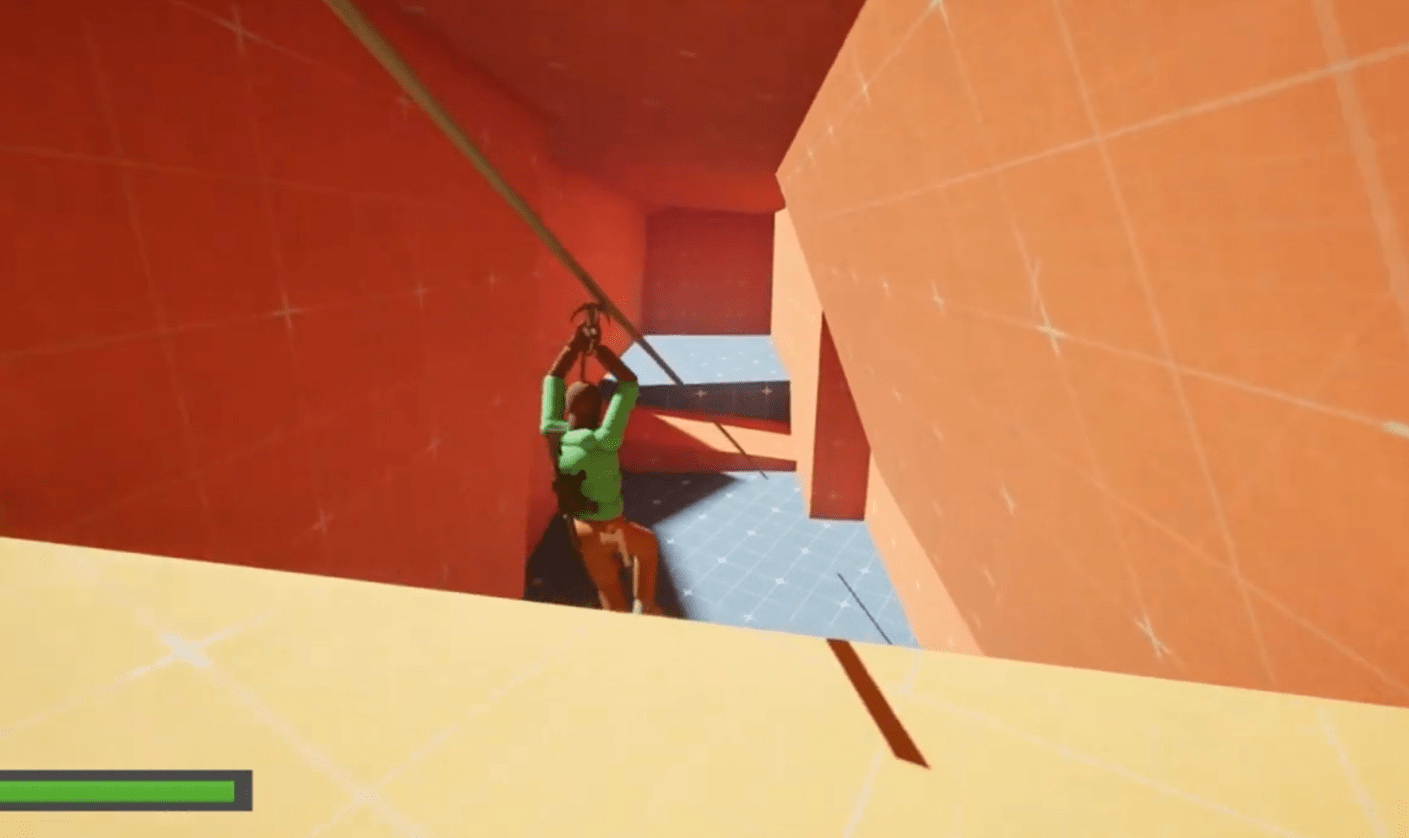
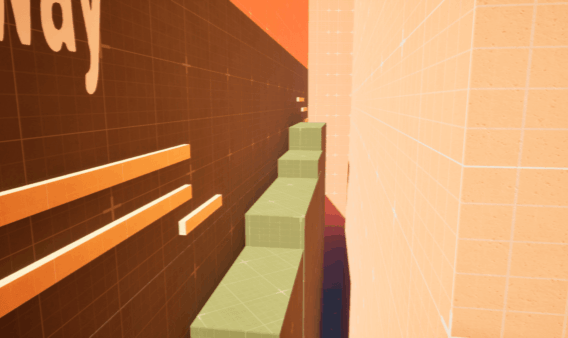
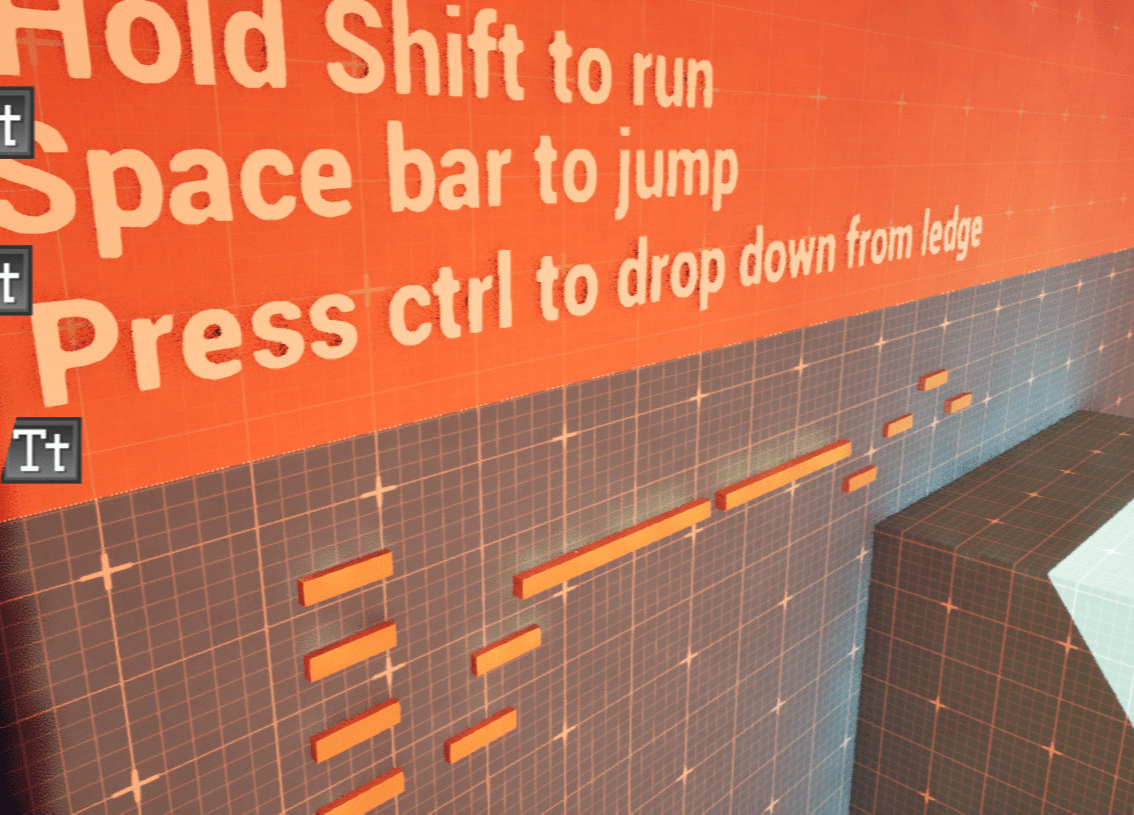
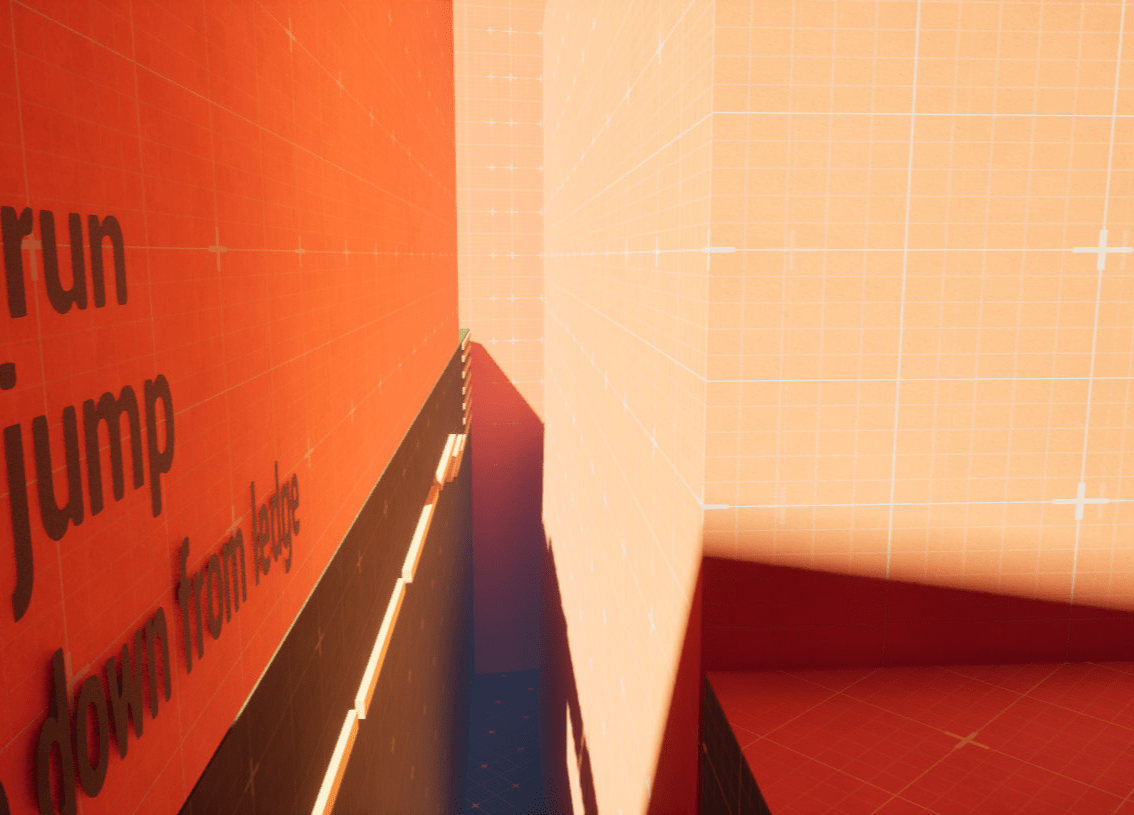
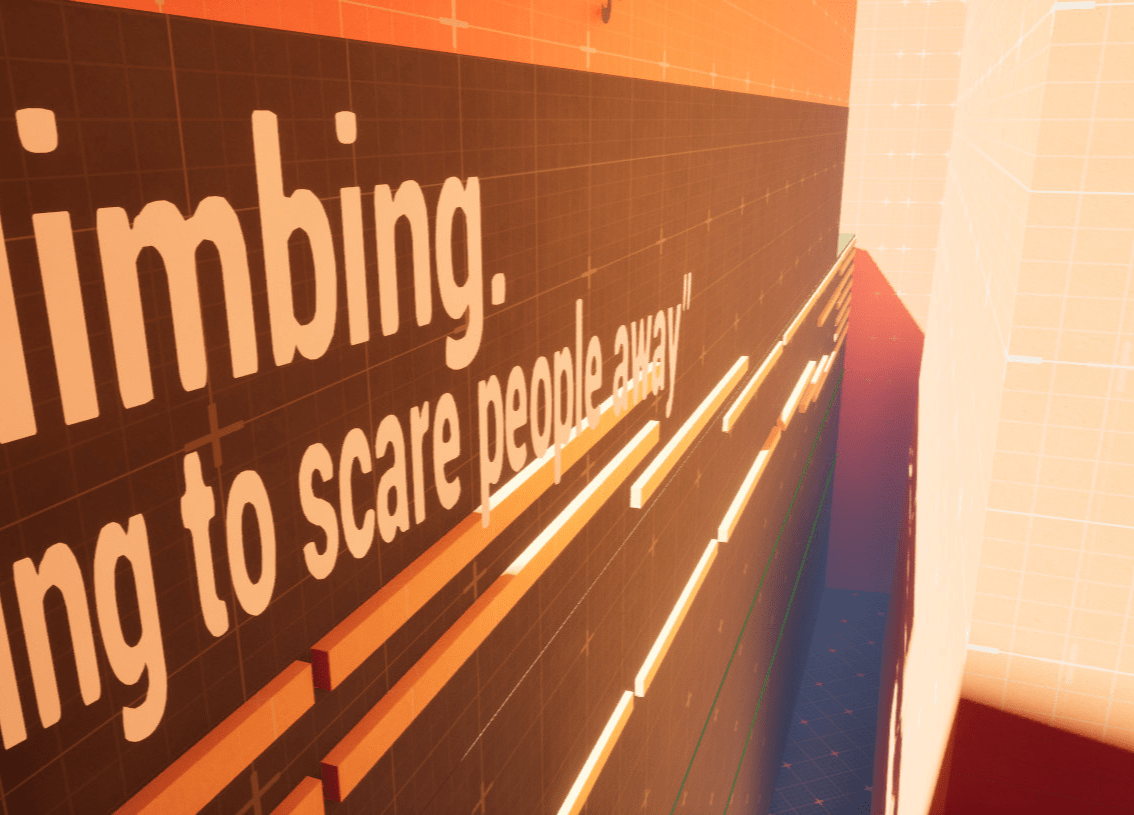
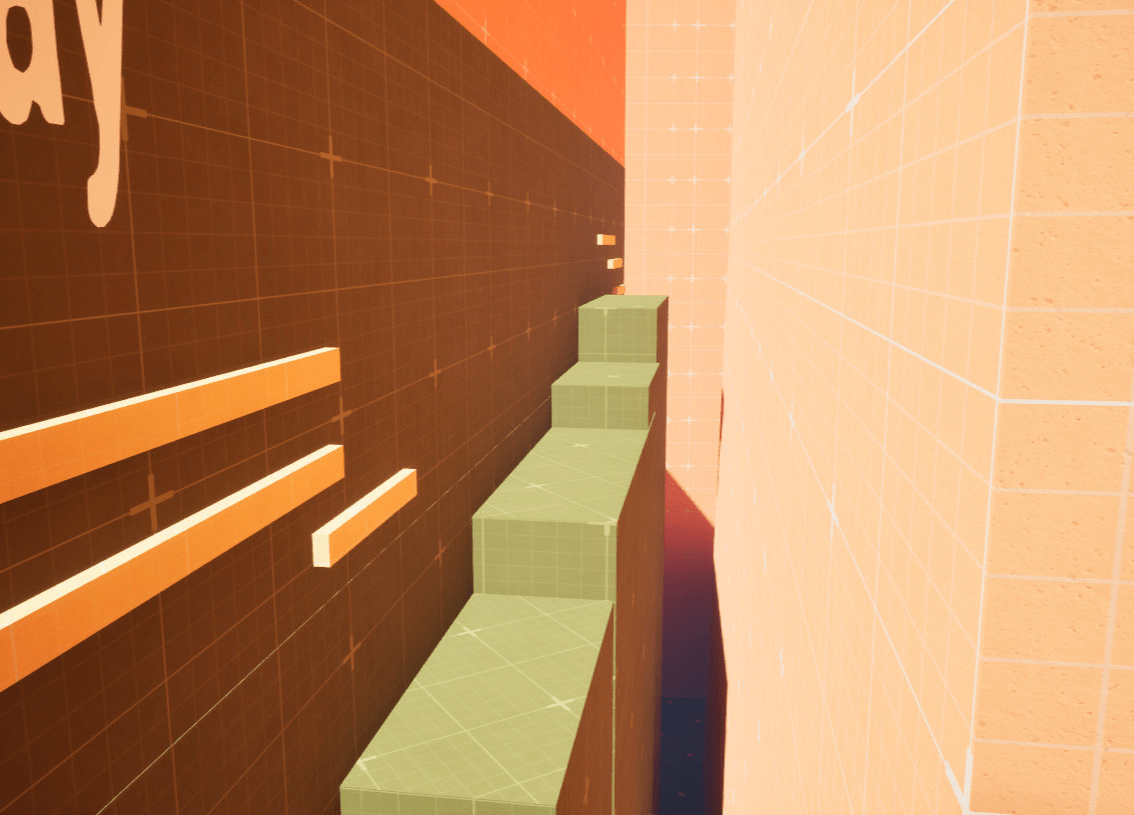
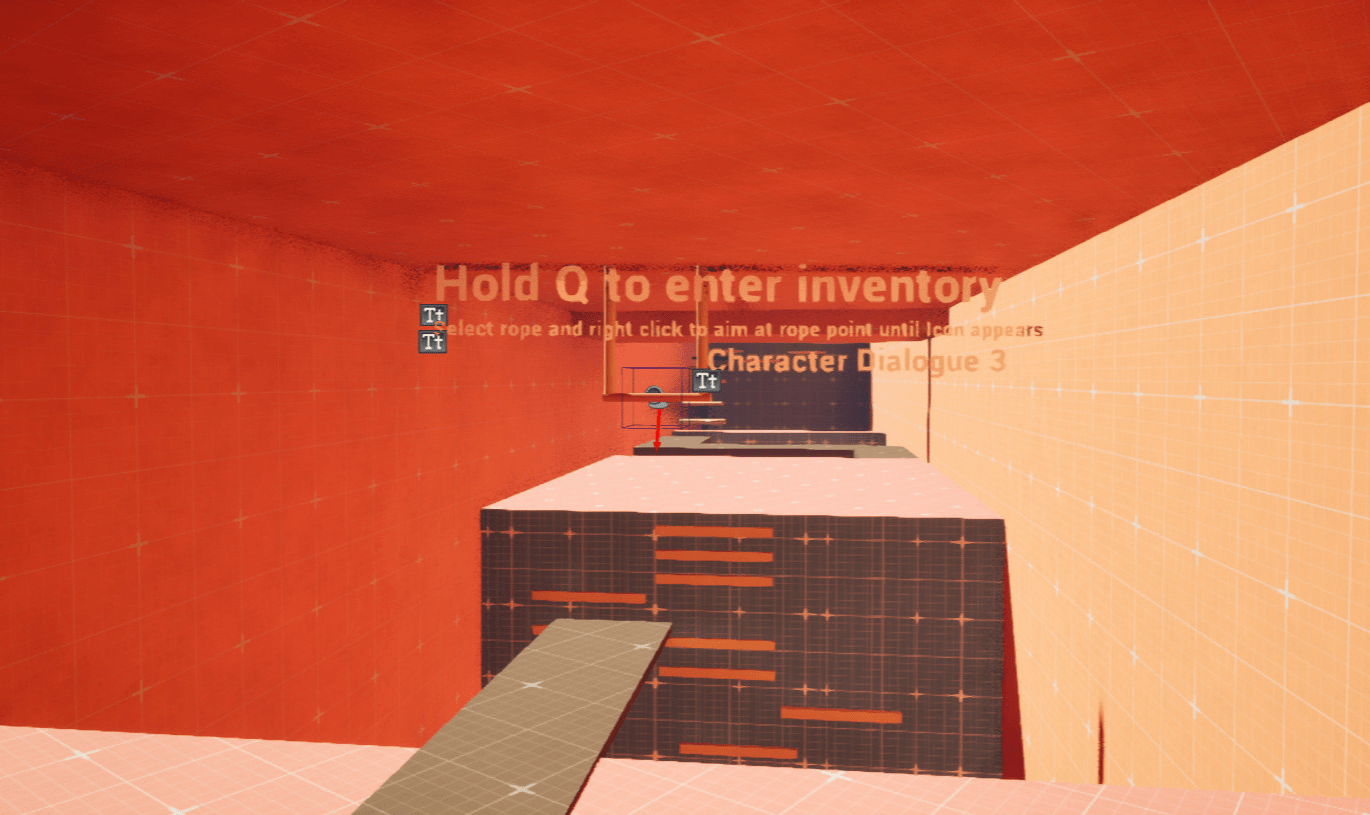
    Results: In this blockout iteration, I added climbing handholds and removed the pickaxe walls to streamline traversal. I also scaled down the size of the temple room in the second act to create a more focused experience. Additionally, I replaced the long hallway in the opening area with more climbing and jumping sections to make the introduction more engaging and interactive.

    Goal:This iteration aimed to address feedback from the original blockout, but playtesters found it more punishing and longer to complete. In response, I revisited the original 2D map and redesigned the entire level to create a more balanced and enjoyable player experience.

    Implementation/execution:

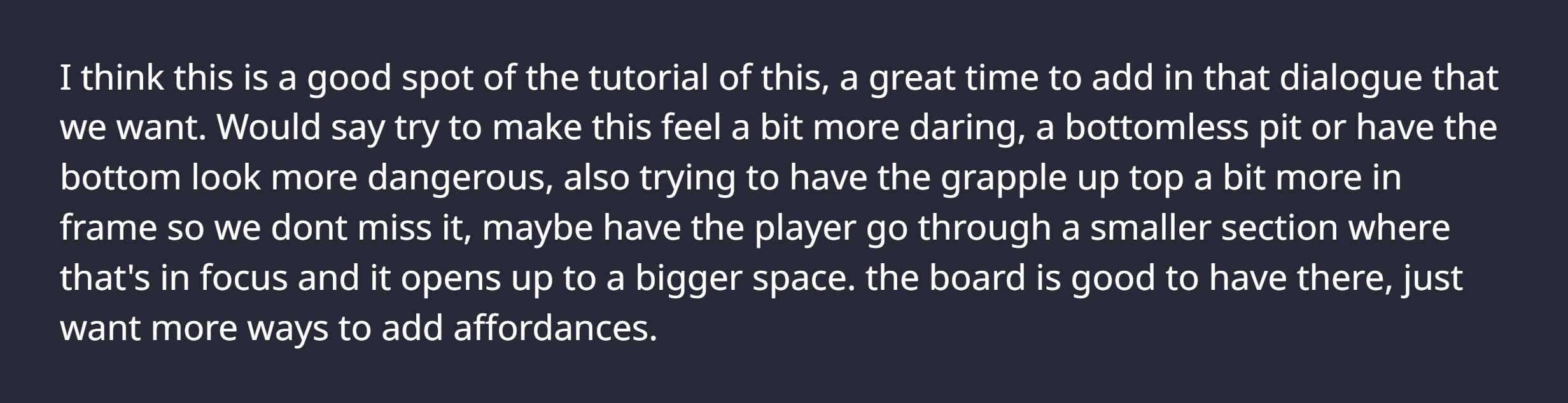
    • Reviewed feedback from testers and mentor on how to make certain areas enjoyable to play through.
    • Focused on pacing and reducing the scale/size of the level.
    • Cutting platform sections that was making the level take a longer time to complete.

    6. Playtest & Iteration 2

    7. Roughout 3

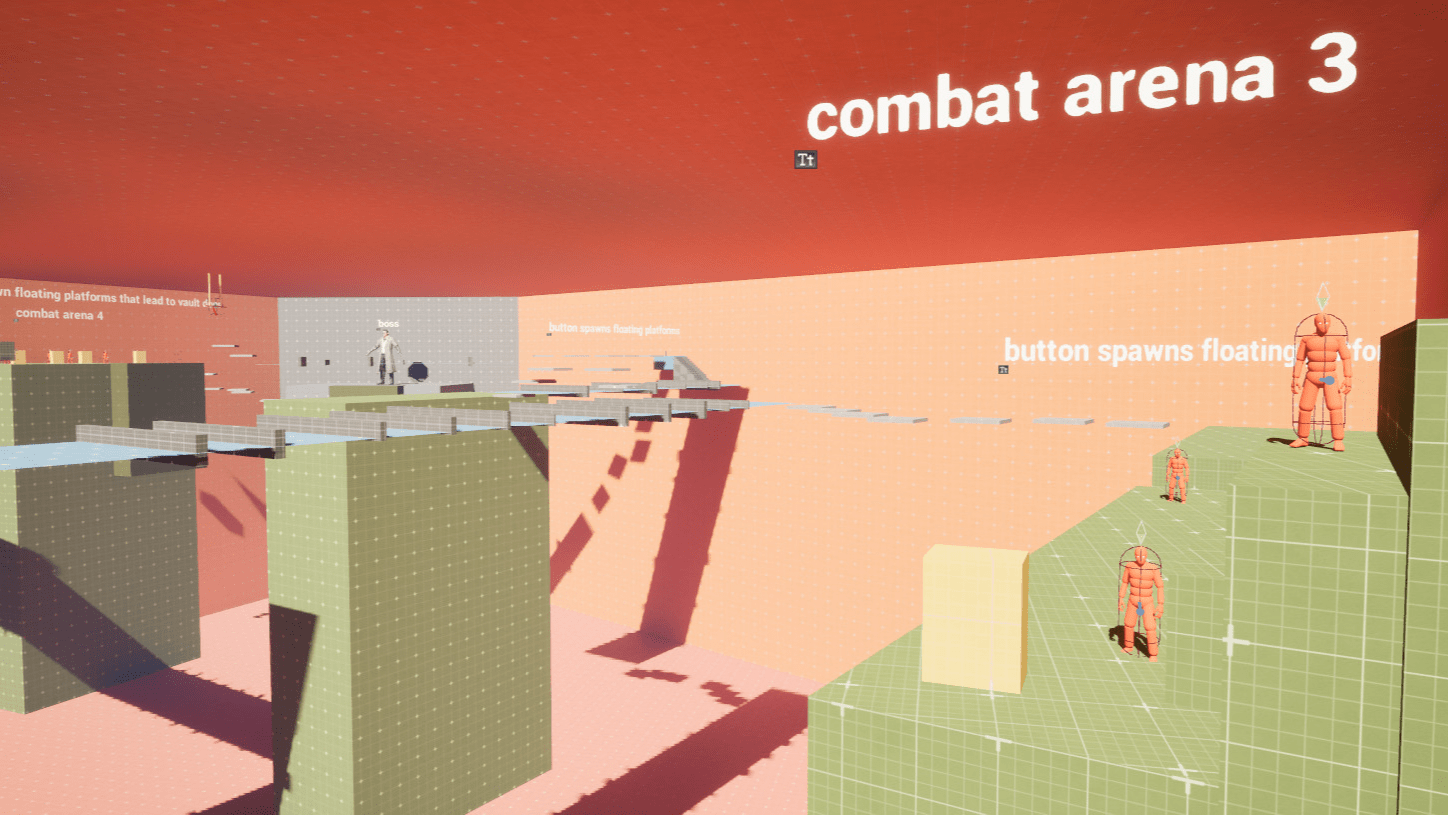
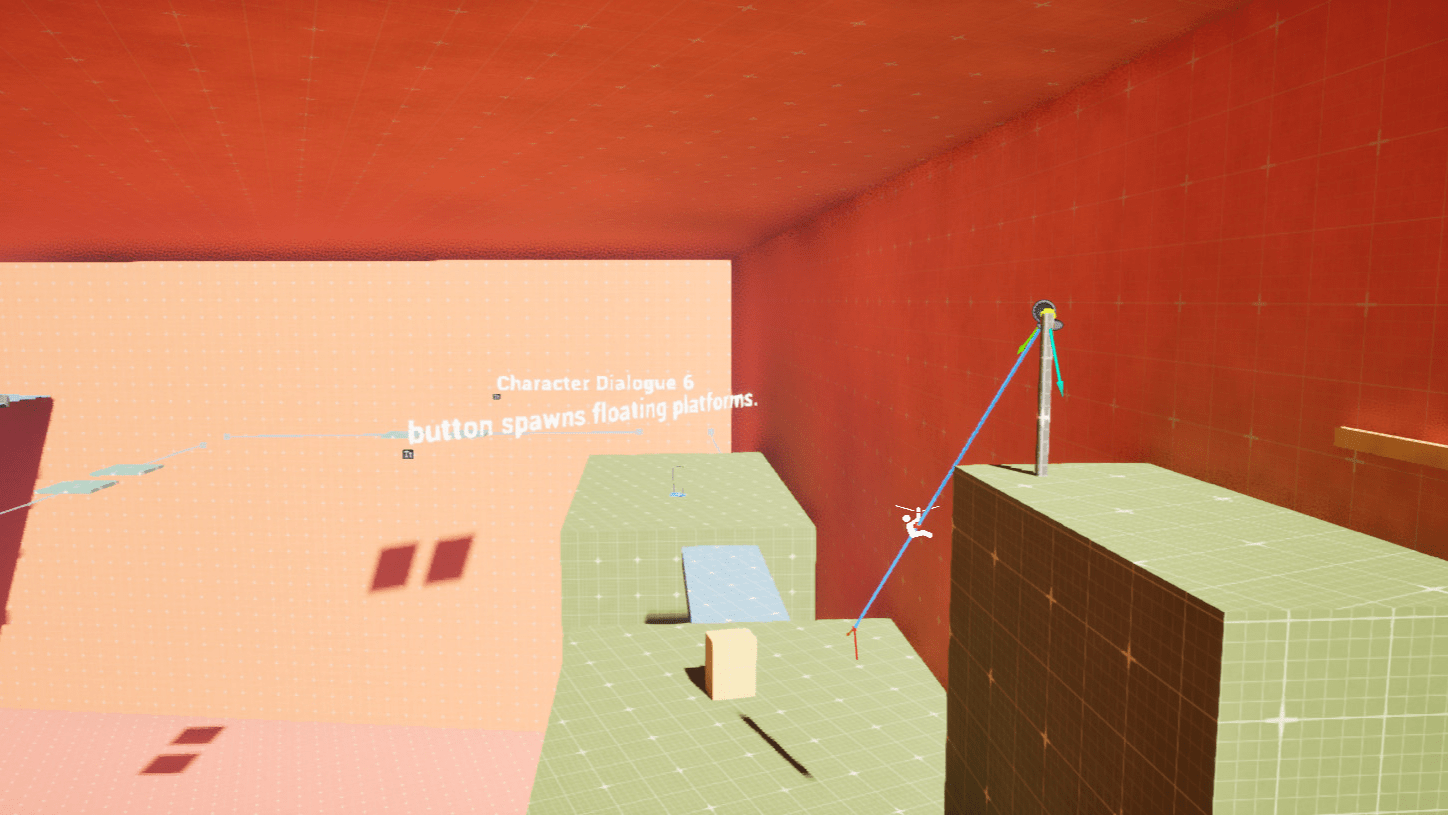
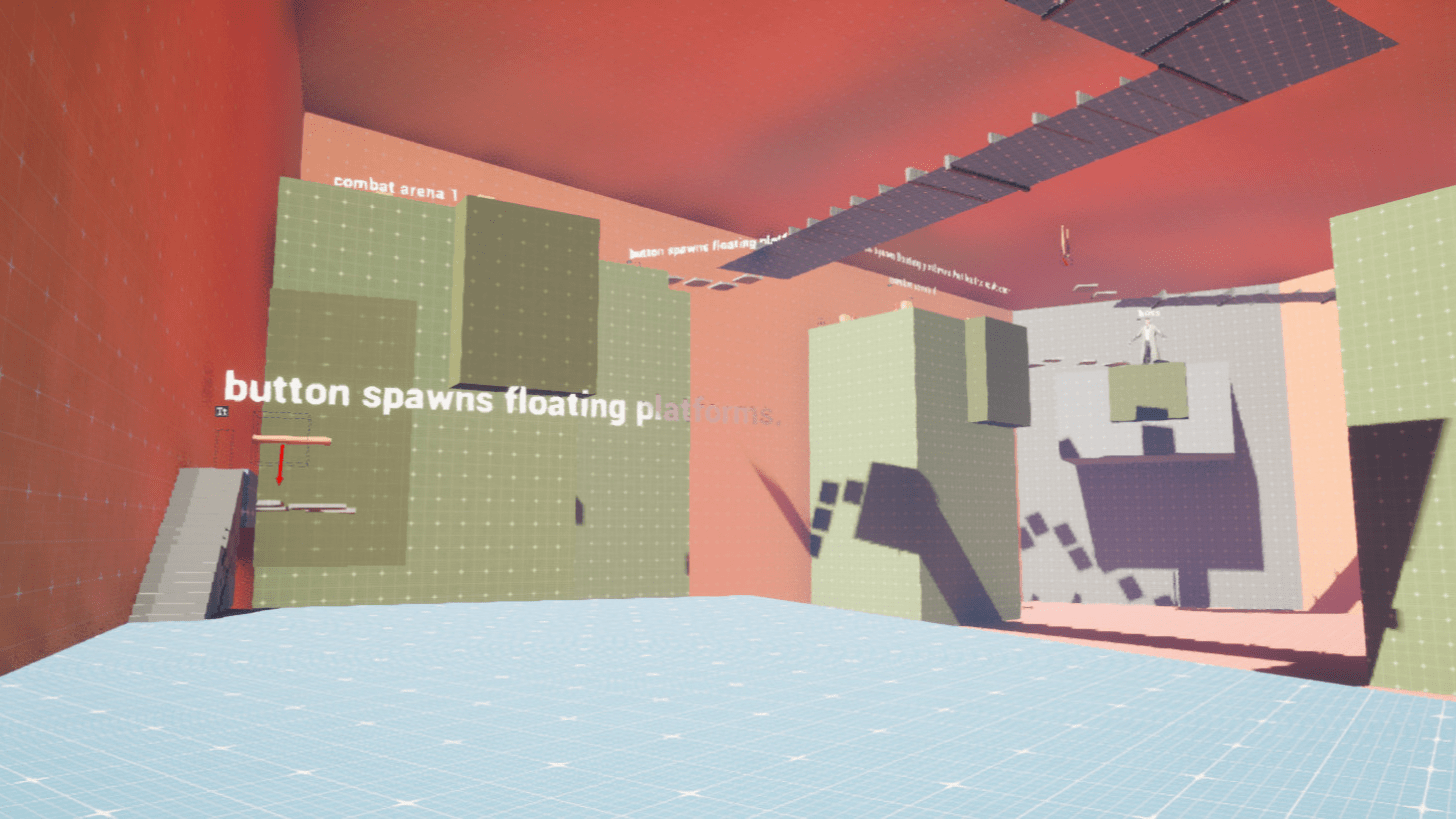
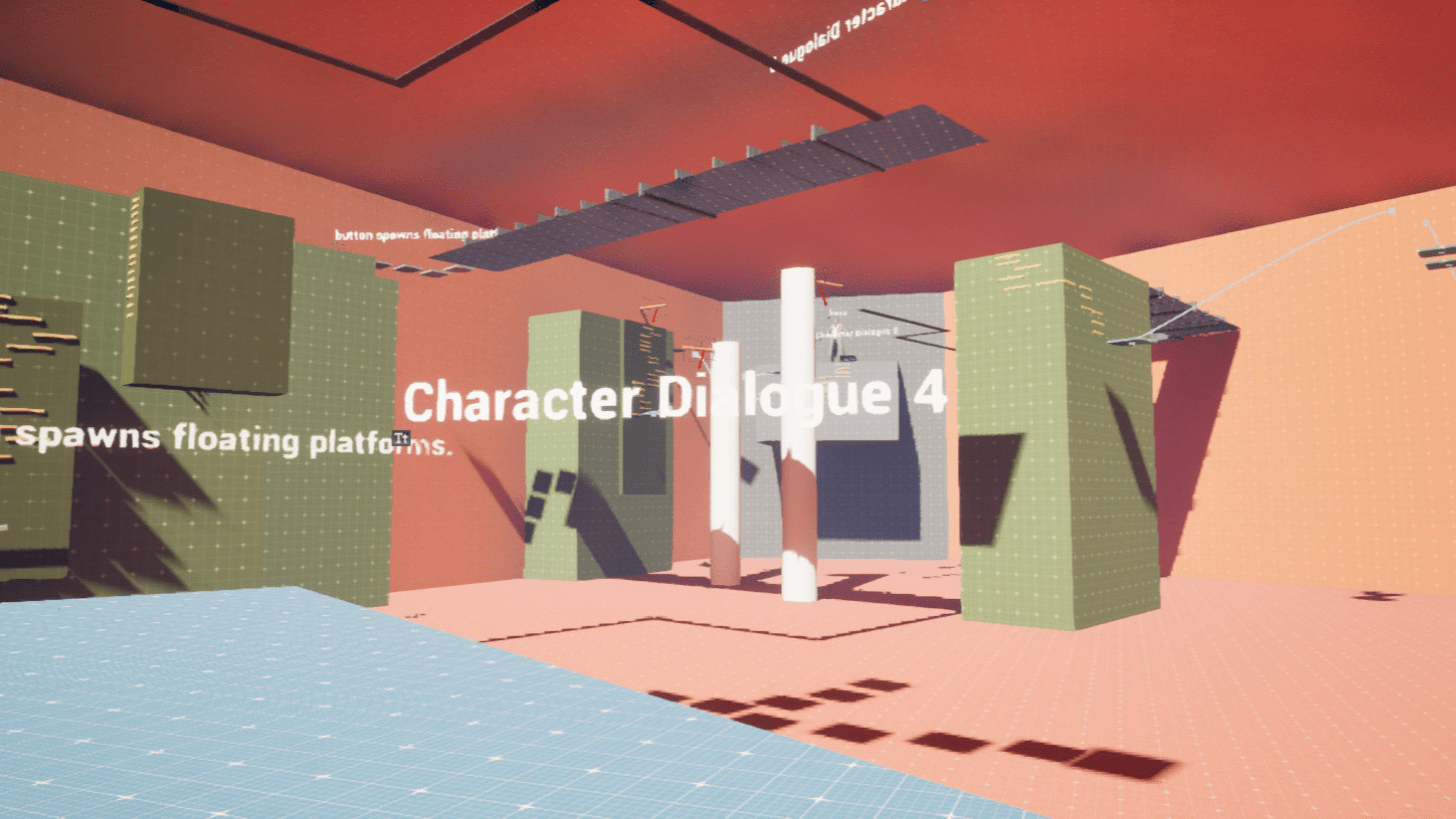
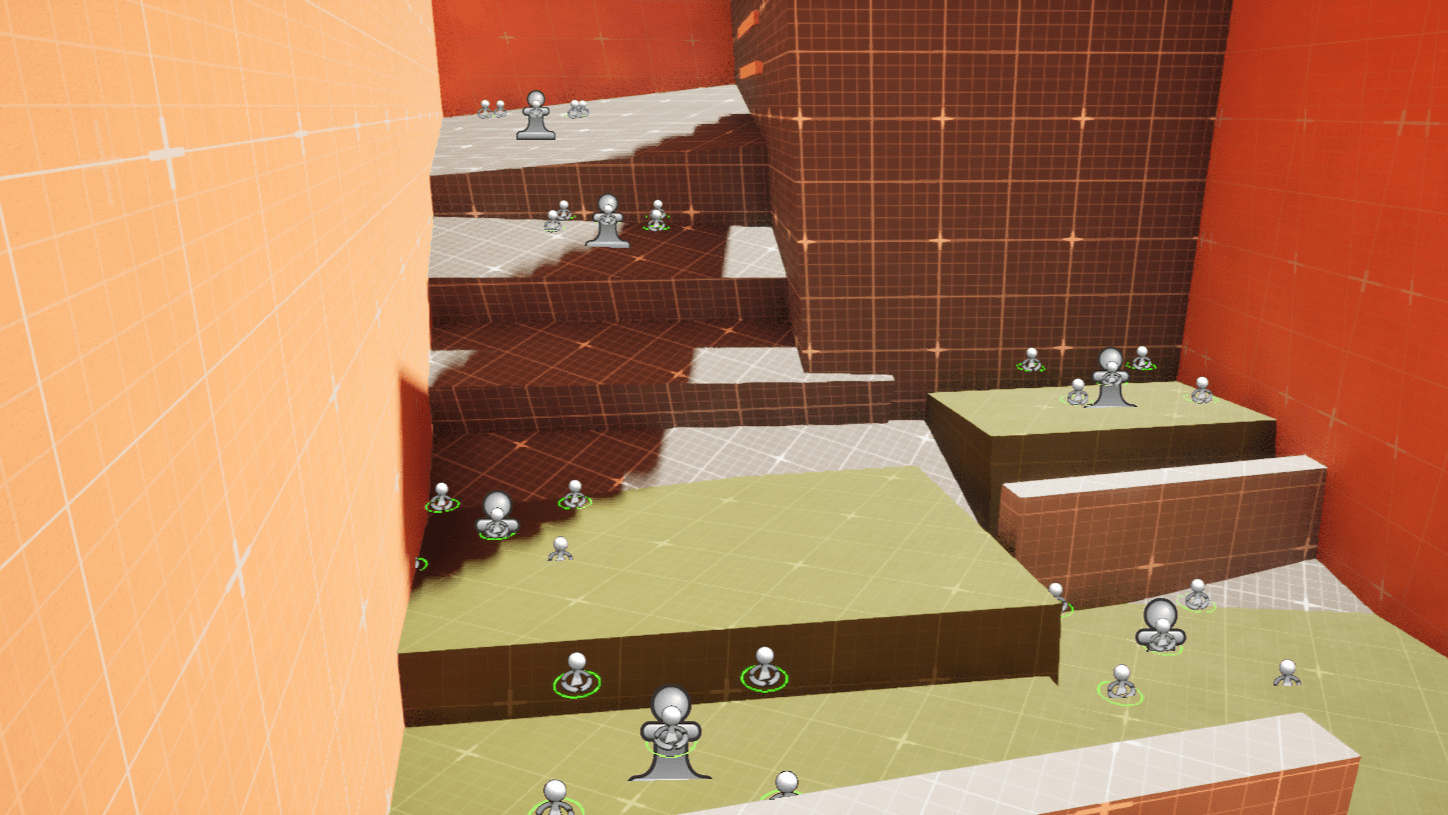
    Results:In this iteration, I redesigned multiple sections and scaled back the overall size and scope of the level. I also introduced enemy NPCs and created combat arenas to enhance encounter variety and improve moment-to-moment gameplay.

    Goal: In this latest iteration, my focus was on finalizing the new level design to ensure it was more enjoyable than previous builds. I prioritized refining the layout of combat spaces and strategically placing enemies to establish a strong foundation for the overall experience.

    Implementation/execution:

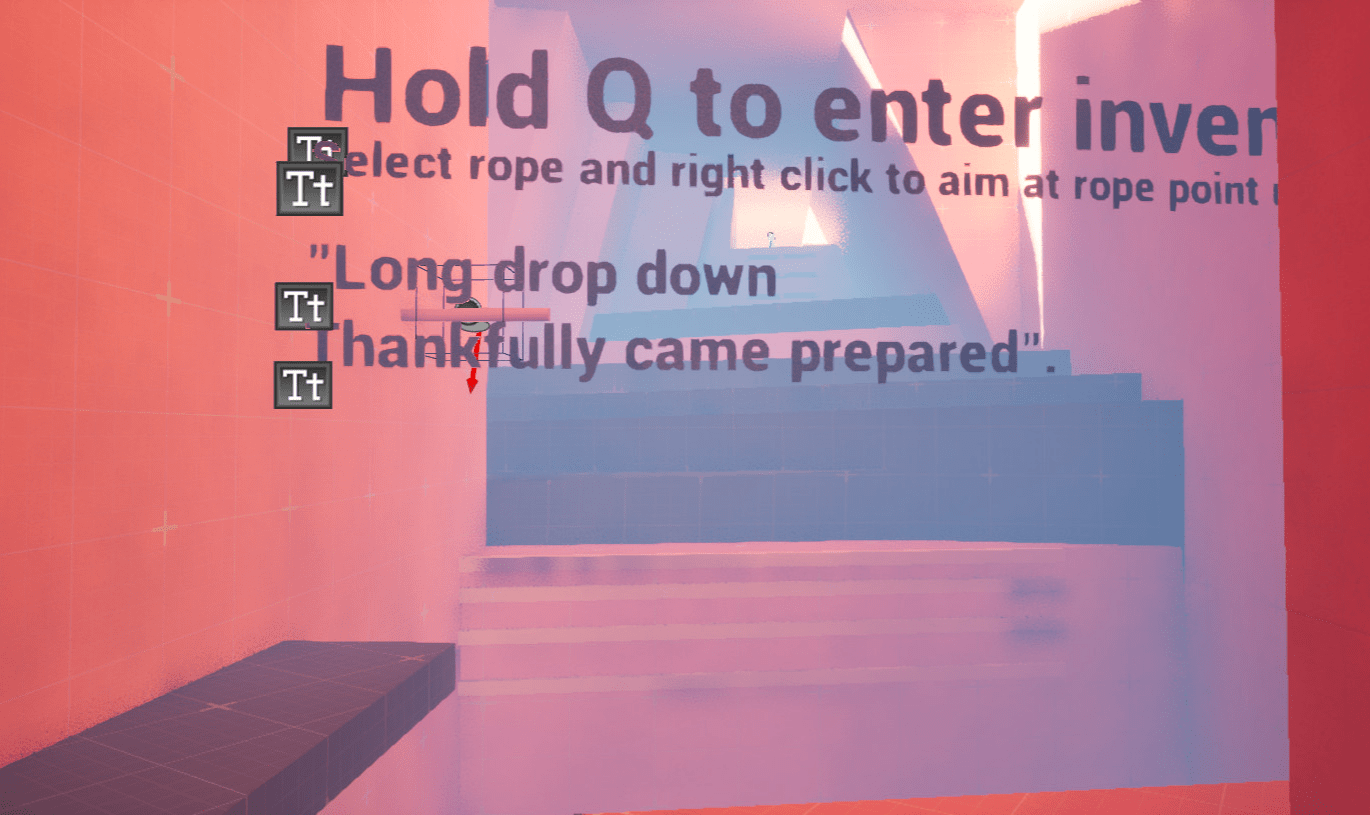
    • Add dynamic movement elements to give players more agency during traversal.
    • Tune the opening climbing section for smoother pacing and better player flow.
    • Refine cover placement in combat arenas and adjusted enemy damage to create more balanced encounters.
    • Redesign enemy placement to improve combat flow and increase challenge without overwhelming the player.
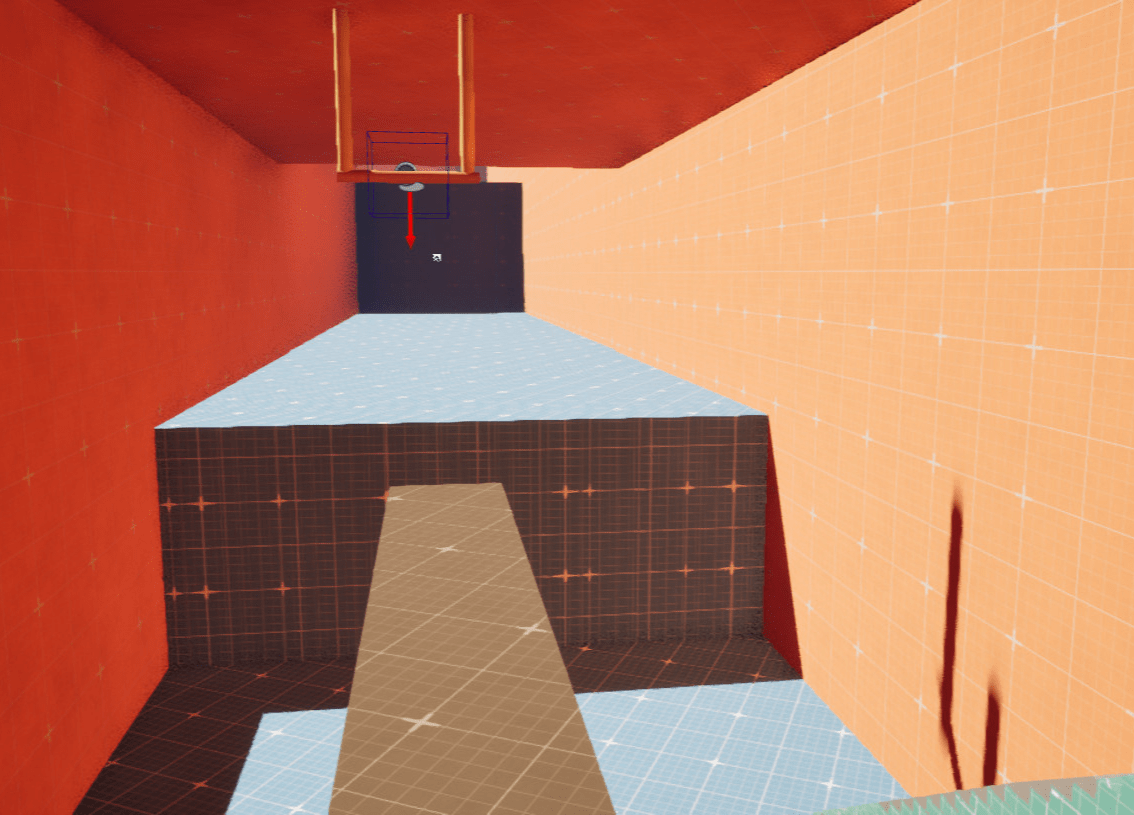
    • Implement teleporter triggers for pitfalls and added a checkpoint system to reduce frustration after player death.

    8. Playtest & Iteration 3

    9. Roughout 4

    Results: In this build, I focused on improving player experience by adding checkpoints and teleporters in pitfall areas, tuning combat arenas for better balance, and enhancing immersion through background music and cinematic vista shots that guide players toward the level’s goal.

    Goal: This iteration focused on improving player experience by adding checkpoints and teleporters near pitfalls to reduce frustration. I also added background music for immersion and tuned combat arenas and damage values for better balance.

    Implementation/execution:

    • Added cinematic camera to guide player to the goal
    • Improved cover placement to support smoother movement and better combat flow.
    • Added triggers and checkpoints to support smoother level progression after player death.

    10. Playtest & Iteration 4

    11. Roughout 5

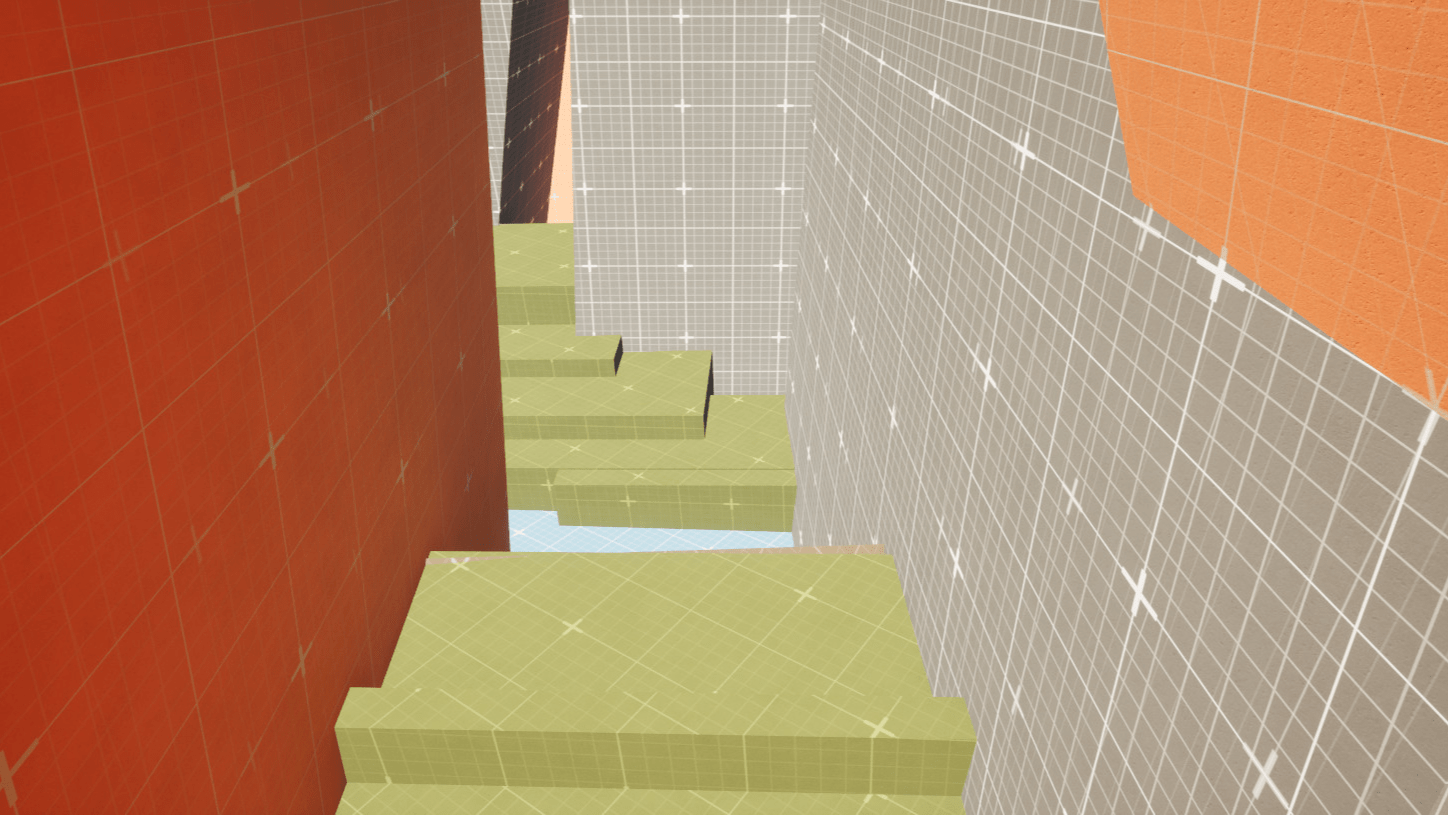
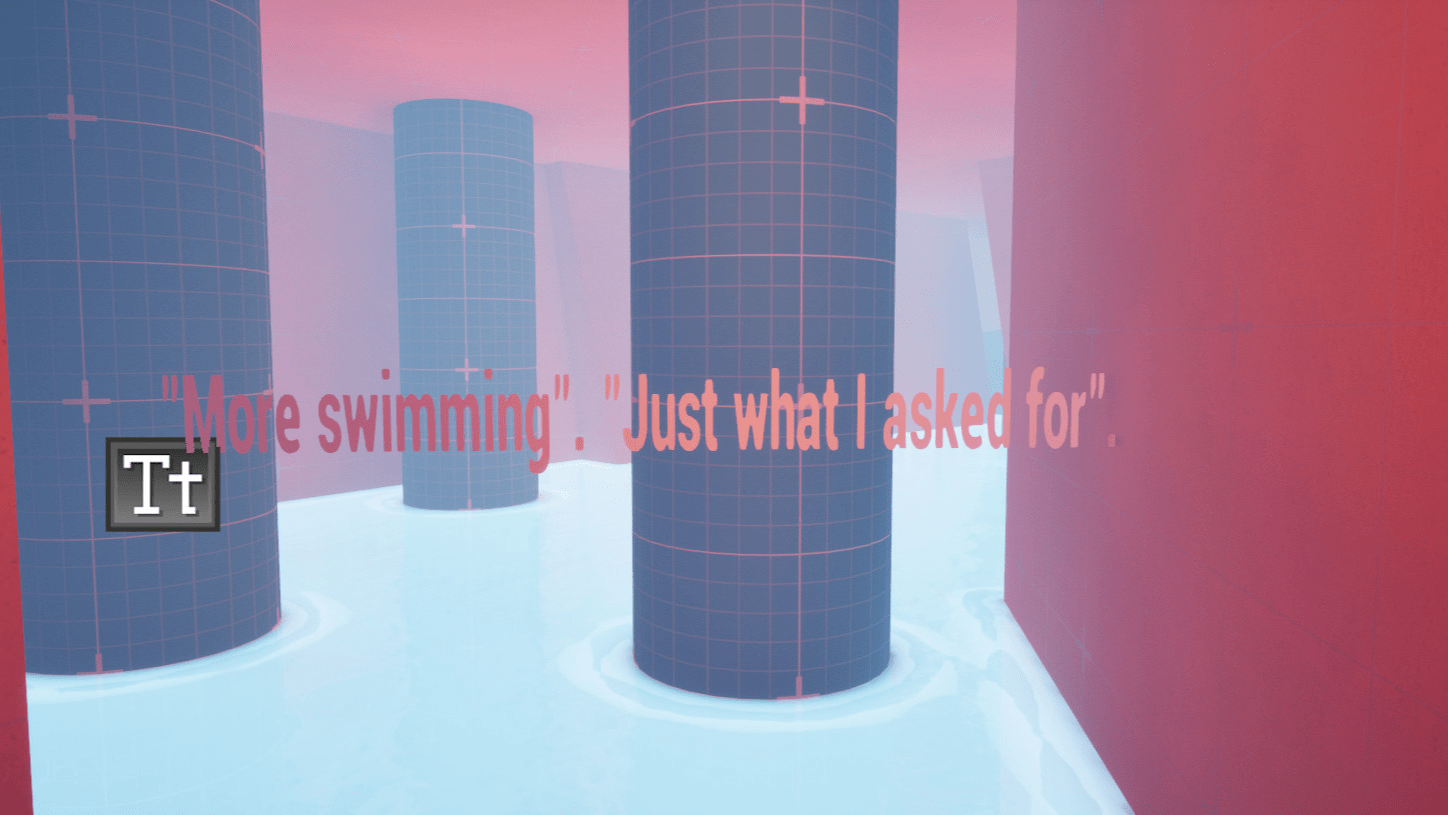
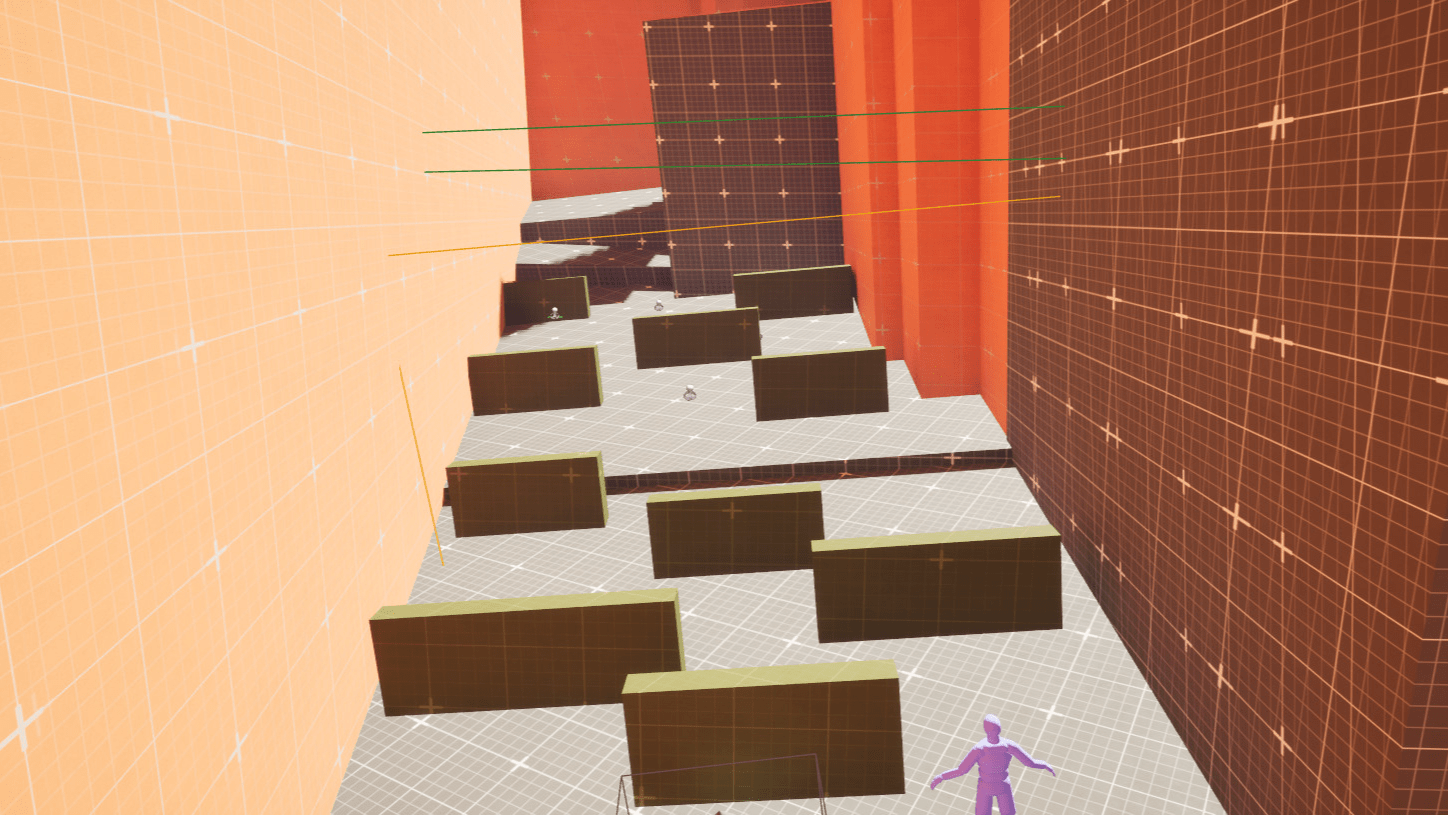
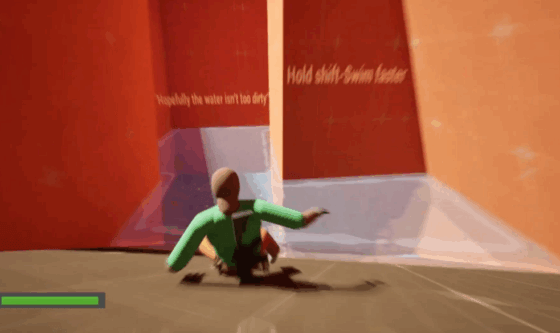
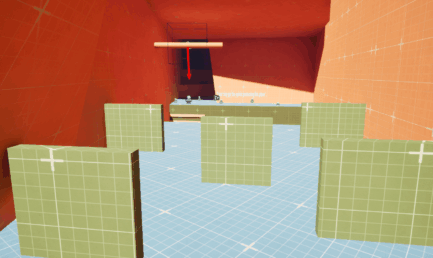
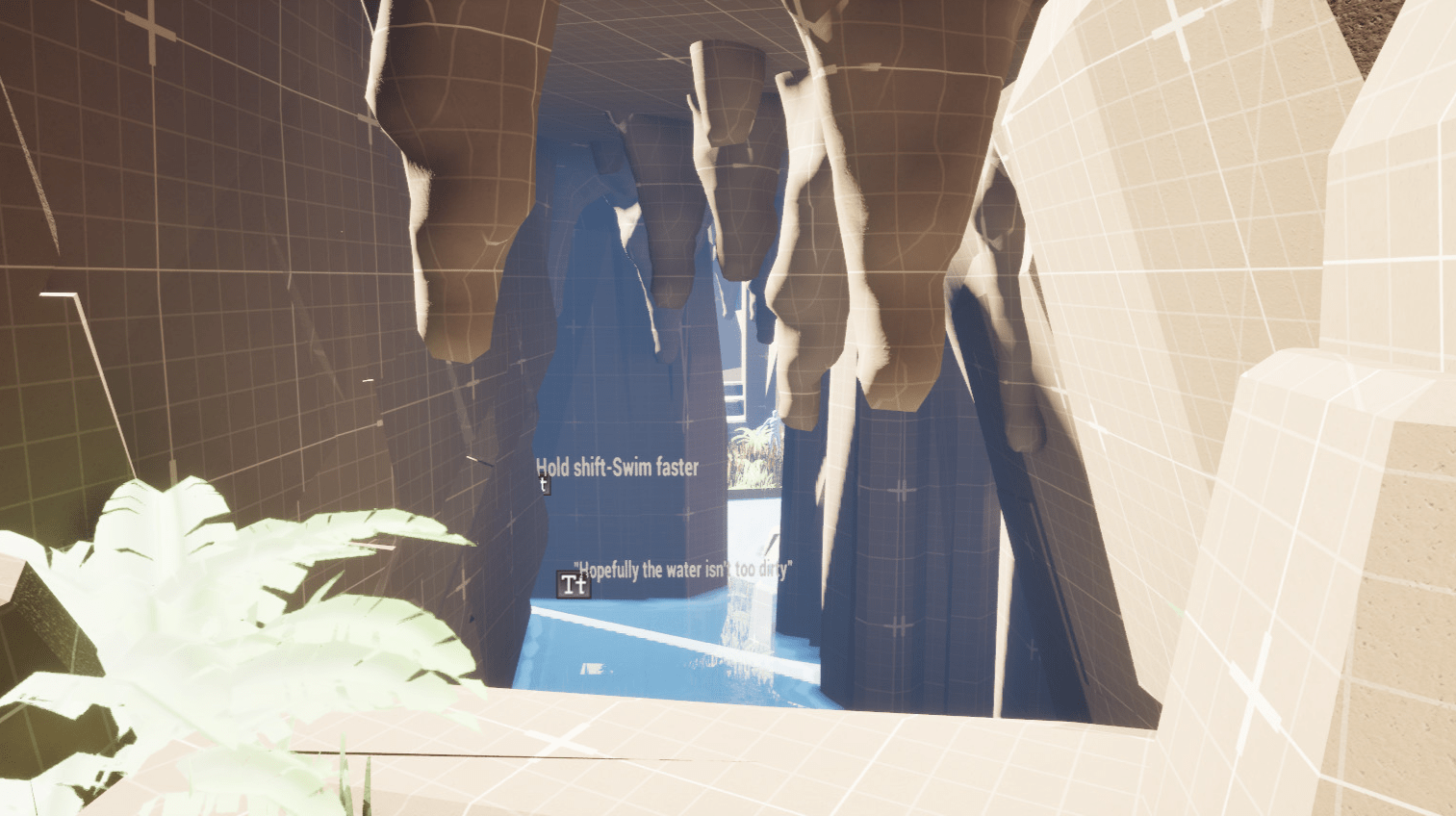
    Results: This iteration focused on implementing feedback by adding more dynamic elements to the level. I introduced additional slides, small objects, and obstacles to enhance parkour gameplay, while narrowing spaces to improve player flow. Swimming sections were added to further vary traversal, and cover spots were redesigned to be hip height and properly spaced to prevent camera issues and ensure smooth movement during combat.

    Goal: The goal of this iteration was to finalize the level’s core gameplay mechanics and ensure all elements such as enemy placement and in-game objects were properly positioned to support a complete and cohesive gameplay experience.

    Implementation/execution:

    • Reviewed feedback to fine-tune dynamic elements and gameplay sequences.
    • Uneven terrain to enhance environment feel more organic and alive.
    • Added new traversal mechanics to improve pacing and create a more dynamic, organic gameplay experience.

    12. Playtest & Iteration 5

    13. Roughout 6

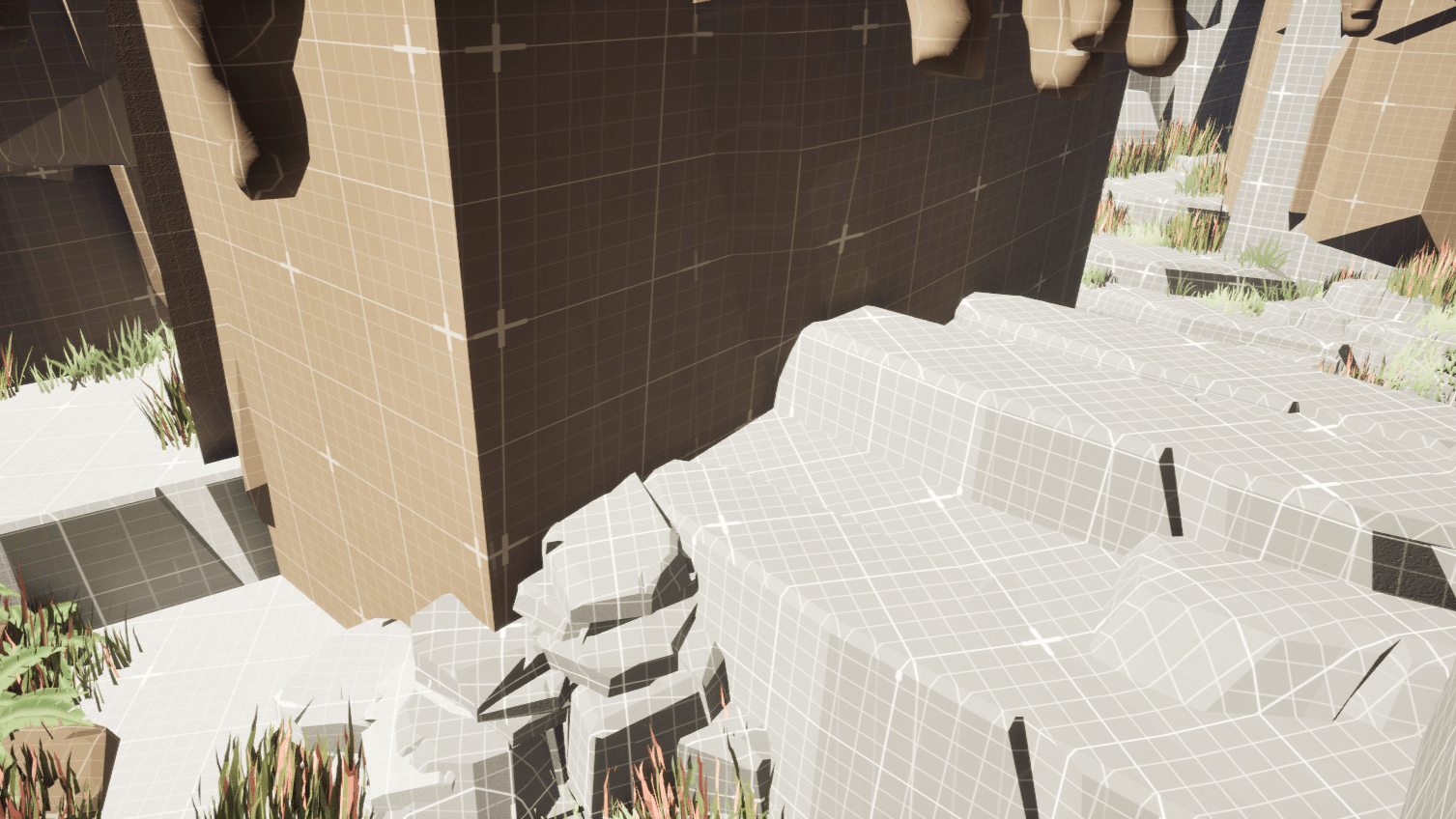
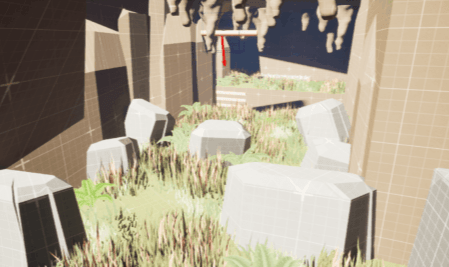
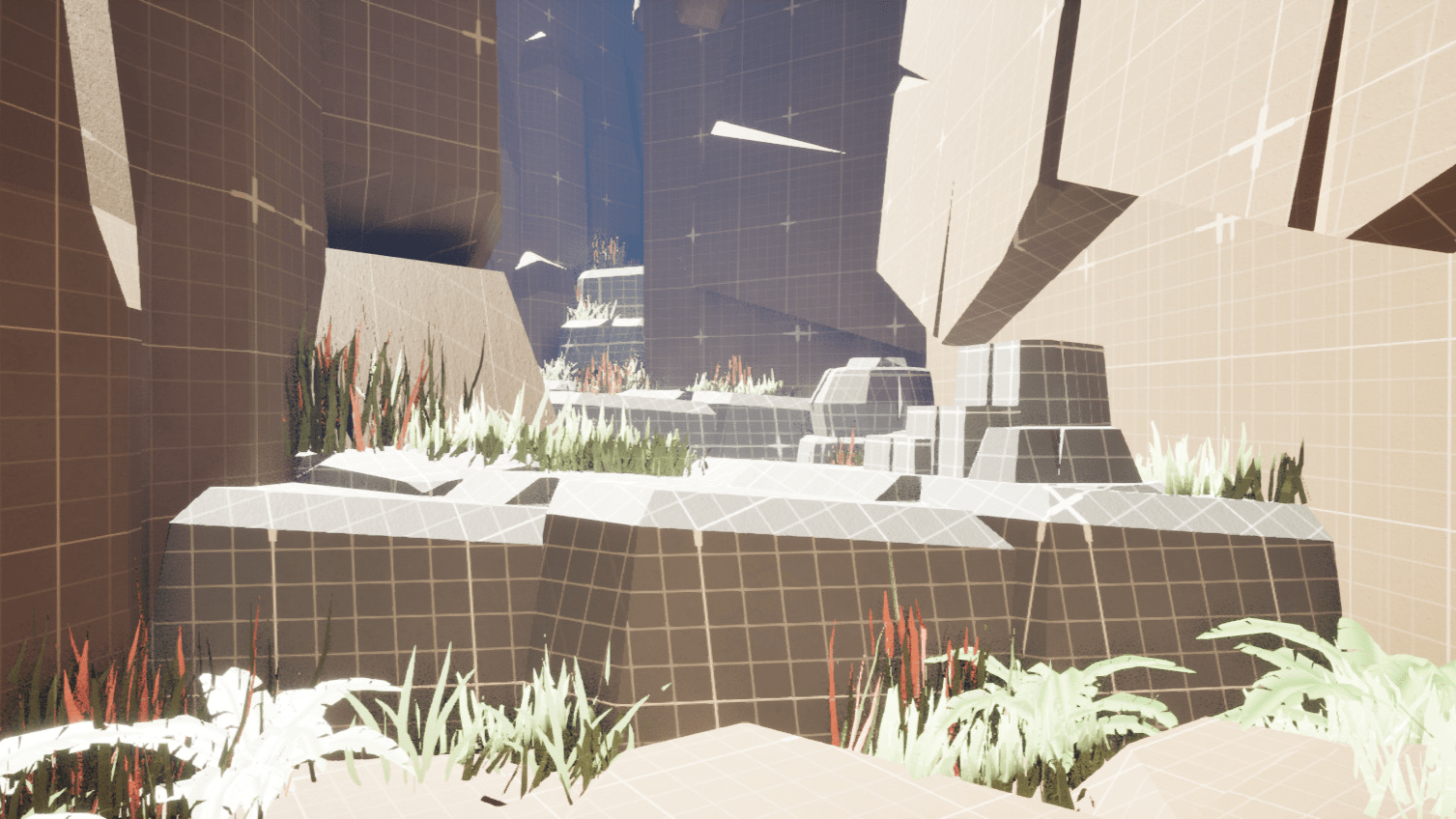
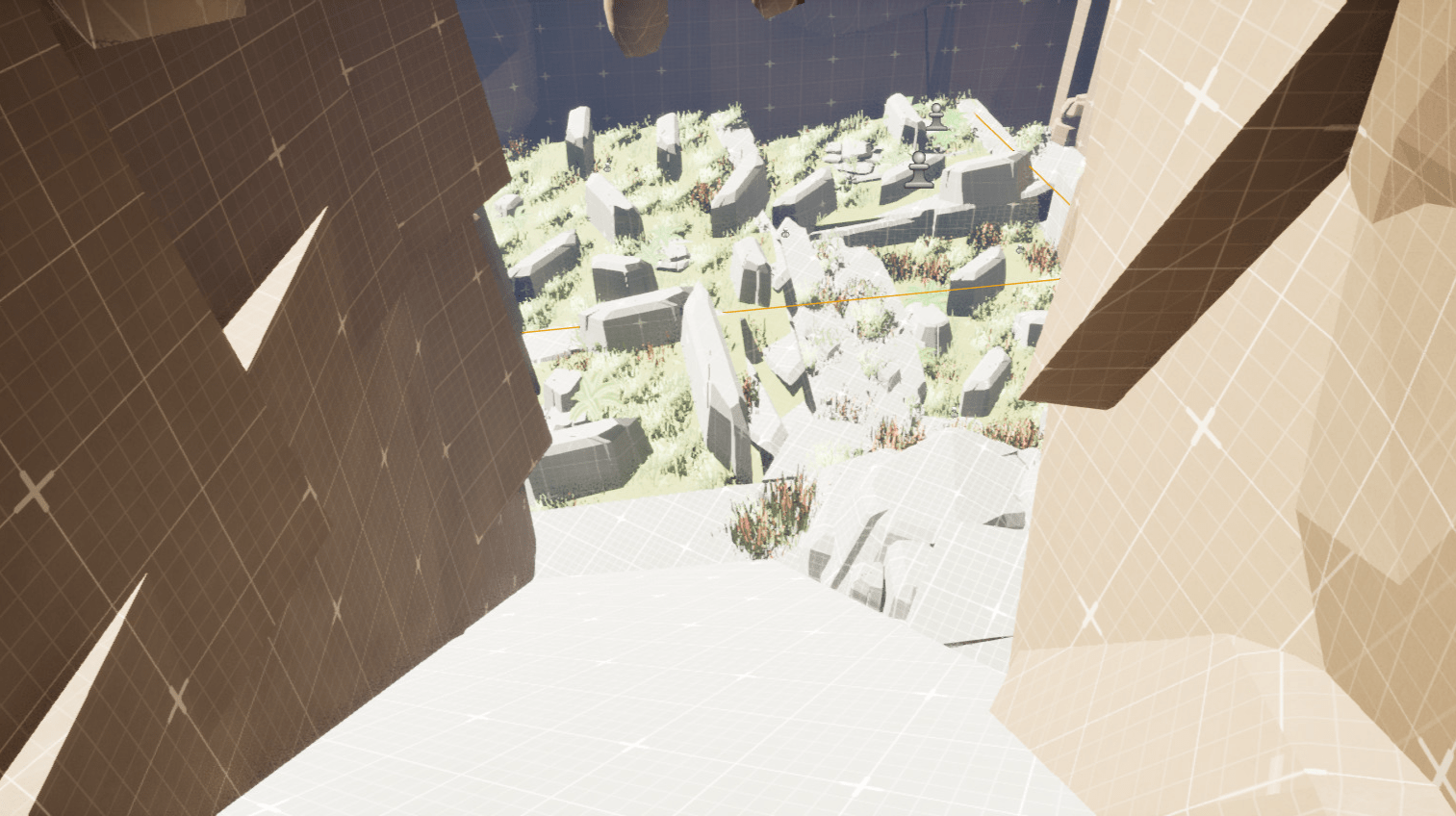
    Results: This iteration focused on polishing the level’s visuals by adding rocks and grass to create a more immersive and believable environment. I replaced most of the placeholder cube meshes and basic shapes with natural rock assets to bring the level to life.

    Goal: The goal of this blockout was to finalize the level’s presentation and strengthen world-building by polishing the visuals to create a compelling and immersive experience for players.

    Implementation/execution:

    • Light polish on certain areas.
    • Implemented foreshadowing and clear sightlines to subtly guide players and improve navigational clarity.
    • Replace cube meshes with rocks and grass.

    14. Playtest & Iteration 6